周波:如果中美唯一共識是避免衝突,那我們已經處於一場新冷戰中
【文/觀察者網專欄作者 周波】
國際關係專家們熱衷討論“我們是否已經進入了另一場冷戰?”並不令人驚訝。這就好比猜測一個即將出生的嬰兒是男是女,總有50%的成功概率,真不賴!問題是,唯有當全面戰爭的可能性消失殆盡,我們才能斷定這是一場冷戰。
預測未來殊為不易。但可以推測,有三件事將決定21世紀上半葉的面貌:烏克蘭戰爭、中美在印度—太平洋地區的競爭,以及在世界秩序變革中西方(the West)的衰落和與之形成對比的“其他國家 (the “Rest”)”的崛起。
儘管沒有人知道這場歐洲腹地的戰爭會持續多久,但沒有一場戰爭會永遠進行下去。最壞的結果是普京總統決定使用戰術核武器扭轉局面,這是誰都不願看到的;最好的結果則是停戰,這是誰都不喜歡的。烏克蘭只有依賴西方不間斷的支持才能繼續戰鬥,如果戰爭演變為一場消耗戰,則烏克蘭能否持續作戰猶未可知。縱然俄羅斯戰果並不明顯,但鑑於其軍力、軍工和經濟方面的優勢沒有因戰爭而受到實質性削弱,俄羅斯仍能支撐這場戰爭。
一座新的“柏林牆”最終將出現在烏克蘭,這似乎是可能的前景。這將改變歐洲的安全架構,歐洲將不得不與一個被大大削弱但更加危險的俄羅斯共處。之所以説俄羅斯更加危險,恰恰是因為它雖然被大大削弱了,但仍然擁有着世界上最大的核武庫。
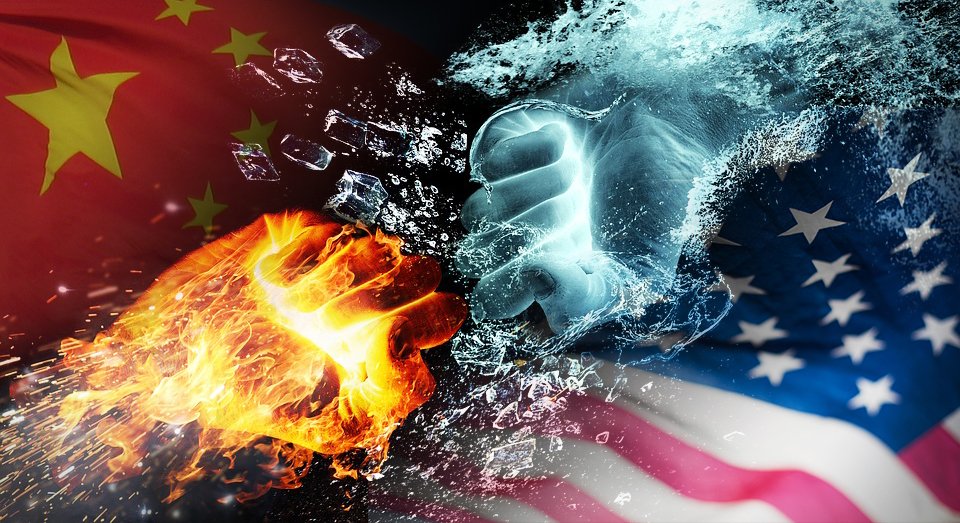
説得諷刺一點,如果北京和華盛頓之間達成的唯一共識,僅僅是避免衝突,那麼我們大概已經處於一場新的冷戰之中。不過,這場新冷戰的不同之處在於,這是兩個巨頭之間的競爭,而不是兩個集團之間的競爭。華盛頓無力領導一個反華聯盟,北京也無意領導全球南方反對美國。所有國家都會以務實的態度謹慎面對中國和美國,在具體問題上就事論事,而不是盲目地選邊站隊。
關於台灣成為下一個烏克蘭的説法已然甚囂塵上。但只要北京認為和平統一仍有可能,台海一戰就不是不可避免的。迄今為止,北京還沒有失去耐心。這反映在幾十年來一貫低於中國國民生產總值2%的國防預算上;也反映在中國人民解放軍4月在台灣周邊的第二次軍事演習中。與美國眾議院議長佩洛西2022年竄訪台灣後的第一次軍事演習不同,北京在4月的反應更加謹慎剋制,只進行了模擬攻擊。
無論烏克蘭戰爭的結果如何,兩個趨勢很可能會繼續下去:西方影響力式微,“其他國家”進一步崛起。根據美國華盛頓的非政府組織“自由之家”的民意調查,西方民主在過去17年來一直在穩步下滑。與之相反,多個國家正在排隊加入上海合作組織和金磚國家。關於用本地貨幣而不是美元進行交易的討論日益熱烈。
世界應該害怕中國嗎?這是德國《時代》週報在最近一次採訪中問我的第一個問題。如果來自全球南方國家的人被問及同樣的問題,我想答案會和我一樣——“不應該”。中國和西方參與全球南方的主要區別是,中國的所作所為不附加道德説教。如果真的存在爭取第三方的競爭,以美國為首的西方國家已經遠輸給了中國,特別是在非洲和拉丁美洲地區。
在今年的慕尼黑安全會議上,中國和俄羅斯被放在一邊,西方被放在另一邊, 以表明民主與獨裁的分野。這樣簡單的非黑即白的畫面並不是世界應有的樣子。即使北京和莫斯科都在談論多極化的世界,但他們的世界觀也有微妙的不同。北京是現有國際秩序下全球化的最大受益者;莫斯科則對這種秩序感到不滿並認定自己是受害者。在與美國不斷交惡的情況下,北京至少與西方保持着貌合神離的關係;而對莫斯科來説,這已經是不可能的事情。
但是,當中國和西方談論國際秩序的時候,他們談論的是同一件事嗎?西方的主流觀點是,二戰後的國際秩序是西方主導的“自由主義國際秩序”,這是自我陶醉。儘管許多規則、制度乃至機構,如國際貨幣基金組織、世界銀行和關貿總協定/世界貿易組織都是西方在二戰後設計和建立的,但它們都主要關乎經濟領域,不能涵蓋整個體系。國際秩序應該包括不同的宗教、文化、習俗、國家身份和社會制度等特徵。並且,它必須解決諸如全球化、氣候變化、疫情和核擴散等全球性問題。
中國能否在2030年超過美國,成為世界最大經濟體,還有待觀察。這在經濟層面不會有太大影響,即便有差異,區別也不會太大。但它會產生心理上的影響。世界會意識到,一個新的黎明已然來臨。這並非所謂“美國治世”後的“中國治世”,相反,它將是常識的迴歸:時代有更替,國家有興衰。所以,世上唯一的“山巔之城”(美國自詡),只是空空蕩蕩的(雅典衞城)帕特農神廟。

翻譯:蔣紹澄
核譯:韓樺
英文原文:
The enthusiasm of international relations pundits for talking about whether we have entered into another cold war is not surprising. It is like guessing the sex of a baby to be born. One has a 50% chance of being right. Not bad at all! The problem is that we shall only be able conclude it’s a cold war when the prospect of an all-out war has eventually disappeared.
Predicting the future is a difficult business. But, presumably, three things will shape how the first half of the 21st century looks: the war in Ukraine, China-US competition in the Indo-Pacific and the rise of the “Rest” in contrast to the decline of the West in a changing world order.
Although no one knows how long the war in the heartland of Europe will last, no war lasts forever. The worst outcome would be for President Putin to decide to use a tactical nuclear weapon as a game-changer, while the best outcome would be an armistice, which no one likes. Ukraine can only fight on with the seamless and endless support of the West; this is not a sure thing if the war turns out to be one of attrition. Russia has failed to make obvious gains, but it can sustain the war given its advantages in manpower, military industry and an economy that is not substantively crippled by the war.
It seems probable that a new “Berlin Wall” will eventually appear in Ukraine. This will change Europe’s security architecture. Europe will have to live with a Russia that is much weakened but far more dangerous. It will be more dangerous precisely because it is much weakened, but still has the largest nuclear arsenal in the world.
The war in Ukraine will most certainly accelerate geopolitical and geoeconomic shifts from the West to the East. The Biden administration had hoped to put Russia policy on a “stable and predictable” footing in order to focus on China, which it perceives as a long-term threat. But the war has undoubtedly distracted America’s attention and syphoned off resources.
Cynically speaking, if there is consensus - the only consensus - between Beijing and Washington to avoid a conflict, then probably we are already in a new cold war. What makes this new cold war different, though, is that this is a rivalry between two giants, rather than two blocs. Washington could not lead an anti-China alliance and Beijing could not lead the Global South against America. All countries will deal with China and the US carefully, with pragmatism, making choices on specific issues, rather than blindly picking sides.
Much has been said about Taiwan becoming the next Ukraine. But a war in the Taiwan Strait is not inevitable so long as Beijing believes peaceful reunification is still possible. So far, Beijing has not lost patience. This is reflected in its defense budget which is still lower than 2 percent of its GDP, as it has been for decades. It is also reflected in the PLA’s second military exercise around Taiwan, in April. Unlike the first one, which involved live firing of weapons, after US House Speaker Nancy Pelosi’s 2022 visit to Taiwan, Beijing’s April response was more calculated and measured, with only simulated attacks.
Whatever the outcome of the Ukraine war, two trends are likely to continue: the shrinking influence of the West and the further rise of the Rest. According to a Freedom House poll the western democracies have been in steady decline for 17 years. In contrast, countries are queuing to join the Shanghai Cooperation Agreement and the BRICS. Talk of trading with local currencies instead of American dollars is getting louder.
Should the world be afraid of China? This is the first question I was asked by Die Zeit in a recent interview. If the same question is asked of someone from a Global South country, I guess the answer, like mine, will be “no” . The major difference between Chinese and western involvements in the Global South is that China acts and delivers without moralizing. If there is a competition to win over third parties, the US-led West is very much losing to China, especially in Africa and Latin America.
At the Munich Security Conference this year, China and Russia were put on one side and the West on the other side, to mark a democracy-autocracy cleavage. Such a simplistic black and white picture is not how the world looks. Even if both Beijing and Moscow talk about a multipolar world, their world views are subtly different. Beijing is the largest beneficiary of the globalization that depends on the existing international order; Moscow resents that order and considers itself a victim of it. As its relations with Washington grow steadily worse, Beijing has at least maintained a plausible relationship with the West; this appears to be impossible for Moscow now.
But when China and the West talk about the international order, are they talking about the same thing? The prevailing idea in the West is that the international order after World War II is a West- led “liberal international order” . This is narcissism. Although many rules, regimes and even institutions such as the IMF, the World Bank and GATT/WTO were designed and built by the West after World War II, they are primarily found in the economic field and cannot define a whole system. The international order should include, among other features, different religions, cultures, customs, national identities and social systems. And it must address globalization, climate change, pandemics and nuclear proliferation, to name but a few.
It remains to be seen whether China can surpass the United States to become the largest economy in the world by 2030. This won’t matter much economically in that any difference will be marginal. But it will have a psychological impact. The world will perceive a new dawn to have arrived. This will not be a Pax Sinica. Rather, it will be a return to common sense: nations rise and fall. The only “city upon a hill” is the empty temple of the Parthenon.
本文系觀察者網獨家稿件,文章內容純屬作者個人觀點,不代表平台觀點,未經授權,不得轉載,否則將追究法律責任。關注觀察者網微信guanchacn,每日閲讀趣味文章。
