李世默:“一帶一路”代表新的全球化模式
當地時間6月22日,由中國社會科學院歐洲研究所、中國公共外交協會和拉斯卡瑞德斯基金會共同主辦的“‘一帶一路’倡議10週年和中希關係高端論壇”在後者位於比雷埃夫斯市的總部舉行,來自中國和希臘的政治家、智庫專家、學者以及媒體代表與會,共話“一帶一路”建設十年來中希各領域取得的成就,並圍繞未來中希共建“一帶一路”、經貿往來、人文交流前景等議題開展研討。
論壇舉辦地是拉斯卡瑞德斯基金會的歷史圖書館,面對着蔚藍的地中海。各位出席嘉賓在此探討中希合作前景,思路開放進取,特別是對當今世界形勢下如何完善全球化,提出了諸多建設性思路。
在主題為“‘一帶一路’倡議10年:教育、文化和文明領域的評估和未來”的論壇環節中,觀察者網創始人、復旦大學中國研究院諮詢委員會主任李世默回顧了全球化在過去30年間的效果,剖析其當前陷入困境的根本原因,並解釋為什麼認為“一帶一路”倡議代表一種更好、更包容、更普惠的全球化,展望這一“新全球化”的必要性以及光明前景。
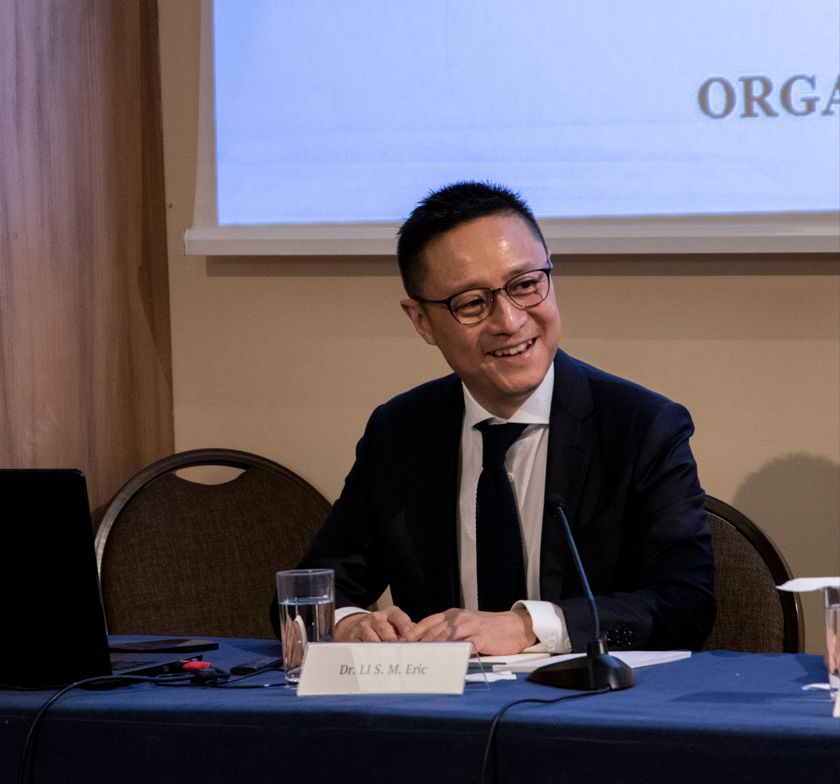
李世默致辭
以下為致辭全文:
我是一個商人;我將嘗試用一個商人的視角,在我們所處的全球大背景下,談談我對 “一帶一路”的一些觀察。
顯然,當下世界前程艱難。在過去30年這一短暫的時間段,世界似乎越來越聯通。貿易等各式各樣的互聯互通在增大,帶來了巨大的好處,特別是對美國和整個西方,以及中國。
但這30年期間造成了兩個問題,都在這一時代結束時浮現了出來。一個問題是,在美國和整個西方世界中,社會不平等現象大幅增加,撕裂了社會。全球化所有的益處,特別是在美國,都流向了最富有的人。
數據顯示:自中國在2000年左右加入世貿組織以來,中國的GDP增加了10倍多。同時,美國的GDP從更高的基數上增加了一倍多,雙方GDP絕對增幅是相當的。直截了當地説,中國和美國從全球化進程中賺取了同樣數額的收益。
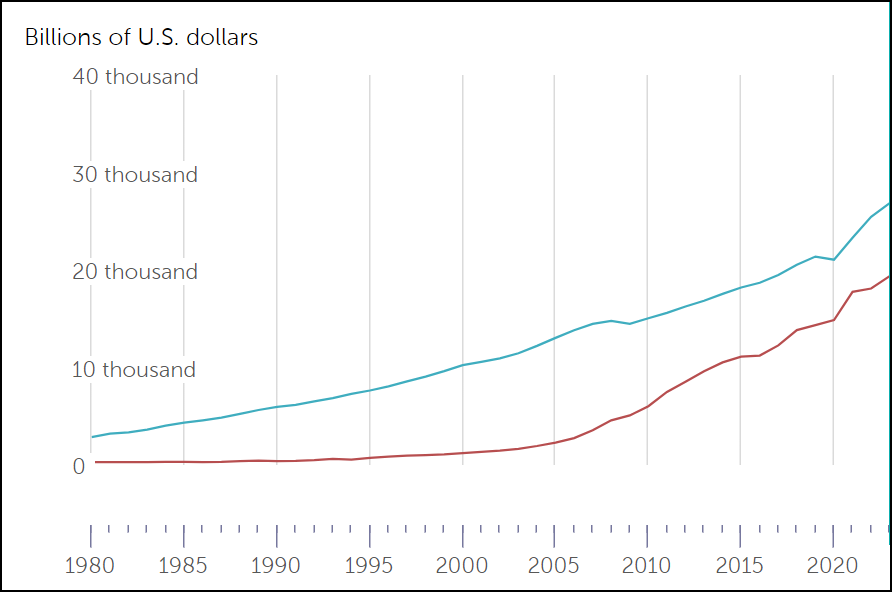
美國(藍)與中國(紅)近年GDP增長走勢(圖源:IMF)
但是,中國的中位數收入在此期間增加了9倍,而美國的中位數收入卻停滯不前,甚至下降了。這些錢都去哪了?收益不均勻在美國造成了巨大的不平等現象。
第二個問題是,全球南方的大部分地區落後了,沒有太多獲得全球化的利益,中國是一個例外。總的來看,全球南方的非洲、拉丁美洲、甚至東南亞都相對落後了,沒有從全球化中明顯受益。
因此,當下世界上最強大的力量是去全球化,這是事實。而戰爭是去全球化最極端的後果。
去全球化有很多花哨的名字:脱鈎、去風險,但本質上是類似的。去全球化就是要減少各國之間的聯繫。一位美國高級官員曾説,美國想建立“小院高牆”。他説的“小院”,是指技術等東西。但自此,這個“小院”已經擴大了。
而“高牆”的豎立也正在發生。我們此前談到了歐盟關於外國投資的要求。
在教育方面,希臘有很大的機遇:中國學生每年在美國大學花費150億美元,在英國花費25億英鎊。如果我們加上澳大利亞和一些其他國家,這是一個總值200億美元的產業。中國的年輕人對世界充滿着無限的好奇心,想要去國外學習。但據傳言,他們在美國不再那麼受歡迎了,在英國似乎也是如此,面臨一些困難。在過去的幾年裏,留學人數已經呈現下降趨勢了。因此,希臘哪怕只分到這個大蛋糕的一小部分,這也是個相當大的機遇。但即使在教育領域,也有“高牆”的出現。
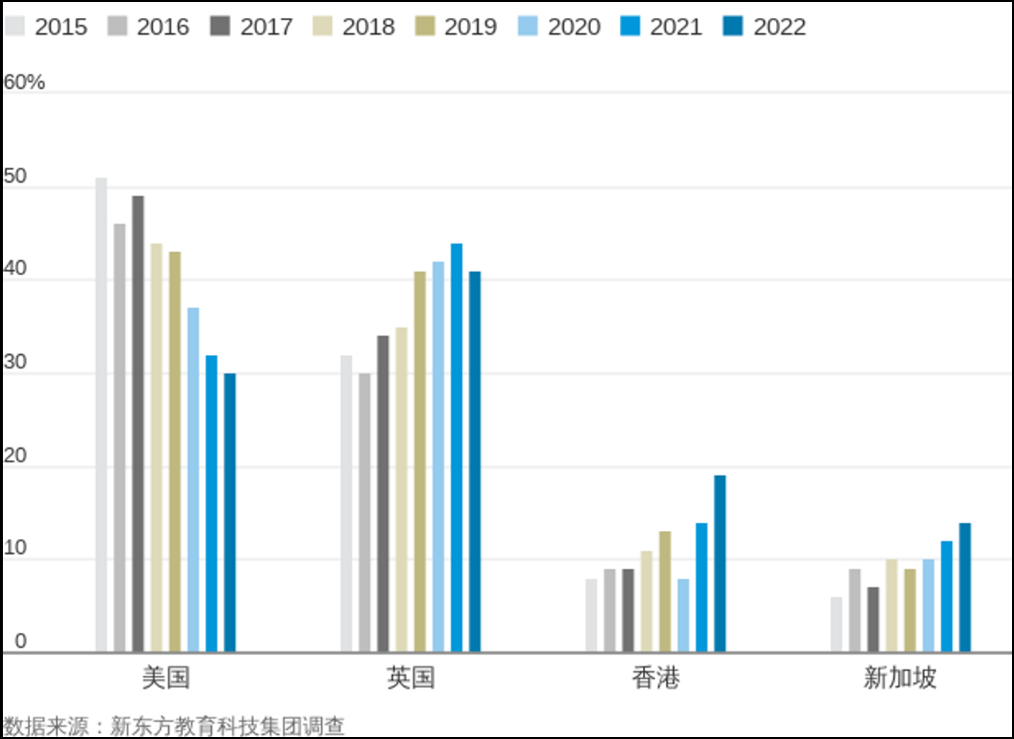
中國學生期望的留學目的地,美國佔比顯著下降(圖源:WSJ)
去全球化進程充滿風險。一個風險是減少發展機會,這將帶來經濟和社會後果,尤其是對全球南方來説,他們此前就沒有經歷顯著的發展,未來仍需更多發展。對希臘來説也是如此,希臘需要更多的發展,因為希臘有很多經濟問題,它處於西方核心地區的外圍。
第二個風險是,許多全球問題現在被忽略了。氣候變化、核擴散等問題都需要世界共同合作解決,去全球化對此不利。
第三個風險是安全問題。國與國之間的競爭將導致安全形勢惡化,可能導致威脅乃至軍事衝突。
在此(去全球化)背景下,我認為“一帶一路”倡議很重要。“一帶一路”始於10年前的一個宏大設想,但背後的邏輯相當簡單,那就是全球南方需要投資,而中國有錢,也希望擴張貿易並增加互聯互通,因此中國要用資金去幫助全球南方建設增加貿易、增加經濟互聯互通所需要的基礎設施。
此前有位學者用地緣政治的術語,稱“一帶一路”是一個“大戰略”。這其中或許確有此意,鼓勵歐亞大陸的互聯互通來增補海洋上的互聯互通。無論它是“大戰略”還是“小戰略”,它仍是旨在增進互聯互通的。
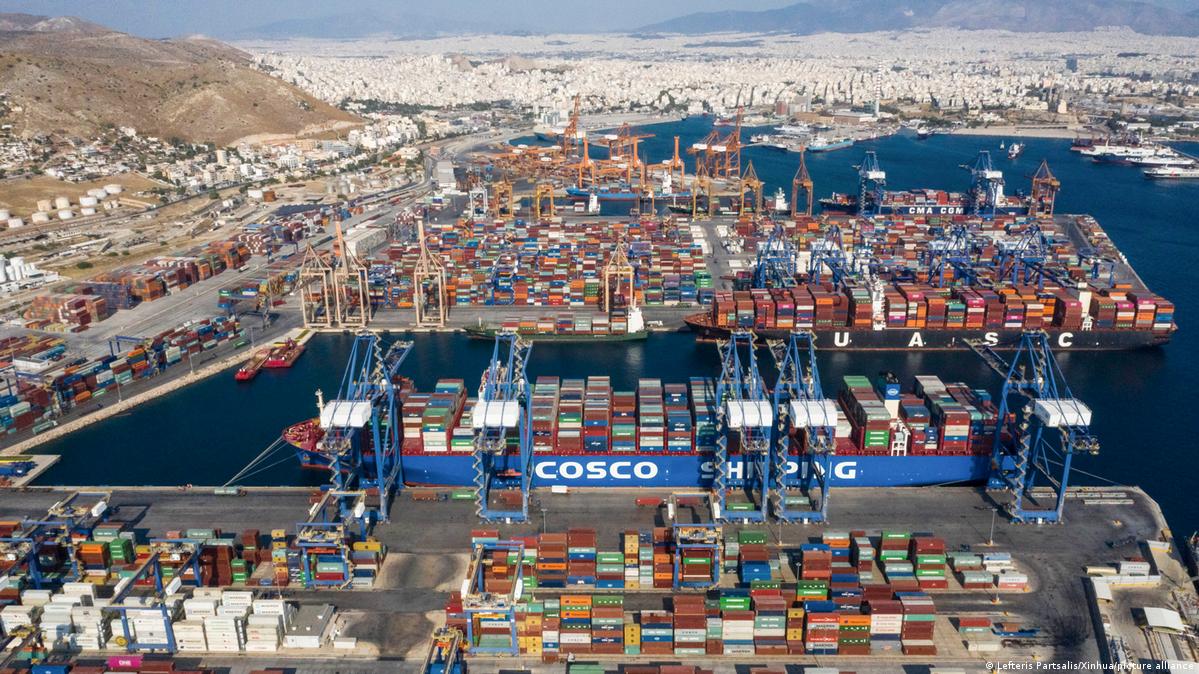
希臘比雷埃夫斯港(資料圖)
“一帶一路”已迎來第十週年了,已經在很多方面變得必不可少了。它是去全球化世界中的一股全球化力量,或許是唯一留存世間推動着全球持續互聯互通的“重量級”勢力,其他勢力都在試圖將世界分裂成不同的板塊。如果我們想要成就一個更好的世界,我們就必須維護和擴大互聯互通。
在去全球化過程中,我認為“一帶一路”也變得愈發珍貴。我知道這是一個巨大的項目。在過去的10年裏,1萬億美元已被投資於數千、數萬個項目。這其中必然會出現問題。我們不能奢望一個如此巨大的項目徹底完美,如果因個別問題就否定整個項目,我認為是完全站不住腳的,不能“因噎廢食”。
世界上許多推動去全球化的人和勢力都把“一帶一路”稱為地緣政治威脅,但我反而會告訴他們,去全球化也許才是世界上最大的地緣政治威脅,而不是“一帶一路”。
我在中國的互聯網上也聽到一些反對的輿論聲音,説“我們為什麼要花1萬億美元?國內需要這些錢”。有趣的是,西方媒體炒作中國提供“不良貸款”,一些國內網友則説,“不良貸款?這應該是我們抱怨的情況吧,而不是你們!”我們借出了錢,沒能要回來,抱怨的卻是他們(西方媒體)。我在自己的媒體公司觀察者網上也聽到這樣的聲音。
作為全球化遺存的“主力”,“一帶一路”未來也具有重大意義,可能預示着一種新的全球化。舊版全球化確實在消退,我們正處於一個去全球化的世界。而“一帶一路”,除了維持全球化,或許還能作為催化劑,基於新的哲學、原則與想法的基礎上培育出一種新的全球化。
這種新的全球化必須更多容納被遺棄的全球南方。全球南方是一個高度多樣化、多元化的世界。它很大:在地圖上,除了美國、西歐、澳大利亞,也許包括日本,世界其他地方都是全球南方。我之前在阿聯酋的迪拜,每一面牆都是用黃金打造的,他們非常富有,但這就是全球南方, 我還到了沙特阿拉伯。我也去過非洲最貧窮的國家,它們也是全球南方。全球南方是多樣化和多元化的,有不同的宗教、文化和經濟國情。
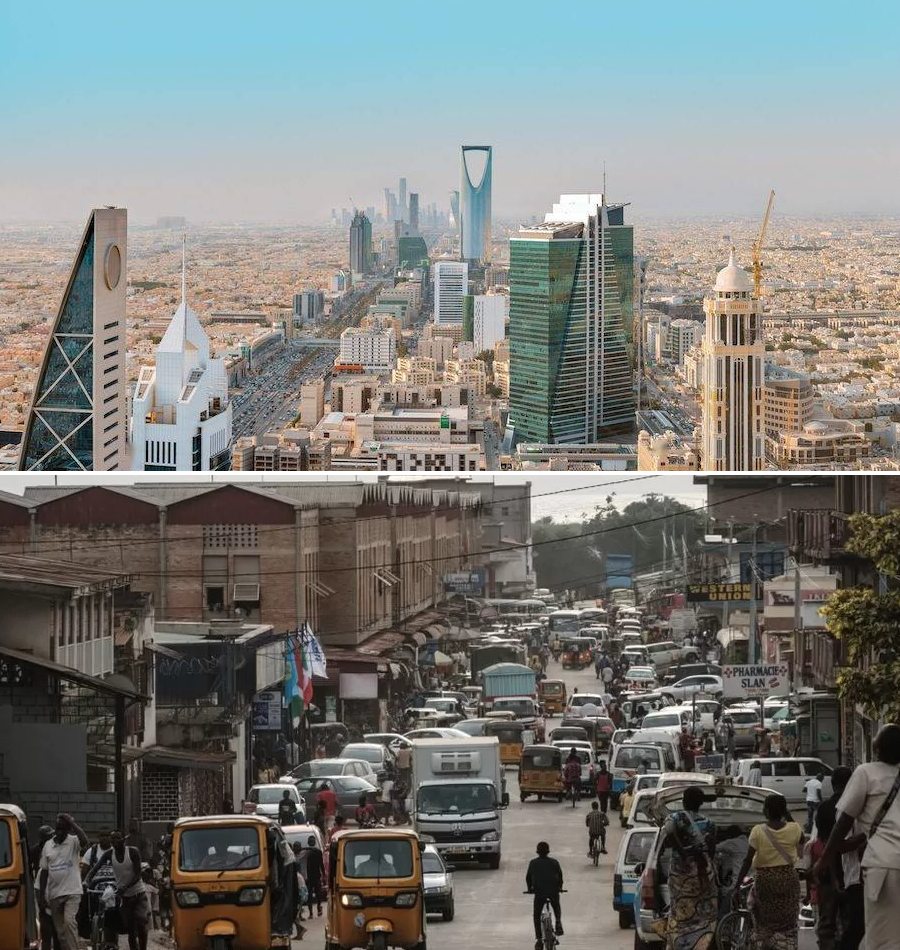
沙特阿拉伯(上)與非洲最窮的國家布隆迪(下)
上一次全球化基於單一的標準,即華盛頓共識,將其強加於全世界。這可能是它沒能成功的原因之一。“一帶一路”所凸顯的是,中國的方式有些不一樣,不向夥伴國家強加自己的觀點,讓參與的人民和國家尋找自己的道路。很多美國人反對這一點,但這就是“一帶一路”的主要宗旨之一。
希臘哲學被稱為西方哲學之母,它的特點是公理主義,即首先提出了原則,然後強行讓現實符合大腦想象出的抽象原則。中國的文化則更為演繹主義。我們沒有公理,我們接受世界現有面貌,以此為基礎採取務實的努力。這也是孔子所提倡的理念。“一帶一路”背後就是這樣的哲學基礎。我們希望希臘這樣有深厚的文明根源、在文化上和宗教上不處於西方核心地區的國家,可以成為嘗試(新的全球化)的沃土。
以下為英文原文:
I’m a businessman; I will try to use a businessman’s perspective and talk about some of my observations about Belt and Road in a larger context of the world we’re in.
I think it’s obvious that the world is on a difficult path. For a brief moment in the past 30 years, the world seemed to be coming together. Trade was increasing, interconnectedness was increasing in all forms, and it brought tremendous benefits, especially for the United States, the West in general, and China.
But these 30 years created two problems that came about at the end that era. One is, in the US and the Western world at large, there was a big increase in inequality in their societies, which tore apart the social fabric. All the benefits, specifically in the US, went to the very top.
I’d like to use these numbers: since China joined the WTO about 2000, China’s GDP increased more than tenfold. Meanwhile, the US GDP more than doubled from a much higher base, so the absolute increase was comparable. To put it bluntly, China and the US made similar amounts of money out of this process of globalization.
But China’s median income increased ninefold, while at the same time, American median income stagnated and even declined. Where has all the money gone? It created tremendous inequality in the US.
The second problem was that much of the Global South lagged behind, didn’t get to participate much. China was an exception. As you look at the Global South in general, Africa, Latin America, even Southeast Asia, lagged behind and did not get too much money from globalization.
As a result, today, the most significant force in the world is deglobalization, it’s a fact. And war is the most extreme result of this situation.
There are many fancy names to it: decouple, de-risk, but in essence similar forces. Deglobalization is about reducing interconnectedness. A high-level American official said, in the US, they want to build high walls around a small yard. By small yard, he meant technology and things like that. But since he’s spoken, the small yard has expanded.
That’s a phenomena that is happening, walls are being erected. We talked about the EU requirements about foreign investments. In education, Greece has a great opportunity: Chinese students spend $15 billion a year in American universities, 2.5 billion pounds in the UK. If we add Australia and some other countries, together it’s a $20 billion industry. Chinese young people have this insatiable curiosity about the world, they just go aboard to study. But there are rumors they’re not so welcome anymore in America and maybe in the UK, there are some difficulties. In the last couple of years, we’ve seen a decline. So, if Greece could get just a small percentage of this big pie, this is a pretty big opportunity. But even in education, we’re seeing walls being erected.
There are a lot of dangers in the deglobalization process. One is, of course, reducing development opportunities, the lack of development. And that carries with it economic and social consequences, especially for the Global South, which didn’t participate too much and needs more development. For Greece too, Greece needs more development, as Greece had a lot of economic issues, it’s at the peripheral of the Western core.
The second danger is that so many global issues are now being neglected. Climate change, nuclear proliferation, all these require the world coming together and working together. Deglobalization hurts that.
Thirdly, there are security issues. Rivalry leads to security deterioration, leads to threats and even military conflict.
In that context, I think Belt and Road initiative is important. BRI started 10 years ago as a big idea, but with pretty simple reasoning, which is the Global South needed investments, China had the money and China needed trade and to increase interconnectedness, so China was going to use the largess to go and help the Global South build the infrastructure that’s required to increase trade, increase economic interconnectedness.
This morning, a scholar put it in geopolitical terms, a grand strategy. There may be some sense of that too, continental interconnectedness as opposed to maritime interconnectedness. Regardless of whether it is a grand strategy or a “small strategy”, it is still all about increasing interconnectedness.
It’s been 10 years now (since the launch of BRI). Today, it has become an imperative in multiple dimensions: it’s the one globalizing force in a deglobalizing world, it’s maybe the only remaining significant force left that’s pushing for continued interconnectedness. All the other forces are pushing us into separate worlds. We must seek to preserve and expand interconnectedness if we want a better world.
In the deglobalizing world, BRI is something I think has now become precious. I know it’s an immense project. $1 Trillion have been invested in thousands of projects, tens of thousands of projects over last 10 years. There are bound to have problems. You can’t expect a project with this immensity without problems. But to say that these problems are somehow delegitimizing a project like this, I think that’s invalid.
Many de-globalizers in the world, deglobalizing forces in the world, are calling BRI a geopolitical threat. But I would put it to them that de-globalization is perhaps the biggest geopolitical threat to the world. Not BRI.
I hear voices in China too, there’s Chinese public opinion that’s against it, saying “why are we spending $1 trillion? We need the money at home”. We get that on the internet. The funny thing is, you read the Western media, they’re talking about China providing bad loans, and the Chinese are saying, “bad loans? We should be complaining, not them!” We’re giving the money, we’re not getting it back and they (Western media) are complaining? I hear those voices on Guancha, my own media company.
The BRI also carries significant meaning going forward, being the one remaining major force for globalization. It may signal a new kind of globalization, because as the old version globalization recedes, and it is receding, as we know we’re in a deglobalizing world. BRI, perhaps more than keeping globalization alive, could even serve as a catalyst for nurturing a new kind of globalization based on new philosophies, new principles, new ideas.
This new globalization must involve heavily the Global South, which was left behind. The Global South is a highly diverse, pluralistic world. It’s huge: if you look at the map, except for America, Western Europe, Australia, maybe Japan, the rest of world is Global South. I was in Dubai, UAE. It is massive: every wall is built with gold, they’re extremely wealthy. That’s Global South. I was in Saudi Arabia. and I was in the poorest countries in Africa. That’s also Global South. The Global South is diverse and pluralistic, with many religions, many cultures, many economic circumstances.
The last globalization was based on a single standard, the Washington Consensus, being imposed on to the rest of the world. That’s probably one of the reasons why it didn’t work out. Using BRI as an example, I think China has an approach that’s a little different, has an approach that doesn’t impose its views on its partners, and let the people and countries that participate to pursue their own paths. A lot of Americans complain about that, but that’s the point exactly.
If you think about Greek philosophy, which is called the mother of Western philosophical learnings, it is axiomatic. They come up with principles first, and then you make reality adhere to your abstract principles that you gave birth to in your brain. The Chinese culture is much more deductionist. We don’t have axioms, we take the world as it is, and be pragmatic and work with it. That’s what Confucius was about. BRI has that philosophy behind it, and we should hope that with a country like Greece, which has deep civilizational roots, a country is culturally and maybe religiously, not at the center of the Western core, could be fertile ground for this kind of experiment.
本文系觀察者網獨家稿件,文章內容純屬作者個人觀點,不代表平台觀點,未經授權,不得轉載,否則將追究法律責任。關注觀察者網微信guanchacn,每日閲讀趣味文章。
