【社會】日本以什麼聞名?_風聞
龙腾网-3小时前
【來源龍騰網】
評論原創翻譯:
Scooter Campbell
Why is Japanese so popular?
It’s a toss up between the popularity of Japanese media, the myth of Japan being a technologically advanced country, and the prence of Japan in certain cultural circles (like religion and sports).
Anime, manga, film, and video games continue to be strong, and there is a (albeit misguided) idea that if you learn Japanese, you can enjoy this media without needing a translation. To be fair, I was one of those people too, but the reality is that Japanese is extremely difficult to learn and master, and that it can take a decade of practice before you can approach even a simple scxt.
Many people also think that Japan is a highly advanced country and want to learn Japanese so they can work there. However, the reality is that Japan lags decades behind the rest of the developed world with regards to the IT sector, and I have read countless comments that suggest coming to Japan to work in IT is a good way to end your career.
為什麼日語如此受歡迎?
這可能是由於日本媒體的受歡迎程度、日本作為一個技術先進國家的神話,以及日本在某些文化圈(如宗教和體育)中的普遍存在所導致的。
日本的動漫、漫畫、電影和電子遊戲(影響力)仍然很強大,有一種(儘管是錯誤的)觀點認為,如果你學會了日語,你就可以在不需要翻譯的情況下享受這些媒體。公平地説,我也是這樣的人之一,但現實是,日語是非常難以學習和掌握的,即使是一個簡單的講稿,也可能需要10年的練習。
許多人也認為日本是一個高度發達的國家,想要學習日語,這樣他們就可以在那裏工作。然而,現實情況是,日本在IT領域落後於其他發達國家幾十年,我讀過無數評論,建議來日本從事IT工作是結束職業生涯的好方法。
Last, you have academia and culture. For the most part, a lot of what we know in the west about mainstream Buddhism comes from Japanese transmissions of Chinese schools and works (with South Asian and Indian schools being largely unknown in the west), so pursuing an academic career in Religious Studies usually comes with Japanese attached. A number of other cultural areas of academia are the same. Outside of academia, a good number of martial arts (less so now) come from Japan, and so there is an idea that higher mastery and appreciation can be supported by linguistic skill. Additionally, baseball is nova hot in Japan, and those hoping to play in Japan (who number more than you’d think) usually need Japanese to do so.
最後,你們在學術和文化領域擁有影響力。在大多數情況下,在西方的我們對主流佛教的瞭解來自日本對中國學校和作品的傳播(南亞和印度的學校在西方基本上是未知的),(在西方,南亞和印度的學校基本上不為人所知),因此,追求宗教研究的學術生涯通常與日語有關。學術界的許多其他文化領域也是如此。在學術界之外,很多武術(現在少了)來自日本,因此,有一種觀點認為,語言技能可以支持你變得更精通和更具鑑賞能力。此外,在日本,棒球是非常熱門的運動,那些希望在日本踢球的人(人數比你想象的要多)通常需要日語才能做到這一點。
Peter Fuchs
My take on this simple yet intriguing question:
Gun-free Japan. Patrick notes how Ieyasu abolished the manufacture and use of guns, practically the only society in history to ban a lethal weapon. (The wonderful book on the topic is Giving up the Gun by the late Prof. Noel Perrin). BUT Japan accomplished this feat TWICE - since 1945, for all practical purpose, guns are banned in Japan (a few hunting and sports guns aside). We live without fear of drive-by and high-school shootings.
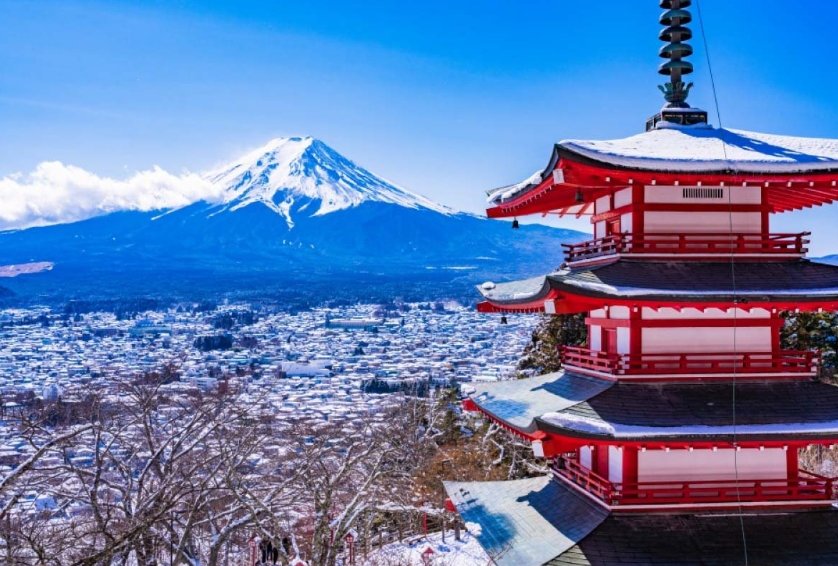
Mt. Fuji, “geisha,” sakura: The durability of Japan’s clichéd cultural icons is remarkable - other countries have volcanos, traditional garb and flower-filled parks, but none quite like these.
Cameras: It is also remarkable that Japan should dominate the world’s photographic market via its many global brands, notably Nikon and Canon, that every 4 years have an Olympics of their own - to see which is the most favored by the professional cameramen (and women). Sure, Steve Jobs made sure his iPhone would put a huge dent in their profits, but most of the image sensors are still made by Sony.
關於這個簡單而有趣的問題,我的看法是:
禁止槍械進入日本。帕特里克注意到家康廢除了槍支的製造和使用,這實際上是歷史上唯一一個禁止致命武器的社會。(關於這個話題的一本好書是已故的諾埃爾·佩蘭教授寫的《放棄槍支》)。但自1945年以來,日本兩次實現了這一壯舉,出於實際目的,日本禁止槍支(除了少數狩獵和運動槍支)。我們的生活沒有飛車射擊和高中槍擊案的恐懼。
富士山、“藝伎”、櫻花:日本的傳統文化標誌經久不衰——其他國家也有火山、傳統服飾和鮮花盛開的公園,但沒有一個比得上日本。
相機:同樣值得注意的是,日本應該通過其眾多全球品牌主導世界攝影市場,尤其是尼康和佳能,每四年舉辦一次自己的奧運會——看看哪一個最受專業攝影師(和女性)的青睞。當然,史蒂夫·喬布斯確保他的iPhone會給他們的利潤帶來巨大影響,但大多數圖像傳感器仍然是索尼製造的。
Motorcycles: It is incredible that Japan has 4 global motorcycle brands (Honda, Yamaha, Suzuki and Kawasaki) that routinely compete at the highest levels of track and dirt competition. More incredible yet is the impact of the Honda 50cc scooters and bikes on providing mobility and hence economic empowerment across SE Asia.
“Umami” - the taste sensation that chefs and gourmets around the world now recognize as part of the “magic” of Japanese cuisine, in all its many varieties. One readily available source is the ubiquitous bottle of Kikkoman soy sauce, the “universal seasoning,” according to writer David Russell.
Anime: While Disney pioneered the production of “animated films” such as the classic Fantasia and much later saw the strategic value of buying the Pixar (think Toy Story) business from Steve Jobs, Japanese visual arts gave rise to a distinctive genre known as “anime” that draws on the style and imagery of Edo-era wood-block prints (often bound into books called “manga” ie. cartoon books), featuring ghosts, warriors, romantic lovers.
摩托車:令人難以置信的是,日本有四個全球摩托車品牌(本田、雅馬哈、鈴木和川崎),經常參加最高水平的賽道和越野車競賽。這令人難以置信——更令人難以置信的是,本田50cc摩托車和自行車提供了機動性,從而在整個東南亞地區賦予經濟方面的影響。
“鮮味”——世界各地的廚師和美食家現在認識到這是日本料理(以及許多變體)“魔力”的一部分。一個容易獲得的來源是無處不在的萬字醬油,根據作家大衞·拉塞爾的説法,這是“萬能調味品”。
動漫:雖然迪士尼開創了“動畫電影”的生產,如經典的《幻想曲》,並且在後來從史蒂夫·喬布斯手中購買皮克斯(想想《玩具總動員》)業務時看到了戰略價值,但日本視覺藝術產生了一種獨特的流派,稱為“動漫”,它借鑑了江户時代木版版畫的風格和形象(通常被裝訂成漫畫,卡通書),以鬼魂、戰士、浪漫戀人為主題。
Samurai: 武士道, the way of the warrior, is a stunning and inextricable element of Japanese culture, its influence lingers everywhere, from fine castles to sublime sushi knives, the “wabi-sabi” elegance of courtier fashion and design, in the martial arts, even the mindset of Japan’s talented athletes from the swimming pool to the wrestling gym.
原創翻譯:龍騰網 https://www.ltaaa.cn 轉載請註明出處
Kyoto: Spared bombing in the War, this ancient capital has modernized and reassembled itself to make room for cars, office buildings and broad thoroughfares, but it retains its elusive, subtly eroticized, behind-the-curtains allure, along with its magnificent temple architecture. It now struggles with the tsunami of inbound visitors and selfie sticks, but will manage that as it has for the past 1,000 years - on its own terms.
Wasabi, pickled ginger, soy sauce and RAW FISH. Blessed by proximity to the powerful Kuroshio ocean current (and far-flung networks of fishing fleets), Japan has evolved an incredible sea-food cuisine. If it lives in the water, it is edible - as any visit to the about to vanish Tsukiji Fish Market will reveal. (Whale-meat is fading from menus, but was served in public schools after the war as a valuable source of protein. Is our western slaughter of cows and pigs for burgers and wieners all that more “ethical” - perhaps not.)
武士,武士道是日本文化的一個令人驚歎且不可分割的元素,它的影響無處不在,從精美的宅邸到精美的壽司刀,“侘寂”的宮廷時尚和設計,在武術,甚至是日本有才華的運動員(從游泳池到摔跤館)的心態。
京都,在戰爭中倖免於轟炸,這座古都在二戰中倖免於轟炸,經過現代化改造,重新組裝,為汽車、辦公樓和寬闊的大道騰出空間,但它仍保留着難以捉摸的、微妙的色情色彩和幕後的魅力,以及宏偉的寺廟建築。現在,它正在努力應對入境遊客和自拍杆的浪潮,但它將像過去1000年一樣,用自己的方式來應對。
芥末、醃姜、醬油和生魚片,得益於靠近強大的黑潮洋流(分佈廣泛的捕魚船隊網絡),日本發展出了令人難以置信的海鮮美食。如果它生活在水裏,它是可以食用的——任何去參觀即將消失的築地魚市的人都會發現這一點。(鯨魚肉正在從菜單上消失,但戰後在學校作為寶貴的蛋白質來源供應。難道我們西方人為了漢堡和香腸而屠殺牛和豬就更“道德”了嗎?——也許不是。)
Tobu Guru
Great Question!
Japan Is famous for their amazing history, Mt Fuji, unrivaled technology and Samurais. Many of those seem to have been touched on already, but current day Japan is becoming famous for many other things as well like Anime, Sushi, Sumo and Cherry Blossoms. I actually wrote an article about it here.
好問題!
日本以其驚人的歷史、富士山、無與倫比的技術和武士而聞名。其中許多似乎已經被提及,但如今日本也因許多其他事物而聞名,比如動漫、壽司、相撲和櫻花。我在這裏寫了一篇關於它的文章。
Anime
Japan is responsible for creating anime with the earliest film dating back to 1917. However, anime didn’t become mainstream in Japan until the 1980’s but it quickly rose in popularity due to shows like Dragon Ball, and Gundam. Now its estimated at least over 1 billion people watch anime. As someone who has traveled all over Japan I can tell you that Anime is HUGE there!… look into Akihabara, the anime influence there is crazy.
動漫
日本是動漫的發源地,最早的(動漫)電影可以追溯到1917年。然而,直到20世紀80年代,動漫才在日本成為主流,但由於《七龍珠》和《高達》等節目,動漫迅速流行起來。現在估計至少有超過10億人觀看動漫。作為一個去過日本各地的人,我可以告訴你。動漫在那裏很受歡迎!……可以看看秋葉原,那裏的動漫影響力是狂熱的。
Sumo
Sumo is full contact wrestling in which two competitors attempt to force each other out of a ring… but you probably already knew that.Sumo originated about 2,000 years ago. Like most bouts of physical fitness it was used as entertainment for the elite. Sumo has fluctuated in popularity over the years, but it remains a staple of Japanese culture and for that reason it is one of the many things that Japan is famous for.
Sushi
The people of Southeast Asia originally created sushi in order to preserve fish for long periods of time. However, the Japanese people are responsible for transforming the original process, refining it into the food that we know today. Sushi is savory, delicious and very convenient to eat. For those reasons sushi has spread across the world like wildfire over the past 40 years.
相撲
相撲是一種全接觸摔跤,兩名選手試圖將對方推出圈子……但你可能已經知道了,相撲起源於大約2000年前。和大多數體育健身比賽一樣,它被用作精英們的娛樂。多年來,相撲的受歡迎程度有所波動,但它仍然是日本文化的重要組成部分,因此它是日本著名的眾多項目之一。
壽司
東南亞人最初發明壽司是為了長時間保存魚類。然而,日本人負責改變原始的過程,將其提煉成我們今天所知道的食物。壽司很美味,吃起來也很方便。由於這些原因,壽司在過去的40年裏像野火一樣傳遍了世界。