南非,站在歷史的十字路口_風聞
北京对话-北京对话官方账号-3分钟前
提要: 《南華早報》昨日刊登北京對話助理研究員李澤西的評論《後“非國大”時代,南非彩虹猶在否?》(With ANC’s fall, divisive politics is darkening South Africa’s rainbow),強調種族羣體在政治鬥爭中的分化,並呼籲關注這一現象對南非民主制度的長遠影響。
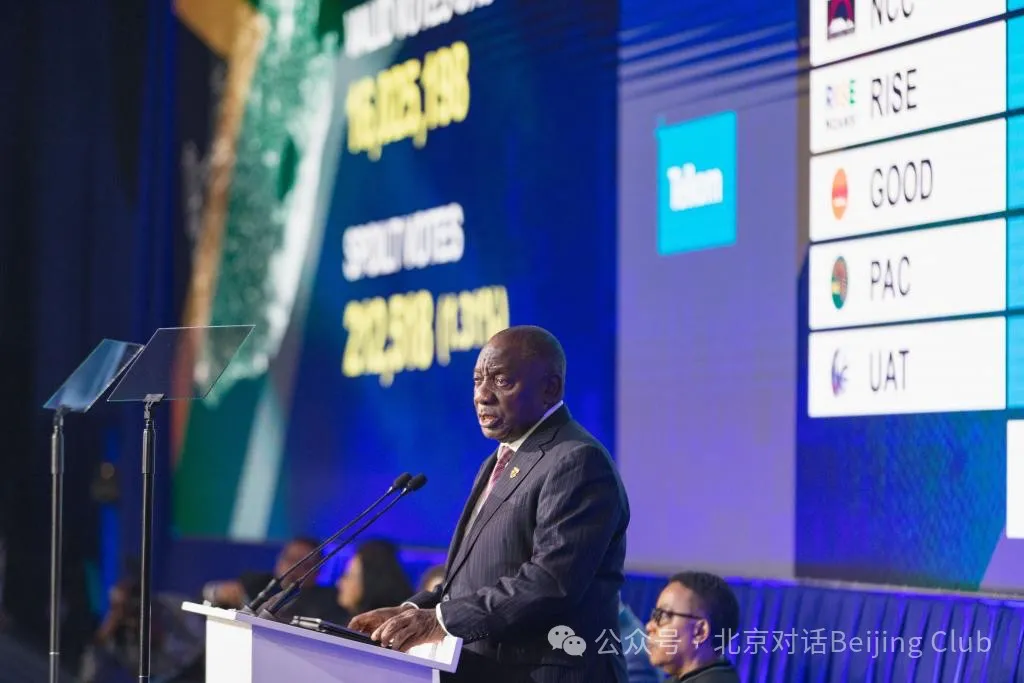
6月2日,在南非米德蘭的大選計票中心,南非總統拉馬福薩在記者會上發言。圖源:新華社
種族隔離時代結束30年後,曼德拉的政治傳人遭到了一記迎頭重錘。他曾領導的“非國大”在南非大選中僅贏得了40%的選票,較該黨2019年的“歷史最低”57.5%得票率進一步崩潰。
非國大失去的一個重要羣體是年輕人的支持。據AtlasIntel選舉前夕公佈的民調,非國大仍得到超過一半的60歲以上受訪者的支持,但只得到16-24歲年齡段羣體的27%支持(16-18歲的人可以登記為選民,但還不能投票)。
非國大議員尤努斯·卡里姆(Yunus Carrim)認為,年輕一代“沒有經歷過鬥爭年代,所以他們對非國大沒有忠誠感,這是可以理解的”。
拋開“鬥爭”因素,年輕選民的政治意向變化對於許多政黨來説再熟悉不過了,包括西方政黨。去年波蘭大選的票站調查顯示,年長選民仍普遍支持建制黨派,但年輕女性越來越青睞極左政黨,而年輕男性則愈發傾向極右乃至公開貶低女性的政黨。
以色列與哈馬斯的戰爭進一步激化了年輕人,美國的多所高校出現了支持巴勒斯坦和支持以色列的抗議者之間的對抗。隨着11月美國總統選舉即將到來,年輕選民攥着手中的選票,在“要挾”拜登停止支持以色列。
實際上,年輕人對西方制度和社會現狀整體感到不滿,正在推動更激進的改革。
而南非的情況似乎略有不同:不滿情緒是普遍的,不侷限於任何羣體;我們不難理解這是為什麼。
除了“老生常談”的腐敗、“國家俘獲”、中等收入陷阱等問題之外,南非近年還出現了食品價格上漲、失業率極高以及頻繁的停電等問題。許多國家現任政府的支持率在後新冠時代都遭到了重創,非國大似乎並不例外。
該國最大的反對黨“民主聯盟”(DA)遭到了後起之秀“愛國聯盟”(PA)的挑戰後,支持率也有所下降。“民主聯盟”以“不分種族”政黨自居,但遭到“愛國聯盟”指責,稱其長期忽視“有色人”的羣體利益,卻又一直假設得到“有色人”的支持是理所當然的(南非種族隔離時代分出“白人”、“黑人”、“有色人”和“印度人”羣體)。
其他國家也正在出現類似的故事:美國民主黨正因拉丁裔和黑人選民可能大規模拋棄自己而感到焦頭爛額。
非國大失敗的另一個主要原因是雅各布·祖馬(Jacob Zuma)的突然政治復出,他的新政黨“民族之矛”(MK)贏得了14.6%的選票。許多人懷疑,這位正在面臨貪腐指控的前總統重返政壇的目的是想將法庭上的爭辯變成政治舞台上的博弈。
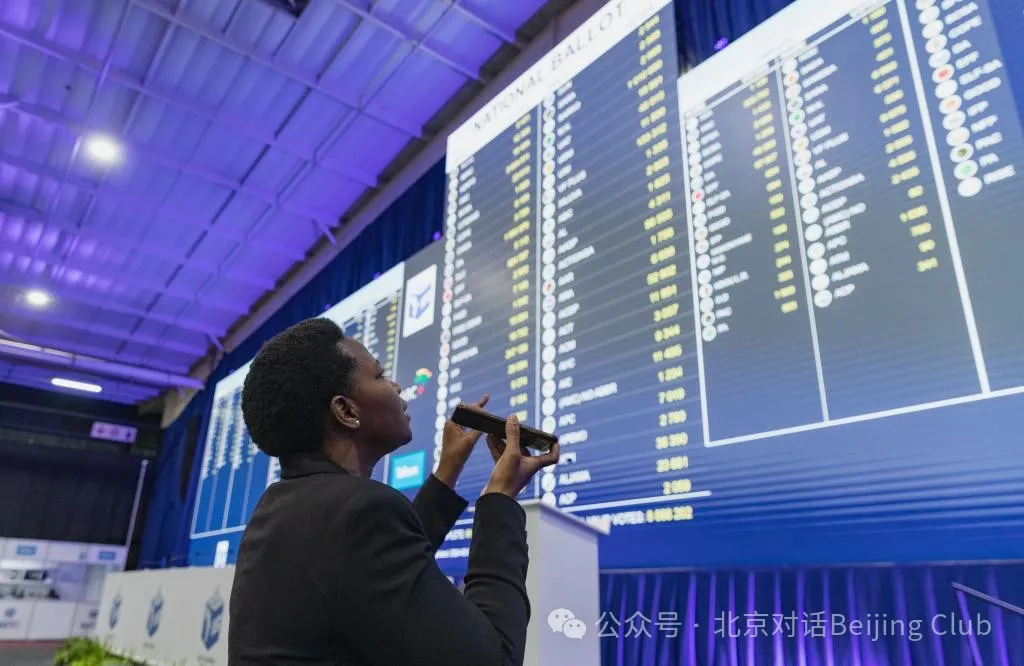
5月31日,工作人員在南非米德蘭的大選計票中心內觀看電子顯示牌實時公佈的最新計票結果。圖源:新華社
他顯然讓人聯想到特朗普,尤其因為當祖馬在2021年被拘押時,他的支持者發動了南非種族隔離結束以來最嚴重的騷亂。為了加強兩人的“相似度”,祖馬在選舉結束後也第一時間高呼“舞弊”。
儘管有許多不足,但非國大一直強調自己完成了一項艱鉅的任務,即領導一個分裂的國家走出種族隔離的陰影,建立一個團結、充滿活力的多種族民主國家。哪怕非國大在西方的批評者也不得不承認這一點。
遺憾的是,這一成果也似乎被動搖了,這次選舉的意義似乎就是透露出南非日益加劇的內部分裂。祖馬的“民族之矛”的崛起主要依靠祖魯人(南非最大的民族)的集中支持,而新成立的“愛國聯盟”則迅速將自己定位為“有色人”利益的平台。
鑑於南非充滿悲劇的歷史,這些情況令人極為不安。雖然南非“種族投票”現象仍在顯現過程中,但不同族羣分別投“各自”的黨派,意味着每場政治鬥爭實際上都變成了種族羣體之間的鬥爭,這對任何民主國家來説都是巨大的危險。未來可能還會有更多像祖馬這樣不擇手段的政客利用和擴大分歧來謀取私利。
如果這樣的趨勢不得到扭轉,可能發生的悲慘結局歷歷在目。黎巴嫩的“宗教投票”導致了數十年的內亂和社會崩潰,而波斯尼亞的國家統一再次受到了塞爾維亞分離主義的威脅。當然,也有相反的例子,比如加拿大法語區和英語區之間最終實現了相對和睦,這似乎歸功於經濟的繁榮和妥協的意願。
在南非,走向選舉的徹底“巴爾幹化”政治格局唯一所缺的重要環節就是更多迎合各大黑人族羣的政黨,特別是迎合科薩民族的政黨。
科薩人是僅次於祖魯人的南非第二大民族,他們長期是非國大的政治根基,曼德拉等許多非國大元老都是科薩人,因此“科薩民族主義政黨”尚不存在。但隨着非國大未來疲於四處“救火”,從而忽視科薩族關心的問題,這也可能存在變數。
不論如何,非國大一直都有跨黨派合作的傳統,主動為主要反對黨議員提供內閣席位。而大多數反對黨則不太一樣,它們經常強調拒絕與某些其他政黨合作。
南非曾被譽為“彩虹之國”,是種族和解的象徵;如果連南非都可能走上黎巴嫩甚至南斯拉夫的老路,這不僅對所有熱愛南非的人來説是災難性的,也會對多元、多種族民主國家可以成功的理想來説極為可怕。
英文原文:
Thirty years after apartheid, Nelson Mandela’s political heirs are in for a rude awakening. The African National Congress (ANC) he led won barely 40 per cent in South Africa’s general election, a veritable collapse in support after garnering just 57.5 per cent of votes in 2019, a record low then.
The ANC has mainly lost support among young people. An AtlasIntel poll just before the election showed the ANC had the support of over half of those surveyed who were over 60 years but just 27 per cent of those aged 16-24 (16-18 years old can register but not yet vote).
The younger generation “understandably didn’t go through the struggle era, so they don’t feel the loyalties to the ANC”, said ANC member of parliament Yunus Carrim.
The changing youth vote is a familiar headache for many political parties, including in the West. Ahead of Poland’s election last year, which unseated the Law and Justice (PiS) party after eight years, exit polls showed that while older voters supported establishment parties, young women increasingly favoured the far-left, while young men flirted with the far-right, even openly misogynistic parties.
The Israel-Hamas war has further radicalised young people, with elite college campuses in the United States erupting into confrontations between pro-Palestine and pro-Israel protesters. Ahead of the November presidential elections, Joe Biden is facing pressure to stop supporting Israel or face the wrath of young voters.
Opinion polls show that young people are broadly dissatisfied with Western institutions and society, and pushing for more radical changes.
In South Africa, opinion polls point to a slightly different picture: the discontent is general and unconfined to any demographic group. It’s not hard to see why.
Aside from older issues of corruption and “state capture” as well as the challenges of being stuck in the so-called middle-income trap, in recent years, South Africa has also seen rising food prices, extremely high unemployment and frequent rolling blackouts. The post-Covid hit to the popularity of most incumbent governments is likely to have affected the ANC too.
The country’s largest opposition party, Democratic Alliance, has also seen an erosion of local support after being challenged by the upstart Patriotic Alliance. The former, which prides itself on being a “non-racial” party, has been accused by the latter of taking its minority supporters for granted, in particular the community previously classified as “coloured” under the apartheid regime (as opposed to “whites”, “blacks” and “Indians”).
This has international parallels: the US Democratic Party is panicking over the possibility that Latino and black voters might abandon it en masse.
Another major reason for ANC’s defeat was the sudden political re-emergence of Jacob Zuma, whose new party, uMkhonto weSizwe (MK), won 14.6 per cent of the vote. Many suspect the return of the former president, who still faces corruption charges, is aimed at taking his fight for justice into the court of public opinion.
Comparisons with Donald Trump abound, not least because when Zuma was taken into custody in 2021, his supporters launched the worst riots South Africa had seen since apartheid.
For all its shortcomings, the ANC would say – and even critics from the West would agree – that it has managed the monumental task of leading a divided country out of the shadow of apartheid to form a united and dynamic multiracial democracy.
Sadly, this might no longer be the case. The real election story may be of growing divisions. The rise of Zuma’s party, MK, is based on concentrated support among the Zulus, the largest ethnic group in South Africa, while the upstart Patriotic Alliance is swiftly positioning itself as a platform for minority interests.
Given South Africa’s painful history, these are extremely troubling developments. While the trend of ethnic polarised voting in South Africa is still emerging, the sorting of demographic groups into parties means that each political battle also becomes a de facto fight between ethnic groups – a danger for any democracy. There might yet be more unscrupulous politicians like Zuma to exploit and enlarge divisions for personal gain.
We’ve seen where this could lead, if unchecked. Religious-political polarisation in Lebanon led to decades of civil strife and societal dysfunction, while Bosnia is once again threatened by Serbian separatism. There are counter examples, to be sure, such as the eventual amity between French and English-speaking Canadians, where the answer seems to lie in prosperity and a willingness to compromise.
In South Africa, the only major piece missing for a truly Balkanised political landscape is the formation of more parties catering to black ethnic groups, in particular a Xhosa nationalist party.
Xhosas, the second largest ethnic group after the Zulus, are the support base of the ANC, with Mandela and many ANC elders hailing from the grouping, so a Xhosa nationalist party doesn’t exist. But it’s entirely plausible that this could change as the ANC tries to put out political fires everywhere and fails to centre on Xhosa issues.
For all its faults, the ANC has always worked across the aisle, offering leading opposition MPs seats in the cabinet. The same cannot be said of most opposition parties, which emphasise their refusal to work with certain others.
If South Africa, the country once hailed as the “rainbow nation” and a symbol of racial reconciliation, finds itself going down the path of Lebanon and even Yugoslavia, it would not just be catastrophic to everyone who loves South Africa but also ominous for the idea of diverse, multiracial democracies.