為什麼化石交易對科學有益【考研英語經濟學人精選精讀】 外刊每日精選精讀_風聞
yang200000-喜欢评论时政。1小时前
編者按:由於我國不準化石交易。在貴州我發現很多農民將化石當普通石頭隨意破壞,扔在漫山遍野到處都是。甚至拿來修路、修屋基。我也跟當地政府有關領導聊過。為什麼不好好保護這些化石?他們説,貴州化石太多了,沒有錢去研究,保護!為什麼不開放化石買賣呢?讓民間資本參與到化石保護行列中來。為我們子孫後代、全人類積德!
Why trade in fossils is good for science
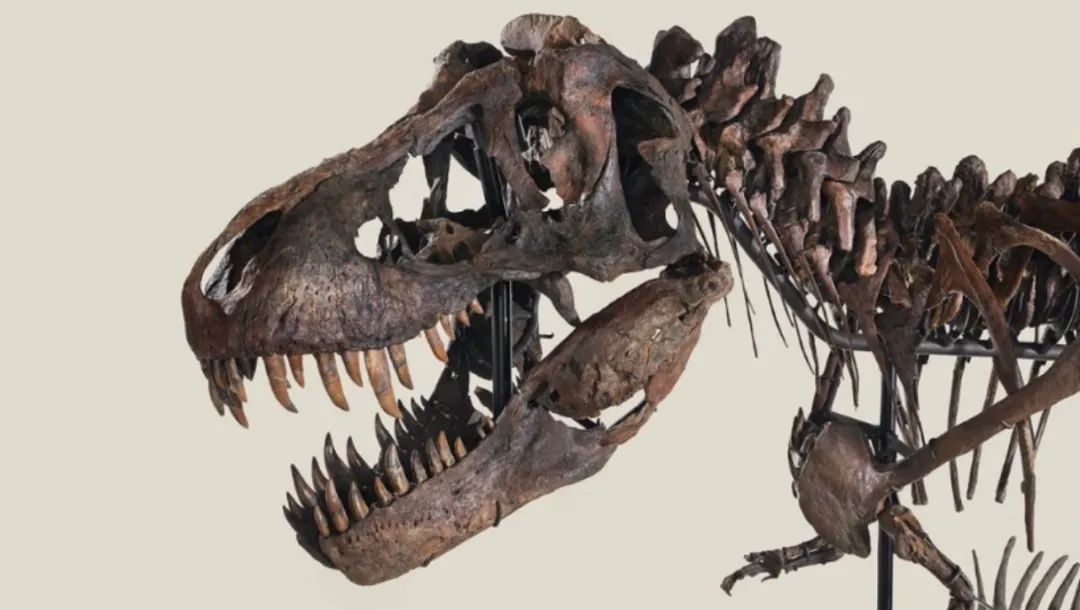
The great auction houses of America and Europe often sell masterpieces by long-dead artists to a grey-haired crowd. They also serve the booming demand for actual fossils. In 2020 Christie’s sold “Stan”—one of the most complete Tyrannosaurus rex specimens ever discovered—for a record-breaking $31.8m. In April “Trinity”, a composite of three T. rex specimens, fetched $6.1m at the Koller auction house in Zurich—one of six dino-lots to have breached the $6m threshold since “Stan” was sold. At the end of July Sotheby’s is due to auction off another nearly complete specimen.
美國和歐洲的大型拍賣行經常向年邁的人羣出售已故藝術家的傑作。它們也滿足了對實際化石的蓬勃需求。2020年,佳士得以創紀錄的3180萬美元的價格售出了“斯坦”——有史以來發現的最完整的暴龍王(Tyrannosaurus rex)標本之一。今年4月,在蘇黎世的科勒拍賣行,一個由三個暴龍王標本組合而成的“三一”標本以610萬美元的價格成交,這是自“斯坦”被售出以來第六個突破600萬美元門檻的恐龍標本。今年7月底,蘇富比將拍賣另一件幾乎完整的標本。
The buyers are typically rich collectors (Leonardo DiCaprio, a Hollywood actor, has an interest in dinosaur skulls). That alarms many palaeontologists, who fear that museums and other scientific institutions are being priced out of the market by individuals who will lock their collections away. Even when scientists are granted access to specimens held privately, many journals have in recent years refused in protest to publish the resulting research.
買家通常是富有的收藏家(好萊塢演員萊昂納多·迪卡普里奧對恐龍頭骨很感興趣)。這引起了許多古生物學家的擔憂,他們擔心博物館和其他科學機構因個人將他們的收藏品鎖起來而被市場定價淘汰。即使科學家獲准訪問私人收藏的標本,許多期刊在最近幾年出於抗議而拒絕發表相關研究。
The antagonism of these scientists towards commerce is misplaced. A thriving market for fossils should lead to more discoveries that—if the trade is appropriately regulated—will benefit science and the public.
這些科學家對商業的敵視是錯誤的。一個繁榮的化石市場應該能夠帶來更多的發現,如果交易得到適當監管,將使科學和公眾受益。
Palaeontology has always leaned heavily on prospectors and private collectors. Mary Anning, one of the field’s pioneers, attained celebrity status in Victorian England after she discovered the first fossil specimens of ichthyosaurs and plesiosaurs (marine contemporaries of the dinosaurs) erodingout of the fragile coastal cliffs of Dorset in south-west England, known as the “Jurassic coast”. The tongue-twister “She sells sea shells on the sea shore” is supposedly a reference to Anning’s prolific collection and sale of marine fossils.
古生物學一直在很大程度上依賴於探礦者和私人收藏家。瑪麗·安寧(Mary Anning)是這一領域的先驅之一,在維多利亞時代的英格蘭,她在英國西南部多塞特郡脆弱的海岸懸崖上發現了首批魚龍和古代蛇頸龍(與恐龍同時代的海洋生物)化石標本,因此成為名人。流傳至今的繞口令“她在海灘上賣貝殼”據説是指安寧豐富的海洋化石收藏和出售。
Today most fossils sold at auction come from America. Once discovered there, they belong to the landowner and can be legally traded. In many other countries, fossils automatically become the property of the state. The advantage of encouraging the “dinosaur cowboys” of Montana, Wyoming and the Dakotas—which share a big geological deposit—to get digging is that once fossils are exposed, they are as vulnerable to wind, rain and tide as they once were to being munched by a theropod. As Dorset’s cliffs collapse, for example, new fossils constantly appear, but can be lost as erosioncontinues. Scientists often lack the resources to find, collect and preserve every fossil with scientific value before it is destroyed by nature.
如今,大多數在拍賣會上出售的化石來自美國。一旦在美國發現化石,它們就屬於土地所有者,可以合法交易。在許多其他國家,化石自動成為國家財產。鼓勵蒙大拿州、懷俄明州和達科他州等共享一個巨大地質儲藏的“恐龍牛仔”進行挖掘的好處在於,一旦化石暴露出來,它們就像曾經被獸腳類恐龍吃掉一樣容易受到風雨和潮汐的侵蝕。例如,正如多塞特郡的懸崖巖崩塌一樣,新的化石不斷出現,但在侵蝕持續進行時可能會遺失。科學家通常沒有足夠的資源在它被自然界摧毀之前找到、收集和保護每一個具有科學價值的化石。
The private sector plugs the gap by responding to price signals. prospecting first boomed after “Sue”, another famous T. rex specimen, was sold to Chicago’s Field Museum for $8.3m in 1997. The recent spate of sales is prompting another rush for bones today. It is not always true that the resulting hoards end up out of sight. “Stan” was bought by the Abu Dhabi Department of Culture and Tourism and is due to go on display in 2025. From Tampa to Copenhagen, many privately owned fossils are on show at museums or soon will be, much as the world’s best art galleries often hang privately owned pieces on loan.
私營部門通過對價格信號做出反應來填補這一空白。在1997年,另一件著名的暴龍王標本“休”被以830萬美元的價格賣給了芝加哥菲爾德博物館之後,勘探首次蓬勃發展。最近的一系列銷售引發了今天對化石的又一輪爭奪。並不總是意味着由此產生的大批化石會消失得無影無蹤。例如,“斯坦”被阿布扎比文化和旅遊部購買,計劃於2025年展出。從坦帕到哥本哈根,許多私人擁有的化石在博物館展出或即將展出,就像世界上最好的藝術畫廊常常會展示私人擁有的藝術品一樣。
Fears of crowding out scientists and the public are not entirely without merit. Sometimes specimens do vanish after being bought anonymously. But nationalising the ownership of fossils does not make the desire to buy and sell them disappear. Instead, it pushes the trade underground. The black market is a bigger threat to science than legitimate trade. Smugglers have much lower standards than auction houses, frequently damaging or destroying specimens, and stolen fossils are even less likely to end up in museums.
擔心科學家和公眾被排擠出去並非毫無道理。有時候標本在匿名購買後確實會消失。但將化石的所有權國有化並不能消除購買和出售的願望,它只會將交易推向地下市場。黑市對科學的威脅比合法交易要大得多。走私者的標準比拍賣行低得多,他們經常會損壞或破壞標本,而被盜化石更不可能最終進入博物館。
There are ways to preserve the value to the public of privately owned fossils. Governments could write rules insisting that the discovery of fossilsand who owns them is catalogued. They could require specimens to be made available for study, or ensure that museums can make casts. And—although auction houses already demand assurances regarding the provenance of fossils—they could set in stone minimum standards for excavationand handling, to allay fears that prospecting might become a Wild West. It is better to regulate the market and let it thrive than to force it towards extinction.
有辦法保護私人擁有的化石對公眾的價值。政府可以制定規定,要求記錄化石的發現和所有者信息。他們可以要求標本供研究使用,或確保博物館能夠製作複製品。儘管拍賣行已經要求對化石的來源進行保證,但他們可以確立發掘和處理的最低標準,以消除對勘探可能變得像西部荒野一樣無序的擔憂。更好的方式是對市場進行監管並讓其繁榮發展,而不是迫使其走向滅絕。