【社會】歐洲如何利用工業衰退並轉型世界博物館_風聞
龙腾网-1小时前
【來源龍騰網】
正文原創翻譯:
Volkswagen workers warned the company against making a “historic mistake” this week as bosses prepare to enter talks with unx leaders over one of the biggest shake-ups in its 87-year history.
本週,大眾汽車工人警告公司不要犯下“歷史性錯誤”,因為老闆們正準備與工會領導人就其87年曆史上最大的動盪之一展開談判。
It is not a usual round of negotiations over pay and conditions: Volkswagen is considering the closure of factories in Germany, a first for the carmaker in its home country.
這不是一輪普通的薪酬和條件談判:大眾汽車公司正在考慮關閉在德國的工廠,這在該汽車製造商的祖國尚屬首次。
原創翻譯:龍騰網 https://www.ltaaa.cn 轉載請註明出處
It is the latest flashpoint in the economic crisis engulfing Germany and the wider European manufacturing industry.
這是席捲德國乃至整個歐洲製造業的經濟危機的最新熱點。
The slump is so severe that the European Central Bank (ECB) has raised the prospect that the Continent may have to radically shift its focus, abandoning swathes of uneconomical manufacturing and embracing services instead, and particularly booming sectors such as tourism.
經濟衰退如此嚴重,以至於歐洲中央銀行(ECB)提出,歐洲大陸可能不得不徹底轉變工作重點,放棄大量不經濟的製造業,轉而發展服務業,尤其是旅遊業等蓬勃發展的行業。
It highlighted the threat to factories from cheap Chinese goods flooding world markets, undercutting those made in Germany, which it said ultimately resulted in “significant losses of price competitiveness for the eurozone”.
它強調了中國廉價商品充斥世界市場並壓低德國製造的商品價格對工廠造成的威脅,稱這最終導致“歐元區價格競爭力的重大損失”。
The ECB’s solution is to try something radical at home: focus on tourism.
歐洲央行的解決方案是在國內嘗試一些激進的做法:關注旅遊業。
原創翻譯:龍騰網 https://www.ltaaa.cn 轉載請註明出處
It is easy to see why analysts might be tempted to call time on Europe’s struggling factories and push for something new.
這就不難理解,為什麼分析家們可能會認為歐洲的工廠已經陷入困境,應該重新開始。
原創翻譯:龍騰網 https://www.ltaaa.cn 轉載請註明出處
Germany, which relies so heavily on industry, is in a seemingly permanent stagnation, teetering on the brink of recession for several years even as other economies bounce back from the pandemic.
嚴重依賴工業的德國似乎長期處於停滯狀態,數年來一直徘徊在衰退的邊緣,即使其他國家的經濟已從疫情後反彈。
The eurozone’s share of global goods exports has been shrinking for decades, but the crisis has intensified with the war in Ukraine.
幾十年來,歐元區在全球商品出口中的份額一直在萎縮,但隨着烏克蘭戰爭的爆發,危機愈演愈烈。
Energy prices jumped from around twice those in the US before Covid to a peak of more than five times in 2022. Even now, energy costs around four times as much as it does on the other side of the Atlantic, underlining the long-term blow to Europe’s factories’ competitiveness.
能源價格從新冠疫情前美國的兩倍左右飆升至2022年的五倍多。即使是現在,能源價格也是大西洋彼岸的四倍左右,這凸顯了歐洲工廠競爭力受到的長期打壓。
Some of Germany’s largest employers are even switching their focus and investment toward China.
德國一些最大的僱主甚至將投資重點轉向了中國。
Chemicals giant BASF is expanding its €10bn (£8.4bn) site in Guangdong, in the biggest investment since the storied company was founded on the banks of the Rhine in 1865.
化工巨頭巴斯夫正在廣東擴建其價值100億歐元(84億英鎊)的生產基地,這是這家歷史悠久的公司自1865年在萊茵河畔成立以來最大的一筆投資。
Business surveys show manufacturing is consistently shrinking across much of the eurozone, even as services, and particularly tourism, roar ahead.
商業調查顯示,歐元區大部分地區的製造業持續萎縮,而服務業,尤其是旅遊業卻大幅增長。
Inspiration for revitalising old industrial areas abounds from Europe’s hottest travel destinations.
歐洲最熱門的旅遊目的地為振興老工業區提供了大量靈感。
Mateu Hernández, at Tourisme de Barcelona, says that until the 1990s the Spanish city was suffering a post-industrial slump that he compares to British cities such as Birmingham and Liverpool, before the Olympics helped kickstart a turnaround.
巴塞羅那旅遊局的馬特烏-埃爾南德斯説,直到20世紀90年代,這座西班牙城市還在經歷後工業時代的蕭條,他將其與伯明翰和利物浦等英國城市相提並論,直到奧運會的舉辦才幫助這座城市開始好轉。
“Barcelona struggled against deindustrialisation through introducing services and tourism. That allowed Barcelona to stay alive as a wealthy city,” he says.
“巴塞羅那與非工業化作鬥爭的方式引進服務業和旅遊業。這使得巴塞羅那作為一個富裕的城市得以保持活力,”他説。
Tourism has kept the whole country afloat.
旅遊業支撐着整個國家。
Spain’s economy is on course to grow by 2.8pc this year, according to the OECD’s latest forecasts. That is more than twice as fast as France, and even outstrips the 2.6pc growth anticipated in the US.
根據經合組織(OECD)的最新預測,西班牙經濟今年將增長2.8個百分點。這一速度是法國的兩倍多,甚至超過了美國2.6個百分點的預期增長。
The contrast with Germany could not be starker. As workers in Germany suffer from a lack of demand for their goods, Spain’s tourist numbers are so high that campaigns have erupted against their impact on residents, the environment and the jobs market.
與德國的對比再鮮明不過了。當德國的工人因商品供不應求而苦惱時,西班牙的遊客數量卻居高不下,以至於爆發了反對遊客對居民、環境和就業市場造成影響的運動。
原創翻譯:龍騰網 https://www.ltaaa.cn 轉載請註明出處
Protesters this summer blasted tourists with water pistols in Barcelona, put up signs in English falsely claiming beaches in Mallorca are closed, and marched through the Canary Islands denouncing the number of visitors and the impact on locals.
今年夏天,抗議者在巴塞羅那用水槍衝擊遊客,用英語豎起標語謊稱馬略卡島的海灘關閉,並在加那利羣島遊行,譴責遊客數量和對當地人造成的影響。
In an acknowledgement of local discontent, the tourism slogan “Visit Barcelona” has been replaced with “This is Barcelona”, as the city stops seeking merely higher volumes of visitors.
為了表達當地人的不滿,“訪問巴塞羅那”的旅遊口號已被“這就是巴塞羅那”所取代,因為這座城市不再僅僅追求更多的遊客量。
Spain might be the shining example, but turning from manufacturing to tourism is not unprecedented in Germany.
西班牙可能是一個光輝的例子,但從製造業轉向旅遊業在德國也並非沒有先例。
原創翻譯:龍騰網 https://www.ltaaa.cn 轉載請註明出處
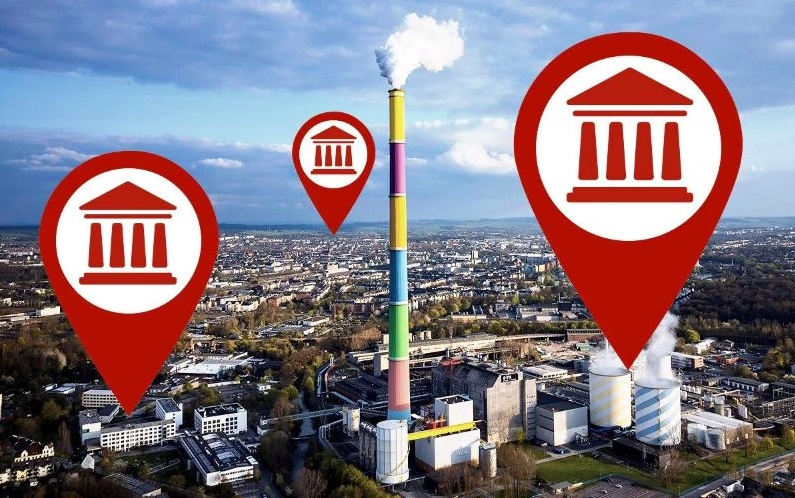
The Zollverein coal mine and powerplant in Essen, in the industrial heartland of the Ruhr, is now a Unesco world heritage site, museum and shopping centre.
位於魯爾工業中心地帶埃森的佐爾韋林煤礦和發電廠如今已成為聯合國教科文組織世界遺產、博物館和購物中心。
On the other side of the country, the former textiles hub of Chemnitz – still host to a giant statue of Karl Marx’s head, a legacy from its days behind the Iron Curtain – is next year’s European capital of culture.
在國家的另一端,開姆尼茨曾經是紡織業中心,至今仍保留着卡爾-馬克思的巨型頭像,這是它在鐵幕之後留下的遺產,它將成為明年的歐洲文化之都。
Tourism is now the third-biggest employer in the country after healthcare and retail, according to the country’s tourist board.
據該國旅遊局稱,旅遊業目前是該國僅次於醫療保健和零售業的第三大僱主。
In the past year Germany has added 23,000 jobs in hospitality, according to the investment bank Société Générale – not enough to replace the 123,000 lost in manufacturing, but a sign that there is rising demand.
根據投資銀行法國興業銀行的數據,在過去的一年裏,德國在酒店業增加了2.3萬個工作崗位,雖然還不足以取代製造業失去的12.3萬個工作崗位,但這表明需求正在上升。
But a wholesale shift from industry to holidaymaking might be too radical an idea for Germany, and would be perceived as a surrender to China in some quarters.
但是,對德國來説,從工業到旅遊業的全面轉變可能是一個過於激進的想法,在某些方面會被視為向中國投降。
Volker Treier at DIHK, the German Chamber of Commerce and Industry, says the slump hit after Germany became complacent, taking its competitiveness for granted even as red tape and regulations piled up at a far faster rate than those in the US.
德國工商總會的沃爾克-特雷爾説,經濟衰退是在德國變得自滿之後才發生的,儘管繁文縟節和法規的堆積速度遠遠快於美國,但德國仍將其競爭力視為理所當然。
He says it is not the time to give up on industry.
他説,現在還不是放棄工業的時候。
原創翻譯:龍騰網 https://www.ltaaa.cn 轉載請註明出處
“We still have wonderful companies with well-known trademarks, very well located in world markets. We have to unleash private sector activities again, cut red tape and regulations,” he says.
他説:“我們仍然擁有擁有馳名商標的優秀企業,它們在世界市場上佔有非常有利的位置。我們必須再次釋放私營部門的活力,減少繁文縟節和規章制度,”他説。
“It is not too late to get a turnaround. We are still in a market position which is not lost, especially when it comes to the degree of innovation, and the cooperation between science institutions and the business sector, as we have in Germany.”
“現在扭轉局面還為時不晚。我們的市場地位仍未喪失,尤其是在創新程度以及科學機構與企業部門之間的合作方面,就像我們過去在德國做得那樣。”
Levelling the playing field with China would help manufacturers recover, Treier says, as would more free-trade deals.
特雷爾説,與中國建立公平的競爭環境將有助於製造商的復甦,更多的自由貿易協議也是如此。
Turning away from factories also risks beating swords into ploughshares just as war has arrived on the EU’s doorstep, underlining the need for heavy industry for the sake of security.
就在戰爭已經打到歐盟家門口的時候,放棄工廠也有可能將化劍為犁,這凸顯了重工業對安全的必要性。
Jude Kirton-Darling at trade unx group industriAll Europe says: “One of the lessons of the pandemic and the invasion of Ukraine is the need for strategic autonomy.”
歐洲工會的裘德-基爾頓-達林説:“疫情和入侵烏克蘭的教訓之一就是需要戰略自主。”
原創翻譯:龍騰網 https://www.ltaaa.cn 轉載請註明出處
Calls to focus on services and tourism instead of manufacturing fail to appreciate the vulnerabilities exposed by recent events, she argues, comparing it to the wave of globalisation of the 1990s which accompanied a turn away from industry.
她認為,將重點放在服務業和旅遊業而非製造業的呼籲沒有認識到近期事件暴露出的脆弱性,並將其與20世紀90年代伴隨着工業轉型的全球化浪潮相提並論。
“All that analysis was that services were the future for Europe, you could rely on global value chains, you could import things that are produced elsewhere in the world cheaper, and there were no consequences for that,” she says.
她説:“所有的分析都認為,服務業是歐洲的未來,你可以依賴全球價值鏈,你可以以更低的價格進口世界其他地方生產的東西,而不會帶來任何後果。”
“But you create major vulnerabilities by pursuing that approach. We saw that in the pandemic in relation to basic medicines [and] semiconductors.”
“但是,採取這種方法會造成重大漏洞。在這次疫情中,我們在基本藥物和半導體方面看到了這一點。”
There is also the likelihood that workers would not be best pleased with an industrial overhaul.
此外,工人也很可能不會對工業改革感到滿意。
In Mallorca, the heart of some of Spain’s protests, Aleix Calveras Maristany, professor of business economics at the University of the Balearic Islands, says jobs in tourism are not always good substitutes for those in manufacturing.
在西班牙一些抗議活動的中心地帶的馬略卡島,巴利阿里羣島大學商業經濟學教授阿萊克斯-卡爾維拉斯-馬里斯塔尼説,旅遊業的工作崗位並不總能很好地替代製造業的工作崗位。
“It is true that the Spanish economy is growing, to a large extent because it is dependent on global demand for tourism,” he says.
他説:“西班牙經濟確實在增長,這在很大程度上是因為它依賴於全球旅遊業的需求。”
“But we should look at productivity and wages. A lot of the jobs are not highly paid, and they do not need a lot of qualifications.”
“但我們應該關注生產率和工資。很多工作的工資並不高,也不需要很高的資歷。”
插圖:埃森龐大的埃森關税同盟工業區作為文化遺址煥發新生。
With warnings like that, German workers will need quite some persuading by the ECB if they are to give up hope on manufacturing and welcome visitors to their factories as museums instead.
在這樣的警告下,德國工人如果還要放棄對製造業的希望,轉而歡迎參觀者到他們的工廠參觀博物館,就需要歐洲央行的一番勸説了。