周波:如果中國不費一槍一彈就登上世界之巔,將是人類歷史上的奇蹟
guancha
編者按:世界知名的Munk Debate(芒克辯論會)日前播出了芒克辯論會主席、加拿大著名主持人魯德亞德·格里福茨(Rudyard Griffiths)和清華大學戰略與安全研究中心研究員周波的對話。雙方就台灣問題為何是中國的首要安全關切、中國與其他亞洲國家的南海爭端,以及烏克蘭衝突的經驗教訓等進行了深度討論。
北京對話(Beijing Club for International Dialogue)對此進行實錄翻譯,以饗讀者。
【翻譯:李澤西 核譯:韓樺】
**魯德亞德·格里福茨:**周波,歡迎來到芒克對話。
**周波:**你好,很高興參加對話。
**魯德亞德·格里福茨:**您是否認為台灣日益不確定的地位是中國目前最大的國家安全關切?
**周波:**台灣問題一直是中國最大的國家安全關切。原因其實很簡單:對於世界上所有國家的軍隊來説,領土和國防都是頭等大事。中國的不同之處在於,作為一個大國,我們還肩負着其他一些使命。中國的角色非常獨特。首先,作為一個大國,卻還沒有統一,這在大國中極為罕見。此外,中國要走出去,在海外有很多利益,因此我們談論的是一個如此複雜的大國。
對於大陸中國人來説,希望與台灣和平統一是一種自然而然的情感。接下來的問題是:首先,中國大陸是否正在失去耐心?這其實是一個很重要的問題。我想説,我們仍然是有耐心的。比如,2022年10月的中共二十大,習近平主席談到台灣問題時指出“我們堅持以最大誠意、盡最大努力爭取和平統一的前景”。
南希·佩洛西在此之前竄訪台灣時,中國大陸軍隊在台灣島周圍進行了大規模演習,實彈發射導彈等等。當蔡英文在加州會見麥卡錫時,我們又進行了演習,但這次演習只是模擬攻擊,沒有使用實彈。這極其微妙,説明我們知道如何處理這種情況,我們的措施是謹慎和有分寸的。

佩洛西2022年8月竄訪台灣後,解放軍在台灣島周邊進行軍演(圖源:新華社)
**魯德亞德·格里福茨:**美國越來越多地向台灣提供尖端武器系統,尤其是承諾提供地對海導彈,中國大陸的國家安全部門對此怎麼看?美國的這些行動是否被視為挑釁行為,或者只是被視為一種滋擾,與過去的舉動無異,因此中方也不會比過去格外重視?
**周波:**我認為這些舉動肯定被認為具有挑釁性,但問題是,它們影響到底有多大?我不認為美方的這些舉措會有什麼了不起。
比如,台灣最近製造了首艘本土潛艇,今後一共再製造大約八艘。但這些潛艇對整體局勢有多大影響呢?根據我作為軍人的經驗,我知道潛艇比飛機要複雜得多。我來自空軍,雖然不是飛行員,但我知道,飛機通常只有在飛行員駕駛多年後才能在技術上完善。這意味着它被生產出來,首先要通過試飛,最後,只有飛行員本人才能告訴你到底存在哪些問題。
因此,我相信台灣自己製造的第一艘潛艇肯定存在很多問題。實際上,它的交付過程倉促,因為蔡英文希望這能夠成為她的政治遺產。即使他們能順利製造8艘潛艇,這又有多大影響?這確實可能會使解放軍的決策變得複雜,但總的來説,對於正在突飛猛進發展的中國軍隊而言,這些都微不足道。
我認為美國現在採取的戰略是把台灣變成一隻“豪豬”。但美國真的相信台灣能變成一隻強大的“豪豬”嗎?我對此表示懷疑。但這符合美國的利益,表明他們支持所謂的民主,也符合美國軍工企業出售武器的利益,誰會拒絕這樣一個大發橫財的機會呢?我認為,在日益複雜的中美關係中,美國只是將台灣視作一個討價還價的籌碼。
我認為,美國實際上已經從失敗中吸取了教訓,做了一定的改變。例如,脱鈎現在看起來完全是無稽之談,美國選擇改用“去風險”的説法,其實是借用歐盟委員會主席馮德萊恩的説法。但他們為什麼稱之“去風險”呢?因為“去風險”聽起來比較温和,而脱鈎顯然是不可能的。那“去風險”又是什麼意思呢?我認為他們必須捫心自問。即便是在半導體和芯片領域去風險,也是愈發困難的事情。這並非中方的要求,而是芯片製造商們正在失去中國市場,是他們在向白宮施壓。
我認為,美國對於“一箇中國”政策其實是有很多不同意見的。美國外交關係委員會前主席理查德·哈斯(Richard Haas)寫過一篇文章,談到美國的對華政策應該從戰略模糊轉向戰略清晰。但也有其他學者並不同意他的觀點,因為這種清晰戰略可能會讓局勢變得更加危險。
為什麼會出現這種爭論呢?我認為這是源自中國不斷增強的實力。在過去,中國實力不夠,當美國保持政策模糊時,大家就得猜測他們的真實立場。但是,由於中國的實力不斷增強,美國擔心除非他們明確表示會在軍事上保衞台灣,否則大陸很可能會首先對台灣進行打擊。但如果美國轉向戰略清晰,有些人又擔心這會主動招來大陸“先發制人”。因此,美國現在陷入了進退兩難的境地。
再看看美國國內的情況。拜登政府軟弱無力,兩黨極端對立。從經濟方面看,拜登政府做得不錯,但你聽聽特朗普描述的美國,可謂“屍橫遍野”。而在全球範圍,“自由民主”制度已經持續衰落了17年。這是誰造成的?顯然,這與中國或俄羅斯無關。對於像我這樣的中國人,或任何人來説,看到美國總統呼籲抗議者佔領國會山是令人震驚的。這太不可思議了,類似事情甚至不會發生在非洲。因此,我對美國能否在台灣問題上採取穩定的對華政策沒有多大的信心。
**魯德亞德·格里福茨:**你提到了美國政界的爭論;一些共和黨人認為美國應該向台灣提供明確的安全保證,類似於北約內部的第5條承諾。如果這一提議發生,中方會如何反應?這會被視為挑釁嗎?
**周波:**我們先來看看關於“一箇中國”政策的爭論,或者説關於戰略模糊與戰略清晰的爭論。最終,他們還是説“一箇中國”。為什麼呢?因為他們雖然在掏空這個概念,但是仍然將它視為一個大筐,這樣對他們自己更為有利,可以從各種不同角度解釋什麼是“一箇中國”。如果他們放棄“一箇中國”,那當然對他們和我們來説都是地動山搖。
我認為可以從佩洛西竄訪台灣的過程看出中國大陸的決心。有人問我,如果美國眾議院新議長“訪問”台灣,會發生什麼?我説,我不知道,我們當然會有多個備案計劃,但憑我的直覺猜測,我們的反應必定更強烈。否則,我們如何告訴自己,我們在做正確的事?
我不認為他們真的會以這種方式公然支持“台獨”,但我完全相信,不斷強大起來的中國大陸有更多的手段來處理這個問題。
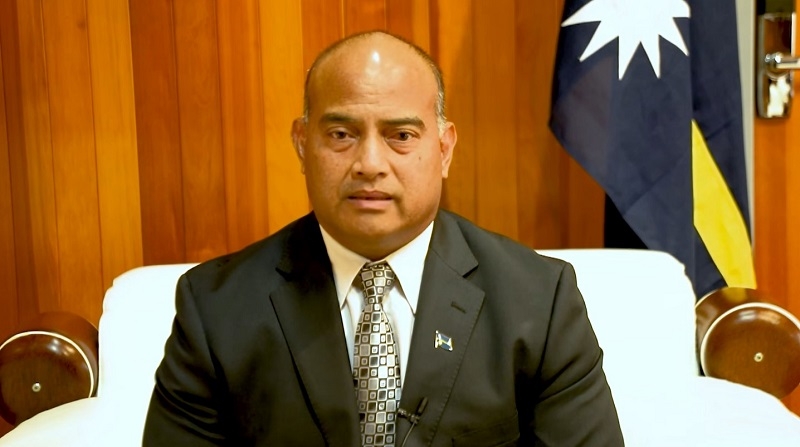
1月15日,台灣大選剛剛結束第二天,太平洋島國瑙魯同台灣“斷交”
**魯德亞德·格里福茨:**美國對台姿態的爭論,也涉及到美國的南太平洋戰略的大背景,即"奧庫斯"(AUKUS)。圍繞這一戰略,美國正努力與日本、菲律賓,以及一定程度上與韓國發展更緊密的安全關係。中國安全部門對此有何看法?是否有一種被“步步緊逼”的感覺,是否有一種對手在一致反對中國崛起、中國擴張的感覺?
**周波:**讓我先談談美國的大戰略。我認為,美國把重點放在亞太地區,或者美國人所謂的印太地區,實際上反映出美國的實力確實在下降。美國官員經常談論盟友和夥伴的重要性,因為單靠他們自己的力量是不夠的,必須依靠這些盟友和夥伴。
你提到了各方和各種不同的情況。我認為,總體而言,這是美國嘗試在該地區遏制中國。問題是,在我閲讀了美國的印太戰略之後,我發現他們目標很多,但工具不夠。
沒有哪個國家蠢到選擇非黑即白。我認為,世界已經進入到了一個所有國家都在就事選邊、而不是就邊選邊的時代。説到日本,如果台灣海峽發生衝突,日本有條約義務在後勤補給方面支持美國,日本不得不這樣做。
至於澳大利亞,現在還很難説。不到最後一刻,你無法知道一個人到底會怎麼做。如果你研究一下澳大利亞的歷史,會發現這個國家非常有趣,它總是在其他地方打別人的仗,在土耳其的加利波利、阿富汗或遠離澳大利亞大陸的某地,只有二戰期間日本轟炸達爾文,使澳大利亞本土直接受到戰爭影響。
但現在,澳大利亞1/3的出口都流向了中國。他們確實正在購買八艘潛艇,但這些潛艇影響又有多大呢?就像台灣的潛艇一樣,它們可能會使中國政府的決策變得更加複雜,但這並不是多大事,因為就艦艇數量而言,我們已經是世界上最多的國家了。這八艘潛艇需要至少十幾年才能完成交付,屆時中國人民解放軍肯定會變得更加強大。我認為這與莫里森政府有很大關係。現在,阿爾巴尼政府在進行一些改變。因此,整個局勢並非非黑即白。
菲律賓的情況很有意思,因為馬科斯總統的對華政策似乎與其前任大相徑庭。我仔細想過,到底為什麼會這樣呢?杜特爾特總統本人也支持對菲律賓有利的南海仲裁案裁決,但他採取友華態度顯然使菲律賓得到許多好處。不過杜特爾特並不經常提及南海問題,他選擇為了其他利益而與中國保持良好關係。
但説到馬科斯總統,我就很難理解了。我認為這可能與他的個人背景有關,因為他與美國的聯繫比較緊密。而基本上所有菲律賓高級軍官都或多或少有過美國培訓經歷。不過,這其實還是説不通,因為中國從未威脅過要對南海的任何聲索國使用武力。
在台灣問題上,中國製定了可能採取非和平手段的三個前提條件。但在南海問題上,中國從未威脅過任何其他國家。因此,我很難理解菲律賓政府為什麼突然放開九個基地供美國使用,這其實是説不通的。事實上,這會讓菲律賓面臨更加危險的局面,因為如果美國人把這些基地用作前沿陣地,那麼菲律賓的國土當然就會成為打擊目標,這符合菲律賓的利益嗎?
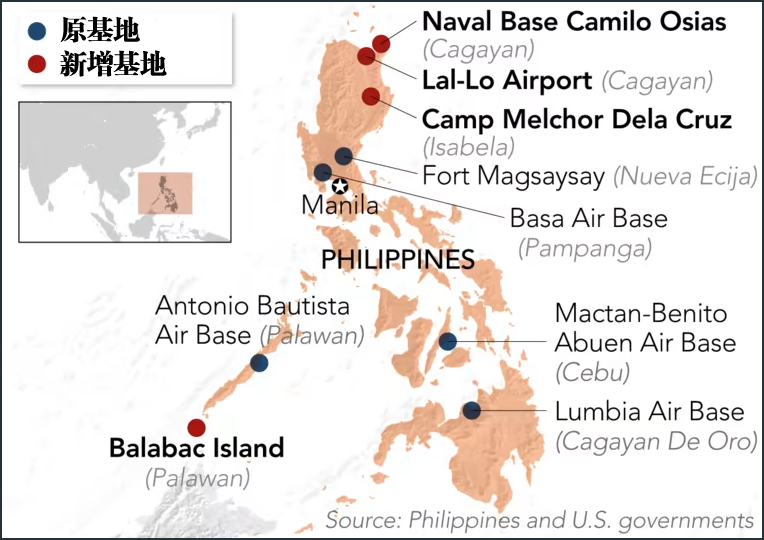
菲律賓原美軍基地與去年新設美軍基地對比圖(圖源:《日經亞洲》)
**魯德亞德·格里福茨:**中國領導人從烏克蘭戰爭中汲取了哪些經驗?有一種觀點認為,普京之所以入侵烏克蘭,部分原因是他認為北約和西方國家在武裝烏克蘭,支持不符合俄羅斯利益的政治運動和人物,而由於烏克蘭靠近莫斯科和俄羅斯的其他決策中心,以至於烏克蘭成為俄羅斯的安全隱患。中國是否擔心,烏克蘭出現的這些情況可能在台灣或南海地區重現,東歐的歷史有可能在亞洲重演?
**周波:**就烏克蘭戰爭而言,如果兩年前的普京能夠預知未來,我認為他可能會採取不同的戰略,他是否還會發動戰爭,我就不知道了。當然,他這樣做是有原因的。事實上,從戈爾巴喬夫到葉利欽和普京,歷屆蘇聯和俄羅斯領導人都曾警告過北約不要擴張。因此,普京不是第一個警告北約的人,但他是第一個採取行動的人。事實證明,俄軍作戰能力還是非常具有韌性的,儘管他們一開始打得並不好。
我不認為這與台灣問題有任何直接聯繫,世界上有180多個國家承認台灣問題是中國的內政。正如我一開始所説的,我相信中國政府仍有耐心。華盛頓有些人認為,台海衝突不可避免,我對此不太認同。即使是美國國防部長奧斯汀都不這麼認為。我出席了2023年的香格里拉對話,其中令我印象最深的是奧斯汀説台海衝突並非迫在眉睫,也絕非不可避免。此前,美國一些將軍發表了自己的看法,稱中國大陸在2025年或2027年前必定會對台動武。但是,美國國防部長有條件獲得所有的情報信息佐證自己的觀點,所以奧斯汀在這樣一個重要會議上的明確表態非常重要。
有人説台灣人不願意與大陸統一。我認為,事實可能並非如此。在新冠疫情爆發之前,大約有150多萬台灣人生活在中國大陸,主要集中在上海周邊地區,這相當於台灣6%的人口。這意味着,如果中國大陸能為台灣人民提供更好的就業機會和賺錢的機會,這些人就不會那麼在意生活在一個制度不同的社會里。
那麼大陸能否繼續提供這樣的環境呢?我相信是可以的。首先,中國經濟已經與世界其他地區融為一體,中國必須開放,中國也希望繼續開放。只要中國繼續開放,而世界各地因全球化而變得距離越來越近,人們交往的速度就會越來越快,中國大陸與台灣之間的融合也會變得更快,我相信這種融合是不可避免的。最後,中國大陸從來沒有宣佈過統一台灣的時間表。中國大陸仍有耐心。我相信,在台灣問題上,時間能給我們帶來最好的答案。
**魯德亞德·格里福茨:**隨着我們的對話臨近尾聲,讓我最後問幾個宏觀問題。我們經常討論中國的崛起,中國作為21世紀文明大國的地位。中國的高級官員是否擔心,中國的對手美國正試圖在軍事、科技和經濟等領域阻止中國的崛起,阻撓你們成為世界上最強大的國家?這是大家都在考慮的問題,還是西方誤解了你們的真實想法以及擔憂的問題?
**周波:**這確實是最宏大問題,其中還可以分出幾十個小問題,每個問題都可能極為重要。讓我重複一下我之前對別人説過的話。比如説,我們是否已經進入了一場新的冷戰?我的回答很簡單:在我們避免了一場熱戰之前,我們無從知曉,冷戰期間也正是如此,大家當時每天都在為熱戰做準備。只有當冷戰結束了,大家才鬆了一口氣,哦,好吧,沒有爆發熱戰,所以剛剛發生的是冷戰。我認為,我們永遠無法預知未來,只有經歷了未來,我們才會知道“已來的和未來的”。
因此,這種問題毫無意義,但中美之間的競爭與冷戰時兩個超級大國的競爭顯然有許多不同之處。中國對美國的政策一直保持高度一致,基調變化不大,而美國的政策就像過山車,更難預測。我認為這與他們自己的心態有很大關係。美國錯誤地認為自己是“山巔之城”。我問大家,“山巔之城”在哪裏?雅典的帕特農神廟是唯一的“山巔之城”,卻是空蕩的,殘破的。
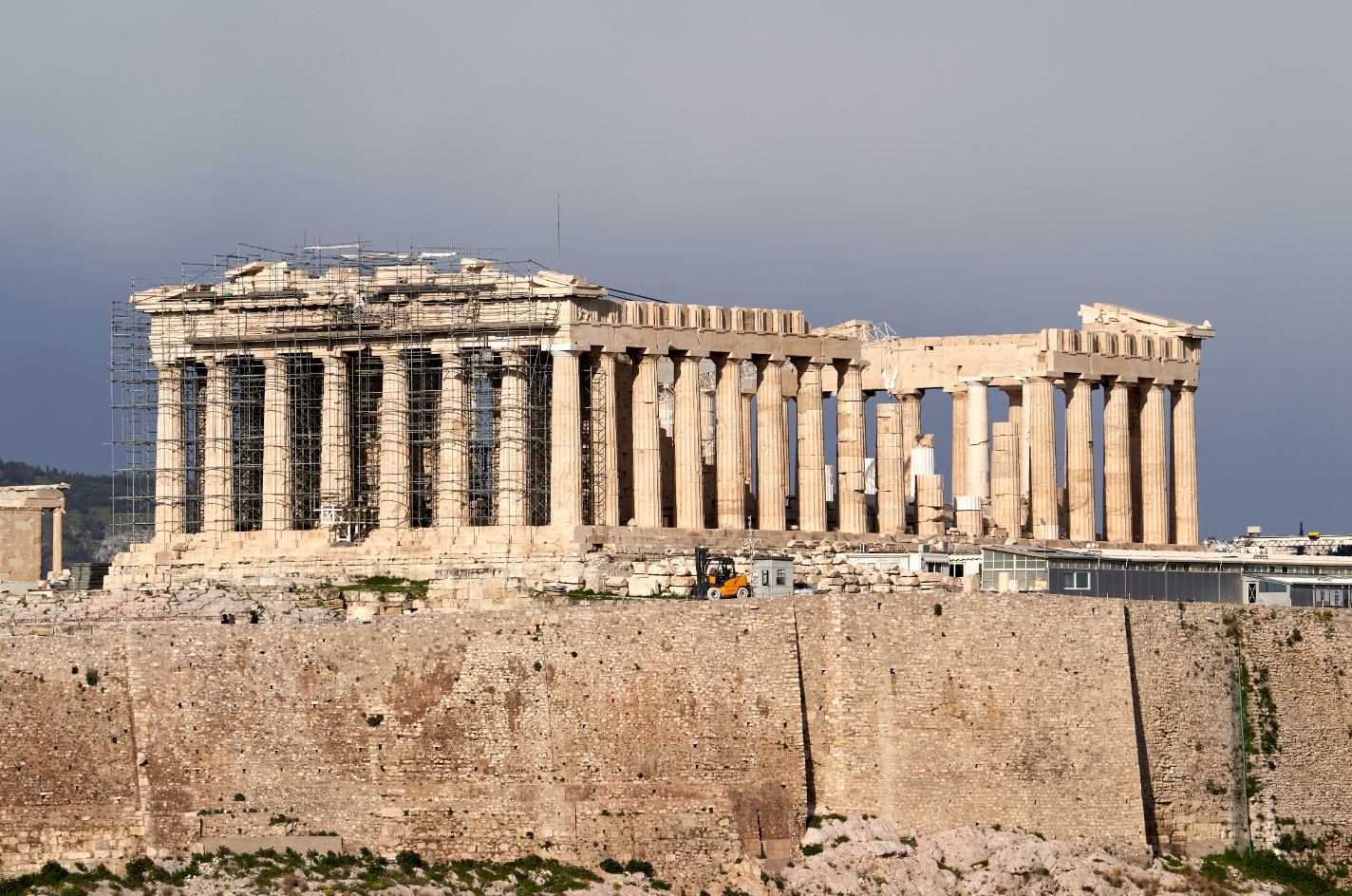
帕特農神廟
最近,拜登反覆強調,美國是不可或缺的。確實如此,但每個國家都是不可或缺的。在我看來,大家知道在印度洋深處有一個叫馬爾代夫的小國就非常重要,這個國家太美了。我們必須記住,整個人類社會就像森林一樣,有不同的動植物才造就了美麗的世界。美國有NBA、麥當勞、好萊塢,但那又怎樣?馬爾代夫人沒有這些,他們只知道每天早上都會有成千上萬的遊客來到這裏,告訴他們馬爾代夫有多美。
回到你開頭的問題,迄今為止,中國的崛起一直是非常和平的,這在人類歷史上是前所未有的。在中國40多年的崛起過程中,我們唯一的犧牲是在中印邊界衝突中,中方犧牲了4名士兵,同時印度方面死了20名士兵。但是值得注意的是,他們並沒有互相射擊,而是在互相鬥毆,兩支現代軍隊以石器時代的方式相互鬥毆。為什麼會這樣呢?大家都不希望有戰爭,雙方都清楚認識到,在任何情況下,我們都不應該互相射擊。
回到你的問題,中國的崛起是和平的,也許在不到10年的時間內,中國就會成為世界上最大的經濟體。這將是人類歷史上前所未有的,一個國家不費一槍一彈就攀登上世界之巔,這真的令人難以置信。在人類歷史上,許多人為各種戰爭編造出了五花八門的理由。但最終,誰會在乎這些導致人們死亡的理由?看看美國殺死了多少人?他們找出各種藉口,但人死不能復生。
中國不同。中國軍隊在海外的最大特點是隻致力於人道主義行動,無論是維和、打擊海盜還是救災。作為一名退役軍人,作為一名老兵,我希望中國能繼續和平崛起,希望中國人民解放軍只在海外開展人道主義行動,只向世界各地的人民提供援助,而不殺戮。一個全球最強大的國家的軍隊在海外行事如此温和,這難道不是世界之幸嗎?我不知道世界是否會變得更加美好,但我希望隨着中國的崛起,中國能讓世界變得更加安全。
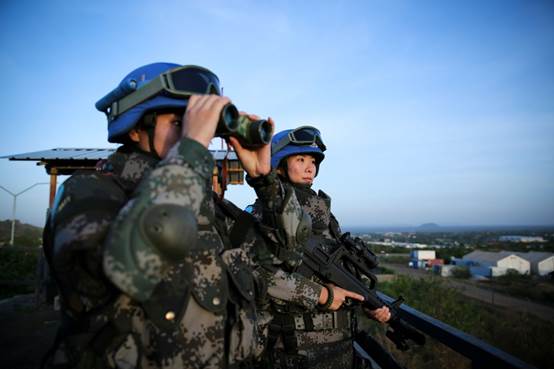
中國聯合國維和部隊(圖源:新華社)
**魯德亞德·格里福茨:**周波,借你吉言來結束這次精彩的對話真是再好不過了。我非常感謝你今天抽出時間參與我們的對話,我們接收到了你傳遞的信息。讓我們繼續對話,我認為對話才是我們所能做的最重要的事情,讓人們接觸不同的思想,通過這些思想觸發交流,希望通過交流達成互相理解。感謝你今天的發言。
**周波:**謝謝你。
以下為英文原文:
Rudyard Griffith: Zhou Bo, welcome to the Munk dialogues.
Zhou Bo: Hi, Rudyard. Nice to be here.
Rudyard Griffith: Would you characterize the increasingly uncertain status of Taiwan as China’s biggest national security issue at this time?
Zhou Bo: Well, Taiwan is always the biggest national security concern for China. The reason is very simple, actually. For all the militaries around the world, territorial and national defense is top priority. What makes China different is that it has some other missions, being a major power. China has a very unique role. First, as a major power, it is not reunified. This is extremely rare among major powers. And besides, it has to go abroad, it has interests overseas. So we are talking about a major power that is so sophisticated and complicated.
This is a kind of natural feeling for Chinese, to have a peaceful reunification with Taiwan. Then there are a number of questions. First, are we becoming impatient? This is actually a big question. I would say we’re still patient. For example, in October 2022, in President Xi Jinping’s report to the Chinese Communist Parties Congress, he still talked about Taiwan issue using two phrases that impress me most. That is, we still have the utmost sincerity, and we would make utmost efforts in the peaceful reunification.
Then, Nancy Pelosi’s visit to Taiwan invited a massive Chinese PLA drill around the island with live firing of missiles and so on so forth. But during Tsai Ingwen’s meeting with Kevin McCarthy in California, we again did exercise, but that exercise was only simulated attack without firing a bullet. So there is great subtlety. That means we know how to handle the situation, or at least our measures are cautious and measured.
Rudyard Griffith: What is the feeling in China amongst the national security establishment regarding the increasing arming of Taiwan by the United States with sophisticated weapon systems, most notably promises of surface to sea missiles that could allow Taiwan, should it wish, in some unfortunate set of circumstances, attack and potentially sink Chinese vessels off its shores? Are these types of actions by the United States perceived as provocative in China or they are just seen more as a nuisance, a pattern of behavior that you’ve seen in the past and that you’re not giving any more priority to now than you did previously?
Zhou Bo: I think they’re certainly considered provocative, but the question is, do they really matter or not? I don’t think they would matter tremendously. For example, Taiwan recently made the first indigenous submarine, and they’re going to make about eight. But how important are these submarines? From my experience as a serviceman, I know the submarine is much more sophisticated than an aircraft. I came from Air Force. I’m not a pilot, but I know normally aircraft can never be said to be mature until a pilot has flown it for many years. That means it was produced, it was trialed, but then only the pilot can tell you how many problems it really has. So with the first conventional submarine, I’m sure there’s a lot of problems. And actually it was delivered in a hurry because this would be a kind of a political legacy of Tsai Ingwen. Even if they could produce 8 submarines, would that matter? Yes, it could complicate decision making in the PLA. But generally speaking, in comparison with China’s military advances by leap and bonds, it doesn’t really matter.
I think the United States is now adopting a strategy of turning Taiwan into a “porcupine”. But do they really believe Taiwan could be such a powerful porcupine? I doubt about it, but it serves their interest to show that what they’re supporting a so-called democracy, it serves the interest of the American military industrial complex of selling weapons, why not if it is such a good opportunity? I think it also serve them as kind of bargaining chips in this ever sophisticated relationship between China and the United States.
I think Americans actually have made some progress through learning from the failures. For example, “decoupling” now looks totally like nonsense. So they called it “de-risking”, which is actually the term borrowed from Von der Leyen. But why do they call it de-risking? Because it sounds okay, more moderate, because decoupling is impossible. But what does de-risking mean? I think they would have to search their own souls to find out, because even de-risking in semiconductors and chips, they would find it increasingly difficult. It’s not that we are asking them to do what they don’t want to do, it’s the chips manufacturers. They would put pressure on the White House because they’re losing Chinese market.
I think the United States is actually having a problem with its One China policy, because internally, we know, people like Richard Haas, the former president of American Council of Foreign Relations, has written an article about how American policy toward China should turn from ambiguity to clarity. But some other scholars disagree with him, because this kind of clarity actually would make the situation more dangerous. Why is this kind of debate happening? I believe that is because the strength of the PRC is growing, because in the past, PRC was weak, that even if they maintained a policy of ambiguity, you don’t know what kind of attitude they’re having. And you’re in doubt, you’re constantly guessing. But because mainland’s strength is growing, they’re afraid that unless they make it clear that they would defend Taiwan militarily, probably mainland China would launch attack on Taiwan first. But if they make this kind of policy with clarity, some people are afraid this may just invite a preemptive strike from the mainland in the first place. So I think they’re now caught in this dilemma.
And look at the American domestic situation. The Biden administration is weak and this kind of bipartisan rivalry is extreme. Economically speaking, it is doing good, but if you listen to Donald Trump, American’s whole situation is “carnage”. Liberal democracy has been in steady decline for 17 years. And who did that? Apparently, it has nothing to do with China or Russia. And for Chinese like me, or anybody, it’s so appalling to see an American president would ask protesters to take over Capitol Hill. This is unbelievable. This is an eye opener. And this won’t even happen in an African country. So putting all this together, how confident are we in a stable American policy toward China on Taiwan? I really have serious doubt.
Rudyard Griffith: You mentioned the debate in American political circles; some Republicans are arguing there should be an explicit US security guarantee extended to Taiwan, similar to an Article 5 type commitment within NATO. What would be Beijing’s reaction if that policy came into force? Would that be seen as provocative?
Zhou Bo: Let’s first look into the debate about One China policy, or about ambiguity versus clarity. Eventually, they still talk about One China. Why? Because they’re actually hollowing out this concept, but they still put it as a big basket, because this would make things easier for them, they can just use endless different explanations to explain what is One China. If you do not say it is One China, then of course that is kind of earthquake for them and for us.
I think we can learn from Nancy Pelosi’s visit that we’re serious about it. Some people asked me, what would happen if a new American House speaker visit Taiwan. I said I don’t know because, certainly we have a Plan A, Plan B, Plan C, but I can guess out of my gut feeling that our response has to be greater. Otherwise, how can we just tell ourselves that we’re doing the right thing?
I doubt they would actually openly support Taiwan’s independence in such a manner, but I’m fully confident that Chinese Mainland being stronger now has more means to handle this.
Rudyard Griffith: This debate over American posture towards Taiwan is unfolding within a larger American strategy in the South Pacific, AUKUS. Around that, there is an effort to develop closer security ties with Japan, the Philippines, to a certain extent, South Korea. How is this being perceived by Chinese security officials? Is there a feeling of encroachment here, a feeling of an adversary setting up a concerted opposition against China’s rise, China’s expansion?
Zhou Bo: Let me start by talking a bit about the American’s grand strategy. I believe the fact that the United States is focusing on Asia-Pacific, or what American call Indo-Pacific, is actually a reflection of the fact that American strength has really declined. So that is why you would find American officials talking about importance of allies and partners, because their own strength is not enough; they have to rely on these allies and partners.
You have mentioned all these people and different situations. I believe this, generally speaking, is an American effort to contain China in this region. The problem is, after I read the Indo-Pacific strategy, I found that they have many purposes, but without adequate tools.
No nations are stupid in black-and-white manner. I believe the world has entered into an era that all countries are picking sides with issues rather than with sides. But when it comes to Japan, which has treaty obligation to support the United States should there be a conflict in Taiwan Strait in terms of logistic supply, Japan would have to do that. But for Australia, they talked about it, but it’s hard to say. You won’t know what a man really wants to do unless it comes to the final moment. If you examine the history of Australia, you would find this country very interesting in that, historically, it always fought other people’s wars elsewhere, in Gallipoli, Afghanistan or somewhere far away from continental Australia, except during the Second World War when Japanese bombed Darwin. So this is an interesting country, always fighting other people’s war. But now 1/3 of their export goes to China. And yes, they are buying eight submarines. But how important are these eight submarines? It’s almost like the submarines in Taiwan, they could complicate decision making in Beijing, but it’s not a big deal, because in terms of number of ships, we’re already the largest in the world, and these eight submarines will be delivered probably after 10 to 15 years, to say the least. By then, how much stronger the PLA will become? I think this has a lot to do with the Morrison government. Right now, the Albanese government is also making changes. So this whole picture is not so black and white.
The Philippines is interesting, in that President Marcos’ policy toward China seems to be a U-turn from his predecessor. I personally ask myself, why is this? Because President Duterte certainly has curried a lot of favor with China, even if he himself would support the ruling of the tribunal that was in favor of the Philippines. So on this policy issue, he actually did not mention it so often, but he certainly was supportive of the tribunal ruling. But then, knowing this, he just went along to have good relations with China for some other benefits. But when it came to President Marcos, it’s difficult for me to understand because I believe there are something to do with his personal background, because of his firmer or stronger connection with the United States and the Filipino military, basically, all the senior officers were more or less trained in the United States. Still, it doesn’t make sense to me, because China has never threatened to use force against any of the claimants in the South China Sea.
China actually has laid down three conditions when it might adopt non-peaceful means regarding the Taiwan issue. But on the South China Sea, China has never threatened any other country. So if all of a sudden the Filipino government would open up nine bases for American use, then we would ask, why? This doesn’t really make sense. Actually, it would make the Philippines more vulnerable, because if Americans use these as a kind of a forefront battlefields, then, of course, the territories of the Philippines become targets, is that in their interests?
Rudyard Griffith: What are the lessons that Chinese leaders are drawing from the war in Ukraine? There is an argument that part of what provoked Putin into his invasion was a perception on his part of NATO and western powers arming Ukraine, supporting political movements and political actors that were not in Russia’s interests, and that ultimately Ukraine was becoming a security risk for Russia because of its proximity to Moscow and other decision making centers in the country. So does China feel similarly that there’s a risk here, a pattern that had unfolded in Ukraine could potentially unfold in Taiwan or the South China Sea, is history gonna
Zhou Bo: Well, on the war in Ukraine, I would say if Putin knows what would happen, he probably would adopt a different strategy. Whether that strategy is war or not, I just don’t know. But of course, there is a reason why he would have to do this. The truth is actually from all the Soviet and Russian leaders, starting from like Gorbachev to Yeltsin and Putin all warned against nato’s expansion. So he’s not the first person to make a warning, but he’s the first person to say enough is enough. The Russian military has proven to be extremely resilient, but was not fighting so well in the beginning.
I would not say that this has any direct link with the Taiwan issue, because that actually is recognized by more than 180 countries to be China’s internal affair. As I said in the beginning, I believe the Chinese government is still patient. Some people in Washington believe this kind of conflict is inevitable. I actually have some doubts, even by quoting what Secretary of Defense Lloyd Austin said himself. I was in last year’s Shangri-La Dialogue. What impressed me most is that he talked about conflict being not imminent, not inevitable. The background is, before his remarks, there were quite a few remarks made by some American generals talking about 2025 scenario or 2027 scenario that Mainland China would definitely launch attacks or so on and so forth. But because America’s secretary of defense should have all the intelligence information to support his argument, so it is important for him to make it clear on such an important meeting.
Some people say Taiwanese people do not want to be integrated with you. And I believe this may not be so true. Before Covid, actually more than 1.5 million Taiwanese people were living in Mainland China, mostly around Shanghai. And that would be more than 6% of the Taiwanese population. What does that mean? If the Chinese Mainland can provide Taiwanese with better opportunities of employment, or making money, these people actually don’t care so much to live in a different society with different systems, right? So could Chinese Mainland continue to provide this kind of environment? I believe it is possible. Because first of all, Chinese economy is so integrated with the rest of the world, China has to open up. And China wants to continue to open up. And so long as China continues to opens up while the world is becoming smaller because of globalization, the speed of people’s interaction will simply become faster. This kind of integration between Mainland China and Taiwan will also become faster. So it is in this logic, I believe this kind of integration is inevitable. And finally, the Chinese Mainland has never announced a timetable to reunify. So we’re still patient. I believe time might just give us the best help in this regard.
Rudyard Griffith: We’re coming to the end of our time, so let me just ask some final bigger picture questions. We’ve talked a lot about China’s rise, its status as a civilizational power in the 21st century. To what extent are your colleagues, senior security officials in China, concerned that you now face an adversary in the United States who is trying across a series of domains, military, technological and economic, to prevent China’s rise, to thwart your ascension to potentially becoming the world’s dominant power. Is that on people’s minds or is this more of a western misinterpretation of what your people are actually thinking and what you’re actually concerned about?
Zhou Bo: This is really the biggest questions, and out of this question, there could be dozens of smaller questions and each one of them could be extremely important. Let me repeat what I said to some people, that is whether we have entered into a new cold war, for example. My answer is very simple: we won’t know until we have avoided a hot war, because this is exactly what happened during the Cold War. Every day people actually were preparing for a hot war, right? But people went through it and had a big relief, okay, we didn’t have a hot war, so what happened was a cold war. My argument is, we never know the future and we would only know the future when we have gone through it.
So this kind of question is meaningless, but apparently there are so many different things from this kind of competition between China and the US and the one during the cold war between the two superpowers. I think what happened is that, if you look at China’s policy toward the United States, it has been fairly consistent. It didn’t change tone much, and the United States would behave like a roller coaster, that’s much more difficult to predict. I think that has a lot of things to do with their own mentality, because that country wrongly believe that they’re the City upon the Hill. I tell people, where is the city upon the hill? The Parthenon is the only city upon the hill, it is empty, broken.
Recently, Biden repeated how the United States is indispensable. That is right. But every nation is indispensable. In my view, it is indispensable for people to know that there is a small country called The Maldives deep in the Indian Ocean. It is so beautiful. It is so important for human beings to remember that this whole human society is just like a forest that has different fauna and flora, and that is why the world is beautiful. It is fine that the United States has NBA, McDonald, Hollywood, but so what? The Maldivians don’t have any of these, but they just know every morning thousands of tourists would come and just tell them how beautiful their country is.
Finally, back to your question in the beginning. So far, China’s rise is very peaceful and this is unprecedented in human history. In China’s rise of 40 year and plus, the only sacrifice we made is four soldiers on our side and 20 Indian soldiers on the other side, because of a clash along the border. But it is interesting because they were not shooting at each other, they were fighting physically with each other. The two modern militaries were fighting each other in a manner found in the Stone Age. Why is that? War is not popular, and people from both side know that in any circumstances, we should not shoot at each other.
So back to your question, China’s rise is peaceful and probably in less than 10 years’ time, China may become the largest economy in the world. This then would be unprecedented in human history to see a country reaching the Apogee of fame, of glory, without firing a bullet. This still stands. We didn’t find a bullet. How unbelievable that is. In human history, people gave all kind of reasons or justifications for all kinds of war. But eventually, who remember all these reasons that have caused people to die? Nobody gives a damn about the reason. Look at the United States, how many people have died because of them? They may give reasons, but people died.
China has made a difference. The Chinese military is remarkable overseas in that it only commits itself to humanitarian operations, be it peacekeeping, counterpiracy or disaster relief. As an ex-serviceman, as a veteran, my hope for my country is China continues to rise peacefully and China’s PLA will only conduct humanitarian operations overseas. In that way, you just provide assistance to people around the world. You’re not killing anyone. For a country that rises to the top of the world, and for its military to behave so mildly overseas, isn’t the world lucky to have such a power? So my hope is, I don’t know whether the world would become more beautiful, but I hope with China’s rise, China can actually make the world safer.
Rudyard Griffith: Zhou Bo, those are great words for us to end this fascinating conversation on. I really appreciate your time coming to us from China to have this conversation with us today. It’s an important one and your messages are heard and received. And let’s keep these dialogues going because I think that’s really what is important for us to do is to have conversations, to expose each other to different ideas, and through those ideas come conversations, and through conversations hopefully come understanding. So thank you for your contributions today.
Zhou Bo: Thank you, Rudyard, for this conversation.
本文系觀察者網獨家稿件,文章內容純屬作者個人觀點,不代表平台觀點,未經授權,不得轉載,否則將追究法律責任。關注觀察者網微信guanchacn,每日閲讀趣味文章。
