周波:是美國叫囂要在台灣海峽使用核武器,而不是中國大陸
guancha
編者按:今年7月,中國發布《中國關於互不首先使用核武器倡議的工作文件》,再次呼籲“核武器國家採取不首先使用核武器政策,或者宣佈互不首先使用核武器”,推動世界和平進程。
近日,清華大學戰略與安全研究中心研究員、中央軍委國際軍事合作辦公室安全合作中心前主任周波應帕格沃什科學和世界事務會議(Pugwash Conferences on Science and World Affairs)邀請,就“中國與核裁軍”進行線上專題講座,就“不首先使用核武器”政策的內在邏輯以及具體的可執行措施進行了論述。
帕格沃什科學和世界事務會議是一個由著名學者和公共人物的國際組織,旨在減少武裝衝突帶來的危險,尋求解決全球安全威脅的途徑。1955年《羅素—愛因斯坦宣言》發佈,1957年,該組織成立,創建人為約瑟夫·羅特布拉特(Joseph Rotblat)和伯特蘭·羅素,創立地點為加拿大帕格沃什。羅特布拉特與帕格沃什科學和世界事務會議因在核裁軍上的努力而獲得了1995年諾貝爾和平獎。
觀察者網和北京對話受權翻譯、發佈講座全文如下:
【翻譯/李澤西 核譯/韓樺】
周波:謝謝彼得·詹金斯大使。今天能與各位帕格沃什成員交流我深感榮幸。我要特別感謝我在劍橋大學聖·埃德蒙學院就讀期間的院長布萊恩·希普爵士在感染新冠的情況下在線出席。
今天我將討論一些與核武器和中國有關的議題。首先,我們是否已經進入了一個新的核時代?讓我引用周恩來總理接受法國記者採訪時的回答。當時記者問,“如何看待法國大革命”?據説他的答覆是,“現在下結論為時太早”。
那麼,我們是否已經進入了一個新的核時代?答案亦是如此。但如果一些核武國家,比如美國,重新開始核試驗——前美國國家安全顧問奧布萊恩等個別美國人鼓勵特朗普,如果再次當選,就開展核試驗——那麼其他國家肯定會效仿。到那時,我們可以肯定地説,核試爆的震撼將標誌着新的核時代開啓。
讓我先來談談歐洲爆發核戰爭的可能性以及中國對此的立場。
美國中央情報局分析認為,烏克蘭發生核戰爭的概率為50%。雖然我們不確定未來會如何發展,但根據CSIS(美國戰略與國際研究中心)的統計,俄羅斯領導層在討論烏克蘭衝突時已經有200次提到使用核武器。關鍵問題是,俄羅斯的相關説法有幾分認真?
日前,普京總統下令修改了核政策,基本上是降低了核武器的使用門檻:只要俄羅斯和白俄羅斯遭受常規武器攻擊,且這種攻擊對主權構成重大威脅,即可使用核武器。但何為“重大威脅”並沒有明確的定義,這就引發了新的問題:什麼樣的情況才算是重大威脅?
我個人認為,相對而言,俄羅斯在某些情況下更有可能動用核武器,比如説,如果他們面臨失去克里米亞的威脅。但是在當前局勢下,這種可能性並不大。
另一種情況是俄羅斯失去已經在憲法上宣佈為其領土的四個(烏克蘭)東南部地區,當然各方對於他們是否能夠完全掌控這四個地區,仍存在着不同看法。
我認為最準確的回答是,沒人知道戰爭如何結束。我曾經與一位烏克蘭大使交談,她説了一句話讓我印象深刻。我問她,戰爭會持續多久?她回答道:“我們的孫輩們會繼續戰鬥。”我不知道這是否會成真,但那是她的原話。
因此,這是第二種可能性。但還有第三種可能性可能最為現實,那就是,當紅線看似不再存在時,局勢最為危險。我指的是,在美國的支持下,裝備西方武裝的烏克蘭,正一點點滲入俄羅斯境內戰鬥。儘管這是戰爭初期的紅線,但這條紅線似乎不復存在了。
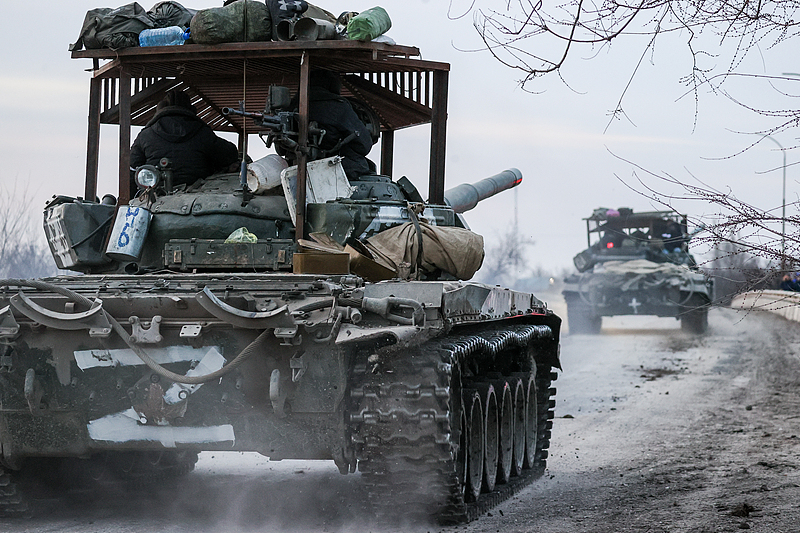
當地時間2022年2月24日,普京總統宣佈,俄羅斯武裝部隊將開展一項特別軍事行動。圖為當日克里米亞的俄羅斯軍用卡車駛近烏克蘭邊境視覺中國
接下來我們看看北約擴張的情況。我與許多西方人士交流過,他們不認為北約擴張是俄羅斯決定與烏克蘭發生衝突的主要原因,但我堅信這是其中的關鍵。實際上,俄羅斯的警告並不始於普京總統,這可以追溯到蘇聯時期。從戈爾巴喬夫到葉利欽再到普京,俄方領導都曾發出類似的警告。
那普京與前任有什麼不同呢?我認為他是那個決定不再容忍的人。烏克蘭的最終結局會如何?目前下結論還為時尚早,但我認為最有可能的結果是類似於朝鮮半島的停戰協議。不過,這種停戰協議可能會更加脆弱,因為其中一方是世界上核武儲備最多的五常之一。
我能猜測俄羅斯未來會如何行動,他們會利用核模糊政策,或者可能在未來幾十年發出更加嚴厲的核威脅。為什麼會這樣呢?原因很簡單,因為俄羅斯的常規軍力較之於冷戰時期已經大幅削弱。1982年他們曾宣佈不首先使用核武器,1993年放棄了這一承諾,因為蘇聯解體後,俄羅斯的常規實力已不如從前。
那麼,中國的情況如何呢?首先,我想談一下中國與俄羅斯的關係,它被稱為“無上限夥伴關係”,這引起了整個西方世界的擔憂。
但對我來説,這種“無上限夥伴關係”僅僅是中國希望與其最大鄰國建立友誼的一種自然描述方式。試想一下,如果我説我想與你建立友誼,但隨即聲明,我們的友誼必須有限度,你會怎麼想?讓我再給你一個例子。當我們與巴基斯坦人交談時,他們常會説中巴友誼比喜馬拉雅山還高,比阿拉伯海還深,比蜜糖還甜。你會怎麼做?你可能會微笑,也許還會點頭,因為你知道他們並沒有惡意。
第二點是,中國並不是北約所稱的“俄羅斯的決定性支持者”。我知道西方對中國出口許多可能具有軍民兩用的商品不滿。但對於兩用產品,我們首先必須假設這些產品先是民用的,而非軍用的。就像汽油和天然氣,沒人會把它們視為軍用產品。然而,如果將汽油加註到軍用卡車上,它們就可能轉變為軍用產品。因此當某物被認為是軍民兩用時,我們應該首先假設它是民用的。
中國確實加大了對俄羅斯的出口,部分原因是受到制裁的俄羅斯希望從其他地區增加進口,部分原因是中國的經濟增速不如從前,中國當然希望增加出口。但這些出口並沒有違反任何國際條約。
關於俄羅斯使用核武器的問題,我認為中國無論是普通民眾還是領導層的態度都很明確。我曾在英國《金融時報》上發表過一篇文章,最後寫道:總統先生,不要使用核武器!我知道中俄之間關係友好,但我也清楚,中國幾十年以來一直堅定不移的政策是“不首先使用核武器,不對無核國家和地區使用核武器”。
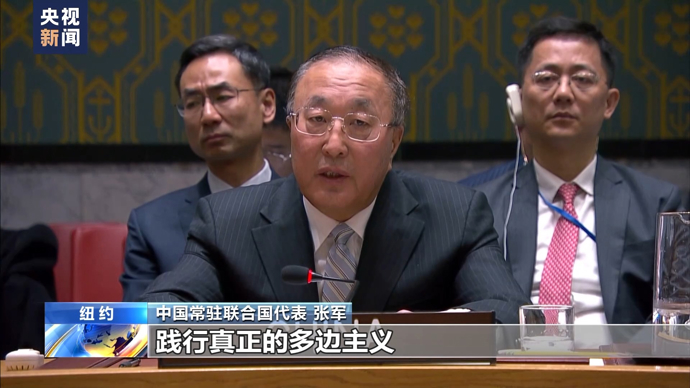
當地時間2024年3月18日,聯合國安理會就核裁軍和防擴散問題舉行公開會。中方代表表示,中國不參加任何形式的核軍備競賽,並呼籲國際社會合力推進核裁軍與核不擴散進程。
2022年11月,習近平主席對訪華的德國總理朔爾茨表示,在歐洲不能使用核武器。朔爾茨的訪華受到了某些人的批評,但他回國後表示,單是為了達成這個(不使用核武器)共識,他的訪華也是值得的。
接下來,我想説一下2022年聯合國五個常任理事國在俄烏衝突之前發佈的聯合聲明。這是一個源於冷戰時期的老口號:核戰爭打不贏,也打不得。但最有意義的是,當習近平主席2023年3月訪問俄羅斯時,在戰爭期間,中俄再次發表了包含這一句話的聯合聲明。
我認為,中國一直在努力勸説俄羅斯不要使用核武器。否則怎麼會有這樣的聯合聲明呢?因此,這意味着中國確實在努力為歐洲的和平與穩定做出積極貢獻。我們不知道俄羅斯是否會使用核武器。但我認為,中國、印度和巴西的態度對俄羅斯而言是有分量的,我也希望這些國家的觀點能發揮作用。
所以我認為,目前普京總統可能是俄羅斯領導層中最理智的人,因為他在被俄羅斯學者卡拉加諾夫問及俄羅斯是否應該使用核武器時,否認了這種可能性。
接下來,我想談談中國的核現代化。據報道,中國目前擁有500枚核彈頭,而根據五角大樓的説法,中國計劃在2035年之前將這一數量增加到1500枚。在中國,沒有人會確認這個數字,因為它被視為機密。
不過,即便這個數字是真的,中國的核武庫仍然遠遠小於美國和俄羅斯,兩國的核彈頭數量均超過5000枚。對中國而言,增加核武器數量無論是從技術上還是經濟上都簡單,因為中國掌握了相關技術,並且是全球最強大的工業國。中國的經濟規模也至少是俄羅斯的十倍。
那麼,是什麼阻止中國擁有更多核彈頭呢?我認為,主要原因在於中國不想捲入核軍備競賽,而這也在中國的國防預算中得到了很好的體現。為什麼這麼説呢?因為在國際關係中,有兩樣東西是不會騙人的。首先,地理不會説謊。你的行動會受到地理環境的極大限制,比如在朝鮮半島。
人們常常討論朝鮮可能發起核攻擊,但我們也要考慮到,朝鮮半島的整個長度僅為1200公里。既然任何核輻射顯然會遺留在朝鮮半島,那麼究竟在什麼情況下,朝鮮領導層會發動自殺性的核攻擊呢?其次,國防預算也不會説謊。無論你是否增加國防預算,這都會充分反映出一個國家對地緣環境、自我能力、對手或敵人能力的評估。
中國的國防預算在過去四十年裏一直保持在2%以下。實際上,大多數時候,中國國防預算甚至只有GDP的1.5%左右或更低。這充分反映出中國的自信心,表明中國對自身、地區乃至中美關係的信心。中國的信心至關重要,因為如果中國缺乏這種信心,或者像印度和日本那樣急劇增加國防預算,那麼整個亞太地區將會陷入混亂。
接下來,我想解釋一下中國“把自身核力量維持在國家安全需要的最低水平”的含義。這在幾份中國的國防白皮書中都有提到。最低水平究竟是多低呢?我個人的理解,要確保的是,即便中國宣佈了不首先使用核武器,其他核武器國家也不敢對中國發動先發制人核打擊。這就要求中國具備足夠的威懾力量。
眾所周知,最近中國向南太平洋發射了洲際彈道導彈。這意味着什麼?雖然中國媒體沒有透露太多細節,但我相信這增強了中國人民對其軍隊的信心,也展示了中國的軍事能力。此外,這表明中國必須對其武裝力量進行現代化建設。我認為現代化不僅僅意味着提高新的能力,還包括合理增加武器數量。否則,如果數量沒有變化,那實際上只是在進行維護。
中國的發射活動已提前通知美國,而美國對此表示了肯定。這讓我不禁思考:將來美國是否也會通知中國其核活動或洲際彈道導彈發射情況?畢竟,中美兩國已經簽署了關於重大軍事活動的互通協議。那麼,什麼算是重大軍事活動?當然,中國的洲際彈道導彈發射是其中之一。那麼,美國會不會提前通知中國其在南海的行動?或者説,是否會通知中國有關艦船將通過台灣海峽的情況?
接下來,我想討論台灣海峽發生核戰爭的可能性。中國政府依然在強調和平統一。甚至美國國防部長奧斯汀在香格里拉對話會上也表示,戰爭既不是迫在眉睫,也不是不可避免的,我對此感到高興,因為這直接否認了美國一些將軍關於中國將在2025年或2027年攻台的説法。畢竟,奧斯汀的言論應該是基於權威的信息和情報做出的。
我們不可能對台灣人民使用核武器,這幾乎是不可想象的。但是,有一些美國人,比如前國防部部長幫辦柯伯吉,以及一些智庫,如大西洋理事會,鼓吹美國在台灣海峽首先使用核武器的問題,原因在於他們認為美國在常規戰爭中正逐漸處於劣勢。我對此的看法是,我們必須讓美國放棄這個荒謬的想法。
為此,我認為我們應該增加一些核武器,這樣,在一場美國不敢對中國首先使用核武器的常規戰爭中,我們能取得勝利。
接下來,有兩個關於中國核政策的常見誤解。第一個是,中國不願意談論核裁軍。你可能聽説過很多相關説法。但我認為,這實際上取決於你想與中國討論什麼。為何不討論中國提出的“不首先使用核武器”的政策?中國會非常樂意談論這個問題。
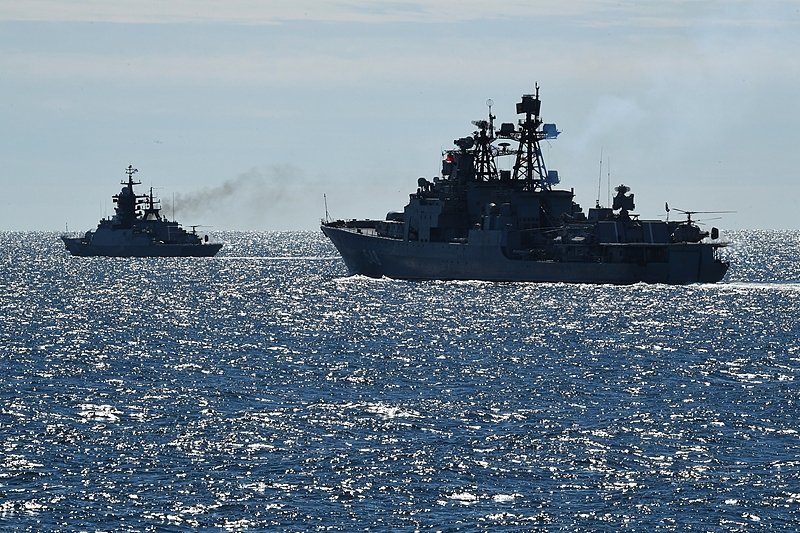
當地時間2024年9月15日,俄羅斯符拉迪沃斯托克,俄羅斯海軍“潘捷列耶夫海軍上將”號驅逐艦(右)參加了在日本海舉行的俄羅斯太平洋艦隊和中國人民解放軍海軍軍艦參加的“大洋-2024”戰略指揮和參謀海軍演習。視覺中國
然而,如果你想借此窺視中國核現代化或發展的速度和規模,可能會感到失望。因為中美如果要討論核裁軍,兩國需要大致勢均力敵,因此要麼中國需要大幅增加核武器庫存,要麼美國需要大幅減少其核庫存,這兩者都不太可能。第二個誤解則是美國最近提出的、最荒謬的《核部署指南》。報道稱,美軍可能需要為俄羅斯、中國和朝鮮的“協作核對抗”做好準備。
我的問題是,中國、俄羅斯和朝鮮何時協調過使用核武器?我幾乎無法想起中國和朝鮮軍隊何時有過聯合演習,遑論可能涉及核武器方面的合作?這種想法太瘋狂了。基於這種荒謬的分析來制定戰略簡直是毫無理性而言。
接下來,我想談談我對中美戰略穩定的看法。冷戰期間的戰略穩定主要是指核武器之間的均衡,但我認為在中美之間,我們可以實現一種更廣泛的戰略穩定,這不僅包括核彈頭的數量,還可以涵蓋新興領域,例如網絡、人工智能和太空。
我相信中美可以在這三個領域進行對話,因為雙方在這些領域的差距並不大。我在《外交事務》上發表的文章中提到,在網絡安全領域,我們應該交換一份敏感目標清單,確保在任何情況下都不攻擊這些目標。在人工智能領域,我們應確保絕對的人類控制,尤其是在核指揮和控制系統上。在外太空,我們應探討禁止在太空部署武器的可能性,正如中國和俄羅斯所提議的那樣。同時,我們也可以討論西方提出的規則和負責任行為的問題。
接下來,我想最後闡述為什麼我認為中國提出的“不首先使用核武器”政策是所有核武器國家都可以接受的。這是我最近在《外交政策》雜誌上發表過的觀點。首先,在討論核裁軍時,有兩個前提條件。第一,近期內禁止核武器是不可能的。我知道在2017年,非核武器國家提出了禁止核武器的條約,但沒有任何核武器國家會希望現在就禁止核武器。
因此,這一點是不可行的。再者,在競爭日益激烈的情況下,核武器國家也不可能希望減少自己核武器的儲備。正如我剛才提到的,中國也可能需要合理地增加核彈頭數量。然而,我相信在這兩個前提下,“不首先使用”看起來是降低核威脅的最現實的方法。
邏輯非常簡單:即使你承諾不首先使用,它也不會削弱你的還擊能力,同時你將站上道德高地。另一個原因是,經過一些研究,我發現美國、英國和法國的核政策,實際上與中國的“不首先使用”政策並沒有太大的差距。接下來讓我逐個闡述這些國家的情況。
例如,美國最近的核政策有所變化,但直到2022年,美國核態勢評估表示只會考慮在極端情況下使用核武器,以捍衞美國及其盟友和夥伴的重大利益。
令我困惑的是一個關鍵字:“重大利益”。我無法想象,美國的什麼利益或盟友的什麼利益會要求美國首先使用核武器。美國不是已經首先使用過核武器嗎?有哪些利益對美國如此重要,以至於美國需要首先使用核武器,尤其考慮到美國擁有最強大的常規軍隊和數量眾多的核彈頭?我知道美國的盟友對此感到擔憂,他們希望美國提供核保護傘。但讓我回到之前提到的例子,我們來談談朝鮮。
朝鮮時不時會發出威脅,但他們真的發動核攻擊的可能性有多大呢?任何一方在朝鮮半島使用核武器都是自殺行為,因為會留下放射性塵埃。因此,正確的問題是,在什麼情況下,朝鮮會決定自殺?答案是,除非他們相信自己再也無法生存,希望與敵人同歸於盡。若考慮朝鮮領導層的這一動機,我們就不必擔心他們會首先使用核武器來攻擊他國。
英國的核政策與美國非常相似,因為英國也只會在自衞的極端情況下考慮使用核武器。法國則承諾遵循“夠用即可”原則。綜上所述,我得出的結論是,這些國家的核政策實際上與中國的核政策並沒有太大差別。
最大的挑戰是如何讓俄羅斯參與其中。實際上,我認為俄羅斯的“先升級後降級”戰略在烏克蘭衝突中是有效的,因為到目前為止,美國依然對烏克蘭使用其提供的武器設定了一些限制。
那麼,俄羅斯如何才能放棄當前做法,承諾不首先使用核武器呢?因為這種戰略存在一種困境,因為“先升級後降級”的策略取決於他人對威脅的感受與擔憂。關鍵在於,如果人們感受到威脅,他們可能會感到恐懼。然而,如果你真的使用核武器,你就無法控制對手的報復規模,這種以牙還牙的風險可能演變為無人希望發生的全面核戰爭。對俄羅斯來説,這可能會導致北約的介入,這是莫斯科最擔心的事情。
因此我個人建議一種雙軌制。首先,在歐洲方面,我建議北約採取兩個步驟。第一步,北約可以對俄羅斯單方面作出不首先使用核武器的承諾,做出一種善意的姿態。北約真的想要對俄羅斯首先使用核武器嗎?絕對不敢。所以,他們可以做出這樣的承諾。通過這一善意的姿態,可以緩解緊張局勢。
第二步可能對北約來説有點難以接受,但仍是可以實施的。北約可以承諾停止進一步擴張,以換取俄羅斯採納不首先使用核武器的政策。北約可能會問:如果其他國家希望加入,我們為什麼要拒絕擴張?我的觀點是,俄羅斯的行為至少有北約擴張的因素,雖然這並不是全部原因,但確實是原因之一,因為俄羅斯領導人對此反覆提及。
從另一個現實的角度來看,目前只有三個國家在等待加入北約:波黑、格魯吉亞和烏克蘭。這三國與俄羅斯的關係都較為複雜。因為希望加入北約,格魯吉亞已經經歷過一場戰爭,而烏克蘭正處於戰爭中。因此,即使這三個國家加入北約,帶來的麻煩也多於好處。而且實際上沒有太多國家在等待加入北約。因此,我認為這在北約的可接受範圍內。
至於亞洲,因為中國和俄羅斯關係友好,兩國已就不首先使用核武器達成共識。如果中國和美國也能達成類似協議,將有助於減少與包括美國盟友在內的潛在衝突。
因此關鍵在於,中國和美國是否能夠達成類似的協議。有人可能會覺得我過於天真,居然相信美國會同意這樣的姿態。但我並不認為這是異想天開,我們可以從歷史中得到啓示。1998年,印度和巴基斯坦進行了核試驗。沒過多久,中國和美國迅速達成了一項罕見的協議,展現了兩個核大國之間的團結,即停止將彼此的核武器瞄準對方。兩年後,聯合國五個常任理事國於2000年都達成了核武器互不瞄準協議。
這一協議的重要性在於,它傳遞了核武器國家對世界核裁軍的善意信號。雖然意義有限,但至少它是有象徵意義的。然而,“互不瞄準”的問題是無法進行核查。你怎麼能知道我是否在瞄準俄羅斯或美國呢?但我相信,不首先使用核武器自然是該協議的下一步驟。想想看,如果核武器互不瞄準了,下一步是什麼?當然是不首先使用。我不認為不首先使用核武器只是口頭承諾。有些人可能會説,中國倡導不首先使用核武器只是一種外交伎倆。
那麼,我想誇張點説,為什麼我們不都採用這個“外交伎倆”呢?這將形成一種道德約束。互不瞄準無法核查,但是要是你首先使用了核武器,人人都看得到!不首先使用核武器的承諾對全世界有益。最後,既然所有五常國家都同意“核戰爭打不贏”,那麼我們為什麼不能承諾不首先使用核武器呢?我就説到這裏。如果有任何問題我會盡力回答。謝謝。
問答環節
聽眾一:我強烈同意“不首先使用核武器”確實是邏輯上的下一步。但我懷疑美國是否願意參與這一逐步推進的進程。
在歐洲,公眾輿論在烏克蘭問題上似乎更傾向於支持通過談判結束戰爭,而政治領導人卻朝着相反方向行動。
讓我舉一個例子。最近歐洲議會通過了一項決議,我引用一下,它呼籲“以一切可能的方式支持烏克蘭取得勝利”。在我看來,這是以一種可怕的方式去呼籲持續戰爭。
您認為美國利益是否驅動其持續烏克蘭戰爭?我認為美國的立場有兩個原因。一是為了阻止中國、歐洲和俄羅斯之間形成集團,因為從長遠來看,這個集團可能比美國強大得多。
同時,出於同樣的目的,美國還試圖破壞德國與俄羅斯之間的關係,並挑起俄羅斯與中國之間的不良關係。
周波:謝謝,我知道既有人同意,也有人反對你的觀點。
例如,《紐約時報》的專欄作家保羅・克魯格曼認為,支持烏克蘭不會花費太多,但也有其他人持相反的觀點。我認為目前美國很難找到解決方案,因為它實際上捲入了兩場戰爭。美國認為中國是“步步緊逼的威脅”,所以他們想重點聚焦中國。這兩場仗無疑會分散他們的注意力。
所以我不認為他們希望戰爭繼續下去,但正如我之前所説,沒有人知道如何結束這場戰爭。
帕格沃什駐日內瓦主任巴薩諾夫:這是一場極其有趣的辯論。我長期支持“不首先使用核武器”的原則,我明白在實現這個想法的道路上存在許多困難。就在奧巴馬離開白宮前的最後幾個月,他曾試圖以此改變美國的政策。人們普遍認為他失敗了,因為美國的盟國反對這一想法。
現在,我的分析是美國軍方安排美國一些最親密的盟國反對奧巴馬的上述努力。
我認為我們需要考慮各種因素,包括新的因素,以便在不首先使用核武器方面取得進展,解決更多問題,奠定堅實或更可靠的基礎,包括你提到的中美之間戰略穩定的重要因素,即人工智能、太空等領域。
我強烈認為,新的領域、新的能力或非核武器、非核力量正在成為一個越來越需要解決的重要因素。
有一點我需要糾正,俄羅斯關於在烏克蘭使用核武器的辯論是一種錯誤的描述。基本上除了一些白痴,包括領導層的白痴以外,沒有人提及在烏克蘭使用核武器。問題是如何阻止北約的直接介入。我認為我們需要推進 “不首先使用核武器” 的理念。我們需要開始認真討論這些想法如何運作,通過二軌外交開始。令人遺憾的是,一軌外交存在很大的障礙。我不是説不可能實現突破,但確實存在障礙,並且有必要明確利益、關切、目標、步驟、障礙等等。謝謝。
周波:謝謝你的長篇評論。因為你沒有提出問題,所以我就不回應了。
主持人:非常感謝。來自蒂莫西・賴特的兩個問題。“不首先使用核武器”條約是否包括簽署國在軍力態勢方面的改變?例如,各國繼續保持接到警告就發射態勢;核戰爭仍可能因這種誤算或意外而發生。所以問題是,你是否認為有(不首先使用的)政治聲明就足夠了?其次,中國説它不會參與核軍備競賽,卻在增加核武器平台和運載工具的數量。所以他認為所有跡象都表明中國將繼續擴大其能力,那麼這與中國的立場相符嗎?
周波:好的,讓我先回答第二個問題。首先,我認為中國增加核武器數量(如果真的發生的話)幅度不會很大,因此這不應該被視為核軍備競賽。是的,擁有更多核武器,正如我所説,這也意味着中國需要使其核力量現代化,因為中國希望使其所有軍種現代化,而火箭軍也是其中之一。
現在讓我來回答第一個問題。如果所有國家都承諾不首先使用核武器,實際上,你將自己置於全世界人民的監督之下,人們會看你是否真的能遵守承諾。如果所有有核國家都説我不會首先使用,那麼這將能鼓舞無核國家。想想看,核武器國家,尤其是美國這樣一個最強大的國家,為什麼需要首先使用核武器?
如果一羣弱小貧窮的國家之間結盟以自保,我可以理解。但如果是世界上最強大的國家之間結盟,那麼我就無法理解。如果你是最強大的國家,人們知道攻擊你的後果,因為你有足夠的報復能力。那麼為什麼你不能承諾不首先使用核武器呢?這不會降低你的報復能力。這就是我的觀點。
我也知道現在各國要採納不首先使用核武器的政策實際上有多困難。但我相信,一旦政治條件成熟,就可能會有合適的時候。2000年我們同意核武器互不瞄準對方之前,美國也有人説,這怎麼可能現實呢?我們考慮的是對方的能力,而不是意圖,因為意圖一夜之間就能改變。但是,印巴核試驗為核大國提供了一個機會,核大國必須表現出團結,必須表明反對核試驗,因為這種反對的立場符合《不擴散核武器條約》。
不擴散核武器條約Wikipedia
主持人:我們還有一些問題。安德魯的問題是,如果一個恐怖組織開發出核武器並威脅到任何一個世界大國,會發生什麼?“不首先使用”政策在這種情況下會如何發揮作用?大衞問道,為了實現“不首先使用” 政策,你認為中國可以或應該向美國在東亞的盟友提供哪些保證?
周波:關於恐怖分子的問題。第一個問題是,他們有核武器嗎?或者他們會首先使用核武器嗎?如果他們首先使用核武器,你進行報復是完全合理的,對吧?但是真正的問題在於,你如何用核武器報復一羣很容易隱藏在某個難以被探測到的地方的恐怖分子呢?
讓我們談談東亞與中國。在任何情況下,中國會對任何國家首先發動核攻擊嗎?中國宣稱對南海的很大一部分擁有主權,但到目前為止,中國根本沒有對東南亞的任何國家發出過使用武力的威脅。中國甚至正在與東盟談判南海行為準則。同樣道理,為什麼中國會想用核武器攻擊無核的日本呢?你很難舉出一個例子來説明中國有對東亞任何國家使用核武器的意圖。
我給出的唯一例子是關於朝鮮,我認為,即使朝鮮不時地用瘋狂言論發出威脅。但實際上,任何核武器的發射,即使是小型戰術核彈,都是自殺行為,因為朝鮮半島太小了。儘管有這樣的言辭,但除非他們想自殺,否則他們很難做出這個決定。唯一的問題是他們為什麼想自殺呢?答案是除非他們認為自己無法再生存下去,他們想與你同歸於盡。
聽眾二:謝謝。您能評論一下你們和朝鮮之間的關係嗎?
周波:各方就朝鮮領導人是否理性有很多爭論。但是如果你看看過去20年發生的事情,我認為可以説朝鮮走邊緣政策很成功,對吧?走邊緣政策需要大量的算計,這不是一件容易做到的事情,就像是在走鋼絲。所以我認為朝鮮領導人是理性的。
聽眾三:謝謝。我擔心的是,在涉及台灣的衝突中,衝突壓力是否會超過使用核武器的界限,以致我們仍然可能面臨核戰,特別考慮到非戰略核武器。
周波:中國有具備核能力的中程導彈。這是事實。但中國仍然承諾不首先向任何國家使用核武器。
我們把台灣人民稱為同胞。我們怎麼會對我們稱為“台灣同胞”的人民使用核武器呢?所以這是完全不可想象的。我不相信會有這樣的情景,但危險的是我剛才所説的。一些美國人,比如前國防部部長幫辦以及一些智庫公開叫囂要美國在台灣海峽使用核武器。
現在,你可以很容易地在網上搜索到這些信息。從歷史上看,美國人曾談論過對中國使用核武器。所以在這一點上我必須進行比較:當西方談論俄羅斯時,他們害怕俄羅斯會使用核武器;但當他們談論中國時,似乎他們並不害怕中國較小規模的核武庫。相反,他們談論對中國人首先使用核武器。所以對中國人來説,簡單的邏輯是我們必須增加我們的核武庫。對我們來説,正如我之前提到的,這隻需要一個政治決定。所以我想説,中國作為世界上最強大的工業國家,西方國家真的應該為中國到現在為止如此剋制而慶幸。
聽眾四:如果我們確實同意了一項全球不首先使用核武器政策,或者甚至是中美之間的雙邊不首先使用核武器政策,那會怎麼樣呢?在所有核國家都同意一項不首先使用核武器政策之後,你認為下一步應該採取什麼措施來進一步推進呢?
其次,如何對無核國家提供消極安全保證?不首先使用核武器在其中起到什麼作用呢?
周波:儘管我提出了這個建議,認為隧道盡頭有一線希望,但是希望之光很微弱,並不明亮。是的,對我們來説做到這一點很困難,儘管我相信這是正確的事情,並且對所有有核國家來説都是可行的。
之後,我認為我們必須討論前進的道路,因為全面核裁軍是人類的目標。
讓我再給你舉個例子。我剛剛簡要提到了我們在外太空的競爭。中國和俄羅斯表示不在外太空部署任何武器。我認為這很有意義。我們在地球上不是已經有足夠多的武器了嗎?為什麼還要在軌道上放置武器呢?還有什麼人類的愚蠢行為比在太空放置武器來攻擊自己的星球、自己的家園更嚴重呢?
但是美國和西方國家認為不在軌道上部署任何武器是不可能的。但我仍然相信不部署武器是可能的,因為迄今西方國家也沒有把他們部署在太空的東西描述為武器。
如果普通大眾認為我們在外太空沒有任何武器,那麼氣氛將會輕鬆得多。中國和俄羅斯的提議是基於《月球條約》的,這是從《月球條約》向前邁出的一步,該條約禁止在月球上部署任何武器。如果你們不在月球上部署任何武器,那又為什麼要在軌道上的任何地方部署武器呢?如果不是因為美國對絕對霸權的渴望,它又為何要這麼做呢?
聽眾五:我覺得中國的鄰居們擔心的不僅僅是中國的核武器,更是中國巨大的經濟實力、龐大的軍隊,以及我認為的一種擴張主義態度,比如想要控制南海。或許這阻止了美國宣佈不首先使用核武器的政策,因為它們想保留阻止或遏制中國的權利,比如説,防止中國擴張並佔領美國盟友的領土。你怎麼看?
周波:首先,對包括我在內的任何一箇中國人來説,中國經濟的蓬勃發展確實是一件好事。中國的軍事力量確實在不斷增長,這是毫無疑問的。但如果你談到南海問題,中國並沒有阻礙任何在南海的自由航行船隻。每年有大約十萬艘船在南海通行。你可曾聽到過這些船隻中有任何一艘抱怨中國阻礙了航行自由嗎?是的,中國與一些東盟國家存在領土爭端,但人們忘記一件事。這些聲索國之間本身也存在重疊的聲索。所以問題不僅僅存在於中國和東盟國家之間,問題在於中國看起來比這些國家要大得多。大讓人覺得敬畏,小讓人覺得可愛。人們喜歡小的東西,包括小黃瓜、小番茄。這是人類的本能,而不是理性。這是我能給出的唯一原因。
Zhou Bo:Thank you,Ambassador Peter Jenkins. This is indeed a great honor for me to talk to distinguished Pugwash members. I’m especially grateful that my master of St Edmund’s College Sir Brian Heap is also present,particularly because he actually is suffering from COVID.
Today,I’m going to talk on a few aspects that are nuclear and China-related. The first question is,are we already in another nuclear age? Let me quote what late Premier Zhou Enlai said when he was asked by a French journalist,“what do you think of the French revolution?” His answer was reportedly“ it is too early to tell”. Then,have we entered into a new cold war? Again,probably it is also too early to tell. But if we would have nuclear weapon states like United States to kick off nuclear tests,as suggested by a number of Americans,including former American national security adviser Robert O’brien,who encouraged Trump to conduct a nuclear test should he become reelected,I am very much sure it will be followed by others. Then we definitely can say the big bangs of nuclear test herald the dawn of another nuclear age.
Let me first talk about the possibility of a nuclear war in Europe and China’s position. According to CIA’s estimate,the chance of a nuclear war in Ukraine is at 50 %. We don’t know exactly what might happen, but according to CSIS,there are over 200 cases of Russian leadership referring to use of nuclear weapon in the context of the war in Ukraine. The question is,how serious are Russians? What we are seeing is that a few days ago,President Putin has ordered change of nuclear doctrine. Basically,that means lowering the threshold. The nuclear weapons might be used in response to an attack on Russia and Belarus using conventional weapons,if the attack poses a crucial threat to sovereignty. This kind of description about crucial threat to sovereignty actually is ambiguous,because then comes the question- What is crucial threat?
I personally believe there are a few situations in which Russia might be more likely to use nuclear weapons. One is,if they might lose Crimea,which is not quite possible in the current circumstance.
And then if they lose the four Southeastern regions that are already declared to be Russian territory under Russia’s constitution. Of course,there is a huge debate as to whether they could have full control of the four regions or not.
I believe the right answer is,nobody knows how the endgame looks like. Once I had a conversation with a Ukrainian ambassador who said something that really impressed me. I asked how long will the war last? She said “our grandchildren will continue to fight”. I don’t know whether that is true or not,but that is what she said. So this is the second possibility,but the last one probably looks most real. That is when a red line no longer looks like a red line. I believe that is the time when the situation is most dangerous. I’m referring to Ukraine fighting deeper and deeper into the Russian territory using the weapons provided by the West. If that is the red line in the beginning,it no longer looks like a red line.
Then let’s look at what has happened about the NATO expansion. I have talked to many people in the West. They don’t believe that NATO’s expansion is the very reason that Russia decided to have a conflict with Ukraine,but I believe it is. In fact,warnings from Russia do not start from President Putin. It came from the Soviet time. It came from Mikhail Gorbachev down to Boris Yeltsin to President Putin. And what makes Putin different? He’s the man who said enough is enough. So how the endgame in Ukraine would look like? It’s too early to tell,but I assume the biggest possibility is a kind of armistice,very much like that in the Korean peninsula. But this armistice would be more volatile because one party is one of the P-5 countries with the largest nuclear stockpile in the world.
I assume I know what Russia is going to do -- play with kind of a nuclear ambiguity,or make very serious nuclear threats in decades to come. Why is that? The reason is very simple. Because Russia’s conventional force has declined tremendously compared to the cold war era. Unlike in 1982 when they actually announced no first-use on nuclear weapons,in 1993,they dropped this pledge because after the dissolution of Soviet Union,Russia is no longer as strong as before in conventional forces.
Then,what about China? First of all,I need to say something about China’s friendship with Russia,which,described as “unlimited partnership”, alarms the whole West.
But for me,this kind of unlimited partnership is just a natural description of China’s good wish to develop friendship with its largest neighbor. Just think of this: If I say I want to develop my friendship with you,but then I say,hang on for a moment,this friendship has to be limited. What do you think? Let me give you another example. When we talk to Pakistanis,Pakistanis would often say China-Pakistan friendship is higher than the Himalayan mountain,deeper than the Arabian sea,and sweeter than honey. What would you do? You would smile,and probably nod your head,because you know that they mean no harm.
The second thing is,China is not a “decisive enabler of Russia” as NATO described. I know the West is not happy with China exporting a lot of items that might be dual use in nature. But when something is dual use in nature,first,we have to assume it is a civilian item rather than a military product. Just like oil and gas. Nobody considers oil and gas military products. But if it is put into the tank of a military truck,it could immediately become a military product. Therefore,when something is dual-use in nature,we have to assume it is for civilian use first.
China has indeed exported more things to Russia,partly because Russia being sanctioned needs more import from elsewhere,and partly because China of course wants to export more because Chinese economic growth has slowed down. But none of these exports is violating any international treaties. On Russia using nuclear weapons,I think in China,all people from ordinary Chinese people to Chinese leadership,the attitude is quite clear. I myself has written an opinion that was published in Financial Times ending with a sentence: don’t use nuclear weapons,Mr. President. I know the good relationship between China and Russia,but I also know it is a decades-old firm Chinese policy of not using nuclear weapons first,and not use nuclear weapons against nuclear weapon free countries and zones.
In November 2022,President Xi told visiting German chancellor Olaf Scholz no use of nuclear weapons in Europe. Olaf Scholz’s visit to China was criticized by some people. He went back and said even for this consensus,his visit to China was worthwhile.
Then I need to say something about P-5 joint statement in 2022 before Russia’s war in Ukraine. This is an old slogan coming from the cold war -- nuclear war cannot be won and must never be fought. But what is most interesting is that when President Xi Jinping visited Russia in March,2023 amid the war, again we had a joint statement between China and Russia in which this slogan was repeated. I think China has been trying its best in telling Russia not to use nuclear weapons. Otherwise,how could we have this joint statement? That means China is really trying hard to make its due contribution towards peace and stability in Europe. We don’t know whether Russia will use nukes or not. But I think the attitude of China,India,and Brazil matters for Russia. And I hope it matters.
So I believe right now,President Putin probably is the most rational person in the Russian leadership,because he denied the possibility of using nuclear weapons when he was asked by Karaganov whether Russia should use it or not,he said no.
Now let me talk about China’s nuclear modernization. Reportedly,China has 500 nuclear warheads. And it has an ambition to increase this nuclear arsenal to 1,500 by 2035 according to the Pentagon. No one in China will confirm this number because this is considered a secret in China. But even if this is true, China’s nuclear arsenal is apparently still much smaller than that of the United States and Russia. Both of them have more than 5,000 nuclear warheads. For China to increase its nuclear arsenal,technically and economically,it is simple. China has technical know-how and China is the strongest industrial nation on earth. China’s economy is at least 10 times larger than Russia.
So what is impeding China from having more nuclear warheads? I believe that is because China believes it should not enter into a nuclear arms race. China’s defense budget tells more than anything about this. Why? Because I believe in international relations,there are two things that won’t lie. Geography would not lie,because your operations would be very much constrained by geography,such as in Korean peninsula. People have been talking about how DPRK might launch a nuclear attack,but think of Korean peninsula,which is just 1200 kilometers in length. Given the nuclear radioactive dust that will surely linger on the peninsular,the question is in what kind of situation would the North Korean leader decide to launch a nuclear attack that is surely suicidal? Then,defense budget would not lie,because defense budget,whether you increase it or not,will tell your real assessment about the environment,about your self-confidence and about your adversaries or enemies.
China’s defense budget has been under 2 % for four decades. Basically,most of the time,it’s around or even lower than 1.5 % of its GDP. This tells a lot about China. It tells China is confident about itself. It tells China is confident about the region. And it even tells China is confident about the China-U.S. relationship. China’s confidence certainly matters,because if China is not confident,if it drastically increases defense budget like India and Japan,then the whole Asia-Pacific would be chaotic.
Then,let me try to explain what does “keeping the nuclear capabilities at the minimum level required for national security” mean. This is quoted in several Chinese defense white paper. What is the minimum level? My personal understanding is,no nuclear weapon states dare to launch a preemptive nuclear strike on China in spite of China’s no-first use of nuclear weapons. This in turn requires China to have adequate strength of deterrence.
Everybody knows that recently,China launched ICBM into the Southern Pacific. What does this mean? The Chinese press release didn’t tell much,but I believe it is a boost of Chinese people’s confidence in its own military. It is also a demonstration of China’s military capability. It also demonstrates that China would have to modernize its armed forces. I think modernization means new capabilities and reasonably increased quantity. If you just keep the same number,then you are just doing a maintenance job. China’s launch has been notified to the United States. The United States has expressed appreciation for this. This invited a question: would the United States also notify China about its nuclear activities or about its ICBM launches one day? Especially because China and the United States have actually signed agreement on mutual notification of major military activities. Then what are major military activities? Of course,China’s launch of ICBM is one of them. What about the United States? Would you notify China what you are going to do in the South China sea? Or when your ships are going to sail through Taiwan Strait?
Perhaps it will be surprising for you to know that I am going to talk about the possibility of a nuclear war in the Taiwan Strait. The Chinese government still talks about peaceful unification. Even the American secretary of defense Lloyd Austin said at Shangri-La Dialogue a war is not imminent or inevitable. I’m happy he talked about this,because this is a direct denial of quite a few allegations from some American generals and admirals that China is about to attack Taiwan in 2025 or 2027,so on and so forth,because Austin should have talked with authority based on briefings,information and intelligence.
We certainly would not use nuclear weapons against our own people in Taiwan. This can hardly be imagined for any Chinese. But the question is,there are some Americans like former deputy assistant secretary Elbridge Colby,or some think tanks like Atlantic Council talking about United States using nuclear weapons first in Taiwan Strait,because they believe the US military is becoming inferior to the PLA in terms of conventional warfare. My answer is that we have to let the United States give up this crazy idea. And for that to happen,I think we have to increase some nuclear weapons so we can prevail in a conventional war against the United States in which the United States dare not use nuclear weapons against China first.
There are two myths on China’s nuclear policy. One is that China doesn’t want talks on nuclear disarmament. You should have heard a lot about this. But my argument is that it really depends on what you want to talk to China. How about talking about Chinese proposal -- no first-use of nuclear weapons? China is more than willing to talk about this. But if you want to talk to China to find out the speed and scale of China’s nuclear modernization or development,probably you would become disappointed. Because for China and the US to talk about nuclear disarmament,there has to be a parity--either China has to drastically increases its nuclear stockpile,or the United States has to drastically decrease its nuclear stockpile to reach an equilibrium. None of them looks possible. The second myth is something most recent and most ridiculous,the so-called “nuclear employment guidance” of the United States. It is reported that the U.S. has to prepare for coordinated nuclear confrontation with China,Russia and North Korea simultaneously.
My question is,when have China,Russia and North Korea coordinated their nuclear weapons? I can hardly remember when China had a joint exercise with the North Korean military. How come we have coordinated our nuclear weapons? This is totally insane. People making a strategy based upon such insane analysis is crazy.
Then let me talk about what I believe is China-U.S. strategic stability. Strategic stability during the cold war refers to the equilibrium in nuclear weapons,but I believe between China and the U.S.,we can actually have a kind of strategic stability,not only on the number of warheads,but also including some new areas,that is cyber,AI and outer space.
I believe China and the US can afford to talk to each other in these three areas just because the gaps between the two sides are not so big in these areas. As I have proposed in my article in “Foreign Affairs”,in cyber,we should exchange a list of sensitive targets between China and U.S. that should not be attacked in any circumstances; In AI,we should make sure absolute human control over the command & control,especially the nuclear command & control system; and in outer space,we should discuss no-placement of weapons in outer space,as China and Russia have proposed. At the same time,we can also discuss what the West has proposed: to talk about rules and responsible behaviors.
Now let me come to the final part of what I am going to say-- Why I consider no-first use of nuclear weapons China proposed is affordable for all nuclear weapons states. This is what I have written recently in “Foreign Policy” magazine. Because I believe,first of all,there are two preconditions for us to talk about nuclear disarmament. First,it is impossible to ban nuclear weapons anytime soon. I know there is a treaty about prohibition of nuclear weapons in 2017 by non-nuclear weapons states. But none of the nuclear weapon states would wish to ban nuclear weapons now.
So it is impossible. Again,what is equally impossible is that the nuclear weapon states would wish to reduce their nuclear stockpiles amid ever intensifying competition. As I’ve just said, probably China would also have to reasonably increase its nuclear stockpile. But I believe with these two as preconditions,no first-use looks like the most realistic approach in reducing nuclear threats. Why is that? Simply put,it would not reduce your capabilities for retaliation,even if you promise no-first use. At the same time,you would enjoy moral high ground. Another reason is,I believe,after some studies,that American,British,and French nuclear policies actually are not so far away from China’s no first use. Let me come to each one of these countries.
For example,American’s recent nuclear policy has changed a bit,but until 2022,for example,in its nuclear posture review,it said that it would only consider the use of nuclear weapons in the extreme circumstances to defend the vital interests of the United States and its allies and partners. What confused me is the key word,“vital interests”. I just cannot imagine what kind of vital interests or interests of allies would require United States to use nuclear weapons first. Didn’t the United States already use nuclear weapons first? What kind of interests are so important for United States that,having the strongest conventional forces and also one of the largest numbers of nuclear warheads,the US still would have to use nuclear weapons first? I know American allies are concerned. They want the United States to provide nuclear umbrella. But let me come back to the example,which I mentioned before.
Let’s talk about the DPRK. DPRK would make threats from time to time.
But how likely would it be for them to really launch a nuclear attack? Because any use of nuclear weapons would be suicidal given the radioactive dust that would be lingering over Korean peninsula. So the right question is,in what kind of circumstances would DPRK decide to commit suicide? The answer is unless they believe they can no longer live,so they want to die with you. If we believe in the rationality of the DPRK leadership,then we do not need to worry about their first use of nuclear weapons.
The nuclear policy of UK is very much similar to that of the United States,because UK also talks about using nuclear weapons only in extreme circumstances of self-defense. And when we come to France,France has pledged to hold to a principle of strict sufficiency. This is why I have concluded that the nuclear policies of these countries actually are not that far away from China’s.
The biggest challenge is how to get Russia in. Actually,I would say Russia’s strategy to “escalate to deescalate” has worked in the war in Ukraine,because so far,the United States has still put some limits on what Ukraine can do with weapons that it has supplied. So how can Russia give it up to pledge no-first use? Because there is a dilemma of this strategy,because this strategy to “escalate to deescalate” depends on threats and fear of threats by other people. The point is,if people are threatened,they might become afraid. But if you really use nukes, you cannot control the scale of the retaliation by your adversaries,a tit-for-tat risks of becoming a full blown nuclear war that nobody wants. For Russia,it might just invite the involvement of NATO,the very thing that Moscow fears most if Russia really uses nuclear weapons.
This is why I suggest a kind of a dual track approach,my personal suggestion. In Europe,I suggest two steps for NATO. The first step is that NATO makes a unilateral no-first use pledge against Russia as a gesture of goodwill. Does NATO want to use nuclear weapons first against Russia? Never. So you can afford to make a unilateral no first use pledge. Because with this gesture,tensions can start to thaw.
Then the second step is a little bit bitter for NATO to swallow,but still affordable. That is NATO pledges to halt any further expansion of the alliance in exchange for Moscow to adopt no first use policy. NATO would say,why should I stop expansion when other countries want to join? My argument is that at least NATO’s expansion so far has a role in Russia’s response if it is not the whole reason because Russian leaders keep talking about it.
From another realistic point of view,right now there are only three countries on the waiting list to join NATO. That is Bosnia and Herzegovina,Georgia,and Ukraine. All these three countries have some troubled relationship with Russia,because they want to join NATO. Georgia and Ukraine,one had a war with Russia,another one is having a war with Russia. So these three countries’ entry into NATO would bring more trouble than benefit. Since there aren’t other countries waiting to join,I believe it is affordable for NATO.
And then in Asia,China and Russia have already agreed to no first use against each other,apparently,because of the good relationship. But if China and the United States could reach a similar agreement,then it would deescalate a lot of potential conflicts involving American allies.
So the crucial point is whether China and the United States could reach a similar agreement. People might consider I am too naïve to believe that the United States would do that. But I don’t think I’m naive if I give you a lesson from history. India and Pakistan conducted nuclear tests in 1998. Very soon,China and the United States came to something which was so rare,that is, they quickly agreed to show solidarity between two nuclear powers,that is,to de-target their nuclear weapons at each other. In two years’ time,all the P5 countries have agreed on non-targeting in 2000.
The strong point of this agreement is that it is a good sign of the goodwill of the nuclear weapons states towards world nuclear disarmament. Even if non-targeting is not that significant,at least it’s symbolic. The problem of non-targeting is it is not verifiable. How do you know if I’m targeting Russia or the United States or not? But I believe no first use is the natural step forward. Listen to this,non-targeting of nuclear weapons,what is the next step? Of course no-first use of nuclear weapons. I don’t think no first use of nuclear weapons is lip service. Some people say China’s promotion of no first use is a kind of diplomatic ploy.
But then let me exaggerate to say,how about all of us join this “diplomatic poly”? Because this would become morally binding. Non-targeting is not verifiable,but no-first use is verifiable if you use nukes! No first use is good for the whole world. Finally,since all P-5 countries have agreed that a nuclear war cannot be won,why can’t we pledge no-first use? Let me stop here and try my best to answer some of your questions. Thank you.
Comments: I agree very strongly no first use is a sort of logical step forward. But I doubt the United States will be willing to go along with this step by step process for the following reason.
It’s already becoming clear in Europe. In my opinion,a public opinion is moving in favor of supporting negotiations to end the war whilst European political leaders are moving in the opposite direction.
Just to give one example,if I may. It was the European parliament resolution recently,which was passed,which called for,and I’m gonna quote, “support in every way possible for Ukraine’s victory”. That’s a sort of horrible blood curdling cry for a continuation of war,in my opinion.
So do you think the United States has an interest in maintaining the war in Ukraine. And I think that would be for two reasons. One is to prevent a bloc between China,Europe and Russia, which would make it considerably stronger than the United States,that’s in the longer term.
And also,for that same end to foster bad relations between Germany and Russia and to encourage bad relations between Russia and China.
Zhou Bo:Thank you. I do understand that there are two kinds of people in supporting or opposing your views.
For example,Paul Krugerman,columnist of The New York Times,has actually said that supporting Ukraine would not cost much,but there are other people arguing the other way around. I believe right now,the United States is really struggling to find a solution,because it is actually involved in two wars. It believes that China is a “ pacing threat”,so they want to be focused on China. These two wars would definitely distract its attention.
So I don’t think they want the war to continue,but as I said before,nobody knows how to end this war.
Sergey Batsanov( director of Pugwash,Geneva): It’s an extremely interesting debate which has just started. I am a long-time enthusiast of no first use objective. I understand that there are many difficulties on the way to this idea. Obama tried to change the US policy from this particular aspect,just in the several last months before his departure from the White House. The common story is that he failed because the US allies objected to that.
Now,my analysis was even before that happened,that it was US military who arranged rejection of this Obama’s idea by the closest or some of the closest allies.
I think that we need to take into account a variety of factors,including new factors in order to prepare a solid or a more reliable base for making progress for no first use,including what you mentioned,when you discussed elements,important elements of strategic stability or sharing strategic stability between China and the US -- artificial intelligence,space and so on.
I would very strongly note that the new functions,new capabilities,or non-nuclear models,non nuclear forces,are becoming stronger and stronger factors that need to be addressed.
Now,one thing I need to correct. The debate in Russia about using nuclear weapons in Ukraine is a wrong description. Nobody is talking about using nuclear weapons in Ukraine,basically, except for some idiots,also high-level idiots. The question is about how to deter direct NATO involvement. To sum everything up,I think we need to move forward with the no first use; the idea I want to move,we need to start discussing seriously those ideas --how they work,starting with Track-II process,because Track-I has important limitations. I’m not saying it’s impossible,but you have the limitations. And there is a need to clarify interests,preoccupations,objectives,steps,obstacles,and so on so forth. Thank you.
Zhou Bo:Thank you for your long comment. Since there are no questions,I wish not to respond.
Comments: Thanks very much. I’ve got two questions from Timothy Wright. He asked will a proposed no first use treaty encompasses change to a signatory’s respective force posture. If countries continue to have a launch on warning posture,for instance,nuclear war can still happen through miscalculation or accident. So he’s asking if you think that political statement is sufficient,and secondly,China says it won’t enter a nuclear arms race but it is expanding the number of the platforms and delivery vehicles. So he’s arguing that all the signs are that China will continue to expand its capacities,and how does this align with Beijing’s position?
Zhou Bo: Let me come to the second question first. I think China’s increase of nuclear weapons,if it really happens,would not be on a huge margin,therefore it would not be considered a nuclear arms race. Having more nuclear weapons,this is what I said,also means that China needs to modernize its nuclear forces because China would like to modernize all its military services,Rocket Force is also one of them. Now let me come to the first question. If all countries promise no first use,actually,you put yourself in the hands of the people around the world. People will see if you really honor your promise or not. If all nuclear weapons states say I won’t be the first to use,then this is a consensus that would be encouraging for non-nuclear weapons states. Just think of this,why should we need to use nuclear weapons first,especially for the United States which is the strongest nation on earth?
If an alliance is among a group of small,poor countries for self-defence,I understand it. But if this kind of alliance is among the strongest nations on earth,then I do not understand. If you are the strongest nation,people know the consequence if they attack you,you certainly have more than enough capabilities in retaliation. So why can’t you promise no-first-use because it would not reduce your capabilities in retaliation. I know how difficult it is actually now for countries to adopt no first use. But I believe there could be a moment when political conditions are ripe. When we talk about non-targeting of nuclear weapons before 2000,there was also a voice in the United States which said,how can this be realistic? What I’m thinking about you is about your capability,not your gesture. But the Indo-Pakistan nuclear tests provide such a chance that the nuclear powers have to show a kind of solidarity. And nuclear powers have to show their opposition because their opposition is in line with NPT.
Comments: We have a few more questions. So one from Andrew,what would happen if a terrorist organization developed a nuclear weapon and threatened any of the world powers? How would no first use policy work then? David asks what assurances do you think China could or should give to US allies in East Asia about its intentions?
Zhou Bo:Well,about terrorists. First of all,do they have nuclear weapons? Or would they will use nuclear weapons first? Because if they use nuclear weapon first,if you retaliate,you are fully entitled to retaliate,right? So the genuine question actually is,how could you retaliate with nuclear weapons against a group of terrorists who could easily hide themselves somewhere? That is difficult to detect.
Let’s talk about East Asia. Let’s talk about China. Why in any circumstances would China launch a nuclear attack first on any countries? China claims large part of South China Sea,but so far, China has made no threats of using force at all toward any country in Southeast Asia. China is even negotiating a South China Sea code of conduct with ASEAN. Likewise,why would China want to use nuclear weapons against Japan which has no nuclear weapons? You can hardly give an example to say China has intention to use nuclear weapons against any country in East Asia.
The only example I gave just now is about DPRK which would make crazy remarks from time to time. But in reality,any launch of nuclear weapons,even small tactical nuclear bombs,is suicidal because the Korean Peninsula is too small. They,in spite of rhetoric,can hardly make this decision unless they want to commit suicide with someone. Then the question is why would they want to commit suicide? The answer is: unless they believe they could no longer live,so they want to die with you.
Comments: Thank you. Can you have a general comment on the relations between you and North Korea.
Zhou Bo:You see,there are so many debates about whether the North Korean leadership is rational or not. But if you look at what happened in the last 20 years,I think it is correct to say they have walked so fine on brinksmanship. Right? Brinksmanship requires a lot of the calculations,a lot of rationality-not something easily to be done,this is walking on a tight rope. So I would assume the leadership of DPRK is rational.
Comments: Thank you. I’m concerned,in a conflict over Taiwan,whether the conflict pressure would exceed this threshold,and we could still have nuclear war,and specifically in the context of non strategic nuclear weapons.
Zhou Bo:In China,there are some intermediate range missiles that are nuclear capable. That is true. But still,China has promised not to use nuclear weapons first against anyone.
We describe Taiwan people as our own compatriots. How can you imagine that we would use nuclear weapons against people whom we call “our compatriots in Taiwan”? It’s totally unimaginable. I don’t believe there is such a scenario,but what is dangerous is what I said just now. Some Americans including a former deputy assistant secretary of defense,and some think tanks openly ask the United States to use nuclear weapons in Taiwan Strait.
Now you can just google that very easily. Historically,they( in the US)talked about using nuclear weapons against China. So I have to compare: when the West talked about Russia, they’re just afraid Russia would use nuclear weapons. But when they talk about China,it seems that they are not afraid of China’s smaller nuclear arsenal. Instead,they talk about using nukes first against the Chinese. So the simple logic for Chinese is that we have to increase our nuclear arsenal. And for us,as I mentioned before,it’s just a political decision. Right? We are economically strong. We have technical know-how. We are the strongest industrial nation on earth. So I would say that the western countries should really congratulate themselves for China being so restraint until now.
Comments: let’s assume we did agree on a global no first use policy or even one bilaterally between the US and China. What do you see as the next step to build on that after a no first use policy has been agreed by all nuclear states?
Secondly,what about negative security assurances for non-nuclear weapons states? How does that play into this?
In spite of my proposal,I believe this is really the light at the end of the tunnel. It is dim light,it is not bright light. Yeah,it’s difficult for us to do it,although I believe it is the right thing to do,and it is affordable for all nuclear weapon states.
Then I believe we have to discuss about the ways forward because in NPT,total nuclear disarmament is the goal of mankind.
Let me give you another example. I just briefly mentioned about our competition in outer space. China and Russia said no placement of any weapons in outer space. I think this makes a lot of sense. Don’t we already have enough weapons on earth? Why should you place weapons in orbits? And which human folly is more monumental than places something in outer space to strike back on earth,our planet,our only homeland? But the United States and western countries just believe it is impossible not to place weapons in orbits.
They believe we can deploy them,but we need to discuss about responsible behaviors. But I still believe no placement of weapons in space is possible,because no West countries so far have described what they have deployed in space as a weapon.
So it would be much more relaxed if ordinary people think we do not have any weapons in outer space,because China and Russia’s proposal comes from the Moon Treaty,but it is a step forward from Moon Treaty,which prohibits any placement of weapons in moon. If you don’t place any weapons in moon,why would you place any weapon anywhere in orbit? If it is not for America’s desire for absolute supremacy,what is impeding Americans from doing so?
Comments: It strikes me that what worries China’s neighbors is not so much its nuclear weapons,but its huge economic power. It’s massive army,and it’s what I would say is a kind of expansionist attitude in wanting to take over the South China Sea. It prevents the US from declaring no first use policy. Because it wants to preserve the right to prevent or deter China, say,from taking over the US allies. How do you feel about that?
Zhou Bo:First,I think it’s really a good thing for Chinese economy to become booming,for any Chinese like me. China’s military is really growing. That is no doubt. But if you talk about the South China Sea,China is not impeding with any ships’ freedom of navigation in the South China Sea. There are 100,000 ships transiting through the South China Sea every year. Have you ever heard any complaint from the ships that China is impeding freedom of navigation? Yes,China has some territorial disputes with some ASEAN countries,but people forget one thing. These claimants have overlapping claims themselves. So it’s not only between China and ASEAN countries. The problem is that China looks much bigger than these countries. Big is beautiful and small is adorable. People love things small,including baby cucumber,baby tomato. That is human instinct,not rationality. That is the only reason I can give.

本文系觀察者網獨家稿件,文章內容純屬作者個人觀點,不代表平台觀點,未經授權,不得轉載,否則將追究法律責任。關注觀察者網微信guanchacn,每日閲讀趣味文章。