洪農:中俄加強北極合作,特朗普會怎麼辦?
guancha
【文/ 洪農,翻譯/ 李澤西】
在共同抵禦西方影響和追求北極治理戰略利益的推動下,中俄夥伴關係正迅速邁向新高度。這種空前的水平不僅體現在近期的聯合軍事演習上,還包括加強海上合作以及高度協調的北極政策上。
兩次引人注目的軍事演習——“北部·聯合-2024”和“大洋-2024”——充分展現了中俄軍事合作的深度。
“北部·聯合-2024”演習重點圍繞反潛戰和空中防禦展開。演習測試了兩國海軍部隊的高級互操作性,凸顯了雙方在戰略地區進行聯合作戰的準備狀態。

9月9日,中方海上艦艇編隊向演習會合區航渡 人民海軍公眾號
據報道,“大洋-2024”演習側重於保護關鍵基礎設施的模擬防禦戰略,以及在未經準備的地形上實施進攻性兩棲登陸。這些演習表明,雙方高度重視對抗北約等潛在威脅的戰備能力。
這些演習不僅旨在提升北極防禦能力,也向西方國家釋放信號,顯示中俄在地緣政治競爭激烈的地區投射軍事力量的能力。10月,中國海岸警衞隊首次與俄羅斯海岸警衞隊在北極水域聯合巡邏,這是中俄雙邊海事合作的重要里程碑。
此次行動正值中國國慶節與中俄建交75週年之際,測試了海警船在北極極端自然條件下執行任務的能力。巡邏行動覆蓋了俄羅斯專屬經濟區和阿拉斯加附近的白令海,凸顯了雙方加強海上協調的意願,同時鞏固了共同推動北極發展的戰略決心。
這些合作表明,雙方共同關注確保並開發“北方海路”。隨着北極冰層消退,這條貿易航線的重要性日益增加,不僅能縮短歐亞之間的運輸距離,還為獲取大量自然資源提供了通道。

2010 年至 2022 年間北方航道的過境通行量 極地與海洋門户
除防務外,兩國還深化了經濟和科技領域的合作,進一步將中國的“極地絲綢之路”納入北極區域框架。由於烏克蘭衝突導致西方制裁和外交孤立,俄羅斯愈發依賴中國提供經濟和技術支持;而中國則通過這一夥伴關係,確保獲取關鍵北極資源和運輸路線。面對制裁和北約在北極的存在,這一合作對雙方均至關重要。
北極日益增長的戰略意義,以及中俄不斷深化的合作關係,也引發了對特朗普在2024年1月就任總統後,美國北極政策方向的新疑問。
在第一任期內,特朗普削弱了美國對《巴黎協定》等全球氣候倡議的參與,但他對北極地區的經濟潛力表現出濃厚興趣,例如曾提議購買格陵蘭島。他還加強了美國在北極的軍事存在,旨在制衡俄羅斯,確保美國的戰略利益。2020年,他呼籲加速擴充美國破冰船隊。
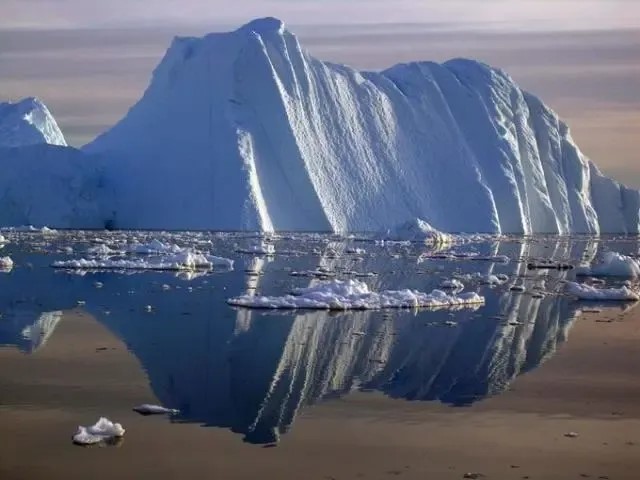
格陵蘭島 新華社
在第二個任期內,特朗普可能在北極政策上採取交易式策略,優先追求區域經濟利益,同時遏制中國在北極的擴展。他與化石燃料行業的密切關係預示着他可能放鬆環境法規,大力推動石油和天然氣的勘探開發,從而強化與中俄的資源競爭。
然而,特朗普對北約的懷疑態度,可能對該聯盟在北極的戰略協調構成嚴重挑戰。儘管北約近年來加強了在北極的存在,特朗普的立場可能削弱盟國間的合作,侵蝕集體意志並削減行動能力。他長期以來對北約資金分攤公平性的批評,已經對聯盟的團結性帶來負面影響。若特朗普政府重回“美國優先”政策,可能進一步削弱美國對多邊防務框架的承諾,令北約在北極的協調力和影響力大打折扣。
如果北約無法形成“統一戰線”,將難以有效應對中俄在北極的聯合行動,例如軍事演習和“北方海路”沿線的基礎設施建設。同時,特朗普對雙邊交易式外交的偏好,可能加劇北約內部分裂,為中俄在北極拓展合作提供更多空間。
這一局面可能促使俄羅斯更大膽地鞏固其在北極治理中的主導地位,特別是在安全領域。而中國在推動“極地絲綢之路”戰略時,也可能面臨更少阻力。北約戰略凝聚力的削弱不僅將改變北極地區的力量格局,還可能進一步加劇全球地緣政治的複雜性。

“冰上絲綢之路”建設熱度增強,圖為俄羅斯摩爾曼斯克拍攝的浮動重力式平台 新華社
應對這些風險需要採取精細的戰略,在特朗普可能的政策轉變與維護北約的“北極團結”之間取得平衡。通過加強與北極其他利益相關方的夥伴關係,並探索科學研究和可持續發展等非軍事合作方式,或可緩解多邊合作弱化所帶來的不穩定。
西方國家需制定可持續的北極政策,將資源開發與環境管理相結合,以均衡應對該地區日益增長的經濟潛力。
特朗普政府可能會優先考慮雙邊協議,而非多邊框架,這可能加劇對北極資源的競爭,並削弱北約的合作勢頭。

2017年12月8日,中俄能源合作重大項目——亞馬爾液化天然氣項目第一條LNG(液化天然氣)生產線正式投產,這一項目是中國提出“一帶一路”倡議後實施的首個海外特大型項目,也是全球最大的北極LNG項目,對中國海外能源合作、提升中國在世界能源市場話語權具有重要意義 新華社
氣候變化加速了北極資源開發的可行性,也進一步放大了該地區的地緣政治競爭,使各方面臨的風險不斷增加。通過採取合作方式並保持開放的對話渠道,各方有機會有效應對這些挑戰,推動建立包容性的北極治理框架,平衡包括中俄在內的各方利益,促進區域穩定與共同發展。
英文原文:
The China-Russia partnership has reached unprecedented levels, propelled by mutual strategic interests in Arctic governance and a shared objective of countering Western influence. This partnership is reflected in recent joint military activities, enhanced maritime cooperation, and increasingly integrated Arctic policies.
Two high-profile military exercises – “Northern/Interaction-2024” and “Ocean-2024” – highlight the depth of China-Russian military cooperation.
The Northern/Interaction-2024 exercise emphasised anti-submarine warfare and aerial defence. The drills tested advanced interoperability between the two nations’ naval forces, underscoring their preparedness for joint operations in sensitive regions.
Ocean-2024 reportedly focused on simulated defensive strategies to protect vital infrastructure and on offensive amphibious landings on unprepared terrain. These simulations reflect an emphasis on maintaining operational readiness against potential threats such as those posed by Nato.
These exercises are not only about shoring up Arctic defence capabilities; they also send signals to Western nations, emphasising the partnership’s ability to project power in the geopolitically contested region. The Chinese coastguard’s first joint patrol with its Russian counterparts in Arctic waters last month marked a significant milestone in bilateral maritime cooperation.
Conducted during China’s National Day celebrations and the 75th anniversary of Sino-Russian diplomatic relations, the operation tested the vessels’ ability to perform in challenging Arctic conditions. Operating in Russia’s exclusive economic zone and the Bering Sea near Alaska, the patrol highlighted enhanced maritime coordination and reinforced their shared commitment to Arctic ambitions.
This cooperation suggests a shared focus on securing and developing the Northern Sea Route, a trade route with increasing global importance due to retreating Arctic ice. The route not only offers a shorter transit passageway between Europe and Asia but also provides access to vast natural resources.
Beyond defence, both nations have deepened economic and scientific cooperation, further embedding China’s “Polar Silk Road” into the region’s framework. Russia, facing Western sanctions and diplomatic isolation due to its war in Ukraine, increasingly leans on China for economic and technological support. In turn, Beijing secures access to critical Arctic resources and transport routes. This alliance is vital for both nations as they challenge sanctions and Nato’s Arctic presence.
The Arctic’s growing strategic significance and the deepening China-Russia partnership spark fresh questions about the direction of US policy under Donald Trump when he takes office as president in January.
During his first term, Trump undermined US involvement in global climate initiatives like the Paris Agreement, but showed a strong interest in the Arctic region’s economic potential, as seen with his proposal to purchase Greenland. Trump also reinforced the US military’s Arctic presence, aiming to counterbalance Russia and secure US strategic interests. In 2020, Trump called for an accelerated expansion of the US icebreaker fleet.
In his second term, Trump may adopt a transactional approach to Arctic policy, emphasising economic access to regional resources and opposing China’s increasing Arctic presence. His ties to the fossil fuel industry suggest he will roll back environmental regulations to encourage oil and gas exploration and compete with Russia and China.
Meanwhile, Trump’s scepticism towards Nato could undermine the alliance’s cohesive Arctic strategy. While Nato has recently bolstered its presence in the Arctic, a Trump presidency could strain allied coordination, potentially weakening collective resolve. Trump’s past critiques of Nato, including questioning its financial fairness, have cast doubt on the alliance’s unity. A renewed focus on “America first” policies might deprioritise US commitments to multilateral defence frameworks.
Without a united front, Nato might struggle to effectively deter joint China-Russia activities such as military drills and infrastructure projects along the Northern Sea Route. Trump’s preference for transactional diplomacy could prompt bilateral deals with Arctic stakeholders, diluting Nato’s influence and opening avenues for China and Russia to leverage regional fragmentation in their favour.
Such scenarios could embolden Russia to assert greater dominance over Arctic governance, especially in security matters, and enable China to advance its “Polar Silk Road” initiative under reduced scrutiny. The potential erosion of Nato’s strategic cohesion would shift the balance of power in the Arctic and complicate broader global dynamics.
Addressing these risks requires a nuanced strategy that balances Trump’s possible policy shifts with the preservation of Nato’s Arctic unity. Strengthening partnerships with other Arctic stakeholders and exploring non-military avenues of cooperation, such as scientific research and sustainable development, could help mitigate the destabilising effects of reduced multilateral engagement.
Increased Sino-Russian partnership in the Arctic brings to the fore key considerations for the West. Collaborative activities, such as joint drills, underscore the need for enhanced vigilance and robust defence capabilities to safeguard critical Arctic territories and infrastructure. Western nations must also urgently craft sustainable Arctic policies that align resource development with environmental stewardship, ensuring a balanced approach to the region’s growing economic potential.
The next Trump administration might prioritise bilateral agreements over multilateral frameworks, fostering competition for Arctic resources while potentially reducing Nato’s collaborative momentum. This could create openings for China and Russia to expand their influence in Arctic governance and energy policy. This makes dialogue to mitigate tensions and foster coexistence all the more important.
The Arctic is increasingly emerging as a focal point for international cooperation and competition. China and Russia, while strategically aligned, have distinct national priorities and ambitions to shape the regional order. For Western nations, this partnership calls for nuanced and coordinated strategies that balance engagement with preparedness.
As climate change accelerates resource accessibility and amplifies geopolitical interest in the Arctic, the stakes remain high for all stakeholders. By pursuing collaborative approaches and maintaining open channels of communication, the West can effectively navigate these challenges, promoting an inclusive framework for Arctic governance that considers the interests of all regional players, including China and Russia.