【科技】中國的機械化棉花種植:超越美國的成功?_風聞
龙腾网-25分钟前
【來源龍騰網】
正文原創翻譯:
視頻內容
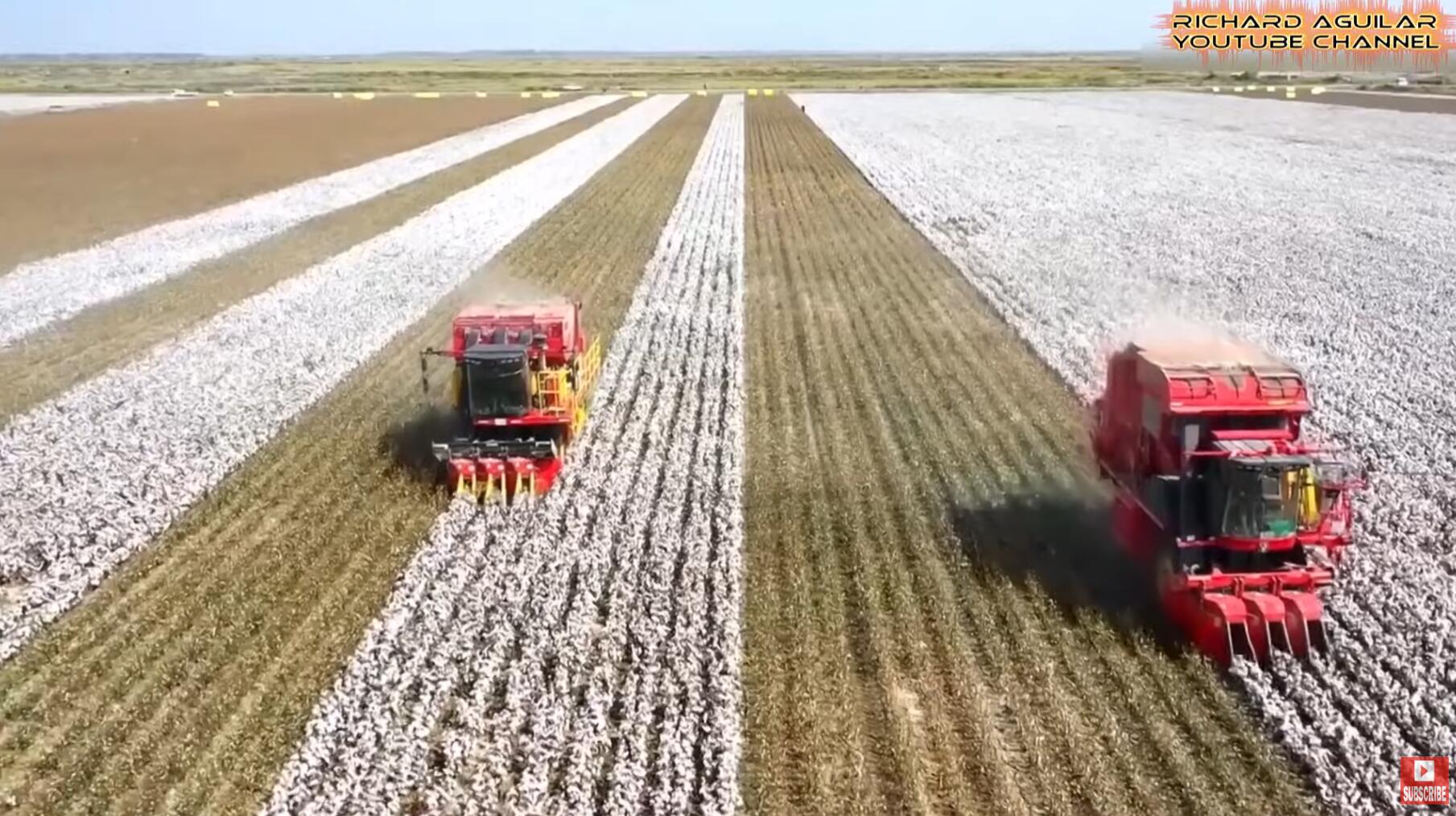
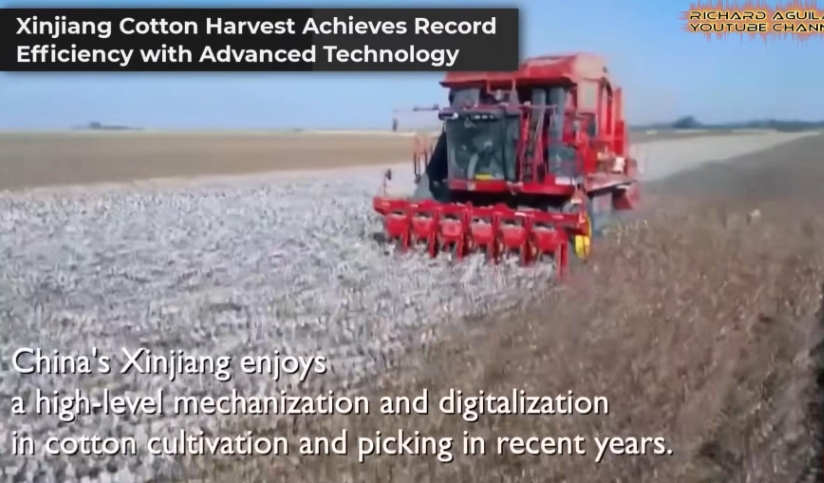
xinjiang, China’s largest cotton-growing region, has undergone a transformative shift in cotton farming in recent years through the adoption of cutting-edge technology, achieving efficient, rapid, and sustainable production. The use of fully mechanized advanced harvesters has significantly improved cotton harvesting efficiency. Self-propelled cotton pickers can complete picking, compressing, and packaging in just 10 minutes, covering up to 33.3 hectares per day, greatly reducing labor demands. These machines, supported by the BeiDou Navigation Satellite System, operate with high precision, ensuring that cotton is harvested without damaging the plants. Additionally, mechanization has overcome the limitations of traditional harvesting methods, which were time-consuming and labor-intensive, reducing reliance on pesticides and manual labor and minimizing ecological impact.
新疆是中國最大的棉花種植區,近年來通過引入尖端技術,棉花生產實現了高效、快速和可持續的轉型。全機械化先進收割機的應用,顯著提升了棉花收穫的效率。自走式棉花采摘機能在10分鐘內完成採摘、壓縮和打包,每天可覆蓋33.3公頃的土地,大幅減少了對勞動力的需求。這些機器依託北斗導航衞星系統,以高精度作業,確保棉花收穫時不損傷植株。此外,機械化還克服了傳統收穫方法耗時、勞動密集的侷限,減少了對農藥和人工的依賴,降低了生態影響。
Over 90% of cotton harvesting in northern xinjiang has been automated, setting a national benchmark for agricultural technology adoption. In southern xinjiang, the mechanization rate stands at 40%, but this figure is steadily rising with the widespread use of modern machinery. In 2021, xinjiang’s cotton production reached a record high, with an average yield of 245.2 kilograms per hectare. The extensive use of self-propelled harvesters and multi-row pickers has significantly accelerated the harvesting process. The integration of smart systems and automation has further optimized resource utilization and reduced waste. xinjiang’s cotton industry is highly competitive globally, with the mechanization rate expected to reach 95% in the coming years.
北疆地區90%以上的棉花收穫已實現自動化,成為全國農業技術應用的典範。南疆的機械化率雖為40%,但隨着現代機械的普及,這一比例正在穩步上升。2021年,新疆棉花產量創下新高,平均每公頃產量達245.2公斤。自走式收割機和多行採摘機的廣泛應用,使棉花收穫速度大幅提升。智能系統和自動化的引入,進一步優化了資源利用,減少了浪費。新疆棉花產業在全球範圍內具有高度競爭力,預計未來幾年機械化率將達到95%。
The Chinese government places great emphasis on mechanized cotton farming, offering subsidies and incentives to encourage farmers to invest in advanced technologies. This support has facilitated the transition from manual labor to automated systems, driving the modernization of agriculture. Beyond harvesting equipment, the use of drones and self-driving tractors has significantly enhanced the precision of cotton field management. Plant protection drones can accurately spray fertilizers and pesticides, reducing chemical usage and environmental impact. Self-driving tractors equipped with GPS and AI systems optimize plowing, planting, and fertilizing processes, improving production efficiency.
中國政府對機械化棉花種植高度重視,通過補貼和激勵措施,鼓勵農民投資先進技術。這一支持幫助農民從手工勞動轉向自動化系統,推動了農業現代化進程。除了收穫設備,無人機和自動駕駛拖拉機的應用也顯著提升了棉田管理的精度。植保無人機可精準噴灑肥料和農藥,減少化學品使用,降低環境影響。配備GPS和AI系統的自動駕駛拖拉機則能優化犁地、播種和施肥等環節,提高生產效率。
xinjiang has also developed new cotton varieties resistant to pests, diseases, and drought. These varieties not only increase yields but also reduce reliance on water and pesticides, further promoting sustainable agriculture. Despite the increasing level of mechanization, farmers continue to play a vital role in cotton farming. They pool resources through cooperatives, share machinery, and actively participate in the application and management of technology. For example, the 50,000 hectares of cotton fields in Monis County in northern xinjiang have fully adopted modern harvesting technologies, with the mechanization rate rapidly increasing, serving as a model for other regions.
新疆還培育了抗病蟲害、抗旱的新棉花品種,這些品種不僅提高了產量,還減少了對水和農藥的依賴,進一步推動了可持續農業的發展。儘管機械化程度不斷提高,農民仍在棉花種植中扮演着重要角色。他們通過合作社集中資源,共享機械設備,並積極參與技術應用和管理。例如,北疆莫尼斯縣的5萬公頃棉田已全面採用現代收穫技術,機械化率快速提升,成為其他地區的示範。
原創翻譯:龍騰網 https://www.ltaaa.cn 轉載請註明出處
The cotton harvesting season in xinjiang, which runs from early autumn to late October, attracts significant attention each year. As the core region of China’s cotton production, xinjiang contributes nearly 90% of the nation’s output. The use of high-tech harvesting machinery enables farmers to complete harvesting quickly and efficiently, reducing losses caused by weather and spoilage. Mechanization has not only boosted productivity but also solidified xinjiang’s position as the world’s largest cotton producer. With continuous technological advancements, xinjiang’s cotton farming is moving toward higher yields and lower environmental impact, paving the way for a sustainable future.
新疆棉花收穫季節從初秋持續到十月底,每年都備受關注。作為中國棉花生產的核心區域,新疆貢獻了全國近90%的產量。高科技收穫機械的應用,使農民能夠快速高效地完成收穫,減少天氣和腐爛帶來的損失。機械化不僅提高了生產力,還鞏固了新疆作為全球最大棉花生產者的地位。隨着技術的不斷進步,新疆棉花種植正朝着更高產量、更低環境影響的可持續方向發展。