基式外交:伊朗核問題乃大西洋聯盟的試金石 @《基式外交研究》2025年第10期_風聞
大外交智库GDYT-大外交青年智库官方账号-以外交安全为主的综合性战略研究机构、社会青年智库2小时前
**作者:**亨利・A・基辛格
**來源:**大外交青年智庫基式外交研究中心《基式外交研究》2025年第10期
**文源:**Kissinger, Henry A. “Iran: A Nuclear Test Case.” The Washington Post, March 8, 2005.
**聲明:**基式外交研究中心轉載、編譯與翻譯的內容均為非商業性引用(學術研究),不作商用,如有問題請即刻聯繫
一、中文翻譯
布什總統近期的歐洲之行與他首任期的氛圍截然不同。與伊拉克戰爭前夕不同,此次大西洋兩岸均致力於縮小分歧、尋求共識。然而,**良好氛圍僅是制定共同政策的第一步。**伊朗核問題或將成為試金石——要麼讓跨大西洋聯盟更加緊密,要麼在形勢迫近時再次撕裂聯盟關係。
亟待解決的核心問題包括:
當盟友宣稱反對伊朗擁核時,這是“不可取”還是“不可接受”的定性?
聯盟是否僅滿足於外交手段,抑或準備好在外交失敗後採取進一步行動,其底線何在?
反對核擴散是普世原則(包括民主國家),還是僅針對伊朗、朝鮮這類“流氓政權”?
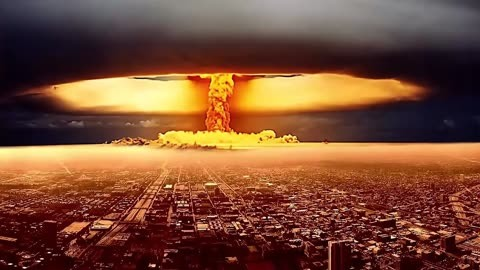
聯盟必須首先明確核擴散下一階段的後果。我認同美國的觀點:核武器擴散至動盪地區將徹底改變國際格局,其威脅遠超冷戰時期的核威懾夢魘。這種趨勢極可能導致全球性災難,最終催生強制性國際核管控機制。
**冷戰時期的威懾邏輯基於兩大前提:核戰爭必然導致千萬級傷亡;且必須展現承受風險的決心(至少在臨界點前),才能阻止極權主義擴張。**當時的威懾有效,是因為全球僅存在兩個戰略主體,雙方對核戰爭風險的評估基本對稱。**但隨着核武擴散,威懾的數學公式變得愈發脆弱:難以判斷威懾對象、威懾邏輯失效、新核國家可能將核武作為對抗國際秩序的屏障,且核大國對周邊核衝突的反應難以預測。**巴基斯坦向朝鮮、利比亞、伊朗的秘密核擴散網絡更證明,即使非流氓國家參與擴散,也會對國際秩序造成重大沖擊。
因此,抵制核擴散本身才是關鍵。擴散國的政權性質雖加劇問題緊迫性,但並非決定性因素。
**大西洋聯盟的分歧可能集中在應對策略上。**歐洲傾向於將外交作為主要手段,視其為“軟實力”的象徵性實踐。部分歐洲國家寧可接受核擴散風險,也不願承受共同施壓的代價。美國政府則明確伊朗擁核“不可接受”,強調需保留外交以外的選項。儘管口頭支持外交路徑,但美國始終迴避具體參與方式——部分原因是保留政權更迭選項(這遭到歐洲領導人明確反對)。問題在於:
能否將兩種策略結合?
美國能否克服外交模糊性,歐洲能否接受遞進式施壓方案?
**在核擴散問題上,“軟實力”與“硬實力”的界限本就模糊。外交本質是向對方展示政策選項的利弊權衡,無論措辭如何優雅,都隱含施壓能力,尤其對敵對國家而言。**歐洲談判代表在伊朗核問題上進展有限,正是因為美國在僵局時可能採取行動的隱性威懾。美歐協商的核心應是外交時機、內容及後續措施的協同,而非手段優劣的爭論。
**防擴散外交的核心在於時間博弈。**英法德三國談判的最低目標是通過技術障礙延緩伊朗核進程,而伊朗則試圖縮短核武研發週期,以便週期性勒索新讓步。歐洲提出的激勵方案需設定明確上限,否則可能誘發更多國家效仿,將核擴散作為獲取利益的手段。
伊朗宣稱發展核能是為了發電,但作為石油大國,核能實為資源浪費。**其真實意圖是獲取戰略屏障,阻止外部干預其意識形態驅動的革命外交。**這種矛盾心理導致伊朗在榨取最大利益與保持戰略警惕間搖擺——激勵措施既增加其對目標國家的依賴,又意味着融入其長期抗拒的國際秩序。
**有效政策需滿足兩個條件:一是實現伊朗可核查的無核化(至少軍事層面),這是檢驗政策的唯一標準;二是歐洲需承諾在外交失敗後採取進一步行動。**伊朗可能利用外交拖延至布什第二任期,同時推進核計劃至“臨門一腳”狀態,並儘可能獲取經濟與技術利益而不履行裁軍承諾。聯盟外交應聚焦打破此類策略,建立可核查的無核化標準。
若如布什總統所言即將開啓密集外交階段,美國必須實質性參與——至少在激勵方案設計層面,可能還需直接參與談判。單純依賴政權更迭來阻止核計劃並不可靠:政權更迭耗時可能超過伊朗核計劃週期,且新政權很可能延續核武政策。
現階段無需(也不應)採取美伊雙邊對話。賴斯國務卿已指出伊朗阻礙全面談判的行為,包括支持恐怖組織(如真主黨)和破壞伊拉克穩定。可借鑑朝核問題六方會談機制,構建多邊談判框架。
冷戰經驗表明,談判應與戰略紅線設定同步進行。里根總統在稱蘇聯為“邪惡帝國”的同時,仍致信勃列日涅夫尋求對話。必須避免重蹈伊拉克戰爭覆轍:初期策略一致,後期戰略分歧導致危機。
隨着美國採取更靈活策略,歐洲需理解:正是美國堅持伊朗擁核不可接受,才迫使伊朗在核問題上展現有限靈活性。最終,我們不能在涉及國家安全的問題上讓渡否決權,但應確保單邊行動作為最後選項。
真正的聯盟防擴散政策需明確:
伊朗核能力形成前的窗口期有多長?
何種策略能有效阻止其核計劃?
如何防止外交成為擴散合法化工具?
外交失敗後將採取哪些強制措施?
如何界定外交僵局?
必須牢記:失敗將使我們面臨遠超冷戰時期的核威脅。
二、英語原文
President Bush’s recent visit to Europe took place in an atmosphere vastly different from that of his first term. Unlike the prelude to the Iraq war, this time, each side of the Atlantic seemed determined to minimize differences and seek areas of agreement. At the same time, an improved atmosphere is only a first step toward defining common policies. This is why the issue of nuclear weapons in Iran may well turn into a test case, either bringing the alliance closer together or rending it again when its dynamics brook no further procrastination.
The following questions must be answered with some urgency: When the allies proclaim that they oppose nuclear weapons for Iran, do they mean that these weapons are undesirable or that they are unacceptable? Do the allies intend to confine their efforts to diplomacy, or are they prepared for other measures if diplomacy fails, and how far are they willing to go on such a course? Is the opposition to the spread of nuclear weapons generic – does it extend even to fully democratic countries? Or is it because of the rogue quality of the regimes farthest advanced on the road toward acquiring nuclear weapons: Iran and North Korea?
The alliance needs, above all, clarity on the consequences of the next stage of proliferation. In the American view – which I share – the spread of nuclear weapons, especially into regions of revolutionary upheaval, will produce a qualitatively different world whose perils will dwarf the worst nuclear nightmares of the Cold War. Such a world is all too likely to culminate in a cataclysm followed by an imposed international regime for nuclear weapons.
All Cold War administrations navigated in the awful calculus of deterrence: the certainty that the decision to use nuclear weapons could involve tens of millions of casualties, coupled with the awareness that a demonstrated willingness to run the risk – at least up to a point – was essential if the world was not to be turned over to ruthless totalitarians. Deterrence worked because there were only two major players in the world. Each made comparable assessments of the perils to it from the use of nuclear weapons. But as nuclear weapons spread into more and more hands, the calculus of deterrence grows increasingly ephemeral, and deterrence less and less reliable. It becomes ever more difficult to decide who is deterring whom and by what calculations. Even if it is assumed that aspirant nuclear countries make the same calculus of survival as the established ones with respect to initiating hostilities against each other – an extremely dubious judgment – new nuclear weapons establishments may be used as a shield to deter resistance, especially by the United States, to terrorist assaults on the international order. Nor is it certain how nuclear powers will react to nuclear war on their doorstep. Finally, the experience with the “private” proliferation network of apparently friendly Pakistan with North Korea, Libya and Iran demonstrates the vast consequences to the international order of the spread of nuclear weapons, even when the proliferating country does not meet the formal criteria of a rogue state.
For all these reasons, it is the fact of further proliferation that needs to be resisted. The quality of a regime that undertakes proliferation compounds the problem and provides a sense of urgency, but it is not the decisive factor.
It is over how to resist the process of proliferation that disagreements are likely to occur within the Atlantic Alliance. Our allies tend to view diplomacy as the principal tool and to see in such a strategy the symbolic expression of their preferred – if not exclusive – reliance on “soft” power. Some would rather face the perils of a proliferation world than the risks of avoiding it by common pressures. The administration holds the view that Iranian nuclear weapons are unacceptable in the literal sense and stresses the need for options beyond diplomacy. It affirms its support for a diplomatic course, though it has been reluctant to indicate a particular method for actively engaging itself – partly to keep open the option of regime change as a solution (a course most European leaders explicitly reject). Is it possible to merge the two approaches? Can the United States overcome its reluctance to define the content of diplomacy, and can Europe agree to a strategy of escalating pressures if diplomacy falters?
With respect to proliferation, the distinction between “soft” and “hard” power is elusive. Diplomacy is about demonstrating to the other side the range of both the benefits and the penalties of its policy options. No matter how elegantly phrased, diplomacy by its nature implies an element of pressure and a capacity for it, especially toward adversaries. One reason why European negotiators have made the limited progress they have on the nuclear issue with Iran is the implied threat of actions the United States might take in case of deadlock. The essential consultation between the United States and Europe should concern the timing and content of diplomacy and the strategy for measures beyond it, not their relative merits.
The diplomacy of nonproliferation is in large part about the use of time. The three allied countries conducting the negotiations – Britain, France and Germany – strive at the very least to gain time by erecting the maximum technical obstacles to building nuclear weapons. Iran seeks to reduce the time needed to complete a weapon, at a minimum to be in a position to extort new concessions periodically as the price for continuing its so-called restraint. The European negotiators are striving to generate a package of incentives to induce Iranian restraint. At the same time, there is a limit to the incentives that even the most passionate advocates of diplomacy should be prepared to offer lest they encourage proliferation to more and more countries as a means of extorting packages of similar benefits.
Iran insists that it has every right to aspire to acquiring nuclear technology, if only to enhance power generation. In fact, for a major oil producer such as Iran, nuclear energy is a wasteful use of resources. What Iran really seeks is a shield to discourage intervention by outsiders in its ideologically based revolutionary foreign policy. This is why Iran oscillates between extracting the maximum number of “incentives” from the European negotiators and profound suspicion of them. For the so-called incentives increase Iran’s dependence on the states against which the proliferation is, in the end, directed; they imply an entry by Iran into a world order it has heretofore rejected.
For a coordinated policy to succeed, two conditions must be met: The purpose must be the verifiable denuclearization – at least in the military sense – of Iran. That – and not gaining time to delay American pressures – is the test of policy. Second, the European allies must be willing to consider measures beyond diplomacy if diplomacy deadlocks. Iran may well view diplomacy as a way to gain time, perhaps through the Bush administration’s second term, in the meantime continuing to maneuver for a position from which there is only a short, final step to a nuclear weapons program. And it may try to pocket as many incentives of long-term usefulness to its economy and nuclear program as it can induce Western negotiators to offer, without taking the final step toward nuclear disarmament. Allied diplomacy should be designed to overcome these tactics and establish criteria for verifiable denuclearization.
If, as President Bush repeatedly emphasized on his European trip, an intense diplomatic phase is about to begin, some kind of U.S. participation will be necessary, at a minimum with respect to the incentives part of the diplomacy and probably in its conduct as well. This is partly because reliance on regime change in Iran – however desirable in the abstract – to stop its nuclear weapons program may prove not relevant to the issue. Bringing about regime change could take longer than the time estimated for Iran’s completion of its nuclear weapons program. And if the post-ayatollah regime insists on maintaining the weapons program – as seems probable – the nuclear dilemma will persist even after the mullahs are gone from the scene.
Such a course need not – indeed, it should not at this stage – take the form of a bilateral Washington-Tehran dialogue. Secretary of State Condoleezza Rice has called attention to the aspects of Iranian policy that impede across-the-board negotiations, including the support of groups relying on terrorism (such as Hezbollah) and the policy of fomenting instability in Iraq. But a framework similar to the Beijing six-party forum for dealing with the North Korean nuclear problem would serve to explore the viability of the diplomatic option.
During the Cold War, it was the settled policy of several administrations to use negotiations to explore the prospects for diplomatic progress, but at the same time to lay down markers to explain the stage at which confrontation became inevitable and the reason for it. At almost the same time he was calling the Soviet Union the evil empire, President Ronald Reagan wrote a letter to Soviet leader Leonid Brezhnev inviting him to a dialogue. What must not happen is a repetition of the pattern preceding the Iraqi war: initial agreement on tactics succeeded by a crisis over strategy.
As the United States adopts more flexible tactics, our European allies need to understand that it is the insistence on the unacceptability of Iranian nuclear weapons that has provided perhaps the principal incentive for what little flexibility Iran has shown on the nuclear issue to date. In the end, we cannot grant a veto to other nations on matters affecting national security and global stability. But we can conduct policy in such a way that unilateral action emerges as a last resort.
A genuine allied nonproliferation policy must therefore achieve clarity on these issues: How much time is available before Iran has a nuclear weapons capability, and what strategy can best stop an Iranian nuclear weapons program? How do we prevent the diplomatic process from turning into a means to legitimize proliferation rather than avert it? What range of pressures is to be implemented if diplomacy fails? How do we determine that diplomacy had deadlocked? We must never forget that failure would usher us into an era of dangers dwarfing the nuclear perils and uncertainties surmounted in the Cold War.