獨家|克什米爾風雲再起,大國競逐能否換來真正的和平?(中英對照)_風聞
北京对话-北京对话官方账号-北京枢纽型国际对话智库平台,致力于中外交流昨天 11:36
Club提要:4月22日,印控克什米爾帕哈爾加姆鎮發生嚴重恐襲事件,造成至少26名遊客死亡。印度政府迅速將責任歸咎於巴基斯坦,並宣佈中止維持六十餘年的《印度河河水條約》,使緊張局勢進一步升級。
巴基斯坦信德大學國際關係系助理教授西拉傑·尼扎馬尼應北京對話邀請撰寫英文評論認為,印度政府的倉促定責,忽視了克什米爾衝突正在發生的三個本質變化:一是武裝分子本土化,大量當地青年因政治疏離感加入極端組織;二是衝突性質已從跨境恐怖主義轉變為內生性暴力;三是印度強硬政策正在產生反噬,連遠離邊境的旅遊區也頻遭襲擊。
尼扎馬尼強調,克什米爾問題早已超越邊境恐怖主義範疇,成為一場深層的政治與社會危機。解決之道不在於軍事對抗或民族主義動員,而在於開展包容性政治對話,尋求各方都能接受的妥協方案,特別是要重視長期被邊緣化的克什米爾民眾的正當訴求。
Club Briefing: On April 22, a severe terrorist attack occurred in Pahalgam, in Indian-administered Kashmir, killing at least 26 tourists. The Indian government swiftly blamed Pakistan and announced the suspension of the Indus Waters Treaty, a landmark agreement that had remained in place for over sixty years, further escalating regional tensions.
Siraj Nizamani, Assistant Professor of International Relations at the University of Sindh in Pakistan, wrote a commentary at the invitation of the Beijing Club for International Dialogue, arguing that the Indian government’s hasty attribution of blame overlooks three fundamental shifts in the nature of the Kashmir conflict: first, the increasing localization of militancy, with many disillusioned local youths joining extremist groups; second, a transformation from cross-border terrorism to internally driven violence; and third, the counterproductive effects of India’s hardline policies, as even tourist areas far from the border are now frequently targeted.
Nizamani emphasizes that the Kashmir issue has long surpassed the framework of cross-border terrorism, becoming a deep political and social crisis. The solution does not lie in military confrontation or nationalist mobilization, but in inclusive political dialogue aimed at finding a compromise acceptable to all sides — especially by addressing the legitimate grievances of the long-marginalized Kashmiri population.
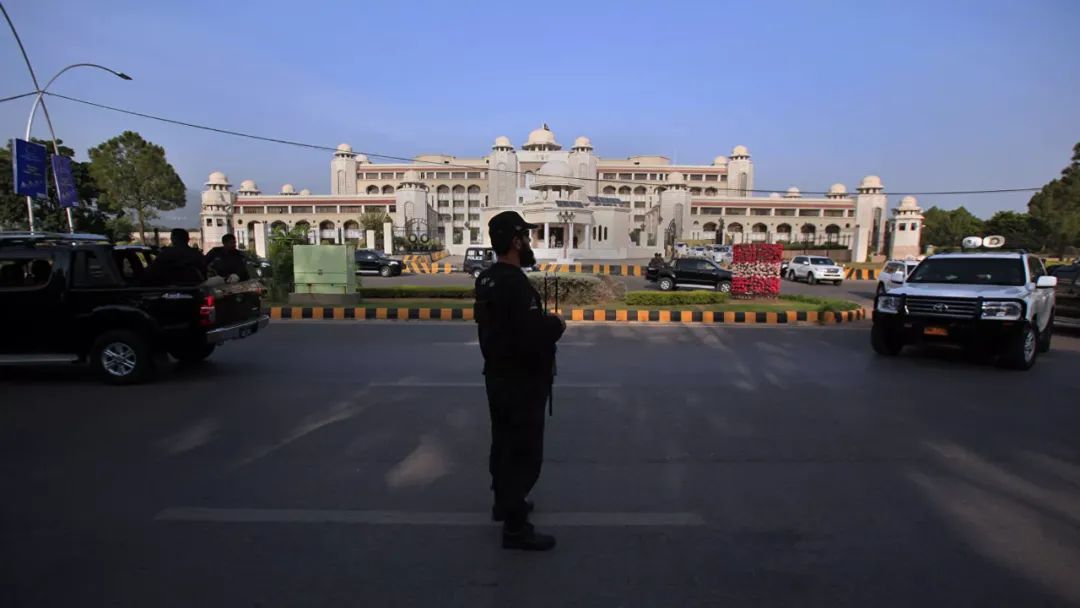
當地時間2025年4月29日,巴基斯坦防長表示伊斯蘭堡正在等待印度對克什米爾恐襲案調查提議做出回應(圖源:美聯社)
2025年4月22日,帕哈爾加姆發生的無辜遊客遇害事件,再次震撼了整個地區。這一悲劇理所當然地引發了當地民眾的悲痛與憤慨。然而,在急於歸咎責任——特別是將矛頭直指巴基斯坦之前,有必要退後一步,審視更大的格局。 歷史經驗表明,在危機時刻,人們往往傾向於接受簡單的敍事,但真相通常更為複雜。
襲擊發生後,印度政界人士、媒體和官員迅速將矛頭指向巴基斯坦。印度總理莫迪承諾要“給肇事者一個教訓”,印度水利水資源部更是暫停執行《印度河河水條約》——這是印巴六十多年緊張關係中始終得以維繫的重要協議。巴基斯坦方面表示,中止條約是一種戰爭行為。如果我們回顧一下過去的事件,就會明白為什麼妄下論斷會很危險。2000年,美國時任總統克林頓訪印期間,查蒂辛格波拉大屠殺爆發,導致35名錫克教徒遇害。大屠殺最初被歸咎於巴基斯坦的組織,但後續調查顯示,是印度安全部隊掩蓋了真相,才導致無辜村民被誣陷。該事件表明,當情緒高漲時,真相往往成為第一個犧牲品。
印度政府對帕哈爾加姆事件的處理——僅一天後就宣佈中止《印度河河水條約》——讓人感覺不像是臨時反應,而更像是早有預謀。這與2019年普爾瓦馬事件後發生的情況如出一轍:印度當時很快就廢除了憲法第370條,剝奪了克什米爾的特殊地位。
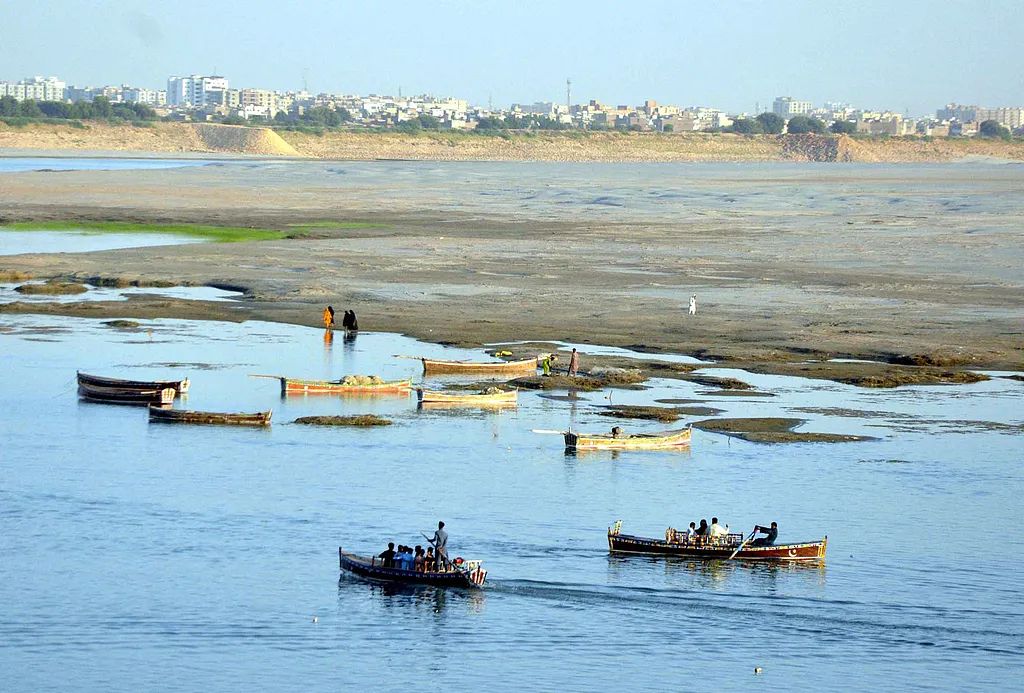
當地時間2025年4月24日,巴基斯坦海德拉巴,庫特里水壩附近的印度河干涸,水位下降,顯示出未來缺水的高風險(圖源:視覺中國)
戰爭的呼聲或許聽起來慷慨激昂,充滿愛國情懷,卻忽視了一些非常嚴峻的現實:巴基斯坦是一個有核國家,任何軍事行動都可能升級為一場不可控的災難。這一教訓已被其他國家以慘痛代價驗證——無論是俄烏衝突,還是美國在中東無休止的戰爭,都警示着我們:戰爭往往輕易發動,卻幾乎無法按預期收場。即便只是針對邊境的所謂“外科手術式打擊”,也可能迅速演變成全面衝突,而一旦戰火燃起,便再難平息。
在克什米爾地區,武力手段屢遭挫敗。正如受人尊敬的律師兼歷史學家A·G·努拉尼所指出,克什米爾並非單純的治安問題,更是一個政治問題,需要各方共同參與解決。單純歸咎於巴基斯坦,無異於忽視了一個日益凸顯的現實:如今克什米爾地區的武裝分子大多是土生土長的。克什米爾政治學者阿賈伊·克倫古博士的研究表明,當前眾多武裝人員都是當地青年,他們普遍懷有強烈的疏離感、絕望與憤怒情緒。其中部分人受到“伊斯蘭國”等全球極端主義思潮的影響,另一部分人則對印巴兩國都深感失望。這些武裝分子已不再依賴跨境支援,他們完全可以通過黑市武器、加密通訊工具以及強大的本地網絡獲取所需資源——這與20世紀90年代的情況已截然不同。
許多人還指出,印度政府的政策損害了克什米爾人的基本權利,加劇了地區局勢的惡化。批評者認為,以國家安全顧問阿吉特·多瓦爾和內政部長阿米特·沙阿為代表的強硬派路線正在適得其反。阿南塔納格和帕哈勒格姆等旅遊區遠離邊境,如今卻也頻發武裝襲擊事件,這表明克什米爾問題已超出簡單的跨境滲透範疇,正在演變為一場深刻的內部危機。
A·G·努拉尼強調,克什米爾衝突涉及三方——印度、巴基斯坦和克什米爾人民自身。除非三方都參與進來,否則不可能達成持久的解決方案。從最早的討論開始,甚至在聯合國介入之前,這一原則就得到了認可。無論是1972年的《西姆拉協議》和1999年的《拉合爾宣言》,抑或2000年代曼莫漢·辛格與佩爾韋茲·穆沙拉夫達成的四點方案,都承認克什米爾是一個需要談判解決的爭議地帶。印度憲法第253條規定,未經克什米爾政府同意,不得決定克什米爾的歸屬。這充分證明,無論某些政治主張如何宣稱,克什米爾問題遠未得到真正“解決”。

2000年,時任美國總統克林頓訪問印度(圖源:英國廣播公司)
任何忽視當地民眾情感訴求的做法,都必將加劇克什米爾的地區對立。正如資深國會領導人古拉姆·納比·阿扎德所坦言,即使在克什米爾主流社會羣體中,對巴基斯坦的情感聯結依然客觀存在。前首席部長梅赫布巴·穆夫提也多次公開強調這種根植於歷史與文化的深層情感羈絆。這種情感是無法用武力消除的。只有對話、妥協和尊重才能有效解決這些問題。
當下,真正需要的,不是憤怒與報復,而是採取更明智、更果敢的做法:包括帕哈爾加姆慘案在內的每一起事件,都必須得到公正的調查,而非淪為政治博弈的籌碼;對話不能僅限於政府,克什米爾人民也必須在談判桌上佔有一席之地;與此同時,印度的內部問題必須得到解決,尤其是侵犯人權的問題,逮捕、審查和嚴厲鎮壓只會滋生更多的怨恨和暴力;在國際層面,《印度河河水條約》等協議必須得到嚴格遵守,而非淪為政治武器;負責任的新聞報道至關重要,媒體必須摒棄譁眾取寵的做法,注重事實真相。如果印度和巴基斯坦不能公開接觸,也可以考慮通過第三方渠道開展低調務實的外交接觸。最重要的是,兩國都必須正視克什米爾是一個混亂、複雜的爭端這一現實——這個持續七十餘年的爭端不會因為任何一方的刻意忽視而消失。
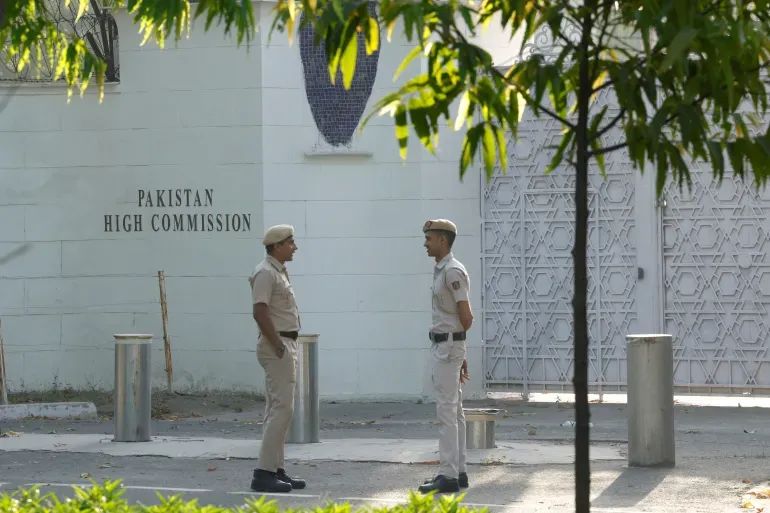
印度新德里的警察站在巴基斯坦高級專員公署門外(圖源:路透社)
帕哈爾加姆的悲劇絕不能成為推行危險政治議程的藉口。克什米爾、巴基斯坦和印度人民真正需要的,不是無休止的暴力與相互指責。真正的勇氣,不在於輕易發動戰爭,而在於即使面臨重重阻力與民意壓力,仍能堅持推動和平進程。唯有通過對話與妥協,特別是尊重那些長期被忽視的聲音,才能找到根本解決之道。終有一天,歷史將公正評判:我們究竟是選擇了智慧之路,還是重蹈了無止境衝突的覆轍。
編譯|李雨琪
以下為英文原文:
The tragic killing of innocent tourists at Baisaran, Pahalgam on April 22, 2025, has once again left the entire region shaken. Understandably, there is grief and anger everywhere. But before rushing to point fingers — especially towards Pakistan — it is important to take a step back and look at the bigger picture. History teaches us that during moments of crisis, people often grab onto easy narratives, but the truth is usually more complicated.
Immediately after the attack, Indian politicians, the media, and officials quickly blamed Pakistan. Prime Minister Modi promised to “teach the perpetrators a lesson,” and India’s Ministry of Jal Shakti suspended the Indus Waters Treaty — a major agreement between India and Pakistan that has survived over sixty years of tensions. Pakistan called the suspension an act of war. However, if we look back at past incidents, we see why rushing to judgment can be dangerous. In 2000, during President Bill Clinton’s visit to India, the Chattisinghpora massacre left thirty-five Sikhs dead. Initial blame was placed on Pakistan-based groups, but later investigations revealed major cover-ups by Indian security forces, with innocent villagers falsely accused. History shows that when emotions are high, truth often becomes the first casualty.
The handling of the Pahalgam incident — with the suspension of the Indus Waters Treaty announced just a day later — feels less like a spontaneous reaction and more like something pre-planned. It echoes what happened after Pulwama in 2019, when the removal of Article 370 soon followed, stripping Kashmir of its special constitutional status.
Calls for war may sound strong and patriotic, but they ignore some very serious realities. Pakistan is a nuclear power. Any military action could escalate into a disaster no one can control. Other countries have learned this the hard way — Russia’s invasion of Ukraine and the United States’ endless wars in the Middle East serve as grim reminders that wars are easy to start, but nearly impossible to end. Even so-called “surgical strikes” against alleged terror camps across the border could quickly trigger a full-blown war, with no easy way to calm it down once it begins.
Force has repeatedly failed in Kashmir. As the respected lawyer and historian A.G. Noorani points out, Kashmir is not simply a law-and-order issue; it is a political problem that requires a political solution involving all sides. Blaming Pakistan alone also ignores the growing reality that today’s militancy in Kashmir is increasingly homegrown. According to Kashmiri political scientist Dr. Ajay Chrungoo, many of the fighters today are young local men who feel alienated, hopeless, and angry. Some are influenced by global jihadist ideologies like ISIS, while others are disillusioned with both India and Pakistan. These militants do not necessarily rely on support from across the border; they have access to black-market weapons, encrypted communication, and strong local networks. This is a very different situation from the 1990s.
Many also argue that India’s own policies have worsened the situation by undermining the fundamental rights of Kashmiris. Critics say that the hardline approach championed by National Security Advisor Ajit Doval and Home Minister Amit Shah has backfired. The fact that tourist areas like Anantnag and Pahalgam — far from the border — are now witnessing militant attacks shows that the issue is no longer simply about infiltration. It has become a deep internal crisis.
A.G. Noorani rightly emphasizes that there are three parties to the Kashmir conflict — India, Pakistan, and the Kashmiri people themselves. No lasting solution can be achieved unless all three are involved. From the earliest discussions, even before the UN became engaged, this principle has been acknowledged. The Shimla Agreement of 1972, the Lahore Declaration of 1999, and even the Manmohan-Musharraf four-point formula of the 2000s recognized Kashmir as a dispute needing negotiation. The Indian Constitution itself, through a provision under Article 253, states that no decision about Kashmir’s disposition can happen without the consent of Kashmir’s own government. This clearly shows that the issue is not “settled” despite political claims to the contrary.
Ignoring the sentiments of Kashmiris has only deepened the divide. Veteran Congress leader Ghulam Rasool Kar once admitted that even mainstream Kashmiris have emotional ties with Pakistan. Mehbooba Mufti has also spoken openly about the deep, complex connections people feel. Such sentiments cannot be erased by force. Only dialogue, compromise, and respect can address them meaningfully.
What should happen now is not a rush into anger or revenge, but a smarter and braver approach. Every incident, including Pahalgam, must be investigated fairly, without political blame games. Dialogue must not be limited to governments; Kashmiris themselves must have a seat at the table. Internal issues, especially human rights violations, must be addressed. Arrests, censorship, and harsh crackdowns only breed more resentment and violence. International agreements like the Indus Waters Treaty must be respected and not turned into political weapons. Responsible journalism is critical; the media must move away from sensationalism and focus on facts. Quiet third-party diplomacy could also be considered if India and Pakistan cannot engage openly. Above all, both countries must face the reality that Kashmir is a messy, complicated dispute — and pretending otherwise will not make it disappear.
The tragedy at Pahalgam must not be used as an excuse to push dangerous political agendas. The people of Kashmir, Pakistan, and India deserve better than endless cycles of violence and blame. Real courage lies not in starting wars but in making peace, even when it is difficult and unpopular. The only real solution lies in dialogue, compromise, and in respecting the voices that have been ignored for too long. History will judge whether we chose the path of wisdom — or once again fell into the trap of endless conflict.