英國移交主權、美軍保留基地:查戈斯協議預示印度洋新秩序?_風聞
北京对话-北京对话官方账号-北京枢纽型国际对话智库平台,致力于中外交流25分钟前
Club提要:查戈斯羣島位於毛里求斯東北方向大約2149公里的印度洋西南海域,長期以來是全球“去殖民化”議題的焦點。當地時間5月22日,英國首相斯塔默宣佈與毛里求斯政府達成協議,將查戈斯羣島主權移交給毛里求斯,但以99年租期形式保留美英在該地區的軍事基地運營權。
北京對話特約專家、中美研究中心主任洪農在《南華早報》撰文指出,該協議是解決英國殖民遺產、推動全球南方倡導的去殖民化議程的重要一步。查戈斯羣島的未來,將成為全球大國在21世紀尋求秩序重建與責任平衡的重要參考。
Club Briefing: Located approximately 2,149 kilometers northeast of Mauritius in the southwestern Indian Ocean, the Chagos Archipelago has long been a focal point in global debates on decolonization. On May 22 (local time), UK Prime Minister Keir Starmer announced an agreement with the Mauritian government to transfer sovereignty over the Chagos Archipelago to Mauritius. However, the agreement allows the continued operation of US-UK military bases in the region under a 99-year lease arrangement.
In an op-ed piece for the South China Morning Post, Hong Nong, Senior Fellow with Beijing Club for International Dialogue and Director of the Institute for China-America Studies, writes that the agreement represents a significant step in addressing Britain’s colonial legacy and advancing the Global South’s long-standing push for decolonization. The future of the Chagos Archipelago, she argues, will serve as a critical reference point for major powers as they seek to rebuild global order and strike a new balance of responsibility in the 21st century.
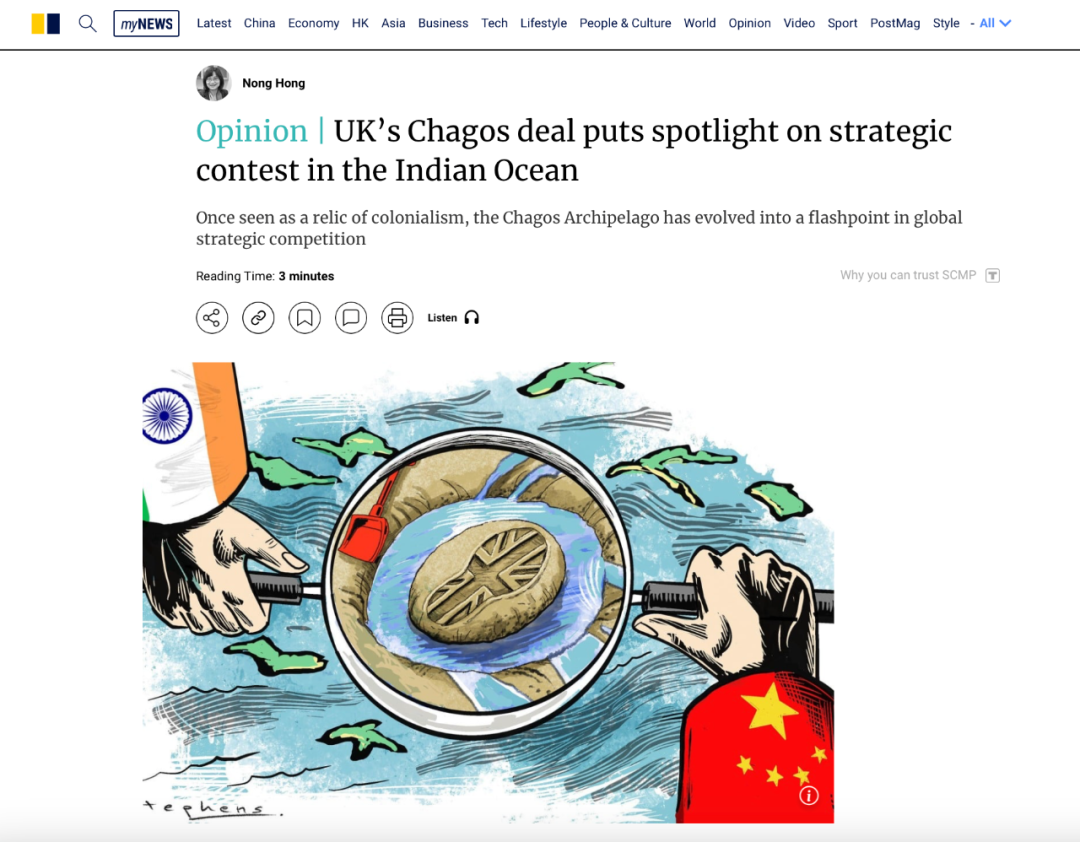
圍繞查戈斯羣島長達數十年的主權爭議,源於英國殖民歷史,歷經國際法挑戰,如今隨着英國同意將島嶼主權交還毛里求斯後得到解決。根據5月22日達成的協議,英國保留對該羣島中最大島嶼迪戈加西亞英美軍事基地99年的租用權。
在英國殖民統治下,該羣島於1965年從毛里求斯分離,三年後,毛里求斯獨立。約2000名查戈斯居民被強制遷移,為迪戈加西亞軍事基地建設“騰地”。
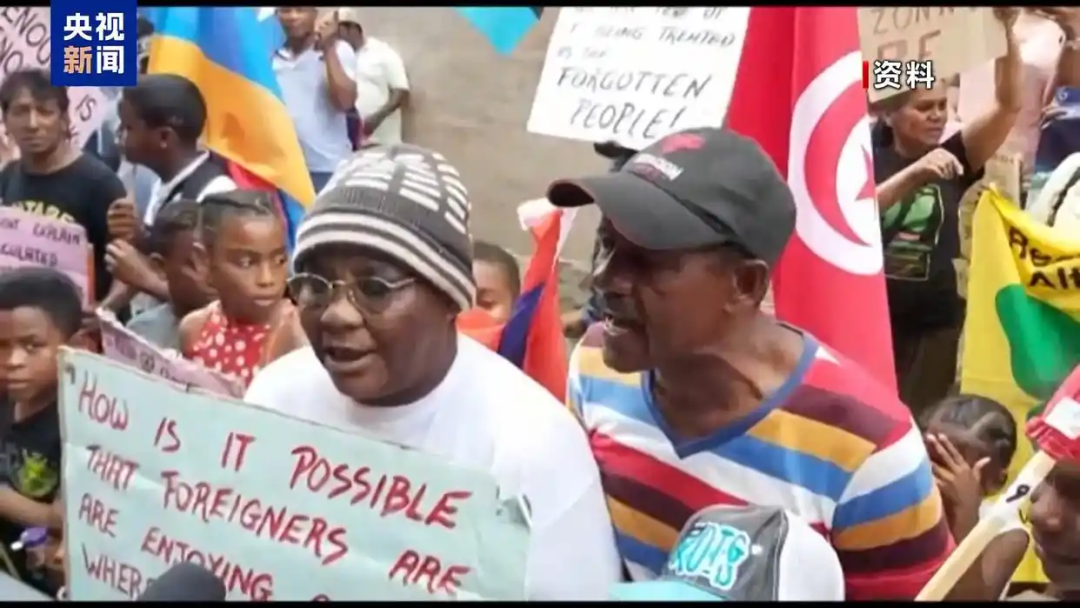
原住民查戈斯人,早在20世紀六十年代就被英方強行驅逐,目的就是給英美軍事基地“騰地”。幾十年過去,至今仍未獲得返回家園的權利。這一人道問題,也成為英美在該地區政策中繞不過去的道義困境(圖源:央視新聞)
2019年,海牙國際法院發佈“諮詢意見”,稱英國繼續管理查戈斯羣島違法,應“儘快”結束。聯合國大會隨後通過決議,確認毛里求斯對該羣島的主權。
斯塔默領導的英國政府辯稱,此次達成的協議是遵守國際法和維護戰略安全利益的必要之舉。協議包括在迪戈加西亞周圍24英里設立緩衝區,未經英國同意不得進行任何建設,禁止“外國“軍事和民事力量進入,英國保留拒絕任何訪問的權力。
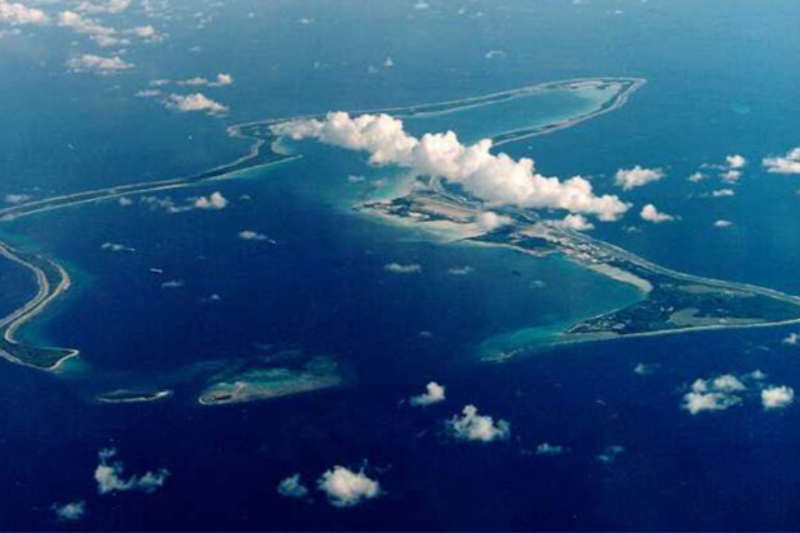
查戈斯羣島俯瞰(圖源:央視新聞)
毛里求斯政府表示,該協議是其長期爭取收回查戈斯羣島努力的重大勝利。根據協議條款,英國將每年支付毛里求斯1.01億英鎊(1.37億美元)租用迪戈加西亞基地99年,並設立4000萬英鎊的信託基金,惠及查戈斯社區發展。
然而,儘管協議解決了主權問題,流離失所的查戈斯人的重新定居權仍未明確,許多人還在尋求返回故鄉。
5月22日達成的協議,引起了國際社會廣泛關注,特別是在印度洋地區有戰略利益的國家。印度支持毛里求斯主張,讚揚該協議,同時擔憂中國在該地區的影響力增加。馬爾代夫因擔心主權變更影響其專屬經濟區主張,最初於2019年反對聯合國查戈斯決議,但於2022年8月轉而支持毛里求斯。
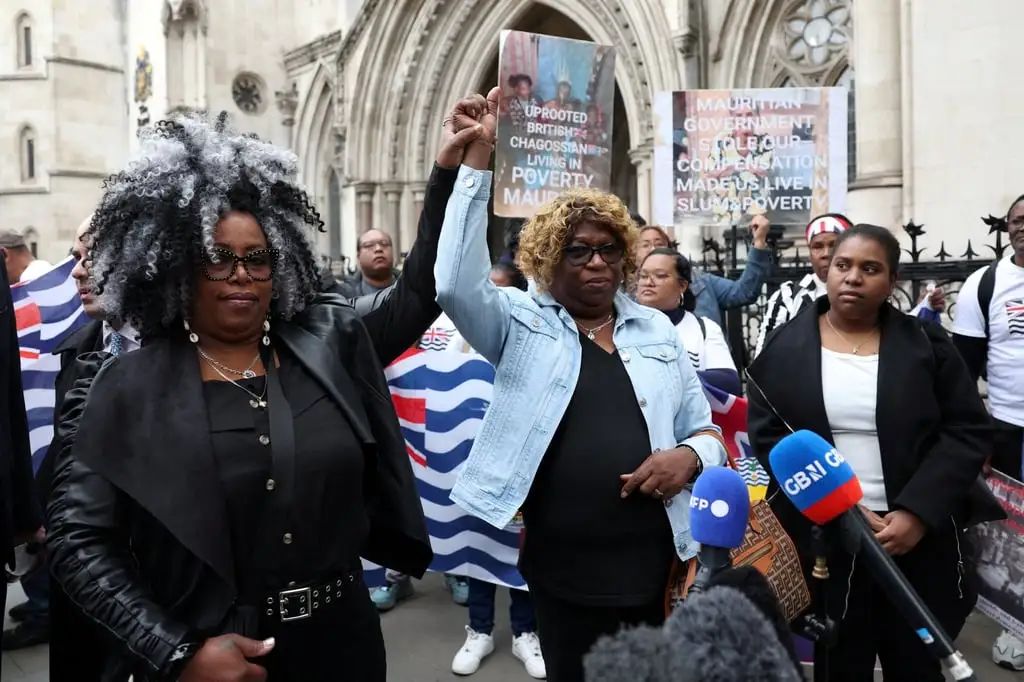
Bertrice Pompe和Bernadette Dugasse是出生於迪戈加西亞島的英國公民,她們因反對英國將查戈斯羣島主權移交毛里求斯的協議而為人知曉。圖為5月22日在倫敦高等法院法官推翻臨時禁止英國與毛里求斯達成查戈斯羣島協議的禁制令後,她們在英國倫敦法院外接受採訪(圖源:路透社)
迪戈加西亞基地在美軍行動中至關重要,是其在中東和印太地區執行任務的出發點,被視為美國在該地區戰略佈局不可或缺的一環。據信,美英與毛里求斯密切合作,確保新協議能維持基地的正常運作。
然而,關於中國在印度洋影響力的擔憂正在浮現,尤其是在中美戰略競爭加劇、北京不斷擴展海上實力的背景下。英國指責中國以及其他一些國家在談判過程中試圖“破壞”該協議,並猜測毛里求斯在此過程中可能受到了施壓。
英國智庫警告政府,應避免任何可能讓北京藉助基礎設施投資或增強對毛里求斯外交影響力,從而在印度洋獲得戰略立足點的協議。此類警示反映出西方對中國“一帶一路”倡議以及其在太平洋島國外交活動的廣泛焦慮。
從中國視角看,英國的擔憂毫無根據,反映冷戰思維。在給國際法院的一份書面聲明中,中國重申堅定支持去殖民化進程,並對毛里求斯的立場表示理解。
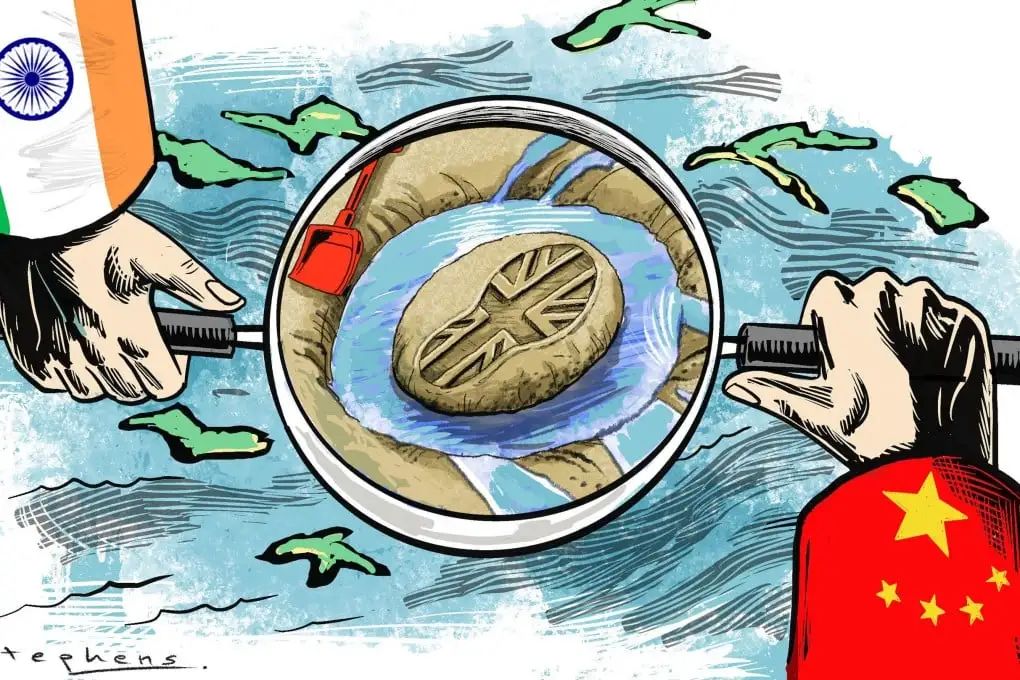
3月12日,《印度快報》聲稱對印度而言,中國在印度洋地區日益頻繁的活動“令人擔憂”。在大多數印度媒體的報道中,毛里求斯通常被形容為與印度有着特殊聯繫(圖源:南華早報)
中國軍方新聞網站近日發表評論文章,駁斥有關中國與查戈斯羣島爭議相關的指控,稱其毫無根據,完全出於政治動機。文章強調中國致力於和平發展,並指出,英國的殖民歷史及其在該地區持續的軍事存在才是爭議之因。
俄羅斯支持毛里求斯對查戈斯羣島的主權主張,會將該協議視為去殖民化和國際法的勝利,預計俄方會批評西方在印度洋的持續軍事存在。莫斯科可能認為,99年租約是一種妥協,維持了美英軍事霸權,違背了徹底去殖民化的精神。
包括南非、印尼、巴西和非洲聯盟在內的多個國家和地區組織也支持毛里求斯對查戈斯羣島的主權,強調不干涉別國內政原則的重要性。他們同時對美英持續軍事存在、特別是迪戈加西亞基地表示擔憂。這反映了上述國家和地區組織對大國軍事競爭的警惕,以及將查戈斯羣島從殖民遺蹟演變為全球戰略競爭當代熱點的擔憂。對許多觀察者而言,英毛協議不僅是法律里程碑,也是歷史正義與21世紀動態權力如何調和的新考驗。
該協議是解決英國殖民遺產、推動全球南方倡導的去殖民化議程的重要一步。然而,批評者警告,該安排可能無法賦予毛里求斯完全主權,並可能以妥協為幌子延續西方在印度洋的軍事主導地位。平衡戰略利益與真正的自決和人權承諾仍是一項艱鉅任務。
最終,查戈斯羣島的未來和地區穩定將取決於協議實施的透明度,以及國際社會是否持續參與支持真正體現國際法和去殖民化原則的解決方案。
以下為英文原文:
Decades of dispute over the Chagos Archipelago in the Indian Ocean, rooted in colonial history and international legal challenges, have been addressed after the United Kingdom agreed to transfer sovereignty of the islands to Mauritius. Under the May 22 deal, the UK retains a 99-year lease on the UK-US military base on Diego Garcia, the largest of the islands.
Under British colonial rule, the island chain was separated from Mauritius in 1965, three years before Mauritius was granted independence. Around 2,000 Chagos residents were forcibly removed to make way for the building of the military base on Diego Garcia.
In 2019, the International Court of Justice in The Hague issued its ‘‘advisory opinion’’ that the continued UK administration of the Chagos Archipelago was unlawful and should end ‘‘as rapidly as possible’’. The UN General Assembly subsequently passed a resolution affirming Mauritius’ sovereignty over the archipelago.
The UK government under Prime Minister Keir Starmer defended the deal as necessary to comply with international law and maintain strategic security interests. The deal includes a 24-mile buffer zone around Diego Garcia where nothing can be built without UK consent. It also prohibits foreign military and civilian forces from the Chagos Archipelago, with the UK retaining the power to veto any access.
Mauritius hailed the agreement as a significant victory in its long-standing campaign to regain the Chagos Archipelago. Under the terms, the UK will pay Mauritius £101 million (US$137 million) annually to lease the Diego Garcia base for at least 99 years and establish a £40 million trust fund for the benefit of the Chagos community.
But while the deal addresses sovereignty issues, it leaves questions about the resettlement rights of displaced Chagossians, many of whom seek the right to return.
The deal has garnered much international attention, particularly from countries with strategic interests in the Indian Ocean region. India, which backs Mauritius’ claim, applauded the agreement, amid concerns about growing Chinese influence in the region. While the Maldives, concerned that changes in sovereignty could affect its exclusive economic zone claims, initially voted against the 2019 UN Chagos resolution, it shifted its position in August 2022 to support Mauritius.
Diego Garcia plays a pivotal role in US military operations, serving as a launch point for missions in the Middle East and Indo-Pacific, and is seen as indispensable to America’s strategic footprint in the region. The United States is thought to have worked closely with both the UK and Mauritius to ensure the new arrangement would preserve the functionality of the base.
But concerns have surfaced about China’s influence in the Indian Ocean, especially with rising strategic competition with the US and as Beijing expands its maritime presence. The UK has accused China, among other countries, of attempting to ‘‘collapse’’ the deal during negotiations, amid speculation of pressure on Mauritius.
British policy think tanks have warned the government against any Chagos agreement that could enable Beijing to gain a strategic foothold in the Indian Ocean region, whether through infrastructure investments or increasing diplomatic influence over Mauritius. The speculation reflects broader anxieties in Western capitals over China’s Belt and Road Initiative and its Pacific island diplomacy.
From China’s perspective, the UK’s concerns are unfounded and reflect a Cold War mentality. In its written statement to the International Court of Justice, China reiterated its firm support for the decolonisation process and expressed understanding of Mauritius’ position.
The military news website of the Chinese Armed Forces recently published an opinion piece challenging claims linking China to the dispute as baseless and driven by political motivations. It emphasised China’s commitment to peaceful development and pointed to Britain’s colonial history and continued military presence in the region.
While Russia supports Mauritius’ sovereignty claim over the Chagos Archipelago and may well frame the broader agreement as a win for decolonisation and international law, it is expected to be critical of the continued Western military presence in the Indian Ocean. Moscow is likely to view the 99-year lease as a compromise that preserves US-UK military hegemony in the region, undermining the spirit of full decolonisation.
Several countries and regional organisations - including South Africa, Indonesia, Brazil and the African Union - have also affirmed their support for Mauritius’ sovereignty over the Chagos Archipelago while expressing concern over the ongoing US-UK military presence, particularly the base on Diego Garcia. This reflects their wariness of great power military competition and highlights the importance of respecting the principle of non-interference in the internal affairs of other states.
The Chagos islands have evolved from being a relic of colonialism to a contemporary flashpoint in global strategic competition. For many observers, the UK-Mauritius deal is more than a legal milestone - it is a test of how historical justice can be reconciled with 21st century power dynamics.
The accord represents a meaningful step towards addressing the legacy of British colonialism and advancing the decolonisation agenda championed by much of the Global South. Critics, however, have warned that the arrangement may fall short of delivering full sovereignty to Mauritius and could perpetuate Western military dominance in the Indian Ocean under the guise of compromise. Balancing strategic interests with genuine commitments to self-determination and human rights remains a delicate task.
Ultimately, the future of the Chagossian community and regional stability will depend on how transparently the agreement is implemented, and whether the international community remains engaged in supporting a resolution that truly reflects the principles of international law and decolonisation.