獨家|波黑駐華大使:波黑的未來不應由外人書寫_風聞
北京对话-北京对话官方账号-北京枢纽型国际对话智库平台,致力于中外交流31分钟前
Club提要:波斯尼亞和黑塞哥維那是一個由兩個高度自治的政治實體——塞族共和國和波黑聯邦,以及一個自治的布爾奇科特區組成的國家。這種獨特的結構源於1995年的《代頓和平協議》,該協議結束了波黑戰爭,確保了波什尼亞克族、塞爾維亞族和克羅地亞族三個民族的權力平衡。2025年,波黑的局勢因塞族共和國總統多迪克拒絕執行高級代表施密特的決定而被判刑而變得更加緊張。高級代表由《代頓和平協議》設立,負責協調和平進程,但1997年獲得的“波恩權力”允許其繞過議會強加法律或罷免官員,這一權力未獲波黑憲法明確支持。
近日,波黑駐華大使貝里揚(Sinisa Berjan)為北京對話獨家撰稿:《強加的權威與民選意志:波黑能否決定自己的未來?》(Imposed Authority vs. Elected Will: Can Bosnia Decide Its Own Future?),深入剖析了波黑當前面臨的憲法與政治危機。他指出,波黑危機的根源並非內部的不穩定,而是外部的干預。高級代表辦公室並非波黑政府的一部分,而是外部設立的國際機構。高級代表施密特強加的決定,威脅了波黑民選政府的權威和國家主權。
自上任以來,貝里揚大使積極推動中波關係發展,深化文化、教育和經濟合作。2025年適逢中波黑建交三十週年,貝里揚大使的文章為中國讀者打開了理解波黑複雜局勢的窗口,反映了他在外部干預下堅定捍衞國家主權的立場。
Club Briefing: Bosnia and Herzegovina is a nation composed of two highly autonomous political entities—the Republika Srpska and the Federation of Bosnia and Herzegovina—along with the autonomous Brčko District. This unique structure originated from the 1995 Dayton Peace Agreement, which ended the Bosnian War and ensured a balance of power among the three constituent peoples: Bosniaks, Serbs, and Croats.
In 2025, tensions in Bosnia escalated when the President of Republika Srpska, Dodik, was convicted for refusing to implement decisions imposed by the High Representative Schmidt. The Office of the High Representative, established by the Dayton Agreement to oversee the peace process, acquired “Bonn Powers” in 1997, enabling it to bypass parliamentary procedures to impose laws or dismiss officials—a power not explicitly supported by Bosnia’s constitution.
Recently, Bosnia’s Ambassador to China, Sinisa Berjan, contributed an exclusive article to Beijing Club for International Dialogue titled “Imposed Authority vs. Elected Will: Can Bosnia Decide Its Own Future?”, offering a deep analysis of Bosnia’s ongoing constitutional and political crisis. He emphasized that the root of Bosnia’s turmoil lies not in internal instability, but in external intervention. The Office of the High Representative, he noted, is not part of Bosnia’s government but an external international institution. Decisions imposed by High Representative Schmidt threaten the authority of Bosnia’s democratically elected government and its national sovereignty.
Since assuming his role, Ambassador Berjan has actively promoted China-Bosnia relations, deepening cooperation in culture, education, and the economy. As 2025 marks the 30th anniversary of diplomatic ties between China and Bosnia, his article opens a window for Chinese readers to understand Bosnia’s complex realities and reflects his steadfast commitment to defending national sovereignty against external interference.
引言:處於十字路口的國家
波斯尼亞和黑塞哥維那(以下簡稱波黑)是一個歷史坎坷、政治格局複雜的國家。在《代頓和平協議》簽署近三十年後,波黑正站在一個關鍵的十字路口。這份協議當初旨在結束衝突、確保和平並推動民主轉型,但隨着時間的推移,它演變為一種長期的國際監督狀態。如今,波黑正面臨自戰後以來最嚴重的政治和憲法危機。危機的根源並非內部不穩定,而是外國官員持續強加決定,無視國家主權,試圖架空民選代表。其中,現任高級代表尤為突出——這位非民選人物未經任何民主程序確認合法性,卻在波黑擁有重大權力,實際上在一個不屬於他的國家中“統治”,其權威幾乎沒有明確界限。這引發了根本性的疑問:一個主權國家若其關鍵政治決定由不受選民問責的外國專制者掌控,還能被視為真正的民主國家嗎?波黑在其邁向歐盟成員國的道路上,若繼續處於事實上的國際管理之下,能否充分發揮作為一個自治歐洲國家的潛力?顯然,持續的國際干預正將波黑變成一個現代版的“保護國”,這在任何主權民主國家中都是不可想象的先例。

巴爾幹半島的心臟——波黑首都薩拉熱窩(圖源:Quora)
憲法架構:微妙的平衡
波黑的治理體系複雜且高度分權,反映了其人民在民族和政治上的多樣性。國家由兩個高度自治的實體組成:塞族共和國和波黑聯邦(後者進一步劃分為十個州),以及自治的布爾奇科特區。權力在三個構成民族——波什尼亞克族、塞爾維亞族和克羅地亞族之間共享。《代頓和平協議》結束了衝突,建立了一個民主的憲法架構,旨在確保沒有單一民族能夠支配其他民族。該協議還規定,關鍵職能如教育、醫療和內部安全由實體而非中央政府管轄。在許多領域,國家級政府主要扮演協調角色。
這種分權體系並非弱點,而是波黑多民族社會的體現,也是《代頓和平協議》框架的重要組成部分。為了更清晰地理解這一體系,可以將其與比利時進行比較。比利時是另一個歐洲分權國家,擁有多個語言社區,通過區域政府和議會運作,權力分享以反映多樣性和防止中央集權為原則。然而,與波黑不同的是,比利時沒有一個非民選的外國權威有權強加法律或推翻其民主機構的決定。
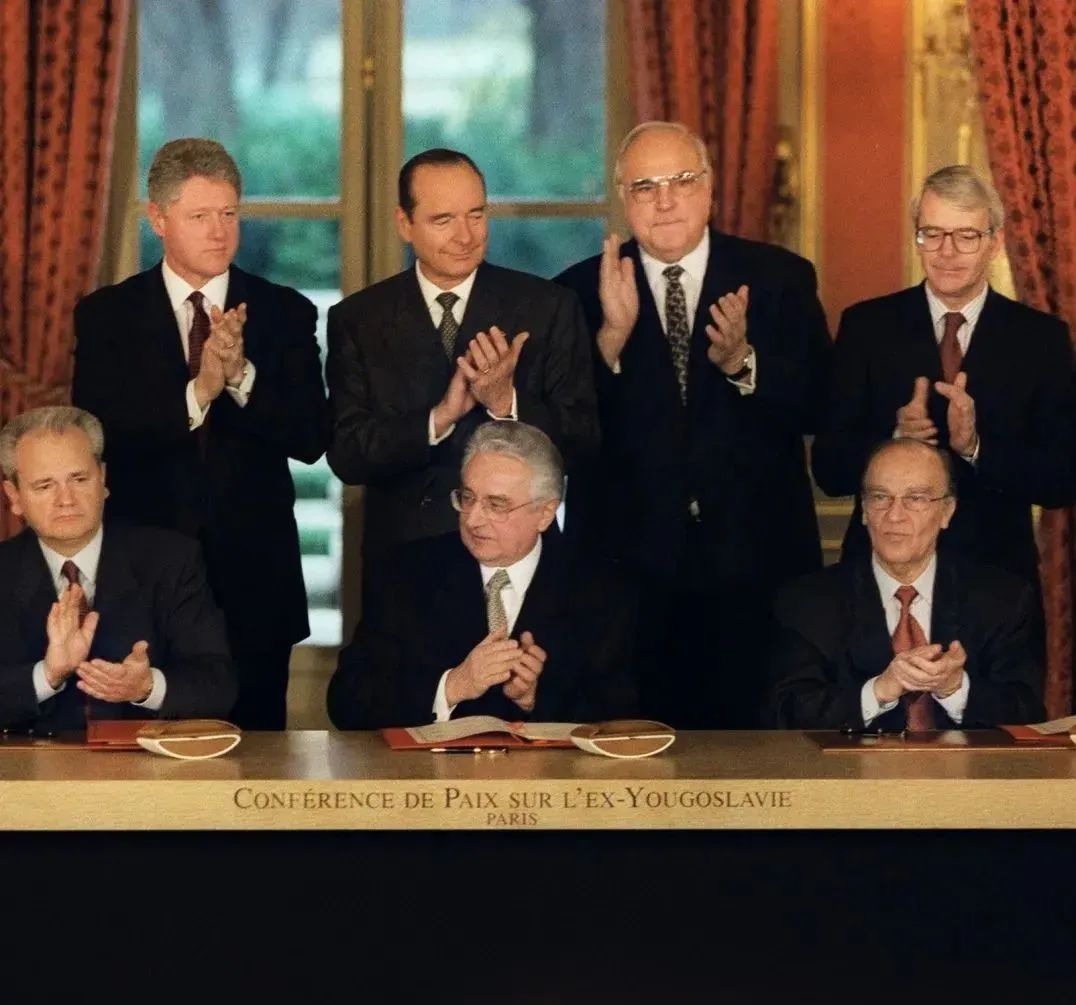
1995年,波黑、南聯盟、克羅地亞(代表波黑克族)三國領導人於正式簽訂波黑和平框架協議。(圖源:Quora)
超越代頓:誰在治理波黑?
波黑的憲法體系通過1995年簽署的《和平總框架協議》(即《代頓協議》)確立。高級代表辦公室(OHR)由該協議設立,負責監督和平協議的實施,確保波黑在戰後過渡期的穩定。高級代表的角色最初被設想為協調和支持,但其影響力和權力逐漸擴大。1997年,和平執行委員會(PIC)——一個由國際行為體組成的團體——賦予高級代表額外的“波恩權力”,允許其強加法律、繞過議會程序並罷免民選官員。
必須強調,《代頓協議》中定義的PIC僅有權提出建議,而無權發佈具有法律約束力的決定。此外,所謂的“波恩權力”在《代頓協議》原文中並未明確提及,也未獲得波黑三個構成民族的一致同意,在國家憲法中缺乏依據。儘管這些權力最初是為了在國家脆弱的早期穩定局勢而引入,但近三十年後其持續使用引發了越來越多的爭議。這些權力在缺乏明確法律依據的情況下,其合法性正受到質疑。辯論的核心是一個關鍵問題:在民主國家中,缺乏明確憲法或法律依據的權力——在《代頓協議》中沒有直接法律基礎的權力——是否仍應被行使?為了波黑的未來,這一問題必須通過包容且透明的對話解決,優先考慮國內自主權和憲法完整性。

波黑國內各族的勢力分佈圖(圖源:地球知識局)
高級代表爭議:施密特風波
現任高級代表克里斯蒂安·施密特先生自2021年上任以來,其合法性始終備受爭議。根據《代頓協議》,聯合國安理會必須正式批准高級代表的任命。然而,施密特未經這一關鍵步驟即上任,引發了對其授權合法性和有效性的嚴重質疑。他的近期行動進一步加劇了這些擔憂,特別是他強加的《刑法》修正案引發了政治壓迫的擔憂。這些修正案允許逮捕、起訴或罷免反對高級代表決定的民選官員,強化了人們對該辦公室已成為政治工具而非和平進程中立仲裁者的看法。施密特的個人法令統治是對波黑民主憲法的公然違反,也是對其公民民事和政治權利的直接冒犯。他的法令不受任何國內外法院或管理機構的審查,實際上無人可問責。
民主信任:一個合法性的問題
作為一個主權國家,波黑應被信任通過民主方式管理自身事務。當一個不受波黑人民問責的非民選權威有權推翻民選代表的決定時,真正的民主還能存在嗎?波黑的民主制度或許不完美,但它們是由人民選擇的,這些制度必須在國家治理中擁有最終決定權。一個非民選外國官員持續擁有繞過民主程序的權力,引發了對制度合法性的嚴重關切。波黑要成為成熟的民主國家,取決於對其自身制度的信任,以及對其人民自治能力的信任。持續的國際干預可能使波黑陷入依賴狀態。越來越多的人認識到,波黑在政治和制度上已取得進步。國際監督應退場,讓位於本地領導,外部強加的法律必須終止。

高級代表克雷斯蒂安·施密特在聯合國安理會會議上就波黑局勢發表講話。(圖源:聯合國新聞)
國慶節與象徵:分裂的身份
即使在象徵性事務上,如國慶節,也揭示了強加的敍事與民主共識之間的更廣泛緊張關係。3月1日(獨立日)和11月25日(國家日)主要由波什尼亞克族和部分克羅地亞族慶祝,而許多塞爾維亞族人,特別是塞族共和國的居民,不承認這些日期為官方國慶節,主要是因為沒有國家級法律正式宣佈這些日期為波黑的國慶節。因此,這些日期不能被視為真正意義上的國慶節,因為它們未在全國範圍內統一慶祝,也未被三個構成民族普遍接受。相比之下,塞族共和國慶祝的1月9日儘管在實體層面由法律確立,卻面臨憲法挑戰。
這反映了在一個社會深刻分裂的國家中創建統一國家身份的更廣泛挑戰。國慶節應促進團結,但在波黑,它們往往加深了現有分歧。外國行為體若不顧這些日期的爭議性地位而公開支持某些節日,可能會通過選擇性認可而非和解加劇分裂。更具包容性的方法——尊重國家法律框架,鼓勵圍繞紀念實踐的國內對話——將是更具建設性的方式。
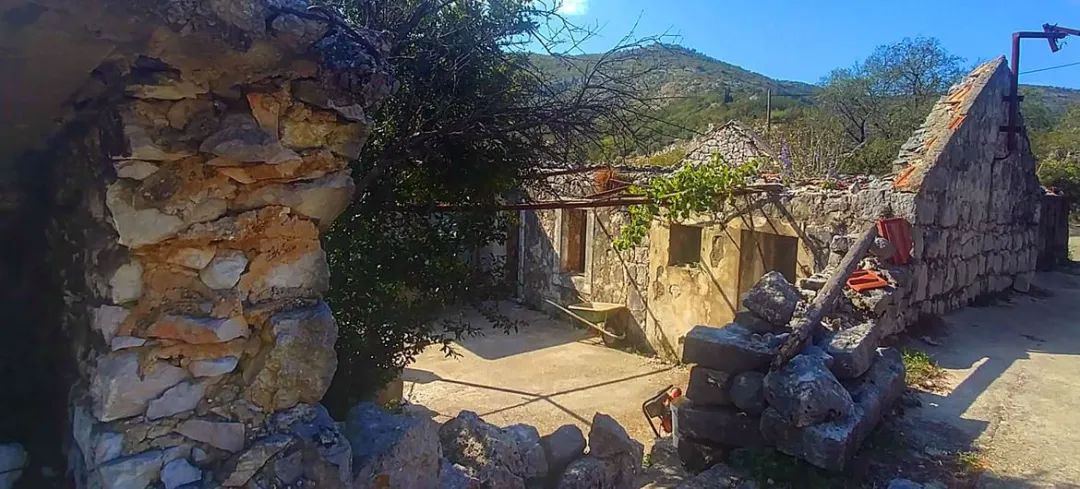
波斯尼亞戰爭結束超過25年後,在波斯尼亞和黑塞哥維那的一個村莊仍可看到戰爭留下的殘跡。(聯合國新聞)
國際行為體應為夥伴,而非監督者
波黑局勢持續吸引包括地區大國和全球性機構在內的國際行為體的廣泛關注。它們在波黑戰後恢復中的貢獻——經濟援助、維和、機構建設——不容否認。然而,隨着國家向前邁進,國際參與的性質必須轉變。這些行為體不應繼續扮演監督角色,而應轉向夥伴角色:支持波黑的政治機構,同時尊重《代頓協議》、國家主權和內部政治對話。
外國行為體不應強加決定或為特定政治議程提供選擇性支持。它們的角色應是鼓勵對話,協助波黑領導人找到共同點,應對國家挑戰。重點必須是加強本國的政治領導機構,促進其獨立性,支持合法代表之間的協作,而非維持外部監督。只有通過增強國內政治能動性並尊重波黑實體特定的憲法角色,國際行為體才能為波黑的長期穩定作出積極貢獻。

1995年7月,波黑戰爭接近尾聲時,塞族軍隊在兩週內屠殺了大約8000名波什尼亞克族男子。如今,在居民樓間、去往黃堡的路上,隨處可見穆斯林墓碑。(圖源:搜狐網)
走向自主與對話的未來
儘管面臨政治危機,波黑的安全局勢並未受到威脅。國家面臨的挑戰主要是政治性質,而非生存危機。這使得建設性和包容性的制度對話不僅可能,而且至關重要。在《代頓協議》簽署30週年之際,亟需迴歸其核心原則,強調憲法對話、相互尊重和國內對國家未來的自主權。這包括通過國內政治實體承擔全部責任,重新審視缺乏政治合法性的外部強加法律。
逐步取消高級代表的角色必須是這一進程的一部分。波黑的政治實體和國家部門完全有能力管理自身事務,國際監督已不再必要。政治爭端應通過憲法規定的機制在內部解決。國際行為體應支持這一過渡,而非阻礙。波黑致力於其歐盟成員國之路,歐盟委員會已明確表示,高級代表辦公室對波黑的“監督”與國家主權及歐盟志向相矛盾。未來的優先事項應包括終止外國法律的強加,促進政治實體間的建設性對話,基於平等夥伴關係培育族際合作。

2月26日,波黑法院對塞族共和國總統米洛拉德·多迪克被控藐視憲法法院和波黑高級代表克里斯蒂安·施密特的決定一案做出判決。他將面臨五年徒刑並且被禁止從事政治活動。(圖源:俄羅斯衞星通訊社)
結論:由波黑人民書寫的未來
波黑的和平與憲法框架依然完整,但正日益受到外部壓力和強加決策的緊張影響。國家圍繞兩個實體和一個自治區的複雜結構必須被視為多樣化社會的基礎,而非障礙。只有當波黑被允許作為一個真正獨立的國家運作——由其人民的意志而非外國官員的指令治理——才能實現可持續的和平、有效的治理和民主的合法性。國際行為體應正視這一現實,重新調整其方式。
波黑的政治穩定之路不在於更多的監督和強加決定,而在於支持波黑的制度,尊重其憲法和《代頓協議》,賦予其民選代表在無外部干預下的領導權。這並非要求波黑拒絕國際支持,而是懇請國際行為體認識到波黑在政治上的成熟,準備好規劃自己的道路。波黑尋求的是夥伴關係,而非庇護。國內領導人也肩負責任。他們必須通過有意義的對話,展現政治勇氣,將共同利益置於狹隘利益之上,擁抱對波黑未來的自主權。讓波黑的未來不是由外人書寫,而是由其人民通過對話、尊嚴和民主意志親手譜寫。
以下為英文原文:
Introduction: A Country at a Crossroads
Bosnia and Herzegovina, a country with a turbulent history and a complex political landscape, finds itself at a crossroads nearly thirty years after the signing of the Dayton Peace Agreement. What was once designed as an arrangement to secure peace and facilitate democratic transition has, over time, evolved into a prolonged phase of international supervision. Today, Bosnia is confronting its most serious political and constitutional crisissince theend of the conflict.
The root of this crisis lies not in internal instability, but in the ongoing imposition of decisions by foreign officialswho disregard the country’s sovereignty and attempt to sideline its locally elected representatives. Among them, the current High Representative stands out—an unelected figure whose legitimacy has never been affirmed through any democratic process. This individual wields significant power over Bosnia’s future without ever having been elected by its citizens, practically “ruling” in a country that is not his ownwith no clear limits to his authority.
The situation has raised fundamental concerns: Can a sovereign state truly be considered democratic if key political decisions are dictated by foreign autocrat unaccountable to its electorate? Can Bosnia and Herzegovina, on its path toward becoming a member of the European Union (EU), ever realize its full potential as a self-governing European nation if it remains under de facto international administration?
Obviously, continued international interference is turning Bosnia and Herzegovina into a modern-day protectorate, a precedent unimaginable in any sovereign democratic state.
The Constitutional Architecture: A Delicate Balance
Bosnia and Herzegovina is a country with a complex and decentralized system of governance, reflecting the diverse ethnic and political realities of its people. The country is made up of two highly autonomous entities: Republika Srpska and the Federation of Bosnia and Herzegovina, latter further divided into ten cantons, along with the self-governing Brčko District. Power is shared among three constituent peoples - Bosniaks, Serbs and Croats.
The Dayton Peace Agreement, which ended the conflict, established a democratic constitutional structure intended to ensure that no single group could dominate the others.
It also created a structure in which key competencies—such as education, healthcare, and internal security—remain under the authority of the entities, rather than a central government. In many areas, the state-level government functions primarily as a coordinating body. This decentralized system is not a weakness, but a reflection of Bosnia’s multi-ethnic society— and a vital component of the Dayton peace framework.
To understand this system more clearly,it is useful to compare it with Belgium. Belgium, anotherEuropean decentralized state with multiple linguistic communities, operates through separate governments and parliaments for its regions. Power-sharing designed to reflect diversity and the prevention of centralized dominance are key principles. However, unlike Bosnia, Belgium does not have an unelected foreign authority empowered to impose laws or override the decisions of its democratic institutions.
Beyond Dayton: Who Governs Bosnia Today?
Bosnia and Herzegovina’s constitutional setup was established through the General Framework Agreement for Peace, known as the Dayton Accords, signed in 1995.
The Office of the High Representative (OHR) was also created by Dayton to oversee civilian aspects of the peace agreement andensure the stability of Bosnia and Herzegovina during its post-war transition. Originally envisioned as a coordinating and supportive role, the position of the High Representative has gradually expanded its influence and powers over time.
In 1997, the Peace Implementation Council (PIC)—a group of international actors involved in the peace process—granted the High Representative additional powers, known as the “Bonn Powers,” which allowed the position to impose laws, bypass parliamentary processes, and remove elected officials.
It is important to emphasize that the PIC, as defined in the Dayton, hold the authority to make recommendations, but not to issue legally binding decisions. Moreover, the so-called Bonn Powers are not explicitly mentioned in the original text of the Dayton Agreement, were never agreed upon by all three constituent peoplesof Bosnia and Herzegovina, and have no basis in the country’s Constitution.
While these powers were initially introduced with the intention to “stabilize the country in its fragile early years”, their continued use almost three decades later has become a source of growing controversy. The legitimacy of these powers, especially in the absence of clear legal grounding, is now being questioned.
At the heart of the debate lies a critical question: Should powers that lack clear constitutional or legal grounding— which have no direct legal foundation in the Dayton Agreement—still be exercised in a sovereign, democratic state? For Bosnia and Herzegovina to move forward, this question must be addressed through an inclusive and transparent dialogue that prioritizes domestic ownership and constitutional integrity.
The High Representative Debate: The Schmidt Controversy
The legitimacy of the current High Representative, Mr. Christian Schmidt, who assumed office in 2021, remains a point of contention. According to the Dayton Agreement, the United Nations Security Council must formally approve the appointment of the High Representative. However, Schmidt took office without this crucial step, raising serious question about the legality and validity of his mandate.
His recent actions have only fueled these concerns. Notably, his imposition of controversial amendments to the Criminal Code has sparked fears of political repression. These amendments enable to arrest, prosecution, or removal of elected officials who oppose the High Representative’s decisions, reinforcing the perception that the office has become a political instrument rather than a neutral arbiter in the peace processSchmidt’s rule by personal decree represents a stark violation of Bosnia and Herzegovina’s democratic constitution and a direct affront to the civil and political rights of its citizens.His edicts are immune from review by any court or governing body, inside or outside Bosnia and Herzegovina. He practically answers to no one.
Trust in Democracy: A Legitimate Question
As a sovereign state, Bosnia and Herzegovina should be trusted to manage its own affairs through democratic means. Can true democracy exist when an unelected authority—answerable to no one in Bosnia and Herzegovina—holds the power to override the decisions of elected representatives? Bosnia’s democratic institutions may not be perfect but they are chosen by the people, and these institutions must have the final say in governing the country. The continued presence of an unelected foreign official with the authority to bypass democratic processes raises serious concerns about the legitimacy of the system.
Bosnia’s ability to mature as a democracy depends on trust—trust in its own institutions and trust in the capacity of its people to govern themselves. Continued international interference risks keeping Bosnia in a state of dependency. There is a growing recognition that Bosnia and Herzegovina has progressed politically and institutionally. The time has come for international supervision to step back and give a way to local leadership. The imposition of laws from externally sources must come to an end.
National Holidays and Symbolism: Divided Identities:
Even symbolic matters, like national holidays, reveal the broader tensions between imposed narratives and democratic consensus in Bosnia. Dates like March 1st (Independence Day) and November 25th (Statehood Day) are primarily observed by Bosniaks and some Croats, while many Serbs, especially those in Republika Srpska, do not recognize these dates as official national holidays. This is largely due to the fact that there is no state-level law formally declaring them as national holidays of Bosnia and Herzegovina.Consequently, these dates cannot be considered national holidays in the truest sense, as they are not universally celebrated across the country nor embraced by all three constituent peoples.
In contrast, January 9th, celebrated in Republika Srpska, has faced constitutional challenges, despite being established by law at the entity level.
This reflects the broader challenge of creating a unified national identity in a country with deeply divided communities. National holidays should promote unity, but in Bosnia, they often deepen existing divides. Foreign actors who publicly endorse certain holidays without regard to their contested status may inadvertently reinforce division through selective recognition rather than reconciliation. A more inclusive approach—one that respects the country’s legal framework and encourages domestic dialogue around commemorative practices —would be a more productive way to move forward.
Shifting Roles: International Actors as Partners, Not Overseers
Bosnia and Herzegovina continues to attract considerable attention from international actors, including regional powers and global institutions. Their contributionsin Bosnia’s post-war recovery—economic aid, peacekeeping, institution-building—cannot be dismissed. However, as the country moves forward, the nature of international engagement must evolve. Rather than maintaining a supervisory role, these actors should shift to a role of partnership: supporting Bosnia’s political institutions while respecting Dayton Agreement, the country’s sovereigntyand internal political dialogue.
Foreign actors should not impose decisions or provide selective support for particular political agendas. Their role should be to encourage dialogue and assist Bosnia’s leaders in finding common ground to address national challenges. The emphasis must be on strengthening local institutions, fostering their independence, and supporting collaboration among the country’s legitimate representatives—not sustaining external oversight.
Only by reinforcing domestic political agency and respecting the specific constitutional roles of Bosnia’s entities can international actors contribute positively to the country’s long-term stability.
Toward a Future of Ownership and Dialogue
Despite its political crisis, security situation in Bosnia and Herzegovina is not under threat. The challenges the country faces are primarily political in nature, not existential. This makes constructive and inclusive institutional dialogue not only possible but essential.
As we approach the 30th anniversary of the Dayton Agreement, there is an urgent need to return to its core principles, which emphasizing constitutional dialogue, mutual respect, and domestic ownership of the country’s future. This includes taking full responsibility through domestic institutions and revisiting externally imposed laws that lack political legitimacy.
Phasing out the role of the High Representative must be part of this process. Bosnia’s entities and state-level institutions are fully capable of managing their own affairs, and international supervision is no longer necessary. Political disputes should be resolved internally through the mechanisms outlined in country’s constitution.International actors should support this transition, not stand in its way.
Bosnia and Herzegovina remains committed to its path to EU membershipand the European Commission has made it clear that the OHR’s “supervision” of Bosnia contradicts the country’s sovereignty and, therefore, its EU aspirations.
Priorities moving forward should include ending the imposition of foreign laws, promoting constructive dialogue between entities, and nurturing interethnic cooperation based on equal partnership.
**Conclusion:**A Future Written by Bosnia’s People
Bosnia and Herzegovina’s peace and constitutional framework remain intact but are increasingly strained by external pressure and imposed decision-making. The country’s complex structure built around two entities, and one self-governing district, must be recognized as a foundation of diverse society, not as an obstacle.
Sustainable peace, functional governance, and democratic legitimacy will only be achieved when Bosnia and Herzegovina is allowed to function as a truly independent state—governed by the will of its people, not dictated by foreign officials.
International actors should acknowledge this reality and recalibrate their approach. The path to stability lies not in more supervision and imposing decision, but in supporting Bosnia’s institutions, respecting its Constitution and Dayton, and empowering its elected representatives to lead without external interference. This is not a call for Bosnia to reject international support, but rather a plea for international actors to recognize that Bosnia has matured politically and is ready to chart its own course. It should be clear that Bosnia seeks partnership, not patronage.
The responsibility also lies with domestic leaders. They must embrace ownership of the Bosnia and Herzegovina’s future by engaging in meaningful dialogue, demonstrating political courage, and putting the common good above narrow interests.
Let the future of Bosnia and Herzegovina be written not by outsiders, but by the hands of its own people through dialogue, dignity, and democratic will.