“外媒論中國”第27期|美國把歐洲推向中國?還是中國拉歐洲佈局?_風聞
北京对话-北京对话官方账号-北京枢纽型国际对话智库平台,致力于中外交流1小时前
01
美歐達成貿易協議,中國持何立場
**原標題:**Where does China stand after US trade deal with EU seen as ‘more rhetoric than substance’?
發佈機構:南華早報**(South China Morning Post)**
**關鍵詞:**美歐貿易協議
中文
《南華早報》最新發文分析了美歐貿易協議對中國的影響。在美歐達成新的貿易框架協議之際,中美也在瑞典展開第三輪談判。文章指出,中國保持冷靜,觀望協議落實情況,因為該協議“言辭多於實質”。儘管美方可能將該協議作為對華施壓的籌碼,但中方無需急於回應。
美歐協議包括對大部分歐盟商品徵收15%關税,歐盟承諾三年內購買7500億美元美國產能源,並增加對美投資6000億美元。專家指出,歐盟更多是出於政治考慮暫時安撫美方,其作出的許多承諾具延後性,實施效果存在疑問,並非實質性轉變。儘管當前無需急於回應,北京仍應警惕美歐可能聯合針對中國的趨勢。中國外交部重申,反對任何以損害中國利益為代價達成的協議。
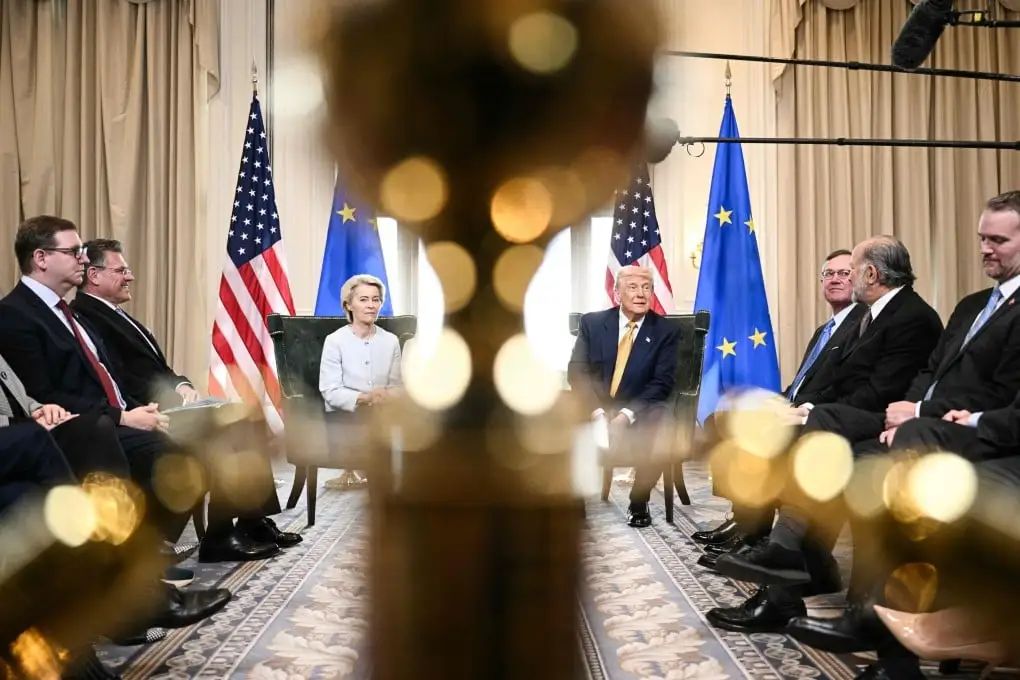
7月27日,歐盟委員會主席馮德萊恩在蘇格蘭與美國總統特朗普坐在一起,宣佈雙方已達成貿易協議(圖源:法新社)
從具體影響來看,美國對歐關税使中國產品在價格上仍具一定競爭力,短期內可實現有限緩衝。然而,大規模歐盟能源和製造品進口轉向美國,或削弱中國在清潔能源、高端製造和對歐投資中的優勢。此外,中歐間產業重合度不高,對彼此的影響有限,但若中企計劃在歐建廠以避開美國關税,則需重新評估戰略佈局。
Short Summary
A recent opinion piece published by South China Morning Post, titled “Where does China stand after US trade deal with EU seen as ‘more rhetoric than substance’?”, analyzes the implications of the agreement for China. As the US and the EU reached a new framework trade deal, China and the US simultaneously began their third round of negotiations in Sweden. The opinion piece noted that China could remain calm and observe how the agreement is implemented, as it is considered to be “more rhetoric than substance.” Although the US may attempt to use the deal as leverage in its talks with China, Beijing is under no pressure to respond immediately.
The agreement includes a 15% tariff on most EU goods entering the US. In return, the EU pledged to purchase $750 billion worth of American energy over three years and to increase investment in the US by $600 billion. Experts pointed out that these commitments are largely politically motivated gestures to appease Washington, with many of the pledges being delayed in nature and their actual implementation uncertain—more symbolic than substantive.
Despite the lack of urgency, Beijing should remain alert to the possibility of the US and EU forming a coordinated front against China. The Chinese Ministry of Foreign Affairs reiterated that China opposes any agreement that comes at the expense of its national interests. In practical terms, the US tariffs on EU goods may give Chinese exporters some pricing advantage, providing a limited buffer in the short term. However, a large-scale shift in EU energy and manufacturing imports toward the US could undermine China’s strengths in clean energy, high-end manufacturing, and investment flows with Europe.
Additionally, as industrial overlap between China and the EU remains relatively low, the direct impact may be limited. Yet for Chinese companies planning to build factories in Europe to bypass US tariffs, the new deal may necessitate a reassessment of their strategic positioning.
02
美國會把歐洲推向中國嗎
**原標題:**Will the United States Push Europe Toward China?
**發佈機構:**戰略與國際研究中心(CSIS)
關鍵詞:中歐關係;跨大西洋聯盟
中文
特朗普政府以推進“美國優先”貿易目標為名的關税威脅,雖然在短期內可能對歐盟形成壓力,但也存在削弱跨大西洋聯盟、限制歐洲在對華政策上戰略迴旋空間的風險,從而損害美國自身的長期利益。在中資持續加大對歐投資的背景下,美國對歐加徵關税反而可能促使歐洲在經貿合作上更趨向中國。
歐盟方面曾多次表達對中國在高科技領域快速發展的擔憂,尤其是在電動汽車、電池、半導體等行業;與此同時,也批評中國未在俄烏衝突中明確立場,認為這影響了歐洲整體對華信任。儘管歐美在對華議題上在某些方面存在共識,理想情況下或可通過協調溝通引導中方深化市場化改革,但目前來看,無論是拜登政府還是特朗普政府,在對華立場上均缺乏清晰的政策主張,後者更偏向採取單邊主義路徑。雖然美國近年通過與英國、越南、印尼等國推進雙邊貿易安排,釋放出“重塑供應鏈”信號,但缺乏政策透明度和執行連貫性,導致對華戰略呈現碎片化狀態,也增加了與盟友協調應對挑戰的難度。
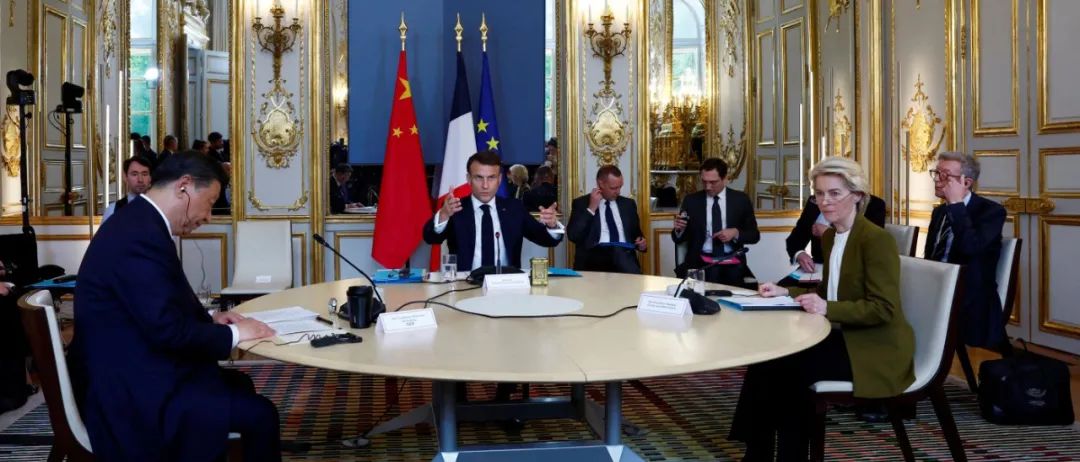
2024年5月6日,中法歐領導人在巴黎愛麗捨宮舉行三方會晤(圖源:法新社)
跨大西洋貿易戰可能對歐洲經濟造成嚴重衝擊,削弱其對華談判籌碼,尤其在電動汽車和傳統汽車產業領域。這一局面也可能促使歐洲對中國投資持更加開放的態度。儘管中國資本有助於振興歐洲製造業,推動綠色轉型,但由於歐盟缺乏統一的對外投資戰略,相關合作往往缺少必要的保障機制和本土化要求,從而使得中資在歐佈局一定程度上只能按中方規則展開。這一趨勢可能加速歐洲在特定經濟領域向中國靠攏,從長遠看可能改變美國在地區事務中的主導地位。
文章指出,中國企業在歐洲的本土化發展有望提升中方在鋰電池等關鍵領域的技術實力和供應鏈多元化能力,同時也可能對歐洲在某些地緣政治議題上與美國保持一致的意願造成影響。
當前,歐洲正處於地緣政治的關鍵時刻。中歐峯會有助於緩解部分緊張氛圍,但有限的讓步難以從根本上解決結構性矛盾,合作空間仍面臨現實約束。美方若寄希望於中歐關係發展受阻來維持自身影響力,並不足以構成可持續戰略。
跨大西洋貿易戰可能對歐洲經濟造成嚴重衝擊,削弱其在對華談判中的籌碼,尤其在電動汽車和傳統汽車產業領域。這一局面也可能促使歐洲對中國投資持更加開放的態度。儘管中國資本有助於振興歐洲製造業,推動綠色轉型,但由於歐盟缺乏統一的對外投資戰略,相關合作往往缺少必要的保障機制和本土化要求,從而使得中資在歐洲的佈局在一定程度上按照中方規則展開。這一趨勢可能加速歐洲在特定經濟領域向中國靠攏,從長遠看可能改變美國在地區事務中的主導地位。
中國企業在歐洲的本土化發展有望提升中方在鋰電池等關鍵領域的技術實力和供應鏈多元化能力,同時也可能對歐洲在某些地緣政治議題上與美國保持一致的意願造成影響。若美國希望實現長期戰略目標,仍需與盟友一道推動以規則為基礎的國際經貿秩序,而不是依靠單邊關税等對抗性措施。
當前,布魯塞爾正處於地緣政治的關鍵時刻。歐盟雖然持續推進經濟競爭力與安全機制建設,但可能低估了跨大西洋關係裂痕的深度以及中國國家主導型產業崛起帶來的結構性挑戰。
中歐峯會有助於緩解部分緊張氛圍,但有限的讓步難以從根本上解決結構性矛盾,合作空間仍面臨現實約束。美方若寄希望於中歐關係發展受阻來維持自身影響力,並不足以構成可持續戰略。華盛頓需要採取更加系統的政策安排,將外交溝通、經濟利益與長遠戰略目標協調統一,尤其要在理解盟友處境的基礎上,通過低調、務實的方式推進合作,避免將歐洲進一步推向中國。
Short Summary

The article by CSIS pointed out that the tariff threats imposed under the banner of the Trump administration’s “America First” trade agenda, while exerting short-term pressure on the European Union, risk weakening the transatlantic alliance and limiting Europe’s strategic flexibility in shaping its China policy. This, in turn, could ultimately undermine the United States’ own long-term interests. Amid continued growth in Chinese investment in Europe, U.S. tariffs on the EU may instead push Europe to deepen its economic ties with China.
The EU has repeatedly voiced concerns over China’s rapid advancements in high-tech sectors such as electric vehicles, batteries, and semiconductors. At the same time, it has criticized China’s perceived lack of a clear stance on the Russia–Ukraine conflict, which has affected the overall level of trust in China–EU relations. Despite a certain degree of consensus between Europe and the U.S. on China-related issues, in an ideal scenario, coordination and dialogue could help steer China toward deeper market-oriented reforms. However, in practice, both the Biden and Trump administrations have lacked a coherent and consistent China policy, with the latter tending toward unilateral approaches.
While the U.S. has in recent years pursued bilateral trade arrangements with countries such as the United Kingdom, Vietnam, and Indonesia—sending signals of a restructured global supply chain—these efforts have been undermined by a lack of transparency and implementation coherence. As a result, Washington’s China strategy appears fragmented and inconsistent, making it harder to align with allies in addressing shared challenges.
A transatlantic trade conflict would deal a significant blow to the European economy and erode its bargaining power with China, especially in the electric and traditional automotive sectors. This situation could prompt Europe to become more receptive to Chinese investment. Although Chinese capital may help revitalize European manufacturing and support its green transition, the absence of a unified EU investment strategy has meant that many of these transactions lack adequate safeguards and localization requirements. As a result, Chinese investments in Europe often unfold largely according to China’s own rules. This trend could accelerate Europe’s alignment with China in specific economic areas, potentially shifting the balance of regional influence away from the United States in the long run.
The article also notes that the localized development of Chinese enterprises in Europe could enhance China’s technological capabilities and supply chain resilience in key sectors such as lithium batteries. This may, in turn, reduce Europe’s willingness to fully align with the U.S. on certain geopolitical issues.
Europe currently stands at a critical geopolitical juncture. While the recent China–EU summit helped ease tensions to some extent, limited concessions are unlikely to address deeper structural contradictions, and the scope for meaningful cooperation remains constrained. If Washington places its hopes on stalled China–EU relations as a means of preserving influence, this alone does not constitute a sustainable strategy.
03
國際社會對中國的看法略有好轉
**原標題:**International Views of China Turn Slightly More Positive
**發佈機構:**皮尤研究中心(Pew Research Center)
關鍵詞:中美關係
中文
根據皮尤研究中心在2025年對25個國家進行的調查併發布的報告《國際社會對中國看法略有好轉》,全球對中國的整體印象正在出現改善跡象。在接受調查的國家中,有15國對中國持正面看法的比例上升,這是自2020年新冠疫情爆發以來首次出現較為廣泛的好轉。儘管如此,這一變化仍較為微小——全球中位數僅有36%的人對中國持正面看法,而54%持負面態度。
儘管整體好感有限,但越來越多的人認為中國已是全球第一大經濟體。在此次調查中,有41%的受訪者認為中國是全球領先的經濟強國,而認為美國居首的比例為39%。這一趨勢與兩年前形成鮮明對比,當時認為美國是頭號經濟體的人遠遠多於中國。然而,在實際經濟選擇上,情況更為複雜——幾乎所有受訪國家的大多數人仍傾向於與美國建立更緊密的經濟關係。不過,優先考慮與中國發展經貿關係的比例正在上升,尤其是在墨西哥,自2015年以來該比例已翻了三倍。
各國對中國的看法在高收入國家與中等收入國家之間存在顯著差異。在此次調查的九個中等收入國家中,人們對中國的評價普遍比高收入國家更為積極。在印度尼西亞、土耳其和肯尼亞等國,中國投資受到較高認可,自2019年以來這一支持度顯著上升。然而,積極評價的同時,也伴隨着對中國影響力上升的擔憂。在巴西、尼日利亞和印度尼西亞等國,部分民眾表達了對與中國合作中可能出現的債務可持續性問題的關注,同時也對中國在地區安全事務和政治影響力方面的日益活躍表示關切。
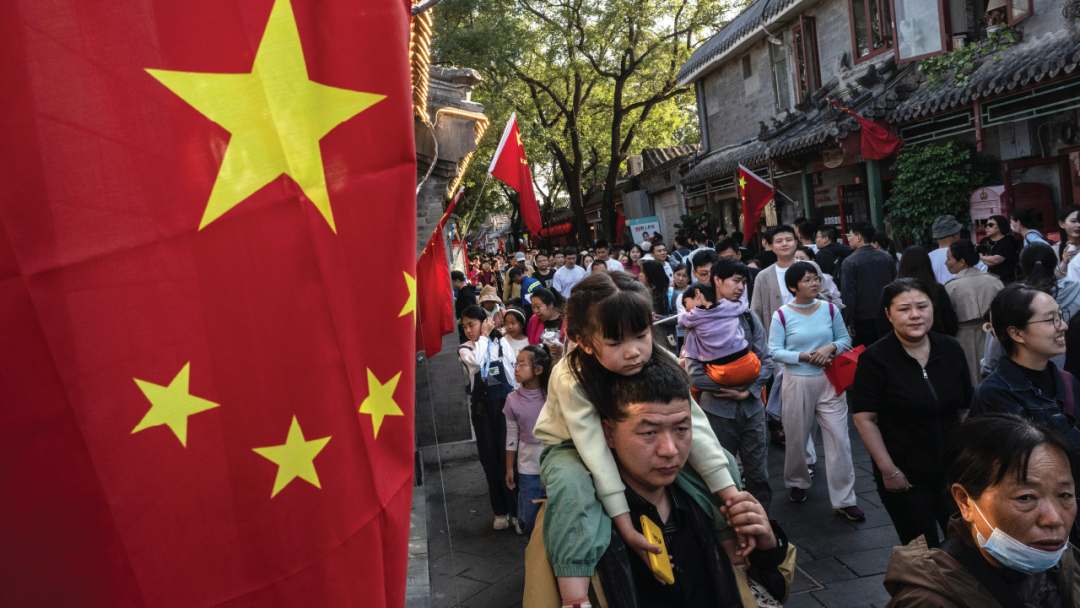
北京的歷史街區(圖源:Getty Images)
值得注意的是,這些中等收入國家對美國也表達了類似的不安。例如,在南非,65%的受訪者認為美國在人權方面的政策是一個嚴重問題,而持相同觀點看待中國的比例為56%。這表明,中國在全球南方的影響雖在擴大,但民眾態度更傾向於一種謹慎的務實,而非單方面的熱情接納。
在對“盟友”與“威脅”的認知上,美國在多國眼中的表現不如中國。在調查覆蓋的九個中等收入國家中,沒有一個國家將中國視為首要威脅;而在阿根廷、巴西、印度尼西亞、墨西哥和南非,公眾中有相當比例認為美國才是最大的威脅。同時,中國被南非和印尼民眾最常提及為本國最重要盟友;相比之下,阿根廷、巴西和墨西哥仍將美國視為頭號夥伴。
總體來看,自2020年以來,全球對中美兩國的觀感差距明顯縮小。這一變化部分歸因於國際社會對特朗普的不信任,尤其在他是否具備應對全球經濟挑戰的能力上。在許多國家,對特朗普缺乏信心的受訪者更傾向於支持與中國的經濟往來。隨着中美地緣競爭加劇,全球輿論之爭也正變得更加動態複雜,尤其是在全球南方國家之間。此次調查表明,中國尚未真正贏得全世界,但其影響力正在上升;與此同時,各國在中美之間的選擇也日益多元與微妙。
Short Summary
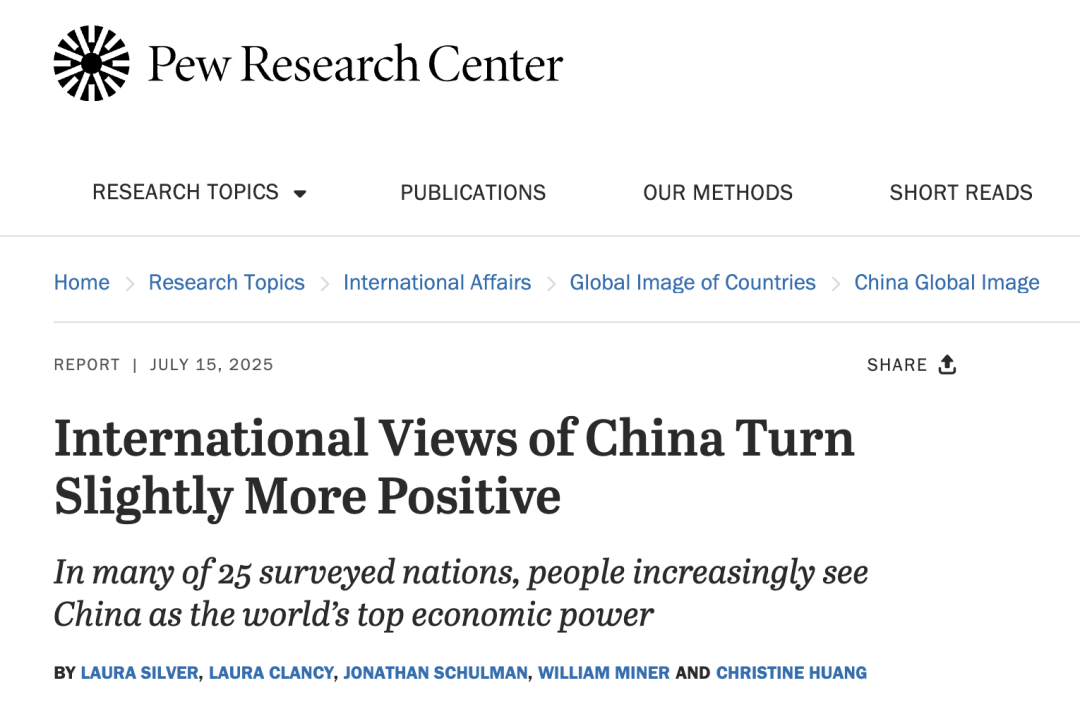
Global perceptions of China are showing signs of improvement, according to Pew Research Center’s report “International Views of China Turn Slightly More Positive” which includes a 2025 survey of 25 countries. Favorable views of China have increased in 15 of those countries—marking the first widespread shift toward positivity since the onset of the COVID-19 pandemic in 2020, when views plummeted to historic lows. Still, the change is modest. A global median of only 36% view China favorably, while 54% hold unfavorable views.
Despite the lukewarm sentiment, more people globally now view China as the world’s top economic power. In the current survey, 41% of respondents identify China as the leading global economy, compared with 39% who say the United States holds that title. This represents a significant shift from two years ago, when the U.S. was seen as the dominant economic power by a much wider margin. Nonetheless, economic alignment tells a more complex story. In nearly all countries surveyed, a majority of people still prefer closer economic ties with the U.S. over China. That said, the share of those prioritizing ties with China is growing—particularly in countries like Mexico, where such preferences have tripled since 2015.
One of the clearest dividing lines in attitudes lies between high- and middle-income countries. Views of China Xi are far more positive in the nine middle-income nations surveyed than in the 16 high-income ones. In many of these developing nations, Chinese investment is viewed favorably, especially in Indonesia, Turkey, and Kenya. Public approval of Chinese investment has risen significantly since 2019. However, this comes with growing unease. In countries like Brazil, Nigeria, and Indonesia, majorities express serious concern over the amount of national debt owed to China, as well as over issues like Beijing’s military power, political influence, and human rights record.
Importantly, people in these middle-income countries often express similar concerns about the United States. For example, 65% of South Africans say U.S. human rights policies are a serious problem, not far from the 56% who say the same about China. This suggests that while China’s presence may be growing, it is viewed through a lens of cautious pragmatism rather than blind enthusiasm.
When it comes to perceptions of allies and threats, the U.S. fares worse than China in several middle-income countries. China is not considered the top threat in any of the nine surveyed, whereas the U.S. is seen as the greatest threat by significant portions of the public in Argentina, Brazil, Indonesia, Mexico, and South Africa. Meanwhile, South Africans and Indonesians most frequently name China as their country’s top ally. In contrast, Argentina, Brazil, and Mexico still identify the U.S. as their strongest partner.
Finally, the overall gap in global views of the U.S. and China has narrowed significantly since 2020. This shift is partly fueled by growing distrust in President Donald Trump, particularly regarding his ability to manage the global economy. In many countries, people who lack confidence in Trump are more inclined to favor economic engagement with China. As geopolitical competition between the two powers intensifies, the battle for global public opinion is becoming more fluid, especially in the Global South. The survey underscores that while China has yet to fully win over the world, its influence is clearly rising—and so is the complexity of global allegiances.
04
歐盟制裁兩家向俄提供援助的中國銀行
**原標題:**European Union sanctions 2 Chinese banks over aid to Russia
發佈機構:南華早報(South China Morning Post)****
關鍵詞:中歐關係;制裁
中文
自俄烏衝突爆發以來,歐盟首次將兩家中國小型銀行——綏芬河農村商業銀行和黑河農村商業銀行——列入其第18輪制裁名單。布魯塞爾方面稱,這兩家銀行利用加密貨幣渠道,幫助俄羅斯進口已被歐盟禁運的商品;而中方則反駁道,這些交易是在限制措施出台前進行的正常貿易。
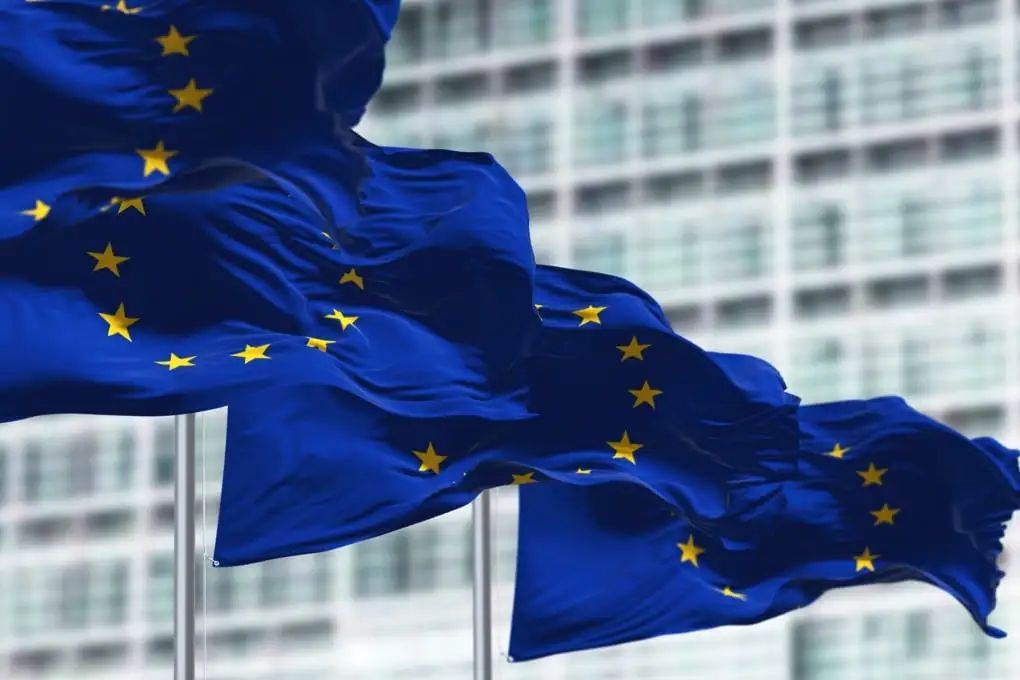
位於比利時布魯塞爾的歐盟總部(圖源:南華早報)
該制裁方案歷經數週外交博弈後獲批。期間,斯洛伐克在確保俄羅斯天然氣將在 2028 年逐步停用後,不再使用其否決權。同一時期,中國外交部長王毅與歐盟代表卡婭·卡拉斯進行了多次交流,王毅明確警告將採取 “必要反制措施”。儘管這兩家銀行仍在制裁名單上,但歐盟同意,若六個月內能證明其停止違規活動,將重新評估制裁決定。
該問題在本週於北京召開的中歐峯會上也被提及。歐洲領導人計劃就軍民兩用物品流入俄羅斯問題提出關切,而中方重申反對單邊制裁的一貫立場,呼籲基於事實開展對話。中歐雙方仍在探討為第31屆聯合國氣候變化大會(COP31)發表聯合氣候聲明的可能性,但雙方官員均表示,此次峯會的主要目標是進行坦誠的高層對話,而非取得實質性的突破。
Short Summary
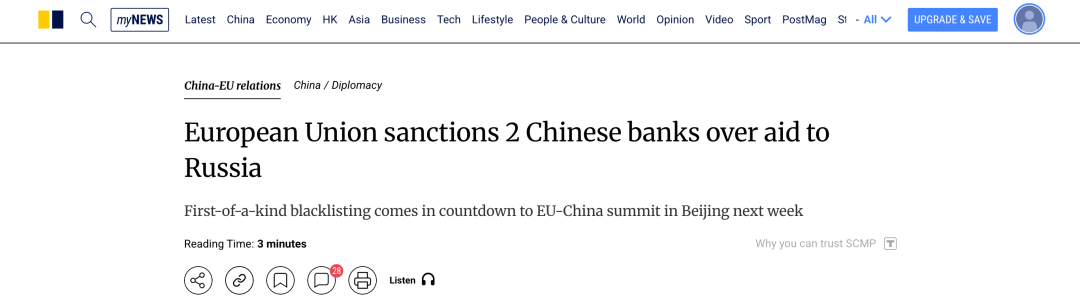
In a first for the Ukraine conflict, the European Union has added two small Chinese lenders—Suifenhe Rural Commercial Bank and Heihe Rural Commercial Bank—to its 18th sanctions list. Brussels says the banks used crypto channels to help Russia import goods already under EU embargo; Beijing counters that the transactions were normal trade conducted before any restrictions existed.
Approval followed weeks of diplomacy in which Slovakia lifted its veto after securing a 2028 phase-out of Russian gas. During the same period, Chinese Foreign Minister Wang Yi and EU envoy Kaja Kallas held multiple exchanges in which Wang warned of “necessary counter-measures.” Although the banks remain on the list, the EU agreed to review their status in six months if evidence shows they have stopped any activity deemed sanctionable.
This issue was also raised at the China-EU summit held in Beijing this week. European leaders plan to raise concerns about the flow of dual-use items to Russia, while Chinese officials emphasize their long-standing position against unilateral sanctions and call for dialogue based on facts. Both sides are still discussing a possible joint climate statement for COP31, but officials on each side describe the summit’s main goal as a candid, high-level conversation rather than concrete breakthroughs.
05
中國對稀土的最強控制權在於金融“鎖喉”
**原標題:**China’s tightest rare-earths headlock is financial
發佈機構:路透社(Reuters)
關鍵詞:稀土
中文
路透社發表的文章《中國對稀土的最強控制權在於金融“鎖喉”》指出,西方國家正日益警覺中國在稀土精煉領域的主導地位——這個行業對電動車、導彈系統等關鍵技術至關重要。儘管稀土元素在地殼中並不稀少,但由於其提煉過程複雜、環節眾多,成本極高,因此對西方企業來説一直缺乏吸引力,特別是在利潤微薄、價格波動劇烈的背景下。
目前全球91%的稀土精煉產出來自中國。中國能夠持續保持全球市場的領先地位,得益於政府長期穩定的支持政策,以及企業靈活應對低利潤、高效率競爭環境的能力。相比之下,西方礦業公司更傾向於從事利潤更高的原材料開採,基本放棄了複雜又費錢的精煉環節。這種失衡使西方國家在國防和綠色技術等關鍵領域陷入依賴,面臨戰略性脆弱。
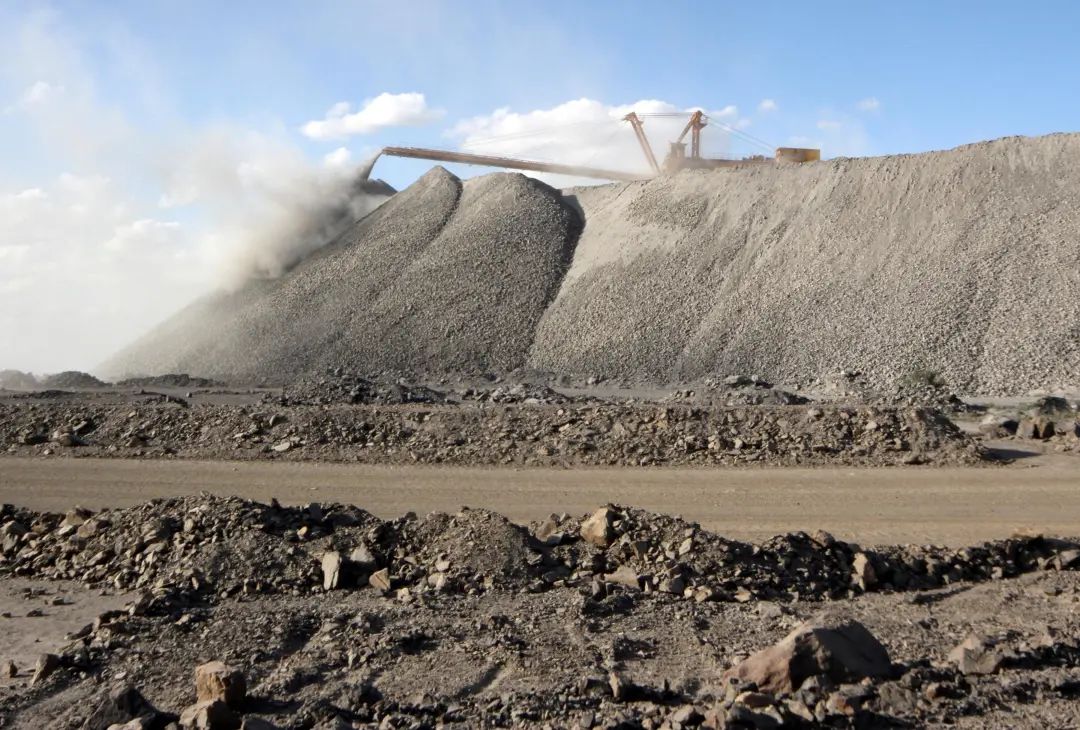
內蒙古白雲鄂博稀土礦(圖源:路透社)
為了扭轉局面,美國、法國、日本和韓國等國已開始動用公共資金支持本國的稀土項目,包括提供價格託底和政府採購承諾,以穩定市場。例如,美國國防部將設定價格底線來保障本土稀土生產的可持續性。
然而,即便在上述努力下,中國到2040年在全球稀土精煉市場的佔比預計也只會降至73%。要真正打破這種依賴,西方國家還需採取更大規模、更有協同力的行動,比如組建國際聯合體、建立國家戰略庫存等系統性干預。
Short Summary
The article published by Reuters titled “China’s tightest rare-earths headlock is financial” states that Western governments are increasingly alarmed by China’s dominance in rare earth refining — a sector critical for technologies ranging from electric vehicles to missile systems. Although rare earth elements are not geologically rare, they are extremely difficult and expensive to refine due to complex, multi-stage processes. This has made the industry unattractive to Western companies, particularly because of low margins and volatile prices.
China refines 91% of global rare earth output and maintains dominance through state subsidies and willingness to accept lower profitability. By contrast, Western miners prefer raw material extraction, which is more profitable, and have largely abandoned refining. This imbalance has left Western countries vulnerable, especially as rare earths are essential for defense and green technologies.
To counter this, governments like the U.S., France, Japan, and South Korea have begun to invest public money into rare earth projects, offering price guarantees and stockpile commitments to stabilize the market. For example, the U.S. Department of Defense will backstop rare earth prices to keep domestic production viable.
Still, even with current efforts, China’s market share in refining is only expected to fall to 73% by 2040. To make a serious dent, the West will need more coordinated, large-scale interventions — including international consortia and sovereign stockpiling.