“外媒論中國”第28期|要雙邊,也要多邊_風聞
北京对话-北京对话官方账号-北京枢纽型国际对话智库平台,致力于中外交流14分钟前
01
特朗普挑起的貿易戰,中國贏了
**原標題:**China is winning the trade war Trump started
發佈機構:華盛頓郵報(The Washington Post)****
關鍵詞:中美關係;貿易戰
中文
《華盛頓郵報》發佈的評論文章《特朗普挑起的貿易戰,中國贏了》指出,特朗普對中國發起的貿易戰不僅沒有達到預期目標,反而削弱了美國自身實力,讓中國更加強大。儘管特朗普言辭激烈,但始終未能迫使中國作出實質性讓步。2025年上半年,中國經濟增長達到5.3%,而美國僅為1.25%。雙方經過一輪關税交鋒後做出退讓,最終只是達成了降税的“停戰協議”,卻沒有帶來實質性戰略收益。
與此同時,特朗普還批准向中國出口英偉達的先進AI芯片,引發美國國內安全專家的不滿。這些芯片具有軍事潛力,而這項交易被視為削弱美國科技優勢的危險信號。與此同時,特朗普又對印度、日本、韓國等重要盟友加徵高額關税,動搖了本應聯合遏制中國的地區合作框架。
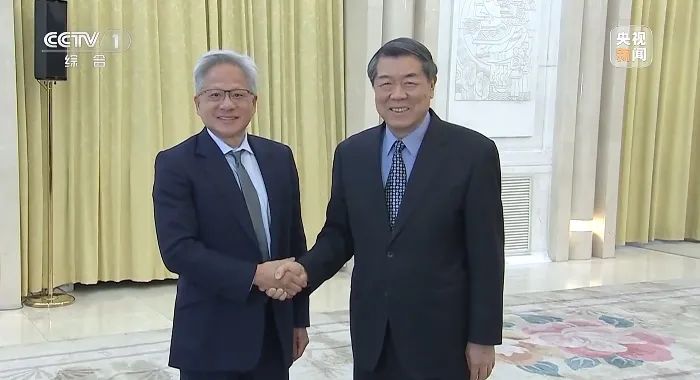
2025年4月17日晚,中國國務院副總理何立峯會見英偉達總裁黃仁勳(圖源:央視截圖)
在貿易之外,特朗普大幅削減外交、對外援助和科研經費,給中國提供了增加影響力的空間。他還收緊對外國留學生的政策,限制科技領域的投入,而中國正在這些關鍵技術領域持續加碼,逐步縮小與美國的差距。
全球範圍內,美國形象也在下滑。皮尤研究中心的一項調查顯示,美國的國際好感度顯著下降,而中國的評價則略有上升,兩者差距不斷拉近。儘管暫停貿易戰在短期內有助於緩解經濟壓力,但文章指出,特朗普的整體戰略——孤立主義、政策反覆、削弱盟友關係——正在幫助中國增強影響力,反而削弱了美國的全球領導地位。
Short Summary
A commentary published by The Washington Post entitled “China is winning the trade war Trump started” argues that Donald Trump’s trade war with China has backfired, weakening the U.S. while allowing China to grow stronger. Despite bold rhetoric, Trump failed to secure major concessions. China’s economy grew 5.3% in early 2025 versus America’s 1.25%. After an initial tariff standoff, both sides backed down, settling on reduced tariffs—a truce with little strategic gain.
At the same time, Trump approved the sale of sensitive Nvidia AI chips to China, drawing criticism from national security experts. Meanwhile, he has alienated key allies like India, Japan, and South Korea with steep tariffs, undermining regional coalitions meant to counter China’s influence.
Beyond trade, Trump’s cuts to diplomacy, foreign aid, and scientific research have left power vacuums China is now filling. Efforts to restrict foreign students and reduce R&D investment risk ceding America’s technological edge in fields where China is rapidly advancing.
Globally, America’s image is slipping. A Pew survey shows declining favorability for the U.S., with China closing the perception gap. While ending the tariff war may limit short-term damage, the article contends that Trump’s broader strategy—marked by isolationism, erratic policy, and weakened alliances—is ultimately empowering China and undermining U.S. global leadership.
02
中國製造商考慮重新轉向東南亞
**原標題:**Chinese manufacturers rethink south-east Asia pivot after Donald Trump’s tariffs
**發佈機構:**金融時報(Financial Times)
關鍵詞:中美關係;產業轉移;東南亞
中文
近期,美國對東南亞國家加徵10%-40%不等的關税,並出台新規打擊中國商品“轉運”行為,使亞洲供應鏈面臨重大調整。《金融時報》發佈的評論文章《中國製造商考慮重新轉向東南亞》指出,這一政策變化迫使中國出口商重新評估海外投資策略,部分企業甚至考慮迴歸中國生產。
過去幾年,為規避特朗普政府對華高額關税,中國製造商向東南亞投資數十億美元,推行“中國+1”戰略。然而,美國最新關税政策大幅削弱了這一戰略的吸引力。儘管東南亞關税仍低於中國(30%),但利潤空間被壓縮,企業轉移生產的動力減弱。牛津經濟研究院指出,部分企業可能轉向更遠地區建廠,但高昂的初期成本使許多企業仍傾向於留在中國。
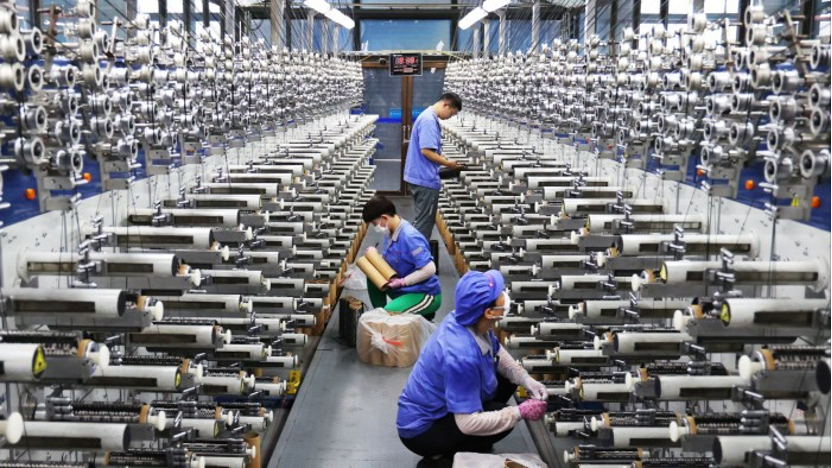
中國東部江蘇省的一家碳纖維工廠(圖源:法新社/Getty Images)
企業陷入兩難境地,中國製造商面臨巨大不確定性。例如,閩源鞋業在柬埔寨擴建工廠後,美國客户因新關税政策而暫緩下單。龍源採購公司的首席執行官理查德·洛布表示,美國買家從最初的“恐慌性尋找替代供應商”轉為觀望,許多客户選擇繼續從中國採購,等待政策明朗化。
東南亞內部競爭加劇,不同國家的關税差異改變了區域競爭格局。例如,柬埔寨工廠因19%的關税仍略優於中國,但與越南(20%關税)的競爭更加激烈。部分企業如温尼伍德公司考慮將生產轉移至印尼,但面臨零部件運輸成本上升和轉運關税的雙重壓力,導致整體優勢下降。
中國部分產業仍具不可替代性。在高技術領域(如高端紡織品),中國的主導地位難以撼動,因東南亞國家無法匹配其生產能力。此外,一些曾遷往越南的企業因成本上升(如土地、勞動力效率)和關税增加而後悔,部分低附加值商品的中國生產商甚至未受顯著影響。
Short Summary
Recent U.S. tariffs ranging from 10% to 40% on Southeast Asian countries, coupled with new restrictions targeting the “transshipment” of Chinese goods, have triggered a major realignment in Asia’s supply chains. A commentary published by The Financial Times titled “Chinese manufacturers rethink south-east Asia pivot after Donald Trump’s tariffs” pointed out that this policy shift has forced Chinese exporters to reassess their overseas investment strategies, with some even considering a return to domestic production.
In recent years, Chinese manufacturers poured billions of dollars into Southeast Asia as part of the “China plus one” strategy to mitigate the impact of the Trump administration’s steep tariffs on Chinese goods. However, the latest U.S. tariff measures have significantly eroded the appeal of this strategy. Although tariffs in Southeast Asia remain lower than those on Chinese goods (30%), shrinking profit margins have weakened incentives for relocating production. According to Oxford Economics, while some firms may explore manufacturing bases farther afield, the prohibitively high upfront costs are likely to keep many anchored in China.
Manufacturers now face a dilemma, grappling with heightened uncertainty. For instance, Minyuan Footwear, which expanded its operations in Cambodia this year, has seen U.S. customers delay orders due to the new tariff policies. Richard Laub, CEO of Dragon Sourcing, noted that the initial “panic-driven scramble” among U.S. buyers to secure alternative suppliers in Southeast Asia has subsided, with many opting to continue sourcing from China until “the dust settles”.
Competition within Southeast Asia has intensified as tariff disparities reshape regional dynamics. For example, Cambodia’s 19% tariff rate still offers a slight edge over China, but its producers now face fiercer competition from Vietnam (20% tariffs). Companies like Wynnewood Corp are exploring shifts to Indonesia but confront a “double whammy” of rising component shipping costs and transshipment tariffs, undercutting the overall advantage.
China retains irreplaceable dominance in certain sectors. In high-tech industries like premium textiles, few Southeast Asian nations can match China’s technical capabilities. Meanwhile, some manufacturers that relocated to Vietnam regret their decision due to soaring property costs, inefficient labor, and additional tariffs. Notably, Chinese producers of low-value-added goods report minimal impact, with some even noting unchanged U.S. demand.
03
中國關注美俄領導人會晤,觀察西方對烏克蘭立場
原標題:China eyes Trump-Putin meeting, gauges West’s resolve on Ukraine
發佈機構:福克斯新聞(Fox News)
關鍵詞:美俄領導人會晤;烏克蘭危機;和平解決
中文
在阿拉斯加舉行的美俄領導人會晤引發國際社會高度關注。福克斯新聞發佈的評論文章《中國關注美俄領導人會晤,觀察西方對烏克蘭立場》指出,中國正密切觀察這場對話的進程及其可能釋放的信號,尤其關注美俄是否會出現“交易優於威懾”的趨勢。一旦特朗普在關鍵礦產等領域與俄羅斯達成合作,而烏克蘭局勢卻未見實質緩和,這將被視為美國更看重經貿交易而非戰略約束,從而影響盟友對美方承諾的信任。
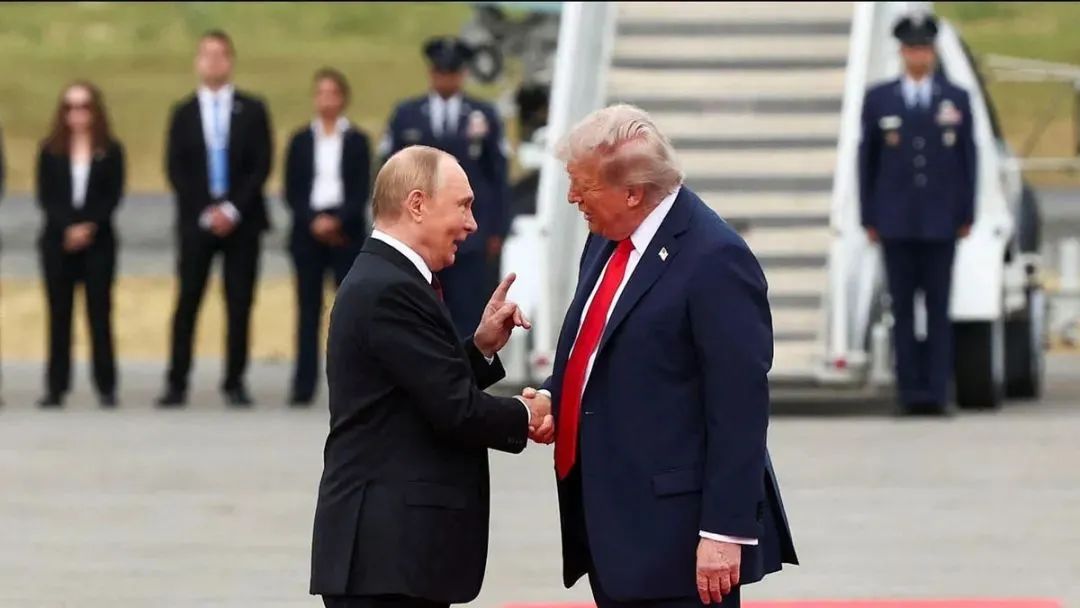
8月15日,美國總統特朗普與俄羅斯總統普京在阿拉斯加最大城市安克雷奇的埃爾門多夫-理查森聯合基地會面,商討結束俄烏衝突事宜,並握手致意(圖源:路透社)
此外,烏克蘭總統澤連斯基缺席峯會,也被視作一個重要信號。如果大國在處理衝突時繞過直接相關國家進行磋商,中國可能會將此視為國際社會在某些情況下尋求和平解決的嘗試,因為這與其自身倡導的多極化和大國協商模式的理念相契合,也為其觀察國際格局、評估大國互動提供參考。
文章認為,中國不會直接介入美俄對話,但會把它作為戰略觀察窗口,衡量美國在處理地區衝突時的底線和優先級。這一進程對未來亞太安全格局和中國自身政策選擇,具有重要參考意義。
Short Summary
Recently, the U.S.-Russia leaders’ meeting in Alaska has drawn widespread international attention. A cmmentary posted by Fox News titled “China eyes Trump-Putin meeting, gauges West’s resolve on Ukraine” noted that China is closely observing the progress of the talks and the potential strategic signals, particularly whether the U.S. and Russia might prioritize “deals over deterrence.” If Trump reaches agreements with Russia on critical minerals while the situation in Ukraine sees no substantial easing, this could be interpreted as the U.S. valuing economic transactions over strategic constraints, potentially affecting allies’ trust in U.S. commitments.
In addition, Ukrainian President Zelenskyy’s absence from the summit is seen as a significant signal. From Beijing’s perspective, when major powers negotiate conflicts without directly involving the concerned parties, it may be regarded as an attempt by the international community to seek peaceful solutions in certain circumstances. This aligns with China’s advocacy of a multipolar world and major-power consultation, providing Beijing with valuable reference for observing the international landscape and assessing the interactions of major powers.
Overall, China is not directly involved in the U.S.-Russia dialogue but treats it as a strategic observation window to gauge U.S. thresholds and priorities in handling regional conflicts. The outcome of this process holds important implications for the future security landscape in the Asia-Pacific region and for China’s own policy choices.
04
這會是中美友誼的開端嗎?
**原標題:**Is this the start of a U.S.-China friendship?
**發佈機構:**外交政策(Foreign Policy)
關鍵詞:中美關係
中文
七月底在斯德哥爾摩舉行的中美高級官員會晤,標誌着兩國關係朝更加穩定的方向邁出關鍵一步。《外交政策》近期發表題為《這會是中美友誼的開端嗎?》的文章指出,**此次經貿會談或將為中美領導人之後的會晤奠定堅實基礎。**文章認為,中美雙方有望在關税問題上取得進展,並推動在製造業、能源、禁毒等領域的深層次合作,同時在TikTok問題與雙邊貿易平衡方面亦可能迎來突破。
相互依存的經濟仍是推動中美關係修復的關鍵動力之一。特朗普政府已經意識到,中美產業鏈深度嵌套,強行脱鈎的做法只會帶來對關鍵行業的擾動和一系列意料之外的後果。例如,中國暫停稀土出口便暴露出美國在相關領域對華高度依賴。特朗普隨後對相關政策進行了調整,包括放寬對華芯片出口限制、重新授權與中企商業往來,説明其逐漸認識到,相較於對抗,合作才是維繫美國經濟穩定的必要之舉。
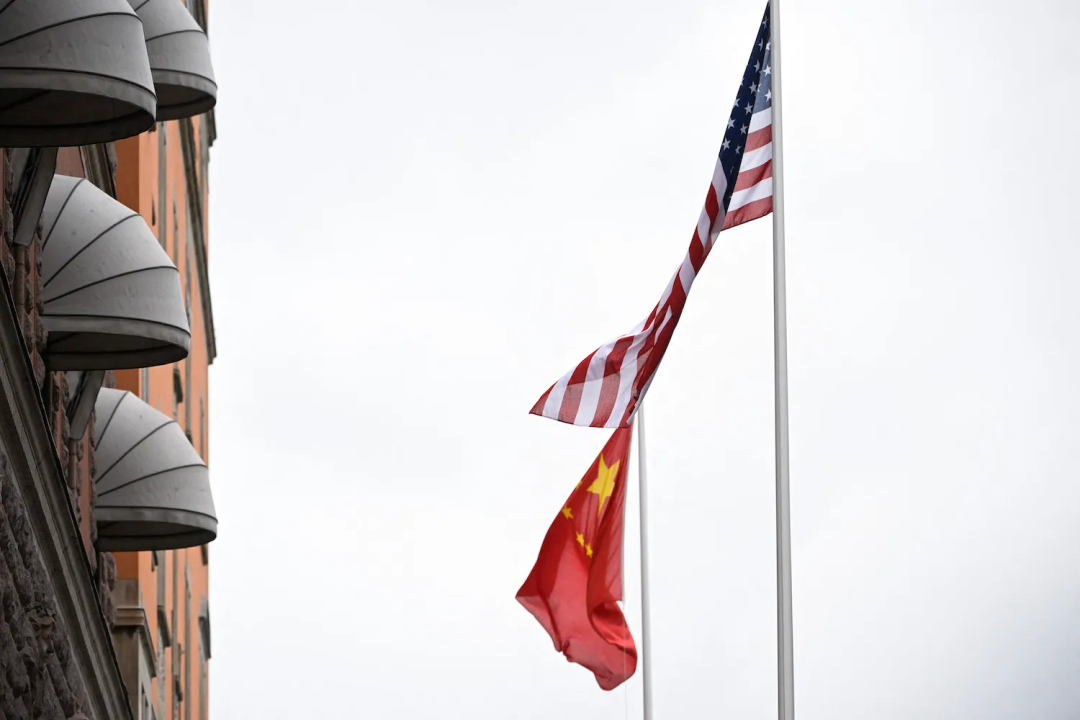
當地時間7月28至29日,中美經貿會談在瑞典斯德哥爾摩舉行(圖源:法新社)
種種跡象表明,如果中美領導人能順利舉行會晤,或將開啓一個更加周全、相互尊重的中美關係新階段,雙方將深化互動,共同致力於破除冷戰思維。
Short Summary
The recent meeting in Stockholm between U.S. and Chinese high-level officials marked a crucial step toward a more stable U.S.-China relations. A recent article published by Foreign Policy titled “Is this the start of a U.S.-China friendship?” suggested that this meeting could lay a solid foundation for the upcoming meeting between the Chinese and U.S. leaders. The author expects that this meeting may boost progress not only on tariffs, but also deeper cooperation in manufacturing, energy, and drug control, alongside possible breakthroughs on the TikTok issue and bilateral trade balance.
Economic interdependence is one of the key driving force to restore the relationship. The Trump administration has come to realize that U.S. and Chinese supply chains are deeply intertwined, and attempts to force decoupling have thus far only disrupted key industries and triggered unintended consequences, such as China’s suspension of rare-earth exports, which exposed the U.S.’ vulnerabilities in such area. Trump’s subsequent policy adjustments, including easing chip restrictions and reauthorising business with China, reflect a recognition that cooperation, rather than confrontation, which is
essential for U.S. economic stability.
Various signs suggest that if the Chinese and U.S. leaders can successfully hold a meeting, it could mark the beginning of a more comprehensive and mutually respectful phase in China–U.S. relations, with both sides deepening interactions and working together to overcome Cold War–style thinking.
05
中國若不再正眼看歐洲,純屬布魯塞爾咎由自取
**原標題:**If China no longer takes Europe seriously, Brussels has itself to blame
發佈機構:南華早報**(South China Morning Post)**
**關鍵詞:**中歐關係
中文
《南華早報》發佈的評論文章《中國若不再正眼看歐洲,純屬布魯塞爾咎由自取》指出,歐盟因其對華政策搖擺不定、對美國日益增長的軍事與經濟依賴,已在大國競爭中將自身邊緣化,淪為無足輕重的角色。文章分析了歐盟對地緣政治的誤判,及其在強權現實政治中節節敗退,從而被特朗普政府利用,最終不得不脱下“戰略自主”的偽裝。
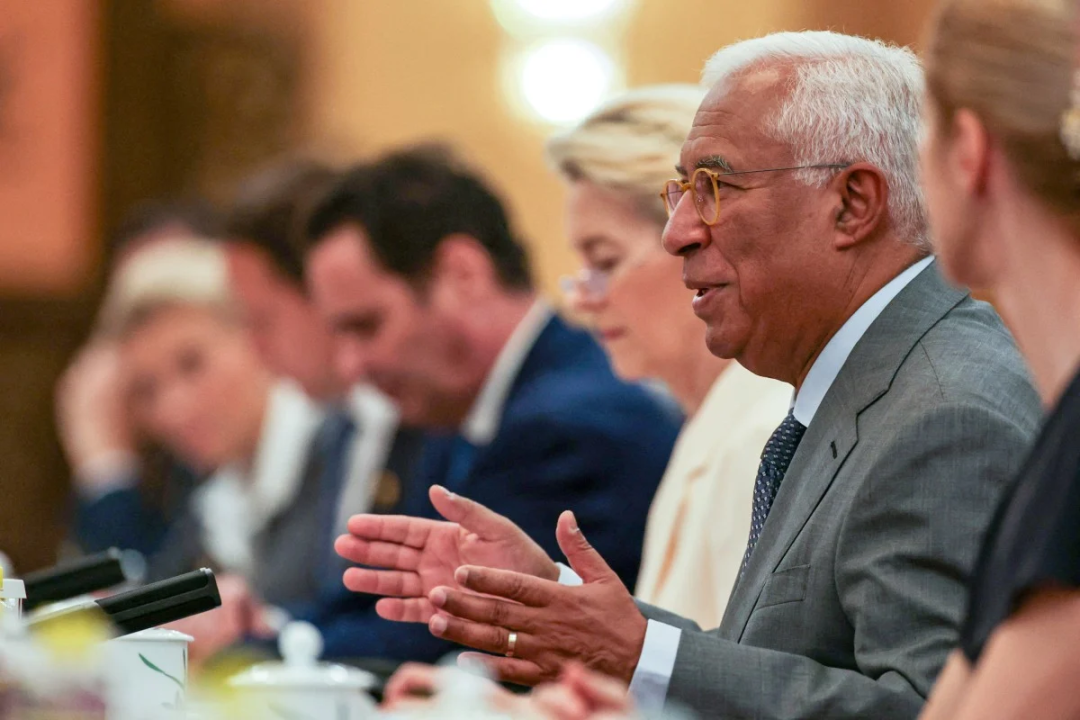
7月24日,歐洲理事會主席安東尼奧·科斯塔在第25屆中歐峯會上進行開幕致辭**(圖源:路透社)**
7月24日舉行的中歐峯會成果有限,雙方僅達成一項稀土協議,並未在核心議題上作出重大讓步。與此同時,特朗普通過人為製造“離間計”,使歐洲暴露出無法在意識形態和經濟需求之間進行抉擇的問題。在此種困境中,歐盟對地緣現實做出了誤判:一方面加大了對跨大西洋聯盟的軍事依賴,同意到2035年將軍費開支提高至GDP的5%;另一方面對華實施選擇性施壓,要求中國改變對俄關係,卻不提出任何自己的外交倡議。
可見,歐盟陷入自相矛盾的局面:儘管將烏克蘭危機定義為“生存衝突”,卻仍在2024年向俄支付230億歐元的能源費用;儘管將美國視為可靠夥伴,卻無視其持續的經濟威脅、強制武器購買和外交上的輕視;在低估中國的同時,卻依賴中國的原材料、關鍵工業投入以及綠色和數字技術供應鏈。由此,歐洲地緣政治影響力開始逐漸下降,其對華戰略也呈現出收縮之勢。
Short Summary
A commentary published by South China Morning Post titled “**If China no longer takes Europe seriously, Brussels has itself to blame”**pointed out that the EU has marginalized itself in great power competition due to its wavering China policy and growing military and economic dependence on the United States, becoming an insignificant player. The article analyzes the EU’s misjudgment of geopolitical realities and its successive setbacks in hard-nosed power politics, which have been exploited by the Trump administration, ultimately forcing the EU to shed the facade of “strategic autonomy.”
On July 24, the China–EU summit yielded limited results, with the two sides reaching only a rare earth agreement and making no substantial concessions on core issues. Meanwhile, through deliberately engineering a “divide-and-rule” tactic, Donald Trump exposed Europe’s inability to reconcile its ideological stance with its economic needs. In this predicament, the EU has misjudged geopolitical realities: on the one hand, it has deepened its military dependence on the transatlantic alliance, agreeing to raise defense spending to 5% of GDP by 2035; on the other hand, it has applied selective pressure on China, demanding that Beijing alter its relations with Russia without putting forward any diplomatic initiative of its own.
Thus, the EU has fallen into a contradictory position: while defining the Ukraine crisis as an “existential conflict”, it still paid €23 billion to Russia for energy in 2024; while regarding the United States as a reliable partner, it turns a blind eye to Washington’s persistent economic threats, forced arms sales, and diplomatic condescension; while underestimating China, it remains dependent on Chinese raw materials, key industrial inputs, and green and digital technology supply chains. As a result, Europe’s geopolitical influence has begun to decline, and its China strategy is showing signs of contraction.
06
莫迪若出席上合組織峯會,將傳遞什麼信息
**原標題:**What message will Modi take if he attends the SCO Summit in China?
發佈機構:洛伊研究所**(Lowy Institute)**
關鍵詞:上合組織峯會
中文
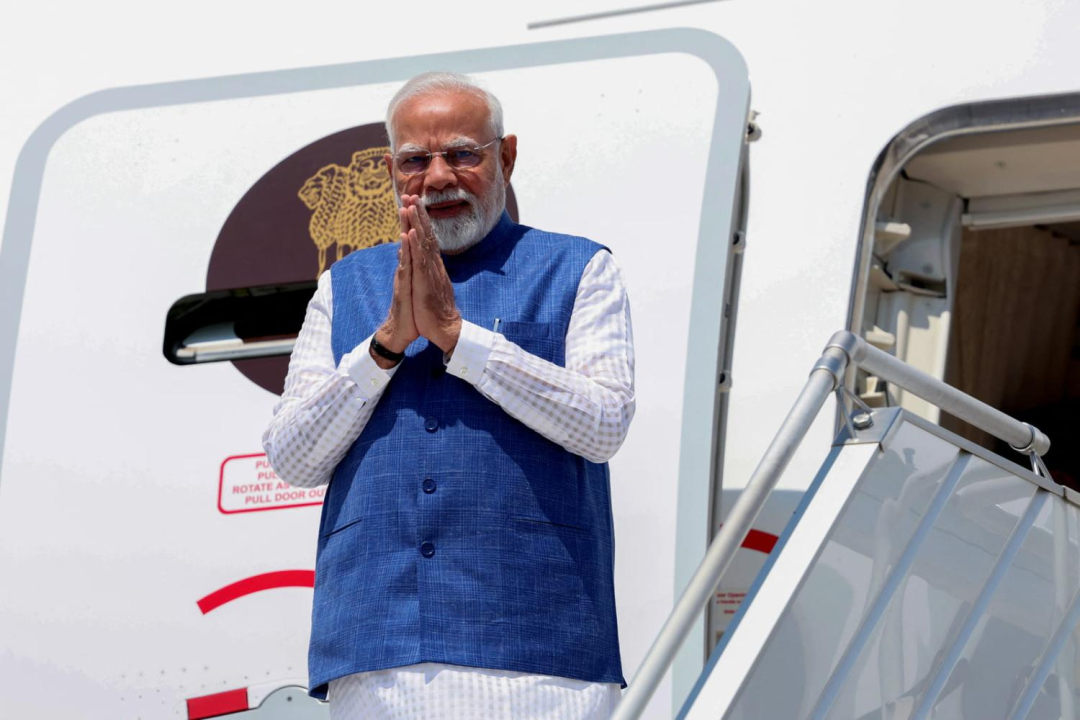
洛伊研究所近日發佈的評論文章《莫迪若出席上合組織峯會,將傳遞什麼信息》認為,印度總理莫迪預計將在本月下旬親赴中國出席上海合作組織領導人峯會,這也將是他自2020年加勒萬河谷衝突以來首次訪問中國。此次訪問不僅被視為中印關係出現緩和的重要信號,也是在長期積累的結構性矛盾之下邁出的謹慎一步。過去五年,中印在實際控制線(LAC)、水文數據共享和貿易壁壘等問題上摩擦不斷。儘管印度外長蘇傑生近日訪華並與中方高層溝通,為莫迪此行鋪路,但雙方在跨境恐怖主義和地區安全認知等核心議題上分歧依舊深刻。
對印度而言,此次出席不僅體現了其對上合組織機制的重視,也契合其多元外交戰略。在西方盟友因印度進口俄油而持續施壓、特朗普政府對印加徵關税的背景下,適度改善與中國的關係,有助於印度在大國競爭中保留戰略迴旋空間。隨着印度將在2026年接任金磚國家主席國,莫迪希望藉助此次會面與中國、俄羅斯鞏固政治互信,為推動“以人為本”的金磚合作議程奠定基礎。
7月24日,歐洲理事會主席安東尼奧·科斯塔在第25屆中歐峯會上進行開幕致辭**(圖源:路透社)**
然而,印度在本屆峯會的核心訴求——在上合組織框架內就跨境恐怖主義達成共識——很可能遭遇阻力。中國在相關議題上的態度被印度批評為“口惠而實不至”,而伊朗在地區安全問題上亦未與印度保持一致。加之巴基斯坦總理謝里夫也將出席,莫迪預計會在會上強硬表態,強調恐怖主義是上合組織的創始關切,並直指跨境威脅的現實與緊迫。
從更宏觀的地緣政治視角看,莫迪此行既是對多邊外交平台的靈活運用,也是對國內民族主義輿論與國際大國身份敍事的回應。即使在實質議題上難有突破,中印高層在上合組織框架下的同台亮相,仍將向外界釋放“可控競爭、有限合作”的信號。印度力圖藉此塑造自身“世界之友”的形象,在分裂的國際格局中爭取更大的話語權與戰略籌碼。此次峯會,既是印度多線並進外交的縮影,也是莫迪在戰略自主與現實利益之間的一次精心試探。
Short Summary
A commentary recently published by Lowy Institute titled “What message will Modi take if he attends the SCO Summit in China?” notedthat Indian Prime Minister Narendra Modi is expected to travel to China later this month to attend the Shanghai Cooperation Organisation (SCO) leaders’ summit. It would be his first visit to China since the deadly Galwan Valley clashes in 2020, and is widely viewed as a sign of tentative rapprochement after years of strain—though deep structural frictions remain. Over the past five years, New Delhi and Beijing have been at odds over the Line of Actual Control (LAC), hydrological data sharing, and trade restrictions. While External Affairs Minister S. Jaishankar’s recent trip to Beijing, including meetings with Chinese President and Foreign Minister, helped set the stage for Modi’s participation, fundamental disagreements on cross-border terrorism and regional security continue to run deep.
For India, Modi’s presence at the summit signals both the weight it places on the SCO and its broader strategy of diversified engagement. At a time when Western partners are turning up the pressure over Russian oil imports and the Trump administration has imposed tariffs on Indian goods, a measured easing of tensions with China could give New Delhi valuable room to manoeuvre in a crowded geopolitical field. Looking ahead to India’s assumption of the BRICS chairmanship in 2026, Modi is also keen to use this moment to reinforce political trust with Beijing and Moscow, laying the groundwork for his “humanity first” vision for BRICS.
Yet New Delhi’s primary goal for this summit—securing an SCO-wide consensus on cross-border terrorism—is unlikely to be achieved. Beijing’s stance has drawn Indian criticism as rhetorical rather than substantive, while Tehran’s position on regional security does not fully align with India’s. The anticipated presence of Pakistani Prime Minister Shehbaz Sharif will add a layer of political complexity. Modi is expected to speak forcefully, underscoring that counterterrorism is a founding principle of the SCO and highlighting the urgency of confronting cross-border threats head-on.
Viewed in a wider strategic context, the visit is as much about maximising the utility of multilateral platforms as it is about addressing domestic nationalist expectations and sustaining India’s image as a major power. Even if it produces few concrete outcomes, a China-India encounter on the SCO stage would send a message that competition can be kept within bounds and cooperation, however limited, remains possible. In doing so, Modi will seek to project India as a “Vishwabandhu” – a friend to all – while expanding its influence and strategic options in an increasingly fragmented global order. The summit will thus stand as both a snapshot of India’s multi-vector diplomacy and a calculated exercise in balancing strategic autonomy with pragmatic interests.