阿諾德·貝特朗:TikTok用户越過“鐵幕”,全球數字權力的格局變了
guancha
【文/阿諾德·貝特朗】
美國近期封禁 TikTok 的嘗試,或許會被視作近期不斷發展的“數字冷戰”中最意想不到的事件之一,它引發了一個前所未有的現象:西方用户大規模遷移至中國社交媒體平台,尤其是小紅書。這頗具諷刺意味。美國政策制定者試圖削弱中國的技術影響力,卻在無意間引發了一場反向“柏林牆時刻”:西方用户主動選擇跨越數字鴻溝,融入中國的數字世界。
這次遷移完全是自發的,中國平台並未進行任何推廣。用户,尤其是那些靠 TikTok 謀生的內容創作者和小企業主,開始尋找能讓他們繼續保持網絡影響力、表達對政府封禁不滿的替代平台。事實證明,小紅書是理想之選:其中國背景,成為抵制美國政府科技立場的有力表態;而相似的短視頻功能,又讓它自然地成為內容創作者的新家園。
這些新用户並未在中國的小紅書上看到西方媒體常描繪的那種受限的、充滿宣傳意味的環境,而是發現了一個充滿活力、成熟的數字生態系統。在小紅書上,“TikTok 難民” 感興趣的內容,包括對中國日常生活不加修飾的展示,比如去當地超市購物,滿滿一車新鮮食材的價格僅是西方的零頭。這些真實的體驗,正自然而然地打破多年來西方精心構建的關於中國的不實敍事。
這一現象的關鍵之處在於,它凸顯了數字時代敍事操控的侷限性。幾十年來,美國對中國數字空間的信息進行了精心把控,而如今美國用户突然親身體驗,卻發現現實與他們一直被灌輸的內容截然不同。
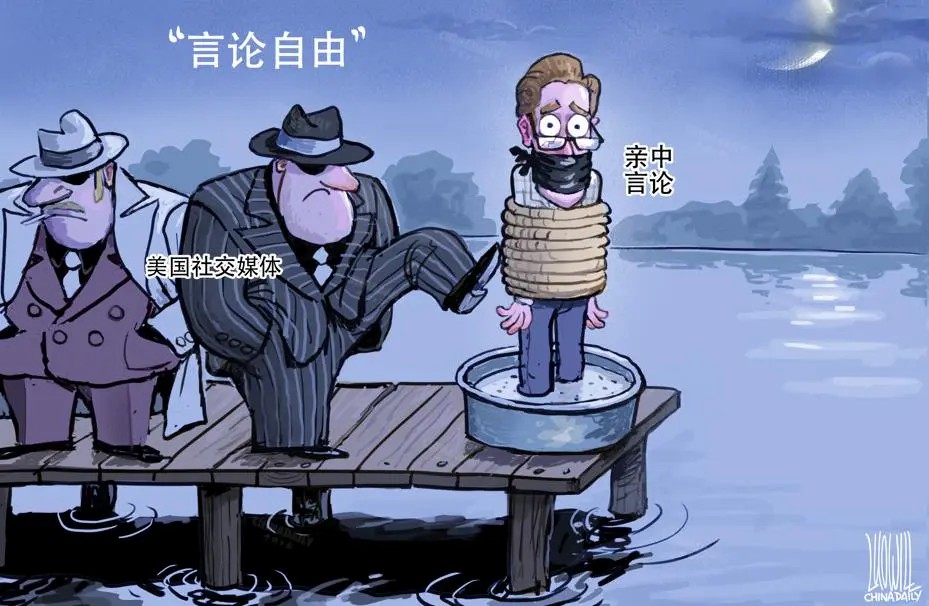
圖源:中國日報
這或許是中國取得的最大軟實力勝利之一,更值得注意的是,這完全是美國政府自身行為導致的結果。TikTok 禁令本身,與美國長期倡導的自由市場競爭和言論自由原則背道而馳。通過立法壓力迫使 TikTok 出售,開創了一個令人擔憂的先例:在美國市場取得成功,就得附帶強制退出條款 —— 要麼賣給美國利益方,要麼面臨立法取締。這種做法更像是數字殖民主義,而非公平競爭,反常地加速了其試圖遏制的中國數字影響力。
將 TikTok 禁令與中國的互聯網政策相提並論,反映出西方對兩者政策的根本誤解。實際上,西方社交媒體平台在中國並非被禁,它們與中國本土公司面臨相同要求:遵守中國法律,即可運營。從微軟、蘋果到特斯拉,眾多在美國蓬勃發展的美國科技公司便是例證。TikTok 禁令則截然不同:這是純粹的歧視性舉措,針對一家已表明願意且有能力遵守美國所有法律的公司,卻只因 “中國所有” 這一唯一 “罪名” 而面臨絕境。
這種做法不僅違背自由市場原則,還暴露出反民主本質。用户自發遷移至小紅書等平台,清楚表明美國民眾並不支持政府試圖豎起的這道數字鐵幕。一旦有選擇,他們就會用點擊投票,尋找能提供所需聯繫與真實感的替代平台,而不在乎平台來自哪個國家。
在此背景下,TikTok 抵制強制出售,不只是一種企業策略,更代表着對美國自身曾倡導原則的捍衞:公平競爭、基於實力而非國籍的市場準入,以及企業在全球競爭而不遭政治排擠的權利。其堅定立場成效顯著。令人震驚的是,特朗普總統在就職時取消了這項禁令,TikTok 的處境從兩黨眼中的國家安全威脅,轉變為政府過度干預的受害者,而只有特朗普能拯救它。
這一事件很可能成為中美數字關係的轉折點。美國試圖封禁 TikTok,本意是遏制中國數字影響力,結果卻深刻改變了普通美國人對中國技術以及中國本身的認知。這種強硬的數字遏制手段失敗表明,在一個互聯互通的世界裏,試圖通過立法維護技術霸權不僅徒勞,還適得其反,往往事與願違。
這一事件也深刻揭示了全球數字權力格局的變化。長期以來,西方政府一直將自己定位為開放互聯網的倡導者,但如今愈發明顯的是,這種承諾總是以維持數字霸權為前提。普通美國人對 TikTok 禁令的反應,不僅表明他們日益意識到這種矛盾,願意尋找美國控制之外的平台,還意味着他們對中國數字生態系統的看法發生了根本轉變。
用户不再僅僅將中國的互聯網生態視為一道屏障,而是發現它更像是一個不同的數字文明,有着自己成熟的平台和服務,可成為避風港,或者至少是一種選擇。隨着事件的持續發展,我們目睹的不僅是平台的轉變,更是全球數字權力可能的重新調整。儘管國家間的政治緊張局勢可能持續存在,但這種用户跨越數字邊界的自發流動表明,位於基層的民眾正在拒絕人為劃分,質疑長期存在的不實敍事。中美數字生態系統之間正在搭建新的橋樑 —— 但方式與西方政策制定者的設想大相徑庭。
(編譯:王凡非)
原文:
In what may be remembered as one of the most unexpected developments in the evolving digital Cold War, the United States’ recent attempt to ban TikTok has triggered an unprecedented phenomenon: a mass migration of Western users to Chinese social media platforms, particularly Xiaohongshu.
The irony is profound. In their effort to diminish Chinese technological influence, U.S. policymakers have inadvertently initiated what could be termed a “Berlin Wall moment” in reverse - the Great Firewall is beginning to come down, but in the most unexpected way: with Western users choosing to join the Chinese side of the digital divide.
This migration began spontaneously, without any promotional push from Chinese platforms. Users, particularly content creators and small business owners who had built their livelihoods on TikTok, sought alternatives that would allow them to maintain their digital presence as well as express their discontent with their government’s attempt at closing their favorite social media platform. Xiaohongshu proved the perfect venue for this: its Chinese ownership made it a perfect statement against the U.S. government’s tech stance, while its similar short-form video features made it a natural new home for content creators.
Far from finding the restrictive, propagandistic environment often portrayed in Western media, these new users are discovering a vibrant, sophisticated digital ecosystem. Popular content for “TikTok refugees” on Xiaohongshu includes unvarnished glimpses into daily Chinese life, such as shopping trips to local supermarkets where trolleys full of fresh produce cost a fraction of Western prices. These authentic encounters are organically dismantling years of carefully constructed narratives about China.
What’s particularly significant is how this phenomenon demonstrates the limits of narrative manipulation in the digital age. After decades of carefully managed messaging about China’s digital space, American users are suddenly experiencing it firsthand - and finding a reality starkly different from what they’ve been told. This represents perhaps one of the greatest soft power victories China has ever achieved, made all the more remarkable by the fact that it emerged entirely as a consequence of actions by the U.S. government.
The TikTok ban itself represents a striking departure from the principles of free market competition and free speech that the United States has long championed. The attempt to force TikTok’s sale through legislative pressure sets a concerning precedent: that success in the U.S. market comes with a mandatory exit clause - either sell to American interests or face legislative extinction. This approach, more reminiscent of digital colonialism than fair competition, has paradoxically accelerated the very Chinese digital influence it sought to contain.
The frequent comparisons between the TikTok ban and China’s Great Firewall reveal a fundamental misunderstanding of both policies. Despite common misconceptions, Western social media platforms aren’t actually banned in China. Rather, they face the same requirements as domestic companies: comply with Chinese law and they can operate. This is evidenced by the numerous U.S. tech companies thriving in China today - from Microsoft and Apple to Tesla. The TikTok ban stands in stark contrast: it represents pure discrimination, targeting a company that has demonstrated its willingness and ability to comply with every U.S. law, yet still faces extinction for the sole “crime” of being Chinese-owned.
This approach not only contradicts free market principles but also reveals a fundamentally antidemocratic nature. The organic migration of users to platforms like Xiaohongshu demonstrates clearly that the American people do not support this digital iron curtain their government is attempting to erect. When given the choice, they’re voting with their clicks, seeking out alternative platforms that offer the connection and authenticity they desire, regardless of national origin.
In this context, TikTok’s resistance to the forced sale becomes more than just a corporate strategy - it represents a defense of principles that America itself once championed: fair competition, market access based on merit rather than nationality, and the right of companies to compete globally without facing politically-motivated exclusion. Their steadfast stance has proved remarkably effective. In a stunning development, President Trump has now rescinded the ban alongside his inauguration, transforming TikTok’s narrative from that of a bipartisan national security threat into a victim of government overreach that only he could save.
This episode may well mark a turning point in the digital relationship between China and the West. Rather than achieving its intended goal of containing Chinese digital influence, the attempted TikTok ban has instead triggered a profound shift in how ordinary Americans perceive Chinese technology and, by extension, China itself. The failure of this heavy-handed approach to digital containment suggests that in an interconnected world, attempts to maintain technological hegemony through legislative force are not just futile but counterproductive, often achieving precisely the opposite of their intended effects.
This episode also reveals something profound about the changing nature of global digital power dynamics. While Western governments have long positioned themselves as champions of an open internet, it’s becoming increasingly clear that this commitment was always conditional on maintaining digital hegemony. The response of ordinary Americans to the TikTok ban suggests not only a growing awareness of this contradiction and a willingness to seek alternatives beyond U.S.-controlled platforms, but also a fundamental shift in how they view China’s digital ecosystem. Rather than seeing the Great Firewall as simply a barrier, users are discovering it’s more akin to a different digital civilization with its own sophisticated platforms and services which can serve as a refuge or, at the very least, an alternative.
As events continue to unfold, we’re witnessing more than just a platform shift - we’re observing a potential realignment of global digital power. While political tensions between nations may persist, this organic movement of users across digital borders suggests that at the ground level, people are rejecting artificial divisions and questioning long-held narratives. New bridges are forming between Chinese and Western digital ecosystems - but in ways very different from what Western policymakers envisioned.

本文系觀察者網獨家稿件,文章內容純屬作者個人觀點,不代表平台觀點,未經授權,不得轉載,否則將追究法律責任。關注觀察者網微信guanchacn,每日閲讀趣味文章。