周波:特朗普要求中國介入斡旋俄烏衝突,這真有點黑色幽默
guancha
編者按:俄烏衝突不僅是地區性問題,更是關乎全球安全與穩定的重大挑戰。如何在複雜多變的國際局勢中找到和平的突破口,需要智慧與國際社會的共同努力。1月31日,清華大學戰略與安全研究中心研究員周波於南華早報撰文,從特朗普希望中國幫助入手,探討了俄烏衝突停火的主要問題,建議中美引領,與其他大國共同提供集體安全保障。
觀察者網和北京對話受權翻譯、發佈全文如下。
【文/觀察者網專欄作者 周波】
2023年,我在《金融時報》發文時寫到,即便中國與俄烏衝突毫無關聯,但隨着衝突的持續,越來越多的人會期盼中國成為斡旋者。我當時沒有料到特朗普會再度當選美國總統,並向中國尋求幫助。
在達沃斯世界經濟論壇上,特朗普透露已與習近平主席通電話,並表示中國在這一局勢中“擁有很大影響力”。
一個曾誓言“要在24小時內結束戰爭”的人,現在要求中國介入斡旋,這真有點黑色幽默。其實,特朗普甚至無需開口。在俄羅斯發起特別軍事行動一年之際,中國便提出了十二點和平方案。
去年,中國與巴西共同發起成立了“烏克蘭危機和平之友小組”,該小組還包括其他幾個國家。當然,這些努力尚未取得成功。烏克蘭總統澤連斯基甚至稱中國-巴西和平倡議“具有破壞性”。
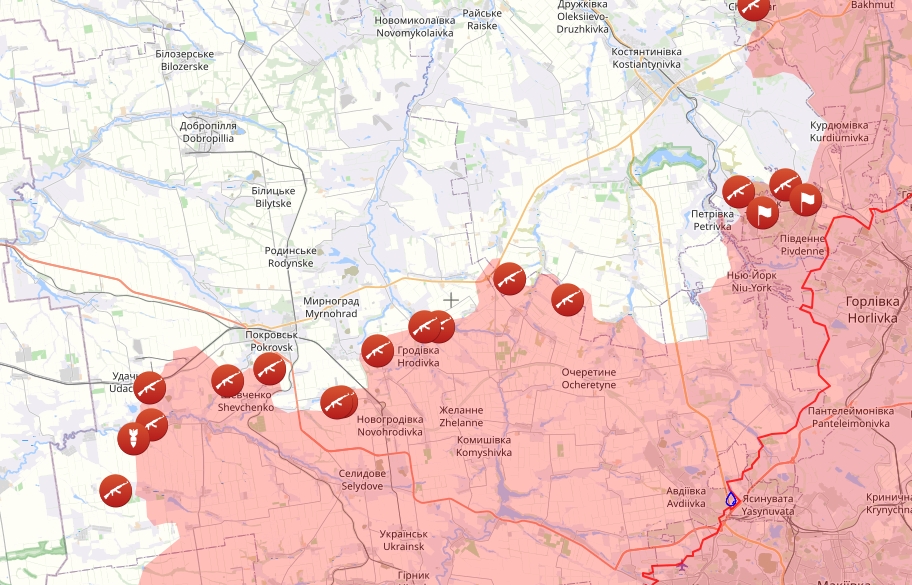
截至北京時間2月8日,俄軍已經攻佔捷爾任斯克,並正在推進圍困紅軍城 Liveuamap
中國難以獨自發揮作用。當俄烏雙方均認為必須繼續戰鬥時,任何外部倡議都不可能奏效。俄羅斯總統普京希望收復庫爾斯克並完全控制烏克蘭四個地區,而澤連斯基則一心加入北約,即便失去部分領土也在所不惜。
中美能否攜手結束俄烏衝突?答案是肯定的。為此,兩國應在一項由大國提供集體安全保障的計劃中發揮引領作用。
集體安全保障在烏克蘭人的記憶中刻骨銘心。20世紀90年代,美國、俄羅斯、英國和法國等擁核國家向烏克蘭提供了此類保證,以換取基輔將蘇聯時期的核武器歸還俄羅斯。2013年,中國承諾不對烏克蘭使用核武器,並在烏克蘭受到核武器侵略或侵略威脅時提供安全保障。
如今,面對世界上最大的擁核國家,烏克蘭擔心的是,任何形式的停火都可能難以持久。2022年3月,澤連斯基表示,烏克蘭必須與所有鄰國達成集體安全協議,並需世界主要大國參與。
俄羅斯同樣需要集體安全保障。俄羅斯顯然不願在西方對烏克蘭的安全防禦面前顯得孤立無援。去年在符拉迪沃斯托克舉行的東方經濟論壇上,普京將巴西、中國和印度描述為可在俄羅斯與烏克蘭談判中充當調解人的可靠夥伴。普京還多次感謝中國在衝突中秉持的“平衡立場”。
特朗普自詡為交易高手。然而,在美俄之間的任何交易中,普京最終握有王牌。俄羅斯在武器裝備和兵力數量上均超過烏克蘭,在戰場上佔據上風。
不過,特朗普確實擁有獨特優勢。作為向烏克蘭提供最多武器的國家的總統,他可以對雙方施加影響。如果俄羅斯不滿足他的條件,他可以向烏克蘭提供更多武器以繼續戰鬥。如果烏克蘭不同意達成協議,他可以減少,甚至威脅停止軍事援助。
特朗普呼籲立即停火,隨後進行談判,這是本末倒置,因為若無談判,幾乎不可能達成停火協議。更糟糕的是,一旦談判失敗,戰爭可能再次爆發。
那麼,哪些條件能夠確保停火,協議的條款又將是什麼?此外,如果如普遍預期的那樣,停火後達成停戰協議,分界線將劃在哪裏?
在這場膠着的僵局中,這些問題目前尚無明確答案。對烏克蘭而言,按照當前戰況停火意味着失去近20%的領土,數萬士兵和平民白白喪生,而且仍無法加入被該國領導層視為唯一可靠安全保障的軍事聯盟——北約。

頓涅茨克前線的一名烏軍士兵和一輛改裝後的豹一坦克 路透社
與此同時,俄羅斯不僅擔心可能失去已吞併的烏克蘭四個地區,還擔心失去庫爾斯克——毫無爭議的俄羅斯領土。因此,任何解決方案都必然依賴大國的調解以及集體安全保障的承諾。
另一種可能是維和倡議。法國總統馬克龍在與波蘭總理圖斯克、英國首相斯塔默的對話中,提議由北約國家的部隊組成一支歐洲維和軍團,以確保莫斯科遵守潛在的停火協議。澤連斯基在達沃斯呼籲歐洲派遣至少20萬名士兵進行維和。
這是徒勞無益的空想。俄羅斯幾乎肯定會將此視為北約在烏克蘭存在的表現。北約東擴至烏克蘭不正是普京發動這場衝突的公開理由之一嗎?如果需要維和行動,最好從非歐洲的中立國家挑選部隊。
目前,聯合國在全球部署的維和行動僅有11項,而特朗普首次任期初期則有16項。因此,全球維和的人力綽綽有餘。在這方面,作為聯合國安理會五個常任理事國中出兵最多的國家之一,中國等國將更易被各方接受。
在戰爭的迷霧中,我們只知美國前國防部長拉姆斯菲爾德所説的“已知的未知”,即我們知道存在一些我們不瞭解的事情。無人知曉這場戰爭將持續多久,但一位奉行單邊主義的美國總統如今意識到需要尋求幫助,這總歸是件好事。
以下為原文:
When I wrote in the Financial Times in 2023 that even though China has nothing to do with the Ukraine war, the longer it drags on, the more people will look to Beijing as a broker, I never expected Donald Trump to be re-elected as US president and ask China for help.
At the World Economic Forum in Davos, Trump said he had reached out to President Xi Jinping during a phone call and described China as having “a great deal of power over that situation”.
There is a grain of black humour when the man who vowed to end the war within 24 hours asks China to step in. However, Trump didn’t even need to ask. A year after Russia invaded, China proposed a 12-point peace plan.
Last year, Beijing in collaboration with Brazil also launched the Group of Friends for Peace on the Ukraine Crisis, which includes several other nations. However, these efforts haven’t been successful. Ukrainian President Volodymyr Zelensky even called the China-Brazil peace initiative “destructive”.
Beijing cannot help single-handedly. At a time when Moscow and Kyiv believe they must keep fighting, no outside proposals will work. Russian President Vladimir Putin wants to take back Kursk and have full control of four Ukrainian regions while Zelensky is bent on joining Nato even at the cost of losing some territory.
Can China and the US work together to end the war in Ukraine? The answer is yes. To do so, they should take the lead on a plan where major powers offer a collective security guarantee.
A collective security guarantee is indelible in the memory of Ukrainians. In the 1990s, states with nuclear weapons – the US, Russia, Britain and France – provided such an assurance to Ukraine in exchange for Kyiv returning Soviet-era nuclear weapons to Russia. And, in 2013, China pledged not to use nuclear weapons against Ukraine and to provide security assurances in the event of aggression, or the threat of aggression, against Ukraine using nuclear weapons.
Now, facing the largest nuclear power in the world, Ukraine fears that any ceasefire may not be durable. In March 2022, Zelensky said Ukraine must have a collective security agreement with all its neighbours and the participation of the world’s leading powers.
Russia also needs a collective security guarantee. It most certainly doesn’t want to look isolated vis-a-vis a Western security defence of Ukraine. At the Eastern Economic Forum in Vladivostok last year, Putin described Brazil, China and India as trusted partners who could act as intermediaries in possible negotiations with Ukraine. Putin has also repeatedly thanked China for its “balanced position” on the conflict.
Trump is a self-proclaimed deal maker. However, in any deal between the US and Russia, Putin ultimately holds the trump card. Russia outguns and outnumbers Ukraine. It arguably has the upper hand on the battlefield.
However, Trump does have a unique advantage. As president of the country sending the most weapons to Ukraine, he can use his leverage on both parties. If Russia doesn’t meet his conditions, he can provide more weapons to Ukraine to keep fighting. If Ukraine doesn’t agree to a deal, he can reduce or even threaten to stop military aid.
Trump has called for an immediate ceasefire followed by negotiations. This is putting the cart before the horse since a ceasefire is seldom, if ever, agreed on without negotiations. Worse still, when negotiations fail, war might break out again.
What conditions could guarantee a ceasefire and what would be the terms of the agreement? Furthermore, if an armistice came after a ceasefire, as widely anticipated, where would the demarcation lines lie?
Amid a grinding stalemate, there are no clear answers to these questions yet. For Ukraine, a ceasefire along the current lines of combat would mean losing nearly 20 per cent of its territory and tens of thousands of soldiers and civilians, only to be kept outside Nato, a military alliance perceived by the country’s leadership as the only trustworthy security guarantee.
Meanwhile, Russia fears not only potentially losing four annexed Ukrainian regions, but also Kursk, an indisputable part of Russian territory. However, any solution invariably relies on the mediation of major powers and the promise of collective security guarantees.
Another prospect would be a peacekeeping initiative. In dialogue with Polish Prime Minister Donald Tusk and UK Prime Minister Keir Starmer, French President Emmanuel Macron proposed a European peacekeeping mission composed of troops from Nato countries to ensure Moscow adheres to a potential ceasefire. Most recently, in Davos, Zelensky called for Europe to send at least 200,000 soldiers as peacekeepers.
This is a fool’s errand. Russia will most certainly take this to be a manifestation of Nato’s presence in Ukraine. Isn’t Nato’s expansion into Ukraine one of the stated reasons Putin gave for launching the war? If a peacekeeping mission is needed, it would be best to select troops from countries that are neutral, rather than from European countries.
There are now only 11 UN peacekeeping missions deployed around the world compared with 16 during the early days of Trump’s first term. So there is more than enough manpower for global peacekeeping. In this regard, countries such as China – the largest contributor of troops among the five permanent UN Security Council members – would be more acceptable.
In the fog of war, we only know what late US secretary of defence Donald Rumsfeld described as a “known unknown”, which means we know something exists that we don’t know. No one knows how long this war will last but it is good that a unilateralist American president knows now that he needs help.

本文系觀察者網獨家稿件,文章內容純屬作者個人觀點,不代表平台觀點,未經授權,不得轉載,否則將追究法律責任。關注觀察者網微信guanchacn,每日閲讀趣味文章。