安德烈·蘇申佐夫:美國拿什麼“聯俄抗中”?
guancha
**Club提要:**莫斯科國際關係學院國際關係系主任安德烈·蘇申佐夫在三亞接受北京對話專訪。他指出,“白宮爭吵”表明,烏克蘭在美國國際戰略中的地位已下降,特朗普在烏克蘭問題上採取更加現實主義的立場,而歐洲大多數國家難以坐上這一輪談判桌。
蘇申佐夫認為,美國“聯俄抗中”的企圖註定難以實現。過去數年的實踐已充分證明,美國難以真正影響俄羅斯的戰略選擇,俄羅斯也已並將繼續深化與中國及廣大全球南方國家的戰略關係,因為這些國家正成為全球發展的新重心。中俄兩國在經貿與文化領域的合作基礎深厚,共同建設安全、繁榮的歐亞大陸的決心堅定。
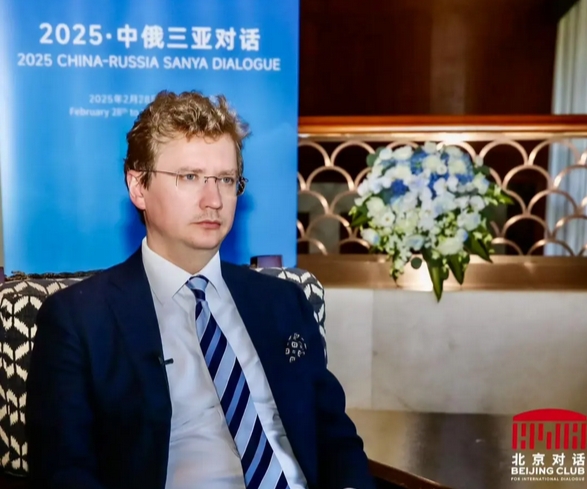
蘇申佐夫接受北京對話專訪
**李澤西:**你如何看待澤連斯基在白宮與特朗普總統和JD·萬斯之間的那場爭吵?
**安德烈·蘇申佐夫:**澤連斯基把自己想象成西方的偉大領袖之一,比肩丘吉爾、戴高樂或羅斯福。他試圖操縱美國政府,讓華盛頓相信烏克蘭不僅僅是美國戰略的一枚棋子,而是一個可以在重大地緣政治博弈中發揮主體作用的國家,並且能夠向美國施壓,按烏克蘭的想法推動這場危機的發展。然而,這次會面徹底打破了這種幻想。特朗普明確表示,他希望實現和平,而澤連斯基則試圖堅持繼續戰爭,並且要求美國提供大量支持。
從象徵意義上來説,這次會面標誌着美國將烏克蘭作為對抗俄羅斯的戰略工具的時代走向終結,同時也意味着美國開始撤回其在歐洲大陸的戰略利益。
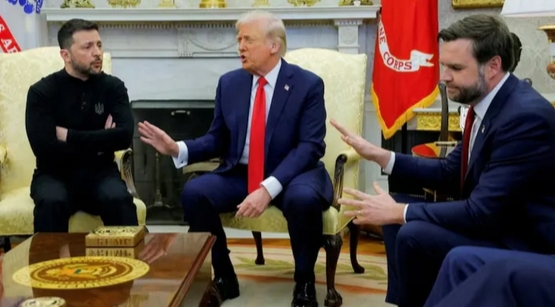
2月28日,烏克蘭總統澤連斯基與美國總統特朗普、副總統萬斯在白宮橢圓形辦公室會面路透社
**李澤西:**您如何看待他提出的礦產協議?為什麼特朗普會提出這樣的協議?
**安德烈·蘇申佐夫:**特朗普政府試圖尋找方法,從美國對烏克蘭的投資中獲取回報,這包括政治投資、軍事投資。美國政府過去幾年,尤其是過去三年,在烏克蘭投入了大量資源,而在這之前的幾十年裏,美國也一直在介入烏克蘭事務。
特朗普認為,這些政治投資有損美國利益,不僅讓美國陷入與俄羅斯的間接軍事衝突,還耗費了數百億美元。他正在試圖找到一種方法,通過烏克蘭的資源彌補這些損失;這可能並不僅僅侷限於稀土資源,因為烏克蘭的稀土儲量並不豐富。但特朗普需要向他的支持者展示,他兑現了自己的承諾:首先是結束戰爭,然後讓美國的納税人拿回他們此前在烏克蘭投入的錢。
他在試圖塑造一種迅速成功的形象。他強迫澤連斯基讓步,而他此前多次批評澤連斯基應該下台,稱其為獨裁者,並稱他的支持率極低;澤連斯基如今幾乎完全依賴美國的支持,因此不得不遵從華盛頓的要求,以維持自己的政治生命。
澤連斯基的處境非常艱難,他既不能讓特朗普失望,又不能做出會被烏克蘭民眾視為“國家利益的背叛”的決定。這是一個極為棘手的局面。現在關鍵是,這筆交易是否真的能為美國納税人帶來經濟回報。畢竟,要想在烏克蘭開採資源,首先需要和平、穩定,以及與俄羅斯建立可預測的關係。這其實是烏克蘭與任何國家達成重大經濟協議的基本前提。
特朗普對“補償美國的投入”這個問題非常執着,他正在試圖找到合適的方法榨取回報。這項協議最終的“利潤提取點”可能不僅僅是烏克蘭,而是來自一些歐洲或全球南方的企業,這些企業可能會要求美國提供保護,以支持它們在烏克蘭的投資項目。
特朗普的行事風格非常具有試驗性,他喜歡嘗試前所未有的事情,不按常規出牌。我認為他正在創造性地尋找一個可以奏效的方案。
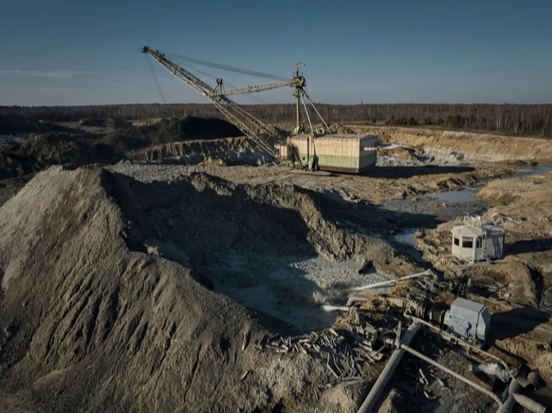
烏克蘭日托米爾地區稀土礦CNN
**李澤西:**烏克蘭在停火談判中的主要擔憂之一是,90年代布達佩斯備忘錄沒有在當前危機中真正保護烏克蘭。因此,烏克蘭希望獲得更具約束力的安全保障,以防止未來再次遭受俄羅斯的進攻。從俄羅斯的立場來看,您認為烏克蘭獲得哪些安全保障是可接受的?另一方面,俄羅斯又希望從北約和西方獲得哪些安全保障?這些保障在現實中可行嗎?
**安德烈·蘇申佐夫:**布達佩斯備忘錄的背景是烏克蘭同意移除其領土上的蘇聯核武器。這些核武器從來不屬於烏克蘭,而是蘇聯的核武器。烏克蘭無法在沒有莫斯科同意的情況下單獨控制或使用這些武器。美俄當時達成的共識是,這些核武器不僅應當從烏克蘭撤出,也應當從白俄羅斯和哈薩克斯坦撤出。因此,將布達佩斯備忘錄視為多邊安全保障,或認為它對烏克蘭的所有鄰國和美國都具有約束力,這是不準確的。
更重要的是,烏克蘭危機不僅僅是俄烏之間的問題,其根本是俄羅斯與北約東擴的衝突。當下情況不是俄羅斯在接近北約的邊界,而是北約年復一年地向俄羅斯逼近,無論是通過推動前蘇聯諸國的顏色革命,還是在2014年推翻烏克蘭的亞努科維奇政府,北約的步步緊逼使烏克蘭成為俄羅斯與西方之間的戰場。而烏克蘭政府主動邀請西方影響力進入烏克蘭,將本國塑造成西方的工具,這些選擇實際上使烏克蘭無法獲得任何真正的安全保障;從這個角度來看待問題,才能理解危機的本質。
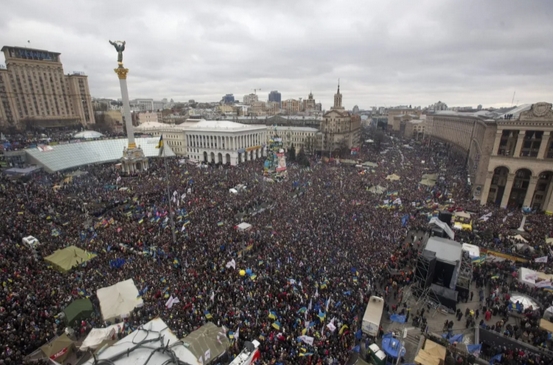
2013年12月,基輔獨立廣場示威基輔郵報
這場危機的解決方案只能建立在美俄之間就歐洲安全架構達成一致的基礎上。因為在這個問題上,美俄才是最重要的對話方。
許多歐洲國家缺乏戰略眼光和責任感,許多領導人表現得咄咄逼人,情緒化嚴重,他們與經歷過二戰慘痛教訓的前輩完全不同。過去的歐洲領導人清楚地知道,如果言辭和行動出錯,戰略決策失誤,戰爭將帶來何等巨大的災難。但今天的歐洲政客,則更像是一羣戰略經驗不足、極度情緒化、看不到自己行為後果的精英。
要在歐洲東部實現持久和平,美俄必須就行為準則達成共識。俄羅斯已經多次提出這一點,最近一次是在2021年12月。這種共識需要包括一箇中立的、非軍事化的烏克蘭,這個烏克蘭應當支持而非阻礙俄羅斯語言的使用,允許東正教基督徒自由信仰,允許民眾祭奠在偉大衞國戰爭中犧牲的先輩。這不僅僅是象徵性的行為,而是當前烏克蘭國內重大的社會對抗問題。如果這個問題不被認真處理,它仍然可能成為導致烏克蘭危機再次爆發的關鍵因素。
**李澤西:**您剛才談到了歐洲安全架構的可能性,同時也提到了歐洲領導人心態上的問題。那麼,您認為歐洲各國,尤其是歐盟,在未來的歐洲安全架構中應扮演什麼角色?因為您剛才主要強調美俄之間的協議,那歐盟國家是否能在其中發揮作用?此外,您認為歐洲國家有沒有可能改變其心態,與俄羅斯達成妥協?
**安德烈·蘇申佐夫:**在類似當下的劇烈變動時期,保持戰略自主和戰略主權至關重要。這意味着,一個國家及其精英必須能夠獨立評估自身的核心利益,制定維護這些利益的策略,分配可用資源,衡量可以接受的風險,並確保這個決策過程是自主的。
但在當前的歐洲,很難找到真正獨立思考的國家。也許唯一的例外是土耳其,部分土耳其領土位於歐洲,它是一個真正擁有主權的國家,能夠自主思考自己的利益,並擁有支持這些利益的資源。土耳其有強大的武裝力量,自己的武器製造體系,在這場危機中保持相對中立,並積極推動和平計劃。
相較之下,英國、波蘭、波羅的海國家以及斯堪的納維亞國家的態度則極端好戰、情緒化,缺乏戰略思維深度。他們完全被特朗普推動與俄羅斯進行單獨和平談判的舉動弄得措手不及。
目前,我看不到讓這些國家參與談判的必要。法、德、意、西等歐洲大國同樣對這一情況感到震驚。他們至今尚未任命能夠代表他們在烏克蘭危機上談判的特使。這讓我想起2021年12月到2022年2月烏克蘭危機爆發之初,美國在外交策略上完全壓倒了這些歐洲國家,把它們裹挾進“烏克蘭必勝”的項目中,幾乎所有國家都被捲入其中,除了匈牙利等少數幾個例外。
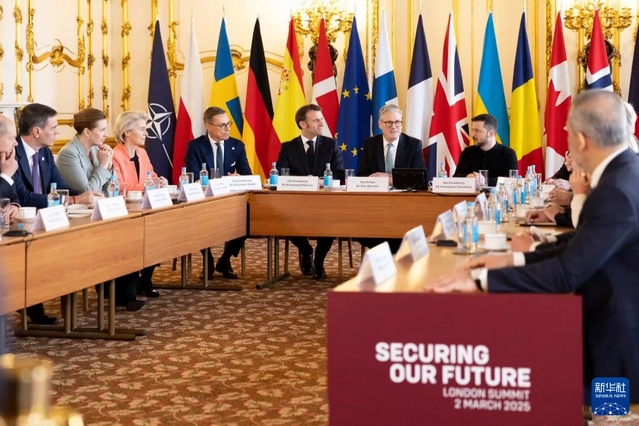
3月2日,十餘個歐洲和歐盟國家,以及烏克蘭和加拿大的領導人在英國倫敦舉行峯會,就烏克蘭危機和歐洲防務問題進行討論新華社
沒有任何歐洲國家問過:有哪些風險?這場衝突會有多昂貴?會持續多久?如果俄羅斯贏了怎麼辦?沒人問這些問題,導致今天的歐洲國家陷入極為不利的局面。它們根本沒有獨立的外交立場,完全追隨美國。這些國家過於情緒化,缺乏理性,因此無法進行嚴肅的和平談判。
我希望未來他們能重新審視自己的戰略思維,擺脱這種盲目、衝動的態度;尤其是那些在這場危機中損失最慘重的小國,比如芬蘭。芬蘭曾是一箇中立國家,過去因與俄羅斯的關係而受益匪淺,作為俄羅斯與西方之間的橋樑,它在經濟上獲益良多。而如今,芬蘭加入北約,關閉與俄羅斯的邊界,這種戰略決策的計算非常糟糕,政治代價高昂,經濟已經陷入困境。
在這種情況下,俄方完全不理解這些國家為什麼應該被允許坐上談判桌。
**李澤西:**特朗普政府對歐採取更敵對的政策,特別體現於慕尼黑安全會議上JD·萬斯的演講。您認為這是否實際上是在幫助歐洲,迫使他們改變他們的態度?亦或者是,您認同大部分人的分析,即這是對歐洲價值觀的全面攻擊?無論美方初衷如何,您認為這是否能夠真正促使歐洲採取行動,實現戰略自主,並改變其整體戰略思維?
**安德烈·蘇申佐夫:**我不認為美國真正希望歐洲實現戰略自主。他們仍然希望歐洲屈從於自己,希望歐洲繼續追隨美國精英的步伐。他們只是希望歐洲能夠更加理性和現實,少一些情緒化和感性化。
歐洲被自己的意識形態矇蔽了雙眼,這種意識形態束縛了歐洲精英,使他們無法直面現實。例如,德國精英甚至不敢去質疑到底是誰炸燬了北溪管道,他們刻意迴避這個問題,因為他們害怕真相可能會給他們帶來極大的心理衝擊。如果最終的答案是他們的盟友美國炸燬了北溪管道,那對美歐聯盟關係來説將是毀滅性的打擊。由於德國目前甚至不敢進行這樣的討論,我們為何要認為這樣一個連合理問題都不敢提出的國家,有資格坐在談判桌前?
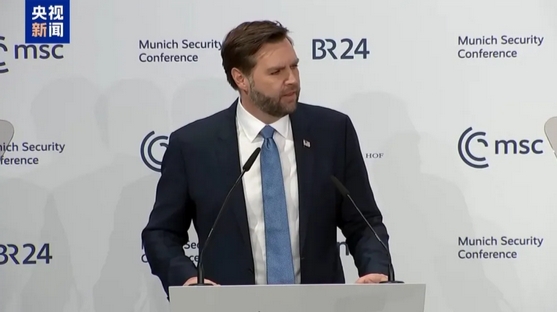
美國副總統萬斯在本屆慕尼黑安全會議上發表講話,大肆批評歐洲 央視新聞
**李澤西:**您認為美國真的希望歐洲變得更加理性嗎?畢竟,正是過去“更感性”的歐洲,使自己完全依賴美國。站在特朗普政府的角度來看,他們為何要改變這種現狀?
**安德烈·蘇申佐夫:**他們希望歐洲精英更“志同道合”。美國政府將所謂的“全球主義精英”視為共同的敵人,這些人不從國家利益的角度思考問題,而是從跨國界的視角看待世界。特朗普視這類精英為自己的敵人,認為他們正在將各自國家引向錯誤的方向——去工業化、家庭價值觀解體、軍事危機加劇等。他希望在歐洲找到更加志同道合的合作伙伴。在我看來,這就是特朗普政府在慕尼黑安全會議上的意圖。
**李澤西:**回到特朗普的外交政策。在美國,有兩種主要理論解釋他的策略:交易型,他希望從所有國家(包括盟友)身上榨取利益,認為盟友一直在佔美國的便宜;亦或者全球秩序重塑,可能與中國、俄羅斯甚至其他國家一起劃分勢力範圍。您認為哪種可能性更大?俄羅斯和中國應該如何應對這些可能性?
**安德烈·蘇申佐夫:**特朗普的目標是最大化美國的國家實力。他認為,通過從盟友那裏攫取利益,可以幫美國獲取新的資源,擴張國家實力。他正在利用安全保障、金融控制、貨幣政策等工具,這些在過去被美國政府包裝為“全球公共產品”。長期以來,美國一直向盟友灌輸:這些是全球共同產品,是讓大家共同繁榮的條件。
然而,特朗普的邏輯是:“不,這些不是全球公共產品,而是美國的工具。你們使用這些工具的代價不夠高”。這包括:關於格陵蘭島、加拿大、巴拿馬的討論;控制歐洲的黃金儲備(部分存放在美國);迫使歐洲提高軍費開支,並用這些資金購買美國武器;讓歐洲增加對美國能源的購買量。特朗普在一定程度上正在消耗、蠶食盟友的資源,因為他理解,在當今大國競爭的環境下,他需要儘可能增強美國在亞洲的競爭優勢;他認為主要競爭對手是中國。
在這種情況下,俄羅斯和中國應該繼續堅持自上世紀90年代末以來的合作路徑。1997年,中俄簽署了《中俄關於世界多極化和建立國際新秩序的聯合聲明》,我們確立了一種不針對第三國的雙邊關係,目標是建立一個穩定的國際體系,使其足夠強大,以防止美國等外部勢力的干預。未來十到二十年,我們的核心任務是構建一個牢固的、不可被美國破壞的歐亞安全架構。
**李澤西:**俄羅斯的“歐亞安全架構”概念與中國的“全球安全倡議”有哪些共同點和潛在矛盾?我們應如何更好地融合這兩個理念?
**安德烈·蘇申佐夫:**最重要的共識是,俄羅斯和中國都認為外部勢力不應干涉歐亞大陸事務。本地區的國家完全有能力處理自己的問題,無需像美國、英國這樣的海洋國家實施“離岸制衡”策略,製造“顏色革命”,插手、破壞、煽動衝突等。這是中俄對歐亞大陸的共同願景。
美國幾個世紀以來一直通過分而治之的策略,在不同地區挑動國家間矛盾,成功地在歐亞大陸不同地區操縱強國與弱國的關係,使自己成為“不可或缺的調停者”。
中俄的聯合努力應該致力於打破這種局面,使美國不再如此“不可或缺”,讓歐亞大陸能夠在沒有外部勢力干預的情況下,獲得和平、穩定和繁榮。
**李澤西:**假設當前的和平談判取得成功,烏克蘭衝突在未來幾個月內達成停火協議,您認為中俄關系將如何發展?兩國的民間互動和公眾輿論可能會在其中扮演怎樣的角色?
**安德烈·蘇申佐夫:**過去幾年裏,中俄關系大幅加強。我們正處於雙邊關係的巔峯時期,當前的任務是將這一基礎打造成持久的合作模式,讓中俄關系在21世紀邁向新的時代。
我相信這一定會發生。兩國都具備堅定的政治意願,也有堅實的經濟基礎。此外,我們還看到了兩國人民之間的高度認同感,文化交流日益頻繁,旅遊往來不斷增加,雙方對彼此的歷史和文化展現出極大興趣。我們在文化領域的合作也越來越多,涵蓋了電影、音樂、節慶活動等。比如,莫斯科已連續兩年舉辦中國春節慶祝活動,這充分體現了中俄兩國的深厚友誼。
我認為,烏克蘭危機只是推動兩國關係進一步深化的因素之一,但絕不僅限於此。中俄在21世紀肩負着共同建設安全、繁榮的歐亞大陸的使命。作為兩大文明、兩大鄰國、兩大強國,我們對彼此負有特殊責任,同時也承擔着維護地區和平與穩定的重要職責。

2025“中國春節文化節”在莫斯科市中心馬涅什廣場舉辦人民網
**李澤西:**美國國務卿馬可·魯比奧最近接受採訪時表示,美國的戰略並不是要分裂中俄,因為他認為這不太現實。他聲稱,特朗普政府的目標只是確保俄羅斯不會過度依賴中國。您怎麼看待他的這一説法?
**安德烈·蘇申佐夫:**我認為他清楚地知道中俄關系的獨特性,外部勢力無法拆散。俄羅斯認為,與中國開展合作符合其深遠和全面的戰略利益,反之亦然。美國理解這一點,因此他們的目標是試圖降低中俄關系的戰略性和重要性。但我不認為他們會成功。
中俄不僅是地理上的鄰國,經濟上也高度互補,兩國經濟體系都擁有對方所需要的資源和產品。此外,我們對21世紀全球格局的願景也是一致的,即建立一個多極世界,讓多個大國形成平衡,從而為國際體系制定穩定的架構,避免大規模危機的發生。
但與此同時,美國在太平洋地區的遏制政策已成定局。他們希望從歐洲撤出部分軍事力量,集中力量圍堵中國,其中一個目標是試圖影響俄羅斯,使其減少對中國的支持。但我認為,這一企圖不會成功。
**李澤西:**面對美國試圖削弱中俄關系的舉措,中俄應該如何應對?
**安德烈·蘇申佐夫:**俄羅斯有自己的外交目標,並不會受制於美國的影響。俄美關係目前仍處於嚴重危機之中,我們還在恢復外交溝通的初級階段,比如討論如何歸還被沒收的俄方外交財產、恢復正常規模的外交人員配置,回到2016-2017年的水平。
美國現在能夠影響俄羅斯的手段極其有限,這是因為拜登政府執政期間,美國對俄羅斯施加了數百項制裁,試圖在烏克蘭戰場上使俄羅斯遭受“戰略性失敗”;美國嘗試了各種手段動搖俄羅斯的核心利益,但最終收效甚微。我很難想象他們還能做些什麼來迫使俄羅斯按照他們的意願行事。
**李澤西:**我們之前主要討論歐亞大陸的局勢。但在烏克蘭戰爭期間,俄羅斯大幅拓展了與全球南方的合作。假設烏克蘭戰事停火,俄羅斯與全球南方國家的合作會發生變化嗎?這種合作又將如何與中國的全球南方外交策略交匯?
**安德烈·蘇申佐夫:**需要明確的一點是,當前俄美談判並不是因為俄羅斯改變了立場,並不是因為“俄羅斯認識到了錯誤”,而是因為美國認識到自己的錯誤,美國讓俄羅斯在烏克蘭遭受“戰略性失敗”的策略是錯誤的,甚至將世界推向了核戰爭的邊緣。特朗普敢於承認,拜登政府、沙利文、布林肯等人的戰略是錯誤的,他們讓美國魯莽地陷入了一場直接與俄羅斯對抗的危機。
而俄方的態度則是,俄羅斯對沖突演變的構想、目標的實現、對危機的戰略判斷是正確的;俄羅斯認為,21世紀的全球發展重心不在歐洲,而是在“世界多數”,即全球南方,在俄羅斯世界各地的盟友和夥伴。歐洲正處於政治混亂之中,他們不清楚自己的核心利益所在,甚至不敢提出關鍵問題,還在不斷摸索自己的定位。儘管俄羅斯在文化上屬於歐洲的一部分,但在戰略和未來發展方向上,俄羅斯屬於“世界多數”;“世界多數”正在迅速邁向繁榮,我相信俄羅斯的外交政策將繼續深化這些俄羅斯耕耘了數十年的關係,尤其是在過去幾年間。
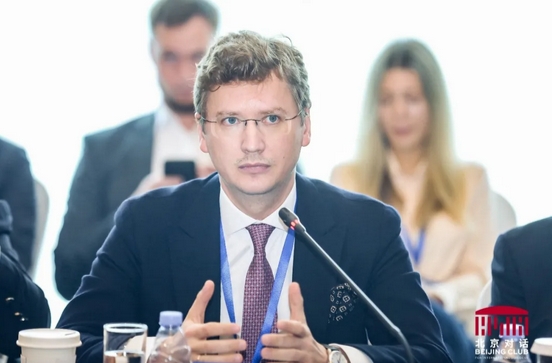
安德烈·蘇申佐夫在“2025·中俄三亞對話”北京對話
美國“聯俄抗中”的企圖註定難以實現。過去數年的實踐已充分證明,美國難以真正影響俄羅斯的戰略選擇,俄羅斯也已並將繼續深化與中國及廣大全球南方國家的戰略關係,因為這些國家正成為全球發展的新重心。中俄兩國在經貿與文化領域的合作基礎深厚,共同建設安全、繁榮的歐亞大陸的決心堅定。
以下為英文提要和採訪原文:
Club Briefing: Andrey Sushentsov, Head of the Department of International Relations at Moscow State Institute of International Relations (MGIMO), gave an exclusive interview to Beijing Club for International Dialogue in Sanya. He pointed out that the “White House disputes” reflect a shift in Ukraine’s position within U.S. strategy and highlight Trump’s realist stance on the Ukraine issue. In contrast, most European countries lack strategic foresight and are unqualified to sit at the negotiating table. In the future, the security landscape of Europe will largely be determined by the United States and Russia.
Sushentsov believes that the U.S. attempt to “align with Russia against China” is destined to fail. China and Russia have a solid foundation of cooperation in trade and culture and share the historic mission of building a secure and prosperous Eurasia. The past few years have fully demonstrated that the United States lacks the capability to truly influence Russia’s strategic choices. At the same time, Russia will continue to deepen its strategic ties with China and the broader Global South, as these nations are emerging as the new center of global development.
Jersey Lee
What’s your reaction to what happened in the White House between Trump and Zelensky?
Andrey Sushentsov
Zelensky imagined himself as one of the great leaders of the west, like Winston Churchill or Charles De Gaulle, Franklin Roosevelt. And he tried to manipulate American administration into believing that Ukraine is not an instrument of American strategy, but a subject of a major geopolitical play, and can impose on americans its own designs on how the crisis can develop. Essentially, they have broken this standing at that meeting. Trump proclaimed that he wants to make peace. Zelensky tried to develop an idea that he wants to continue the war with American support, and he required the support in significant amount.
I think that symbolically, this is the end of the American strategy on supporting Ukraine as an instrument against Russia, and the beginning of a withdrawal of American strategic interests from the European continent.
Jersey Lee
What do you think of the mineral deal, and why did Trump propose it?
Andrey Sushentsov
United States under trump is trying to figure out how to extract value from the investments in Ukraine: political investments, military investments that the American administration have been following for several years, intensively for three last years, but for several decades prior to that, also.
Trump considers these investments, these political investments, as a setback for American interests, it drew United States into a significant military clash, indirect military clash with Russia, and cost Americans dozens of billions of dollars.
Trump is trying to figure out how exactly to extract similar amount of money out of the Ukrainian resources of any type, probably not specifically the rare earth minerals, there are not much of them in Ukraine. But he needs to show his audience, his electorate that he is fulfilling his pledge first to finish the war, and then to basically reimburse American budget on all the costs that Americans have been taking to support Ukraine in this crisis. He is trying to present a very swift success. He forced Zelensky, whom he blamed several times that he should step down, he’s a dictator, his support rating is very low, that he basically has to do anything that United States tells him to do, to support his political lifeline.
Zelensky has a tough job to somehow not disappoint President Trump, but also not to do something that would be called a betrayal of national interest by the Ukrainians. And that’s a tough spot. He is coming to Washington right now (this segment was recorded on Friday). It looks likely that the agreement is finished, because they would not meet otherwise if it’s not finished. But let’s see whether it would return the revenue for the American taxpayers, because extraction of materials from the Ukrainian soil will require peace, will require stability, will require predictable relations with Russia.
That is basically the prerequisite of any significant economic deals between Ukraine and anybody else.
Trump’s instinct about reimbursing American expenses is very significant. He is trying to figure out how to do it properly. He has this major agreement with Ukraine, but maybe the extraction point would be not Ukraine per se, but some of the European or Global South companies that would come and would require American protection to fulfill some of the projects.
He is very experimental in his nature, and he likes to do things that have not been done previously. He doesn’t follow the code in this respect. I think that he is creatively searching how exactly it can look like.
Jersey Lee
A primary Ukrainian concern for ceasefire negotiations is that, given the failure of the Budapest memorandum to actually support Ukraine today, it would need more ironclad security guarantees against future Russian advances.
What kind of security guarantees, from the Russian perspective, do you think would be appropriate and acceptable for Ukraine? On the other hand, what kind of security guarantees might Russia like from NATO and the West? Do you think they would be feasible in practice?
Andrey Sushentsov
The Budapest memorandum was a product of Ukraine agreeing on the removal of the Soviet nuclear weapons from the Ukrainian territory. They were never Ukrainian nuclear weapons. They were soviet nuclear weapons. Ukraine couldn’t have navigated them separately without Moscow’s consent. And that was the point of agreement between the United States and Russia that the nuclear weapons should have been withdrawn, not only from Ukraine, but also from Belarus and Kazakhstan. It is incorrect to perceive the Budapest memorandum as somehow multilateral security guarantees, binding security guarantees from all of Ukraine’s neighbor and the United States.
What is more important, is that Ukraine crisis is not about Russia and Ukraine solely. It is primarily about Russia and NATO expansion to the east. It’s not Russia that is coming closer to NATO’s border. It’s NATO that is approaching Russia every year, through the color revolutions in the post-soviet space, in the overthrowing of the Yanukovich government in Ukraine in 2014. Ukraine has become a battleground between Russia and the West, and Ukrainian governments who opted on inviting western influence in Ukraine, who opted for the creation of a Western instrument out of Ukraine. Basically, they were the people who have prohibited any security guarantees to Ukraine, and that is the proper perspective to perceive these things.
The crisis can have its resolution if the United States and Russia would agree about the structure of security in Europe, because basically, they are the most important interlocutors on this matter.
A lot of European countries who are lacking strategic perspective and responsibility, many of them act very belligerently and unconsciously, they are not resembling their ancestors who witnessed the horrors of the second world war in Europe, and who had the sense of responsibility about what can come if you are wrong with words, if you are wrong with your actions, if you are wrong in your strategy, how difficult and tragic this war can look like.
Observing current European politicians, you just see a group of elites who are strategically inexperienced, very emotional and sentimental, and doesn’t see the consequences of their actions.
For a durable peace to settle in the Eastern part of Europe, Russia and the United States have to agree on the rules of conduct. Russia has numerously spoken about those rules of conduct, the last time in December of 2021. This would require a neutral, demilitarized Ukraine that is supporting, not preventing, the use of Russian language in Ukraine, permits citizens of the Christian Orthodox church to follow their religion, permits them to worship the monuments of their fallen ancestors during the Great Patriotic War. That is not just a symbolic gesture, it’s a matter of the significant civil resistance inside Ukraine currently. And if this issue is not being taken seriously, it would still be the most important question that could lead to another flare up of this Ukraine crisis.
Jersey Lee
You spoke a little about the possible European security architecture. You also mentioned issues with the mentality of European leaders. So number one, what role do you expect Europeans to play in this European security architecture? Specifically, the EU, because when you were talking about this issue, you were just talking about the US and Russia coming to an agreement. So does the EU countries have any role in this?
Also, do you expect them to change their mentality, to actually come to a compromise with Russia?
Andrey Sushentsov
In upheaval events like this, it’s very important to maintain strategic autonomy and strategic sovereignty. This means that the country and elite should be able to independently assess what is its vital interests, how it can support them, what resources it can devote to support those interests, what kind of a risk it can adopt to fulfill its interests, how sovereign is this decision-making process.
It is hard for me to explain what part of Europe is currently sovereign, thinking independently on itself. I would probably say that Turkey, since part of it is in Europe, Turkey is a sovereign state. Turkey thinks about itself, about its interests. It has resources to support them, it has very able armed forces, it has its own significant arms programs, it is very active, it is quite neutral in this crisis, it proposes a peace settlement plan. Speaking about Great Britain, Poland, Baltic states, Scandinavia, we see a lot of belligerents, emotionality, sentiments, black and white thinking there. And they are caught by surprise by these Donald Trump movements to have a separate peace talks with Russia.
I don’t see any interest on involving them in these negotiations right now. Bigger countries like France, Germany, Italy, Spain also got caught by surprise on this. They have not yet appointed negotiator on their sides who can become a negotiator on the Ukraine crisis. It looks like the beginning of this crisis, December 2021, February 2022, when the United States outmaneuvered all of them, basically enrolled, mobilized all of the European countries into the project of Ukraine victory, and everybody, besides maybe little few like Hungary, everybody subscribed. Nobody has asked questions, what are the risks, how costly it can be, how lengthy it could be? What if Russia will win? Why has nobody asked those questions? And by doing so, European nations have currently put themselves in a very difficult position. They are not sovereign per se, they don’t have a separate vision from the United States. They are too emotional and less rationalistic than they need to be to discuss proper peace material.
And I hope that in the future, they would reconsider this very emotional, blind attitude to their strategic thinking, particularly smaller countries that have suffered the most from this crisis like Finland, previously neutral country who have benefited from relations with Russia, heavily benefited being a bridge between Russia and the West, currently joining NATO, closing border with Russia, have significant costs for those political actions, strategically very poorly calculated actions. There’s currently a deadlock in its economy. And it is not clear for Moscow why exactly should these countries be present in the negotiation table.
Jersey Lee
Do you think that the Trump administration’s more hostile approach towards Europe, exemplified by JD Vance speech at the Munich Security Conference, may actually be intended to help Europe change their attitude? Or was it simply, as most people interpreted it, a broad-based attack on European values? Regardless of whether it was intended to help the Europeans, do you think it would actually be able to jolt the Europeans into action or strategic autonomy, and changing their general strategic mentality?
Andrey Sushentsov
I don’t think that the United States are interested in a strategically autonomous Europe. They like that they’re still being subdued by themselves. They want them to follow the elite of the United States. They just want Europe to be more rational and realistic and less emotional and less sentimental.
Europe is blindsided by its ideological drive, and it prevents European elites to see the reality. German elites forbid themselves to ask questions who exactly blew up the Nord Stream. They just stop themselves from asking these questions, because they don’t want to be hurt by their answer. The answer can be so dramatic to them that it can traumatize them. What if our allies, the Americans, have blown up the Nord stream? And that is absolutely a devastating blow to the allied relations. Since this type of discussion is not possible currently in Germany, why should we consider that a country that stops itself from asking reasonable questions be present at the negotiation table?
Jersey Lee
Do you think that the US even wants a more rational Europe, since the previously “more emotional” Europe was also the one that made itself fully reliant on the US, so from the Trump administration’s perspective, why would they want to change that?
Andrey Sushentsov
They want to have a more common-minded elite. They see a common enemy in the elites, which can be called a globalistic elite, that are thinking outside of the national borders, outside of the national interests. And Trump considers this type of elites as personal enemies. He thinks that those elites are leading their countries in the wrong direction, toward deindustrialization, toward family values that ruin societies, towards belligerent posture, military crisis, et cetera. He wants to have more common-minded partners in European elites. That’s how I understand what they did at the Munich security conference.
Jersey Lee
Moving back to Trump’s foreign policy approach. Right now, in America, there are two main theories for what he’s trying to do. One is a transaction approach to extract benefits from everyone, including allies that are seen as freeloading off American goodwill and American support; another is that he wants to achieve a broader rethink of the global order, perhaps a move towards carving up the world into spheres of influence with China, Russia and perhaps other countries. Which one do you think is more likely? And also, how do you think Russia and China should respond to this new potential change?
Andrey Sushentsov
Trump is trying to multiply national power of the United States. He sees the new resource for multiplying its national power in extracting value from the allies. He is manipulating the instruments of security guarantees, of financial control, of monetary policy that were presented by previous American administration as common goods. The United States have usually been saying to allies, those are common goods. Those are basically the circumstances that permits everybody to prosper.
Now, Trump says, no, they are not common goods. They are our instruments, and you are not paying enough for using them. And his discussion about Greenland, about Canada, about Panama, about the European gold reserve, part of them are actually being held in the United States, about the European military expenditures that should be to a significant extent delivered to United States to buy new stocks of weapons, about European purchases of American energy, et cetera. He is trying, to some extent, to cannibalize allies, because he understands that in these new environments, where major powers operate in a competitive way, he needs to strengthen his hands in the competition in Asia. Primarily, he sees China as his competitor.
Russia and China in this situation should pursue the same routes our two countries have been following since the end of the 90s, when the joined Russia China chapter on multipolarity, a new world order was signed in 1997, where we establish new type of relations not directed against third countries, aimed at establishing a stable international structure that is sustainable enough to avoid interference from a country like United States. Our major task for the upcoming decade or two is to build a security architecture in Eurasia that is durable and unalterable by the United States.
Jersey Lee
What are some commonalities and potential contradictions between Russia’s concept of Eurasian Security Architecture with China’s Global Security Initiative? How can we better mesh the two ideas?
Andrey Sushentsov
The most important similarity is that Russia and China see that external influence in Eurasia is unnecessary, that local powers can fix local problems. We do not need any maritime power like United States or Great Britain or anybody else to meddle in regional affairs, trying to offshore balance parties, trying to stage color revolutions, disrupt, seed conflicts, et cetera. That is the basis of the common vision of Russia and China on what should our continent look like. Americans for centuries have been delivering a strategy of dividing and conquering separate powers in different regions. We see that they are successfully balancing weaker and stronger countries in different parts of Eurasia, making themselves somehow indispensable.
The joint efforts of Russia and China should be to make the United States not that indispensable, that we can bring peace, stability, and prosperity to our home continent, Eurasia, without any external interference.
Jersey Lee
Let’s assume that the current negotiations are successful and a ceasefire eventually comes in the coming months to Ukraine. How do you think Russia, China ties will evolve? What role might the people to people and public opinion in both countries play?
Andrey Sushentsov
Russia and China have dramatically strengthened their relations throughout several past years. We are probably experiencing the apex of our bilateral relations, and we should put all efforts to make this durable foundation of the new era of the Russia and China relations in the 21st century.
I’m sure that it will happen. We have a proper political will on both sides. We have a very strong economic foundation for this. We have great affinity between peoples of our countries, we see a significant number of cultural exchanges and tourist visits, we see a great interest in history and culture of both countries, we see a significant cooperation in the cultural field, in cinema, in music and festivals. Moscow, for the second year in a row, is celebrating Chinese New Year, and it’s a very a brilliant manifestation of the friendship between our two countries.
I am sure that Ukrainian crisis is just one point that made those relations very specific, but it’s not the only one. We have a common destiny on making Eurasia safe and prosperous in the 21st century. As two great nations, two great civilizations, two great neighbors, we have a special responsibility towards one another, and toward peace and stability on our continent.
Jersey Lee
In a slightly earlier interview, US Secretary of state Marco Rubio said that US strategy is not intended to split Russia and China, which he believes is not likely to succeed, but that the Trump playbook is merely to make sure that Russia isn’t dependent on China. What’s your thoughts on his remarks?
Andrey Sushentsov
I think he understands that Russia and China relations are unique in nature and cannot be split by any third country, that Russia has a deep and comprehensive interest in developing understanding with China and vice versa. They understand that they would like to find ways to make Russia-Chinese relation less strategic, less important. And I don’t think that they would be successful in it, because they’re two great neighbors and two nations with compatible economies. Both economies have a lot of materials and products that are required by the partner economy. Russia and China also develop a common vision for the 21st century as a polycentric system where several different major power gravity centers compete in a way that is structuring the system and prevents significant crisis.
But it’s clear that the Americans are intending to develop the containment policy toward China in the Pacific Ocean. They want to withdraw some of their forces from Europe and concentrate on this task of containing China. And one of their aims is to influence Russia in a way that Russia would be less supportive toward China, but I don’t think that they would succeed in it.
Jersey Lee
How can Russia and China respond to these attempts by the US to split the two countries?
Andrey Sushentsov
Russia has its own goals and designs in the relations with the United States. They are still in a very significant crisis. We are only beginning excavation process of those relations. We are discussing how diplomatic property can return, how the diplomatic staff can be enlarged to the proper levels they have been since 2016, 2017. There are very limited instruments of American influence over Russia. This is due to the legacy of the Biden administration, hundreds of sanctions imposed on Russia, attempts to inflict Russia’s strategic defeat in Ukraine. I think Americans tried everything to affect Russia’s interest, to no results essentially. It’s very hard for me to figure out what they can do to force Russia to do what they want.
Jersey Lee
We’ve been focusing mostly on Eurasia, but throughout the Ukraine war, Russia has made moves to dramatically expand its engagement with the Global South. Again, assuming that the Ukraine war comes to a ceasefire, will this engagement be changed in any way? How will this intersect with China’s approach towards the Global South countries?
Andrey Sushentsov
What is important is that current negotiations between Russia and United States are happening, not because Russia has changed its course, not because it recognized that it was wrong. No. United states have recognized that they were wrong, that their strategy on inflicting strategic defeat on Russia is wrong, that brought the world to the edge of the nuclear war. Donald Trump had the courage to claim that Biden’s strategy, Sullivan, Blinken, all those guys, they were wrong. They were driving United States recklessly into direct crisis, direct confrontation with Russia.
And Moscow says that Russia’s vision on the development of this crisis, on the achievements of its goals was proper, that Russia was correct in its assessments, which was that a foundation for the development of the 21st century lies not with Europe, but with the Global Majority countries, or Global South, with Russia’s allies and partners in different parts of the world. Europe is in political shambles. Europe doesn’t know where its heart lies, don’t know where its interests lie, it cannot permit itself to ask important questions, it is still searching for itself. And even though Russia is culturally European, it sees that, in terms of the strategy and its future, Russia belongs to a developing Global Majority that is swiftly moving toward prosperity. I’m sure that Russian foreign policy would be aimed at strengthening all those ties that Russia has been building for several decades, particularly in the last few years.