阿列克謝·葛羅米柯:俄美談判,哪些是俄羅斯絕對不能接受的?
guancha
特朗普第二任期後,俄烏衝突的解決似乎按下了加速鍵。美歐戰略脱鈎進入倒計時?俄美何時能達成共識?在最終的和平協議中,俄羅斯的紅線是什麼?哪些是俄羅斯無法放棄的核心利益?
俄羅斯科學院歐洲研究所(IE RAS)所長阿列克謝·葛羅米柯在三亞接受北京對話專訪時表示,俄烏衝突根源在於北約東擴,需先就停戰框架達成共識,而不宜倉促停火。他強調,歐洲單方面向烏克蘭派遣維和部隊會被視為軍事打擊目標。任何維和安排都應得到聯合國安理會授權。
葛羅米柯的爺爺是前蘇聯最高蘇維埃主席團主席、任期最長的外交部長安德烈·葛羅米柯。葛羅米柯表示,爺爺最引以為傲的外交成就就是促成聯合國的誕生。儘管當下有許多批評聯合國的聲音,但聯合國仍然是國際體系重要支柱與解決國際分歧的場所,二戰後建立的雅爾塔-波茨坦體系仍在造福後人。
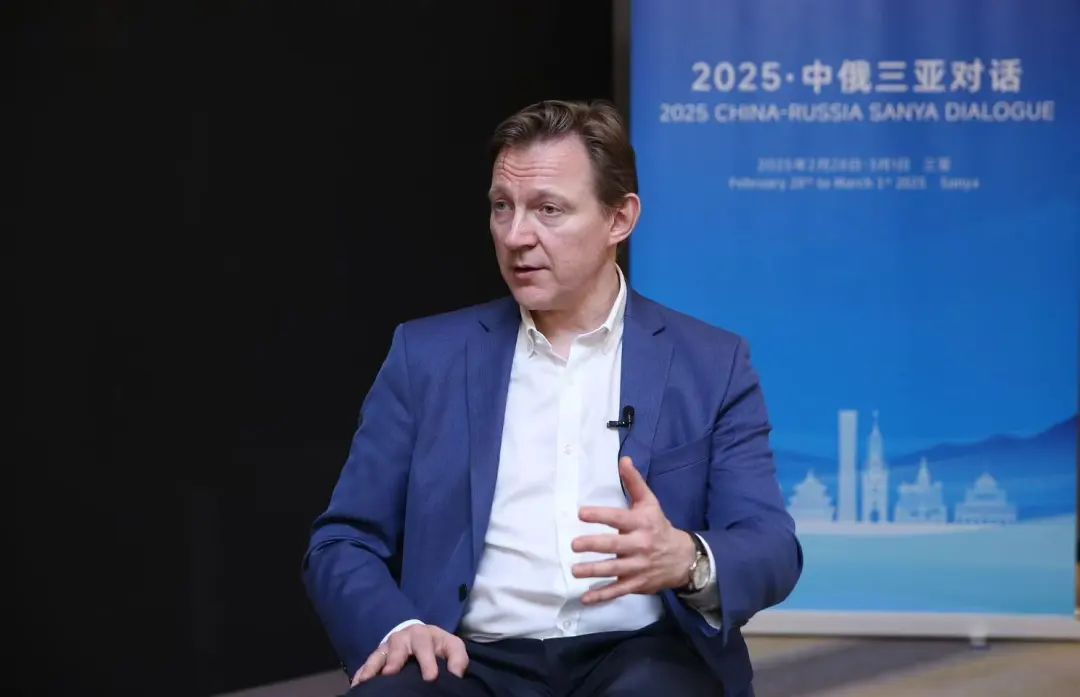
阿列克謝·葛羅米柯在三亞接受北京對話專訪 (圖源:北京對話)
**韓樺:**作為歐洲問題專家,當您聽到J.D.萬斯在慕尼黑安全會議上的演講時,您的第一反應是什麼?
**阿列克謝·葛羅米柯:**我並不感到震驚,這也不出乎我的意料。
**韓樺:**但在場的每個人都感到震驚。
**阿列克謝·葛羅米柯:**我認為這只是反映那些人的無知。事實上,這一局面早已有跡可循,不僅僅是從去年11月特朗普勝選開始,而是早在他2016年至2017年首次當選並開始執政的四年間,許多人就已經感到驚訝、沮喪或震驚,這在當時是可以理解的。
在我看來,歐洲政治精英的問題在於,他們跟不上國際體系和世界政治變化的節奏。對許多俄羅斯專家而言,甚至對中國和其他國家的許多專家而言,預測特朗普及其團隊的行動並不困難。這不僅是特朗普個人或性格因素決定的,這是“特朗普主義”的體現——它是一股強大的政治潮流,不僅影響着美國,也影響着歐洲。因此,歐洲政治精英在特朗普的“第二次到來”前準備不足,未能預料慕尼黑安全會議上會發生什麼,這本身就是一些政客以及為他們提供諮詢的智庫和專家的問題。
當然,萬斯用了極其冷酷的表達方式,他強調歐洲政治精英面臨的最大威脅並非來自外部,而是來自內部。這一表述尖鋭地凸顯了當下美國與歐洲戰略思維的分歧。
在俄羅斯,我們早就預見到,在特朗普2.0時代,美歐之間將發生所謂的“戰略脱鈎”;現在,這正成為現實。所以,對我個人以及我們國家的其他專家來説,這並不令人驚訝,這是我們在戰略上早已預見的趨勢。它可能會以不同的具體方式發生,但最終,事態仍然按照其固有邏輯發展。這正是“特朗普主義”的本質。
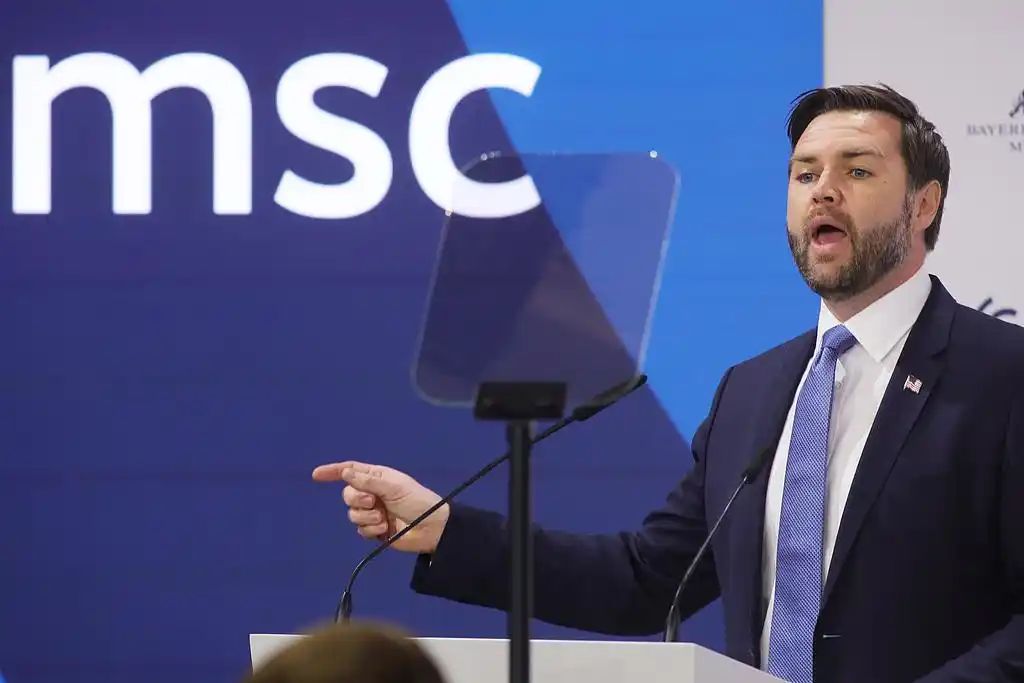
美國副總統萬斯在本屆慕尼黑安全會議上發表講話,大肆批評歐洲(圖源:視覺中國)
**韓樺:**所以您認為這種變化是不可避免的,是一種根本性的變化,並且會對傳統的跨大西洋關係產生巨大影響。那麼,這又將如何影響俄歐關係呢?
**阿列克謝·葛羅米柯:**俄羅斯與歐洲的關係並不是孤立存在的,而是深深嵌入世界政治之中,它受全球局勢的影響。至少有兩個外部因素對俄歐關係的動態起着重要作用:美歐關係和中歐關係。
前總統拜登執政期間,美國奉行“雙重遏制”(dual containment)戰略,針對俄羅斯和中國。與此同時,華盛頓推行“雙重脱鈎”(double decoupling)政策:一方面削弱美歐聯繫,另一方面推動歐盟與俄羅斯脱鈎。
未來幾十年,美國的重點是與中國的競爭。從美國的所有戰略文件來看,中國被美國視為21世紀的系統性挑戰,而俄羅斯則被貼上了“眼前的威脅”標籤。這一戰略思路也促使美國推動美歐脱鈎,以及迫使歐盟與俄羅斯切斷經濟聯繫的政策。華盛頓在拜登執政時期將這一目標作為最優先事項之一。
目前,我認為俄羅斯願意先與美國穩定關係,然後再與那些能認清現實的歐洲國家實現關係正常化。俄羅斯從未主動發起過任何形式的制裁或限制,每一次都只是對外部施壓做出的回應。但俄羅斯是一個全球性大國,同時是聯合國安理會常任理事國。因此,俄羅斯有必要在自身周邊地區保持穩定和務實的外交關係,即使不一定是友好的關係。未來幾年,俄羅斯會努力與美國和一些歐洲國家建立務實的外交關係。
與此同時,俄羅斯對當前和未來可預見的全球地緣政治格局有着清晰的判斷,這就是“向東轉”戰略。俄羅斯的戰略重點將放在與中國、印度、亞洲其他主要國家,以及與非洲和拉美的新興大國建立更緊密的戰略伙伴關係。
在當前局勢下,俄羅斯將對歐外交政策放在次要地位。俄歐關係的發展並不取決於俄羅斯的意願或它能夠向歐方提供什麼。長期以來,歐洲各國尤其是德國,都因與俄羅斯建立全面的經濟關係而受益匪淺。現在,俄歐關係能否恢復,完全取決於歐洲執政精英是否能做出務實和理性的決策。
**韓樺:**我認為,您提到的歐亞安全架構其實也是一個信號,可以被視為俄羅斯正在認真且戰略性地轉向東方。但與此同時,俄羅斯依然是全球大國,而不僅僅是地區大國,因此需要維持與歐洲的穩定關係。這首先取決於俄羅斯與美國關係的穩定,而衡量美俄關係是否穩定的一個關鍵因素,就是雙方能否坐下來直接談判結束戰爭。那麼,在可預見的未來,您認為這種談判能否達成?
**阿列克謝·葛羅米柯:**目前確實出現了一個新的機會窗口。俄羅斯一直堅定地尋求通過外交途徑解決問題並展開談判。在過去三年中,曾有過多次可能實現外交突破的關鍵節點,尤其是在2022年春天,當時俄羅斯的代表、外交官和政治人物曾與烏克蘭方面進行談判,雙方一度接近達成協議,但最終被美國和英國所破壞。
自那時起,西方就尋求俄羅斯的“戰略性失敗”;然而事實證明,這並非真正的戰略,而是一種一廂情願的幻想,甚至可以説是美國(更不用説歐盟)在烏克蘭危機中犯下的戰略性錯誤。試圖讓俄羅斯這樣一個核大國在烏克蘭問題上遭受戰略性失敗,本身就是極其危險的幻想。對莫斯科而言,在烏克蘭危機中失敗就意味着真正的戰略失敗。
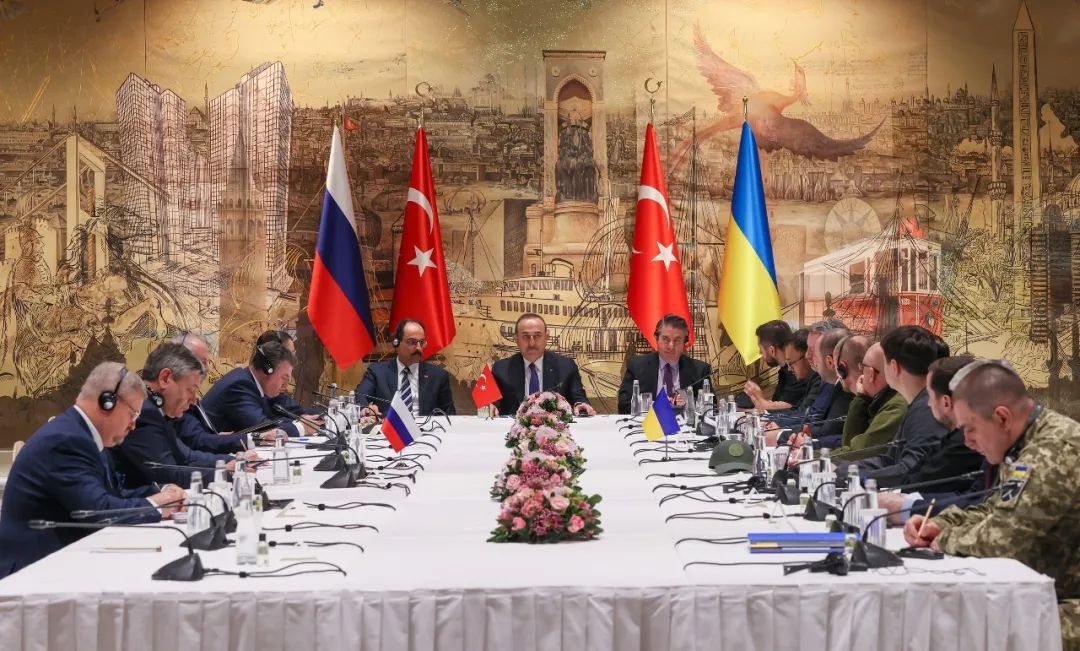
2022年3月,俄烏在土耳其開展談判(圖源:安納多盧通訊社)
如今,美國國內的政治思維似乎開始出現了一些明顯的變化。他們意識到,繼續在一場原本就是空中樓閣的事情上浪費數千億美元,既毫無意義,又極端危險。特朗普希望把精力集中在美國國內事務上,恢復美國的經濟實力。他不願意再深陷於外國軍事行動或代理人戰爭之中,因為這對美國來説不僅是沉重的負擔,而且極有可能導致與其他核大國的直接軍事衝突。
大國之間應當像歷史上多次所做的那樣,找到維護國家利益和安全的平衡點。烏克蘭危機不僅僅是俄羅斯與烏克蘭之間的雙邊危機,雖然兩國之間確實存在一定的矛盾,但危機的根源實際上在於蘇聯解體後俄羅斯與北約關係的發展,特別是在國家安全領域的衝突。
**韓樺:**當俄羅斯和美國進入談判階段時,在您看來有哪些是必須做到,哪些是絕不能觸及的事情?比如,西歐領導人提議凍結俄羅斯3000億美元資產用於戰後重建,這是否是俄方無法接受的紅線?還有哪些核心利益是俄羅斯絕對不會讓步的?哪些方面是可以談判和妥協的?
**阿列克謝·葛羅米柯:**首先,俄羅斯非常堅定地認為,北約擴張是對我們國家安全的主要威脅。北約不是一個非政府組織,而是一個軍事聯盟,而且它的官方文件中明確把俄羅斯定義為主要威脅和主要對手。北約的擴張不僅僅是外交表態,而是具體的軍事現實,涉及軍事基礎設施的建設、軍事部隊的部署,而這一切正在逐步逼近俄羅斯的邊界,甚至接近俄羅斯的軍事指揮和政治決策中心。
西方集體在烏克蘭對俄羅斯發動的代理人戰爭,對俄羅斯而言就是一場“古巴導彈危機2.0”,這是俄羅斯絕對不會妥協的底線。俄羅斯當然願意談判,但如果未來的歐洲安全體系仍然建立在“俄羅斯是威脅”的概念上,並且繼續推動西歐和中歐的軍事化,那麼這絕不會是俄羅斯能夠接受的解決方案。
因此,未來的和平解決方案將經歷複雜而全面的外交談判,最終希望能達成一項和平協議,但這將涉及多個談判軌道。第一條軌道是美俄雙邊談判,這是當前莫斯科與華盛頓正在推進的內容。正因為如此,歐洲並未被納入談判桌,也沒有人認為歐洲應該出現在談判中。目前,美俄之間的談判主要集中在恢復兩國外交機構的正常運作,即恢復美國駐莫斯科大使館和俄羅斯駐華盛頓大使館的正常職能。如果在這一點上取得實質性進展,接下來才會更容易進入烏克蘭危機的政治解決。
俄羅斯的立場十分明確:外交解決不能操之過急。尤其是當問題極其複雜且涉及多方利益時,必須採取循序漸進的方式解決。如果一切進展順利,今年或許可以看到美俄關係的某種正常化,以及烏克蘭危機解決進程的一些進展,但不會有奇蹟發生,不會有魔法般的解決方案。這需要時間,需要大量努力。同時,我們必須意識到,無論是在歐洲、美國,還是烏克蘭內部,都會有大量政治勢力試圖破壞和平進程。
這就是為什麼中國應當發揮重要作用。中國大膽提出了和平倡議,並派遣高級外交官前往各國斡旋。我相信,全面解決烏克蘭危機將離不開中國的積極參與。
**韓樺:**非常感謝您提到中國在過去三年所做出的努力,我們的歐亞事務特別代表李輝大使幾乎走遍了世界各地,推動解決這場危機,提出中國的方案和貢獻。但特朗普是一位商人,他沒有太多耐心。
那麼,我們該如何管理或者幫助特朗普控制節奏呢?我非常贊同您所提到的通過逐步恢復外交關係來推進和平談判,也同意應該把各種談判條件放到桌面上進行討論。但問題是,特朗普希望儘快解決問題。在您看來,是否應該先達成停火,然後再進行逐步的政治談判?
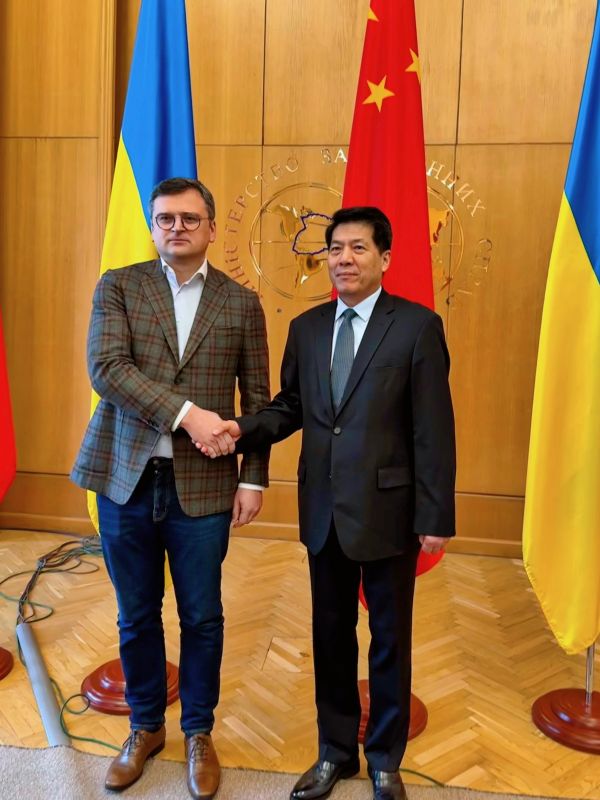
2023年5月,中國政府歐亞事務特別代表李輝會見時任烏克蘭外交部長庫列巴(圖源:外交部網站)
**阿列克謝·葛羅米柯:**問題在於,單純的停火本身並不是解決方案,停火必須放在一個完整的框架之內。如果停火是和平解決方案的一部分,那麼這是可以考慮的。但如果只是單方面宣佈停火,而沒有明確的後續安排,那麼這樣的停火很可能會迅速破裂。
在真正談論停火之前,俄羅斯和美國必須進行深度磋商,這應該是閉門會談,在合適的時候,也可以引入中國和其他曾在過去幾年提出和平倡議的國家。
如果確實有政治意願,願意將停火作為和平解決的第一步,並且確保這一進程符合俄羅斯的國家利益,那麼停火是可行的。但如果只是倉促宣佈停火,而沒有明確的未來規劃,沒有後續的政治路線圖,那麼這樣的停火毫無意義,甚至可能導致局勢變得更糟糕。
**韓樺:**您是否接受任何歐洲軍事力量作為烏克蘭境內的核心維和部隊?
**阿列克謝·葛羅米柯:**俄羅斯介入此次危機的根本原因,最主要的便是北約東擴、俄方要求烏克蘭軍事中立,以及人道主義問題,尤其是烏克蘭境內數百萬俄語居民的未來。數百萬烏克蘭人已逃往俄羅斯,經歷了多次難民潮。
這一切並非始於2022年,而是可以追溯到2014年。當時基輔發生政變,新上台的政府派遣正規軍進攻烏克蘭東部。隨後,在2015年1月,基輔方面又第二次發動軍事行動。因此,烏克蘭的戰事經歷了多個階段。最初,這是烏克蘭國內的內戰,基輔政府動用了正規軍;而自2022年起,俄羅斯開始在這一局勢中深度介入。
要解決這個問題,我們必須充分考慮其發生的深層原因。這其中並非只有一顆地雷需要拆除,而是許多問題交織在一起。俄烏必然遲早會達成某種停火協議,但有不同類型的停火協議:有的可以推動問題的真正解決,有的只是暫時的戰爭間歇。俄羅斯希望達成的停火協議必須是邁向真正解決方案的第一步。
俄羅斯不會接受任何未經其同意的外國軍隊部署在烏克蘭。如果法國或英國的軍隊以維和部隊的名義進入烏克蘭,卻沒有獲得正式授權,對俄羅斯而言,他們將被視為合法的軍事打擊目標。在現實中,唯一可能獲得所有大國認可的合法授權,只有聯合國的維和授權,並且該授權必須得到聯合國安理會批准。我承認,這將是艱難的外交博弈,但解決如此複雜的危機怎麼可能是件輕而易舉的事情呢?理論上,未來的某個時候,我們可能會看到來自不同國家的軍隊部署在烏克蘭,但前提必須是有明確的授權。
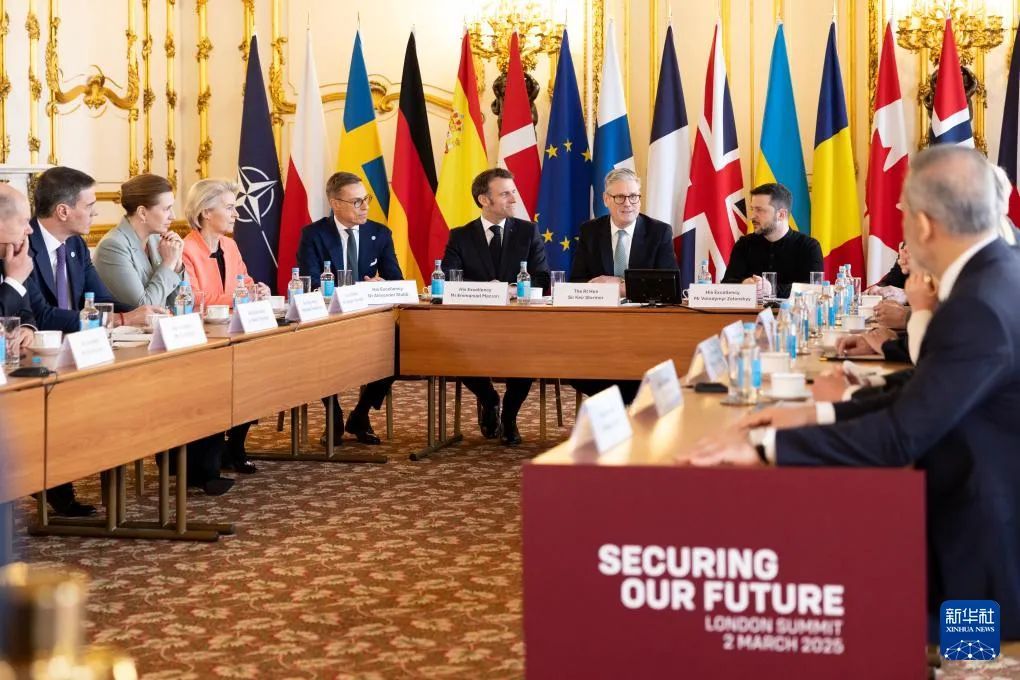
3月2日,十餘個歐洲和歐盟國家,以及烏克蘭和加拿大的領導人在英國倫敦舉行峯會,會上提出派歐洲部隊在烏克蘭維和(圖源:英國首相府 新華社發)
**韓樺:**我完全同意您的觀點。世界上唯一的正式維和部隊就是聯合國維和部隊。您的表態非常明確,也非常有力。中國是聯合國維和行動的主要貢獻者,不僅在人員派遣方面投入巨大,在財政支持上也是貢獻最大的國家之一。因此,我認為未來在聯合國安理會的決策以及維和授權方面,中國完全可以發揮關鍵作用。
您成長於一個科學家與外交官的家庭,這對您的職業生涯和世界觀產生了怎樣的影響?我們應當從冷戰歷史中吸取哪些教訓?在去世前,您的祖父安德烈·葛羅米柯曾高度評價當時正在進行的改革。能否與我們分享當時的情況?如今,許多人拿特朗普與戈爾巴喬夫進行比較,您如何看待這種比較?
**阿列克謝·葛羅米柯:**事實上,我一直追隨我爺爺安德烈·葛羅米柯和我父親阿納託利·葛羅米柯的足跡。安德烈·葛羅米柯最初是作為科學家開始他的職業生涯的。1936年,他在經濟學領域獲得博士學位,研究方向是美國經濟。直到1939年,他才被邀請加入蘇聯外交部,開始從事外交工作。但即便如此,他仍然在科學研究領域保持活躍。1957年,他被任命為蘇聯外交部長,但就在此一年前,他剛完成了自己的博士論文。
當他在1952-1953年擔任蘇聯駐倫敦大使時,他仍然在收集研究材料,為自己的博士論文做準備。即使在1957年成為蘇聯外交部長之後,他依然撰寫了大量的學術文章和書籍。因此,他既是外交官,也是學者。他始終認為,外交不僅僅是一項職業,也不僅僅是一種公務,而是一門藝術。對他而言,外交的藝術必須建立在科學的基礎之上。這種“外交、藝術、科學”三者結合的理念,貫穿了他的一生。
他堅信和平共處的概念。這正是為什麼,在他的外交推動下,蘇聯與美國以及西方其他主要國家在20世紀60年代和70年代,逐步實現了高度的外交互動,即我們所説的緩和政策。在此期間,蘇聯與美國簽署了一系列重要的雙邊與國際條約,例如:《不擴散核武器條約》、《第一次削減戰略武器條約》、《第二次削減戰略武器條約》、《反彈道導彈條約》(但遺憾的是,美國在2002年單方面退出了該條約)。
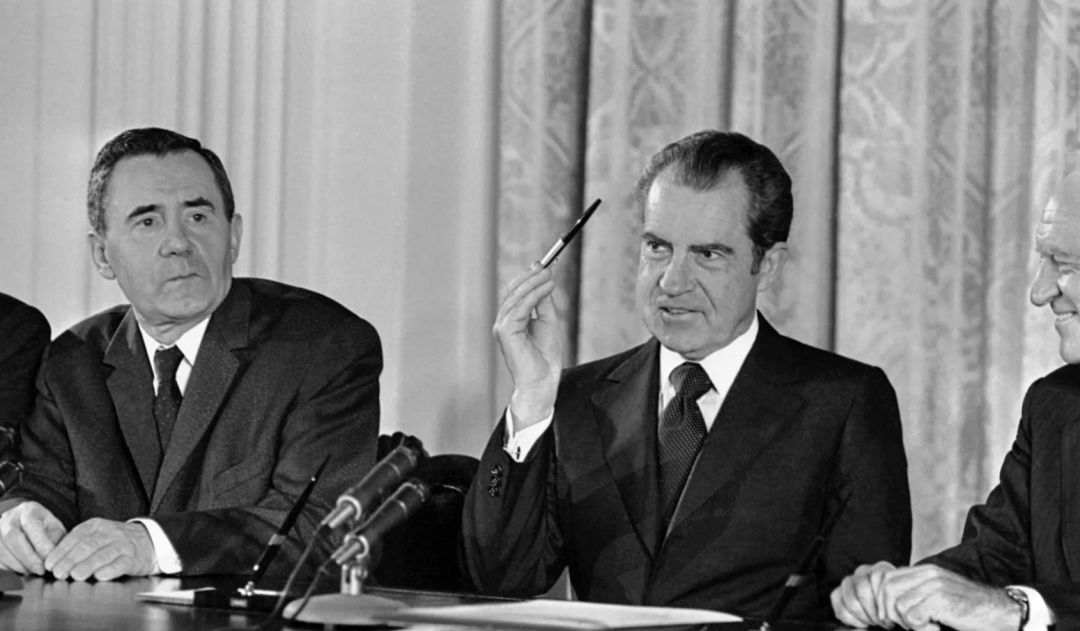
1972年,葛羅米柯和尼克松正式確立《反導條約》生效 (圖源:哈佛大學)
他一生致力於構建全球戰略穩定的架構,推動蘇美軍事和政治實現均勢,並用外交手段降低全球軍事風險。在實現這些目標的過程中,蘇聯外交政策採用了多種手段,但其核心並不是強行施壓,而是尋求達成各方都能接受的公平協議。在某些情況下,需要妥協;在其他情況下,需要突破常規思維,尋找新的解決方案。但最重要的是,每次談判都必須向前邁進,減少軍事風險,不僅僅是在歐洲,而是在全球範圍內。
他始終堅信,當炮火沉寂之時,外交應該站到前台,發出最終的聲音。我希望,如今的世界也能如此。當軍事衝突的高峯期過去,外交應當主導局勢,推動最終的和平解決方案。
**韓樺:**談到和平共處,中國去年隆重慶祝了和平共處五項原則提出70週年,邀請了眾多國際政要來到北京。我們剛才也簡要談到了聯合國在維和方面的作用。
因此,我想再問一個關於聯合國的問題,以及您對聯合國未來發展的看法。您參與創立了俄羅斯“支持民主全球秩序與聯合國”運動。您是如何設想民主全球秩序,它如何與世界朝着多極化方向發展的趨勢相契合?另一方面,即便在俄羅斯,也有一些反對聯合國的聲音,認為它已經不再適應當前的全球形勢。您認為聯合國需要進行哪些改革?
**阿列克謝·葛羅米柯:**您提到的這個運動,確實是由我父親創立的,我當時也提供了支持。後來在2019年,這一運動發展為安德烈·葛羅米柯外交政策研究協會。
關於聯合國,當我們問安德烈·葛羅米柯,他認為自己最重要的成就是什麼時,他通常都會將創建聯合國放在首位。他曾親身參與了敦巴頓橡樹園會議,隨後在1945年2月的雅爾塔會議上,戰勝國達成了一系列關鍵決策。接着是1945年4月25日召開的舊金山會議,最終在1945年6月26日簽署了《聯合國憲章》。
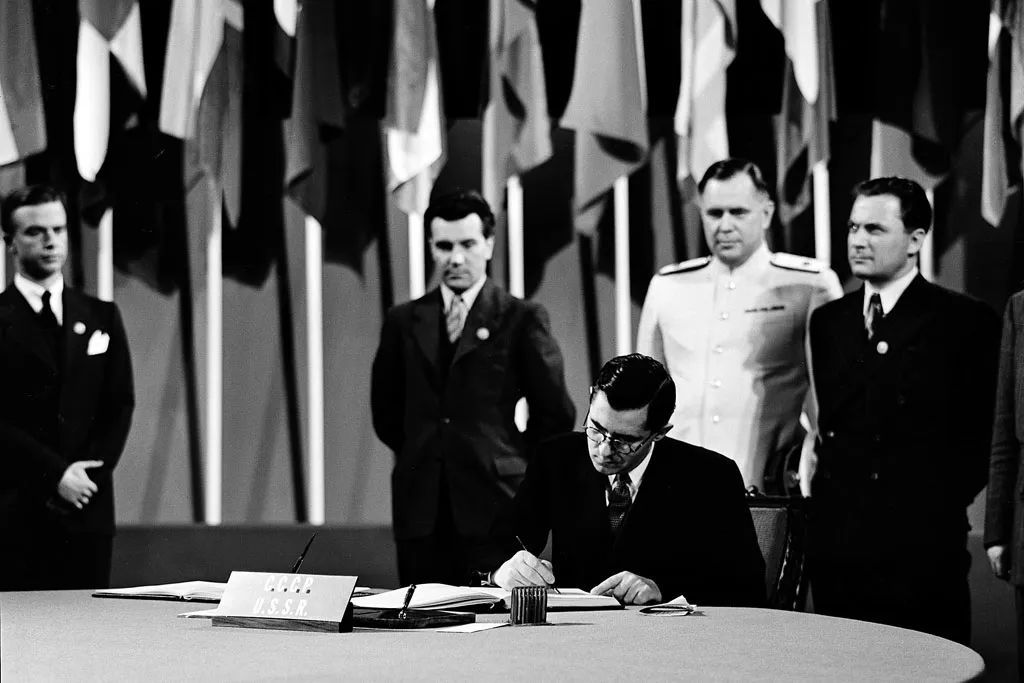
1945年6月26日,安德烈·葛羅米柯在舊金山代表蘇聯簽署了《聯合國憲章》(圖源:聯合國)
聯合國是雅爾塔-波茨坦國際體系的支柱之一。自上世紀90年代起,我就不斷聽到有人説雅爾塔-波茨坦體系已經過時,已經成為歷史,尤其是在蘇聯解體之後。但我堅信,我們今天所處的世界,在很大程度上仍然是這一體系的延續,它也奠定了戰後國際法的基礎。聯合國安理會仍然是國際政治的核心,這是1945年戰勝國的遺產,並延續至今。
直到今天,還沒有一個安理會常任理事國(更不用説非常任理事國)不高度珍視自己的安理會席位,以及其在國際事務中的地位。儘管長期以來,安理會一直是外交衝突與紛爭的場所,但它仍然是一個能夠反映世界秩序變化的重要平台。例如,最近就烏克蘭危機問題的決議,美國、俄羅斯和中國都投了支持票,而法國和英國則選擇了棄權。只有聯合國這樣獨特的平台,才能促成如此重大的外交博弈與決策。
我認為,雅爾塔-波茨坦體系的遺產仍然是我們當下世界的一部分,它並非遙遠的歷史,而是一種“活着的歷史”。因為直到今天,我們依然在享受1945年戰勝國(包括中俄)的戰略決策為我們“前人栽樹,後人乘涼”。
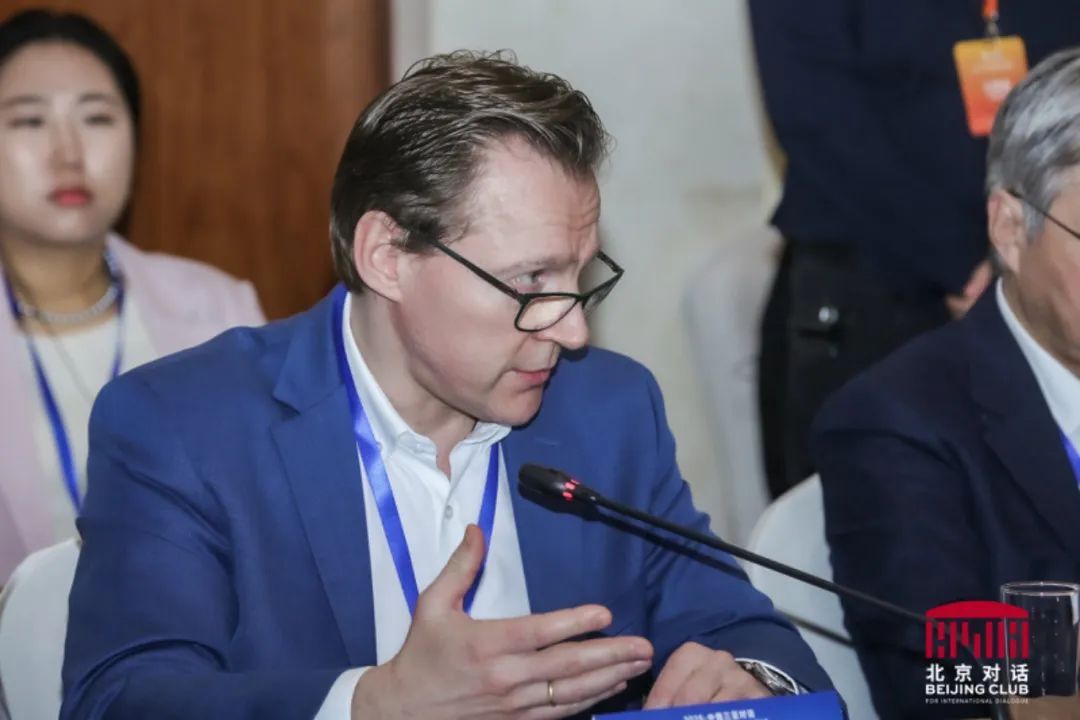
阿列克謝·葛羅米柯參加2025·中俄三亞對話 (圖源:北京對話)
以下為採訪原文:
Helen: you are a renowned expert on European studies. When you first heard about JD Vance’s speech during the Munich Security Conference, what’s your first impression?
**Alexey Gromyko:**Personally, for me, that was not a shock, that was not a surprise.
**Helen:**Everyone on the spot was shocked.
**Alexey Gromyko:**I think that this is the problem of those who were so deeply shocked, because there were many writings on the wall, not just from November last year when Trump won, but from the time when he was the president for his first 4 years, in 2016, 2017, that was quite understandable that a lot of people in the United States, a lot of people in Europe, what we call the European west, were surprised, frustrated or shocked.
But the problem of the European political elites, from my point of view, is in that they are very slow in catching up with the pace of the changes in international system and world politics. For quite a few Russian specialists, and I guess for quite a few specialists in China and in many other countries, it was not so difficult to predict what Trump, his team were going to do. This is not just a factor of Trump personally. This is not purely an effect of personality. This is not just a subjective factor. We are talking about Trumpism. This is a very powerful undercurrent, a powerful tendency in the United States and in Europe as well. So the fact that they were so poorly prepared for the second coming of Trump, for what happened during the last Munich security conference, this is a problem of certain politicians personally and those experts and think tanks who consult them. Of course, the way Vance put it was painful – he focused on the idea that the main source of threat to European political elites is from within not from outside, and of course this put in a very sharp the difference between the current strategic thinking of the United States and in Europe.
In Russia, we have been foreseeing for quite a long time that the so-called strategic decoupling between the United States and the European allies will be facilitated under Trump 2.0. Now this is what is happening. So, personally, for me and for other specialists in my country, that was not a surprise. That was something what we expected strategically. In technical terms that might have happened in different ways, but it did happen the way it did. Basically, this is what Trumpism is all about.
**Helen:**So you think the change is inevitable. The change is very fundamental, and will certainly have huge impact to these traditional transatlantic relations.
How will it impact the Russia-Europe relations?
Alexey Gromyko: The relations between Russia and Europe are submerged in world politics. They are not in a vacuum. It depends on what is going on across the planet. At least, there are two external factors, which played a very important role, which determines the dynamics in the relationship between Russia and Europe. This is the relationship between the United States and Europe and the relationship between China and Europe. The US under former President Biden pursued a strategy of dual containment of Russia and China. At the same time, Washington continued another strategy of double decoupling – firstly, between the United States and Europe and secondly, between Europe and Russia.
The United States for the next decades is focusing on the competition with China. China, as we know from all doctrinal documents of the US, is considered to be a systemic challenge for the US in the 21st century whereas Russia is labelled as an immediate threat. It goes hand in hand with Washington’s strategy of decoupling from its European allies and with a policy of imposing on them the decoupling of the European Union, its Single market from Russia. That was one of the top priorities for Washington under Biden.
Currently, I think that Russia firstly would be open to stabilizing and then normalizing relations with the United States, and then with those European countries, which have an ability to come to terms with the objective facts on the ground. Russia has never been the party which pioneered any kind of restrictions or sanctions. In all cases, Russia was responding to external pressure. But Russia is a global power. Russia is a permanent member of the Security Council of the UN. For Russia, it is important to have a stable, not necessarily friendly, but stable and pragmatic relations with all countries which surrounded it both in Near and Far Abroad. I’m sure that Russia will exert its efforts in the years to come to have pragmatic relations with the United States and with other European countries.
At the same time, Russia has a clear picture of the geopolitics for now and for the foreseeable future. This is based on the strategy of a “turn to the East”. The priority will be the strategic partnership with China, India, with the other leading centers of power in Asia, in Africa and Latin America. For the time being, the European vector of Russian foreign policy will be a secondary one. It will depend not so much on what Russia wants and can offer to its potential partners in Europe. For a very long time they benefited substantial, especially Germany, from comprehensive economic relations with Russia. Any prospects of normalization depend now on the pragmatic and rational thinking of ruling elites in the member states of the EU.
**Helen:**I think my humble opinion is that with your proposal of the European, Eurasian security architecture, this is also an indicator, correct me if I’m wrong, this is kind of an indicator of Russia is seriously and strategically turning to the East. While still maintaining a global power, not only to mention a regional power, to maintain a stabilized relationship with Europe, it needs some prerequisites of your stabilizing relationship with the United States. Another indicator of stabilizing the relationship with the United States is two parties sit together, talk directly of ending the war. So, in the foreseeable future, do you think this can be negotiated, can be done?
**Alexei Gromyko:**Certainly, there is a new window of opportunity now. Russia has been systemic in pursuing the way of diplomatic resolution and negotiations. In the last 3 years, there were several forks in the road, especially in Spring, 2022, when Russian representatives, diplomats, and politicians were holding talks with their Ukrainian counterparts, but negotiations were torpedoed by the US and the UK, although the two sides were very close to striking a deal. Since then, Russia was approached by the West with a “strategy of defeat”, although it has turned out not to be a strategy but a wishful thinking, not a strategy but a strategic blunder of the United States, not to mention the European Union, to try to inflict a strategic defeat to a nuclear power such as Russia. For Moscow a failure in the Ukrainian crisis would mean exactly that – a strategic defeat.
These days there are some indications that there might be a noticeable shift in political thinking in the US. They understand that to waste billions and billions of US dollars on something what initially was just castles in the air is a useless and dangerous thing to do. Trump wants to concentrate on domestic problems, on recovering the economic might of the United States. They don’t want to be embroiled any more in foreign military campaigns, in proxy wars, which is a burden for them, which is a very risky thing in terms of possibility of a potential direct military clash with other nuclear powers.
Great powers should try, once again in history, to find the balance of their national interests, of narratives of their security. The Ukrainian crisis is not just a bilateral crisis between Moscow and Kiev. There were some contradictions between them but the root causes of the crisis is in the history of relations between Russia and NATO after the breakup of the Soviet Union, primarily in in the sphere of national security.
**Helen:**When Russia and the United States enter into negotiations, what are the “must do” or “mustn’t do” things, conditions in your mind? For example, European leaders, especially western European leaders mentioned the freeze of 300 billion Russian assets to use for post war reconstruction. Is this something you cannot compromise or some other core interests that you could not compromise at all? What’s in your mind? What can be compromised? What can not be compromised at all?
**Alexei Gromyko:**Firstly, Russia believes very strongly that the expansion of NATO is the main source of threat to our national security. NATO is not an NGO. NATO is a military bloc. And NATO has doctrinal documents. In those documents, Russia is identified as the main source of threat and their main rival. The expansion of the alliance is not just political declarations, but hardware, military infrastructure, troops up to the Russian borders, close to Russian centers of military planning and political decision making.
The proxy war of the collective West against Russia in Ukraine is a Cuban crisis 2.0 for Russia, this is something that Russia is not going to compromise on, but Russia is open to negotiations. However, if a future European security system is based on the concept that Russia is a source of threat, and that the militarization of Western and Central Europe should go on, this is not the way Russia sees how the crisis may be resolved.
We are going to have a complex and comprehensive diplomatic affair and finally, and hopefully, a peace settlement. But there will be several tracks. The first track, which Russia and the United States are pursuing now, is a bilateral track. That’s why nobody expected Europe to be at the table. Moscow and Washington are talking primarily on how to restore normal functioning of diplomatic missions of the US in Moscow and of Russia in Washington. If we make a good progress there, then it will be much easier to proceed with the second track on the settlement of the Ukrainian crisis.
I think that the Russian position is very clear - it is impossible to benefit from diplomacy if you are in a hurry, especially when a problem is a very complicated and multifaceted matter, it should be dealt with step-by-step approach. If it goes well, then in the course of this year we might see some normalization in the relations between Russia and the United States and some progress in the settlement of the Ukrainian crisis, but no miracles, no magic wand; it will take time, it will take a lot of efforts. Always, we should keep in mind that there will be a lot of politicians, a lot of countries, both in Europe, in the United States, not to mention Ukraine, who are going to do their best to derail the peace process.
That’s why the Chinese factor should play an important role. China was bold in putting forward its peace proposals and sending its top diplomats to different capitals. I am sure that the comprehensive settlement of this crisis will be impossible without a strong participation of China.
**Helen:**I appreciate you mentioning China’s great efforts during the past 3 years with our special envoy, ambassador Li Hui was almost everywhere around the world to discuss how to resolve this crisis with China’s efforts or China’s unique contribution. But still, Trump is a businessman, and Trump is very impatient.
So how do we manage, or help him manage this pace. I really appreciate that you mentioned about normalizing the diplomatic relations step by step. People put all different conditions on the table, so we can discuss. But still, Trump wants to do it in a hurry. So in your mind, will there be a ceasefire in the first place, then we can do this kind of negotiations step by step?
**Alexei Gromyko:**The problem is that a ceasefire per se is not a solution. A ceasefire should be seen in a context. If there is a ceasefire within the framework of settlement, this is one thing. If there is a ceasefire without a clear idea what happens next, then such a ceasefire may break very quickly. I think that before there can be a real talk about ceasefire, there should be discussions, very serious and behind the closed doors, between Russians and Americans, and maybe later with the involvement of China, other countries, which in the past years have exerted their efforts in pushing through different peace proposals.
If there is a real political will to use the ceasefire as the first step on the way to the settlement, which takes into account the national interests of Russia, then it is doable. But to declare a ceasefire without knowing what is going to follow later, without any roadmap is a way to nowhere. In real life a poorly arranged ceasefire may lead to even worse situation in comparison with what we have now.
**Helen:**Do you accept any European military presence as a key peacekeeping force in Ukraine on the Ukraine soil?
**Alexei Gromyko:**There are some fundamental reasons why Russia was involved in this crisis. That was the expansion of NATO, the demand of military neutrality of Ukraine, and other questions, especially humanitarian ones - what will happen with millions of Russian speaking people in Ukraine. Millions of Ukrainians have fled to Russia, and there were several waves of refugees. That all started not in 2022, but in 2014. There was a coup d’etat in Kiev, and then new authorities in Kiev, who seized power, sent regular troops to the East of the country. Then they did it the second time in January 2015. So, there were several stages of warfare in Ukraine. Initially, that was a civil war within Ukraine, with Kiev, using regular army, then from 2022, Russia was deeply involved militarily in this situation.
The problem can be solved, but we should take into account a number of reasons why did it happen. This is not a single “mine” which should be diffused, there are many. Inevitably, sooner or later, a certain ceasefire will take place. But there are different types of ceasefires – the one, which can bring about the next step in resolution, and the one, which will be just a temporary pause in the warfare. Russia is interested in a ceasefire, which would be a first step to a real settlement.
Russia is not going to accept any deployment of foreign troops in Ukraine without a mandate, which it approves. If there is a deployment, for example, of French military forces or British military forces, which would portray themselves as a peacekeeping force without a mandate, for Russia these forces would be a legitimate military target. It seems that in fact the only legitimate mandate, which all major powers may accept, is a peacekeeping mandate of the United Nations and such a mandate should be approved by the Security Council. I recognize that that would be an uphill diplomatic battle. But who says that to reach a settlement of such kind of a crisis should be easy? Theoretically, it may be possible that we see military forces and deployments from different countries. But there should be very a very clear mandate.
**Helen:**I totally agree with you. There is only one peacekeeping force, which is called UN peacekeeping force. Your statement is a very strong, very clear one. China is a major contributor to the UN peacekeeping force and also in terms of the money we contributed. So I think maybe China can play some major role down the road of the mandate and in the UN Security Council.
You had grown up in a family of scientists and diplomats. How does that shape your career path and the general outlook? What lessons do you think we need to learn from the original Cold War? Before he passed away, your grandfather, Andrei Gromyko, had praised the then-ongoing process of Perestroika. What was it like around that time? What do you make of all the comparisons between Trump and the Gorbachev?
**Alexey Gromyko:**I followed, in fact, the footsteps of my grandfather Andrei Gromyko and then my father Anatoly Gromyko. Andrei Gromyko started his career as a scientist. In the 1936, he defended his PhD thesis in the economics. He specialized in the economy of the United States. Only later, in 1939, he was invited to serve in the Soviet Foreign Ministry. But later, in parallel, he continued his career as a scientist. One year before he was appointed foreign minister of the Soviet Union, which happened in 1957, he defended his doctoral thesis.
When he was Soviet ambassador in London, in 1952-1953, he was collecting research material for his doctoral thesis. And after he became the foreign minister in 1957, he kept writing many articles and several books. So, he was both a diplomat and a scientist. He was saying that diplomacy is not just a profession, not just a civil service. This is the art of diplomacy, and the art of diplomacy for him was based on science. This triangle, diplomacy, art, and science for him was a natural thing to pursue for the whole of his life.
He was the one who believed strongly in the concept of peaceful coexistence. That’s why the Soviet Union and the United States, other major countries of the West in the 60s and 70s, step by step reached a high level of relationship, the so-called détente. A lot of bilateral and international treaties, for example, Non-Proliferation Treaty or SALT[8] I, SALT II, the ABM Treaty (which the US unfortunately abandoned in 2002).
To this architecture of strategic stability, of military-political parity between the Soviet Union and the United States he dedicated his life. In order to achieve these goals, the Soviet diplomacy used different means. The main task was not to impose, but to find ways to make a deal, which would be considered by two sides or by all sides as a fair deal. Sometimes compromises, sometimes something that was not in the books and on the paper from the very start, but something that initially was a clear step forward in the terms of reducing military risks, not just in Europe, but on the global level. I think that was what he held very close to his heart - when guns are silent, diplomacy should come to the fore and say its definite word.
I hope that this is what happens this time. After the military phase of the crisis, diplomacy will say a definite word in terms of the settlement.
**Helen:**Speaking of this peaceful coexistence, China celebrated the 70 years of Five Principles of Peaceful Coexistence last year very powerfully, by inviting many world dignitaries to Beijing, we touched upon a little bit about the UN through mentioning discussion about the peacekeeping.
So one more question regarding UN and how to envision the UN. You co-founded the Russian movement “Support For a Democratic Global Order and for the United Nations”. How do you envision this democratic global order? How does this align with the idea that the world is moving in a more multipolar direction? On the other hand, there are voices even in Russia about against the UN, claiming it is no longer fit for purpose. What kind of reform do you think would be needed for the UN?
**Alexey Gromyko:**The movement, which you mentioned, indeed, was founded by my father with my support. Then in 2019 it evolved into the Andrei Gromyko Association of Foreign Policy Studies.
As to the United Nations, when we asked Andrei Gromyko what he considered to be his most important achievements, usually, he was putting on the first place the creation of the United Nations, the conference in Dumbarton Oaks, then the decisions which were taken in Yalta in February, 1945, then the conference in San Francisco, which was launched on the 25th of April, 1945, and then the signing of the Charter of the United Nations on the 26th of June, 1945.
The United Nations was one of the pillars of the Yalta-Potsdam international system. Starting from the 1990s, I’ve been hearing voices that the Yalta-Potsdam System is a thing of the past, that it is history because the breakup of the Soviet Union, et cetera. But I strongly believe that, the world which we live in these days, to a very significant extent, is the continuation of the legacy of the Yalta-Potsdam System and the postwar international law. The UN Security Council still is the pivot of international politics. This is something which we inherited from the decisions of victorious powers in 1945.
Up to now, there is not a single permanent member of the Security Council, not to mention non-permanent members, which would not value, in the highest way possible, their membership in the Security Council, their status in international affairs. We see these days that, in spite of the fact that for quite a long time, the Security Council was a place of diplomatic battles and diplomatic skirmishing, nowadays this is a place where different discussions, reflecting shifts in the world order, take place. Take the recent resolution, which was on the Ukrainian crisis, which was supported by the United States, Russia, China, and the other two permanent members abstained - France and the UK. Only such a unique platform as the United Nations may be the place where such kind of fundamental things may happen.
I think that the legacy of the Yalta-Potsdam System is still something that for us is not a part of a distant history, but is something that is a “living history”, as we say. Because these days, we still use for our benefit the consequences of those strategic decisions which were taken by the victorious powers in 1945, including Russia and China.
翻譯|李澤西核譯|韓樺