周波:“自由主義國際秩序”?這不過是一種歷史近視
guancha
**編者按:**近日,清華大學國際戰略與安全研究中心研究員周波接受澳大利亞廣播公司國家廣播電台(ABC Radio International)《環球漫遊》節目主持人傑拉丁·杜格和哈米什·麥克唐納的專訪,闡述了中國對於當前國際局勢、台海問題及全球責任的看法。
本文為北京對話與觀察者網翻譯發佈,以饗讀者。
【文/周波,翻譯/王奕涵,核譯/劉松瑀】
**傑拉丁·杜格:**我們接下來要採訪的人是周波——我們之前採訪過他,當時反響非常好。他是一位退役大校,最近出了一本新書——《世界應該懼怕中國嗎?》。這是一本很少見的、從中國視角出發的著作。
**哈米什·麥克唐納:**那我們就從當下這個時刻開始聊吧,説實話,我特別、特別想知道的是:中國怎麼看現在這個世界的局勢?全世界一片混亂,而從中國的視角,這一切又是怎樣的呢?
**周波:**這可真是個“價值十億美元的問題”。其實我自己也一直在思考,部分原因是我不太相信那個曾經根深蒂固的概念——所謂的“自由主義國際秩序”。
簡單來説,我認為現在的國際秩序,其實和過去沒有本質的不同:它始終是由不同國家、不同社會制度、不同國家認同、不同文化,最重要的是不同文明組成的一個集合體。打個比方吧,人們基本上直到16世紀“地理大發現”,即達·伽馬發現印度,哥倫布發現美洲後才逐漸清晰地瞭解世界的輪廓,才開始對這個世界有了更完整的認知。
但如果你簡單地把“世界秩序”定義為一個所謂的“自由主義國際秩序”,那其實是一種歷史近視。因為如果你真這麼看,那就有點像活在弗朗西斯·福山式的世界裏了——那個“歷史終結”的世界。
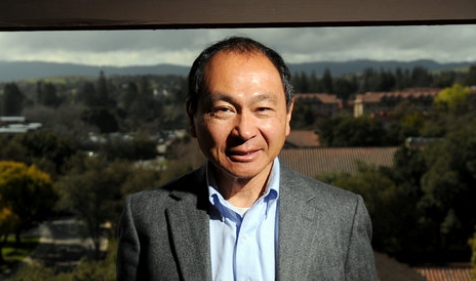
美國學者弗朗西斯·福山,著有《歷史的終結》一書
**傑拉丁·杜格:**所以你的意思是,這其實是一種西方強加的世界觀,是這樣嗎?
**周波:**是的,那種所謂的“自由主義國際秩序”,頂多也就是在蘇聯解體、中國尚未完全崛起的那段時間才看起來像那麼回事。但如果你真相信那套秩序,那就容易陷入自戀;一旦發現自己不再強大了,就會開始尋找“敵人”。這其實是非常危險的。但如果你相信這個世界秩序本就是由各種文明構成的集合體,那你就會問自己:我該如何與他人共存?
**傑拉丁·杜格:**從某種程度上講,特朗普總統可能多少會同意你的觀點。他似乎也在設想一種權力與影響力的“共享”格局,而這在西方某些地方引起了極大震動——因為他選擇與一些持有完全不同權力觀的人合作。所以從這個意義上説,你所描述的這種思路,是否某種程度上和特朗普的觀點有些契合?
**周波:**不,我不這麼認為。因為特朗普的口號是“讓美國再次偉大”,而這種“再次偉大”基本上就是要恢復美國的霸權地位,恢復對世界的主導權。而中國則更願意把自己看作是世界的一部分,僅此而已。
**傑拉丁·杜格:**難道他不就是想把世界分割開來嗎?我們不是正逐漸看清楚這一點嗎?他似乎在搞“勢力範圍”的劃分?
**哈米什·麥克唐納:**對啊,比如他願意把歐洲“讓”給俄羅斯,可能還會把亞洲“讓”給中國,然後讓美國專注於自身事務。
**周波:**你的説法可能是對的。但關鍵是,所謂“勢力範圍”其實是一個非常古老的概念,根本不適用於21世紀。我一直強調,中國首先是沒有勢力範圍的;即便中國想擁有,也不會有。
為什麼這麼説?很多人會把東南亞稱為中國的“後院”,但你看看東南亞,有不少國家在南海問題上和中國存在領土爭端,還有幾個國家是美國的盟友。再看東北亞,朝鮮也不一定會聽中國的。
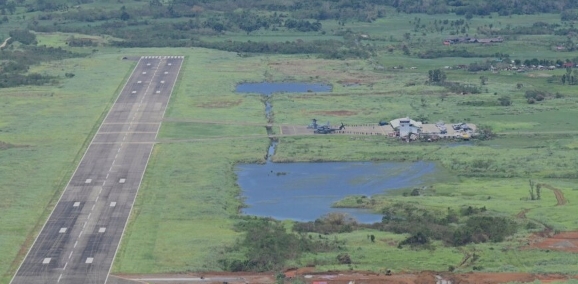
菲律賓拉洛機場,已於2023年對美軍開放
那麼請問,中國的“勢力範圍”到底在哪兒?所以結論是:如果中國根本沒有勢力範圍,那就沒必要去建立一個。我們只需要走向世界,讓自己變得更有影響力就行了。
要明白,“影響力”和“勢力範圍”是兩回事。中國的影響力已經是全球性的,所以不需要去追求所謂的勢力範圍。追求勢力範圍,你就得結交一堆盟友,而結盟既昂貴又難以維繫,為什麼要這麼做呢?
**傑拉丁·杜格:**很有意思。你等於是提出了一個觀點——中國在處理國際事務時,完全沒有任何帝國主義色彩。而且你對中國的“國民性”也有一個很有趣的觀察:你説中國目前依然有某種程度的“受害者心態”,而這其實並不利於國家的發展。那麼,你為什麼認為這種心態對中國自身的發展沒有幫助呢?
**周波:**是的,不少中國人確實深信這種“受害者心態”。從某種意義上講,這種心態也並非沒有道理,因為中國確實在1840年以後遭受過外來侵略。但我們經常提到的所謂“百年恥辱”,理論上、甚至從數學上講,如果從1840年算起,到1949年就結束了。
1949年中華人民共和國成立,毛澤東宣佈“中國人民從此站起來了”。既然中國人民已經“站起來了”,那這段受辱的歷史也應該翻篇了。這種受害者心態可能造成民族主義,因為你覺得自己曾經被不公對待。但一旦你變強了,這種情緒會讓別人開始感到緊張。
如果我們把中國的經濟總量除以人口規模,中國當然是一個發展中國家。但與此同時,中國也確實有可能成為世界上最大的經濟體。那麼問題來了:一個全球最大經濟體,還能被稱為發展中國家嗎?如果答案是“可以”,那“發達國家”與“發展中國家”的劃分又還有什麼意義?如果中國成為了全球最強大的國家之一,還有必要繼續維繫“受害者”心態嗎?你還會繼續稱自己為“受害者”嗎?
**哈米什·麥克唐納:**好吧,但這不正是美國對中國不滿的一個核心問題嗎?美國認為中國利用了“發展中國家”的地位來為自己謀取利益。比如在氣候轉型的國際責任分擔中,這一點就成了爭議焦點——因為中國被歸為發展中國家,所以在應對氣候變化時不需要承擔像西方發達國家那樣的責任和義務。而這在西方看來是不公平的,畢竟,正如你自己也提到的,中國可能很快就會成為世界上最大的經濟體。
**周波:**問題在於,中國被戴了“太多頂高帽子”——而每一頂帽子又都是真實的,這讓很多人包括中國人感到困惑。在中國人自己看來:我們按GDP算是全球第二大經濟體,但按購買力平價來算,我們是世界第一大經濟體;我們是世界第一大貿易國,第一大出口國,也是全球最大工業國。但與此同時,不久之前我們還是世界人口第一大國。
**哈米什·麥克唐納:**那麼問題來了:為什麼中國似乎害怕承認自己的強大與影響力?
**周波:**我覺得是因為中國戴了太多頂高帽子,所以中國的每一個方面都是真實的。這取決於你在跟誰説話,也取決於你站在什麼立場、用什麼視角來看中國。
**哈米什·麥克唐納:**確實,周先生,我在聽你解釋的時候也確實有點這種“戴太多頂高帽子”的感覺。你説中國其實不需要也不想要盟友,但同時又和俄羅斯“友誼無上限”。這兩個説法怎麼能放在一起呢?
**周波:**我很高興你問了這個問題——讓我儘量用最簡單的方式來説服你吧。比如我説,哈米什,我想和你做朋友。然後又説,等一下哈米什,我們的友誼必須有限度。你覺得這説得通嗎?所以所謂“友誼無上限”,基本上就是表達一種美好願望,希望這段友誼能夠長久地持續下去。
**哈米什·麥克唐納:**但中國並不是對所有朋友都這麼説啊。它確實會説友誼是有底線的。它對我們澳大利亞就是這麼説的。我們曾經經歷過友誼不斷升温的時期,但也有一些時候,中國會説:“不,這裏有問題。”
**周波:**也許我可以換個方式來説服你。雖然這段友誼在同一份文件中被描述為“無上限”,但就在這句話之後一兩句,我們明確表示這不是一種軍事同盟。所以,這體現了即便在這種友誼中,中國也是有底線的。中國反對任何形式的核武器使用,中國也沒有向俄羅斯提供任何導彈或軍事裝備。
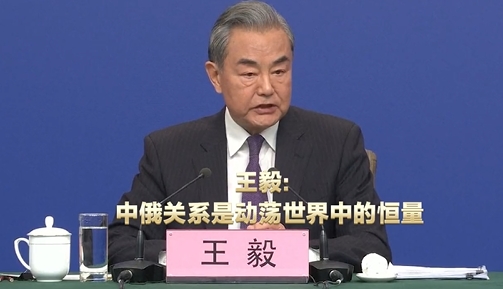
在兩會記者會上,王毅部長表示,中俄已探索出一條“不結盟、不對抗、不針對第三方”的相處之道。外交部
**哈米什·麥克唐納:**是啊,這就是我不太理解的地方。中國希望成為一個全球的主要力量,那為什麼不在與俄羅斯的關係中發揮影響力,去促成烏克蘭戰爭的結束呢?
**周波:**那是因為你是用歐洲人的視角來看這個問題。而中國在審視這段關係時,首先必須從雙邊的的角度來看待。
**哈米什·麥克唐納:**但中國也説過,比如説經濟增長需要依靠和平,全球的穩定是實現持續繁榮的前提。
**周波:**哦,當然了。關於“穩定”,那問題是什麼導致了不穩定?因為俄羅斯認為北約的擴張正是不穩定的根源。這説法也不無道理,因為普京和前任領導人最大的不同在於,他是那個説“夠了,到此為止”的人。從蘇聯時期開始,不論是戈爾巴喬夫、葉利欽還是普京,他們對北約的態度基本是一致的——北約不應該繼續擴張。但不同的是,普京決定採取行動,這就是他和前任領導人之間的區別。
**傑拉丁·杜格:**我覺得我們可能無法在這期播客中解決這個觀點分歧,但我想轉向另一個問題。你在書中提到一個顯而易見的重點:我們所有人面臨的最大問題是,如何避免中國與其他國家——不論“其他國家”是誰——之間爆發戰爭。而你的回答非常直接,也確實點出了台海局勢中的一個挑戰。你能不能概括一下你的觀點,讓我們聽聽你是怎麼看的?
**周波:**首先,我認為中國和美國之間發生戰爭也並不是不可避免的。我們可能爆發衝突的地方只有兩個:一個是南海,一個是台海。我把南海放在台海前面,這和很多人想的不一樣,這是因為美國一直在往南海派遣飛機和軍艦,我們有時候也會進行攔截。這就造成了一種非常危險的近距離接觸。
**哈米什·麥克唐納:**美國往南海派遣船隻和飛機去維護航行自由,這有什麼問題呢?
**周波:**這恰恰是問題所在。這些島礁是中國的領土,但美國不承認。問題是,美國自己並沒有批准《聯合國海洋法公約》,卻一直以“守護者”的身份自居。那我想問,如果這部法律真那麼好,為什麼你們不批准?如果它不好,你又為什麼用它來挑戰別人?
**傑拉丁·杜格:**但我還是想把話題拉回來。我看你在引言中寫到:“如何避免台海戰爭?我的回答很簡單——讓中國相信和平統一依然可能。”這句話非常特別。我還想補充一點:你沒有提到台灣人民。他們想要什麼?我們要怎麼達成一種共識,能讓每個人的權利都能被尊重?
**周波:**我之所以這麼説,是因為這是我對一個“十億美元級別問題”的最簡單回答。根據中國的法律,中國使用非和平手段的一個條件是:中國認為和平統一的前景已經完全喪失。因此,我們必須相信:“和平統一的前景還沒有完全破滅,我們還有耐心。”而現在中國正處於快速發展之中,這也引出了一個問題:中國會因此更有信心追求和平統一,還是會變得更沒有耐心,從而訴諸武力?
我認為讓中國政府相信和平仍然是可能的,這就意味着美國要有所剋制,台灣當局也要有所剋制。如果這些都能做到,我相信和平是有可能的。如果中國政府認為和平統一的途徑已經走不通了,那就會是一個完全不同的局面了。
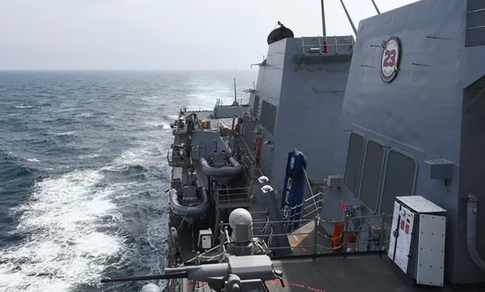
2024年5月8日,美軍導彈驅逐艦穿越台灣海峽
**哈米什·麥克唐納:**但實現統一的方式有很多種,很多人會拿香港舉例。所以台灣也完全可能在類似的情境下被“收回”,對吧?
**周波:**這種類比其實並不完全恰當。讓我換個例子説吧。疫情前,大約有150萬台灣人住在中國大陸,所以你不能想象兩岸是完全隔絕的。
150萬台灣人生活在中國大陸,這意味着大約有6%的台灣人已經在大陸居住了。人們總是提到大陸會用“大棒”,但大家往往忘了,大陸其實也給出了很多、很多“胡蘿蔔”。比如説,台灣人的孩子可以在福建省上幼兒園,就像我們自己的孩子一樣。他們還會有身份證,幾乎是一樣的身份證。
所以這150萬人説明了很多問題。這些人並不在乎生活在一個完全不同的社會和完全不同的政治體制中——只要這個社會能為他們提供更好的機會。而這些人都是中產階級以上的,所以我相信,隨着全球化的發展和人工智能的加速,就像世界上其他地方一樣,兩岸之間的融合也在加速。這也意味着,也許有一天,台灣人會覺得,成為這個地球上最強大國家的一部分,其實也不錯。
**哈米什·麥克唐納:**我對你如何看待中國未來作為全球大國的角色很感興趣。在中國對外傳遞的信息中,我們經常聽到提到“基於規則的國際秩序”。而與此同時,美國似乎正在放棄軟實力,似乎在把盟友當成敵人。如果美國不再扮演傳統的角色,那中國會如何定位自己?是要取而代之,還是另有想法?
**周波:**中國其實已經介入了。因為當世界其他地方看起來越來越混亂的時候,人們自然會把目光投向中國,提出和你一樣的問題。但中國會扮演怎樣的角色呢?我認為,中國更像是這個動盪世界中的“錨”或“穩定器”。
**哈米什·麥克唐納:**但如果中國想成為“穩定器”,那豈不是意味着要在中東衝突、歐洲衝突中扮演調解者的角色?那就得做一些現在中國在國際舞台上其實並不常做的事吧?
**周波:**我認為中國確實可以在中東和烏克蘭戰爭中發揮作用。現在俄羅斯和美國雖有溝通,但你跟我一樣看新聞,都知道普京提出的停火其實是有條件的,對吧?所以將來或許會有那麼一個時刻,所有主要大國,包括中國,都需要提供某種形式的集體安全保障。
**哈米什·麥克唐納:**你覺得中國真的會這麼做嗎?比如在烏克蘭或者中東?
**周波:**是的,我認為有可能,這要看局勢如何發展。如果最終的結局是一種“停戰”,那肯定需要安全保障。
**哈米什·麥克唐納:**那你覺得,拿烏克蘭為例,什麼樣的安全保障是可能的?
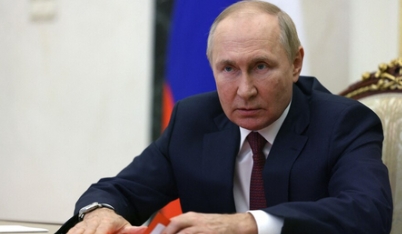
普京簽署關於烏東四地加入俄聯邦的條約
**周波:**比如説,俄羅斯已經宣佈將那四個州併入俄羅斯領土,但俄羅斯其實很難真正完全控制那四個州,因為烏克蘭至少還有歐洲的全力支持,甚至可能還有美國的支持。所以未來這四個州很可能會變成類似阿富汗的局面——烏克蘭人會像聖戰者那樣進行無休止的游擊戰。這就意味着俄羅斯永遠無法真正控制那四個地區。所以這也就意味着,所謂的“停戰協議”是有可能的。現在很多人都在談停火、停戰、或其他情境,而“停戰”是被討論最多的一個選項。
**哈米什·麥克唐納:**所以,首先想請問,中國的安全保障到底是提供給俄羅斯,還是烏克蘭?
**周波:**應該是對雙方都提供集體安全保障,因為雙方都不可能徹底戰勝對方,但兩邊其實都很害怕。大家都擔心一旦達成的停火被打破,會出現各種情況。這不僅是烏克蘭害怕,俄羅斯也害怕,害怕自己顯得孤立。所以俄羅斯才希望全球南方國家,比如中國、印度和巴西能參與進來。
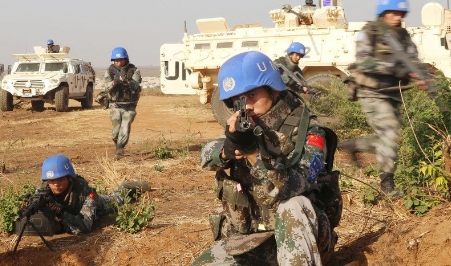
中國第4批赴南蘇丹(朱巴)維和步兵營組織應急演練
**傑拉丁·杜格:**你在書中也提到,中國其實在全球維和行動中發揮了很重要的作用,這點我以前並不太瞭解。如果有烏克蘭停戰的安排,中國願意派遣維和部隊去監督嗎?
**周波:**我認為,如果衝突雙方提出請求——這是進行維和的首要條件——那中國是可以這麼做的。因為中國是五個安理會常任理事國中出兵最多的國家,而且在全球維和方面的信譽毋庸置疑。所以我認為,中國可以和印度、還有其他全球南方國家一起承擔這個角色,再加上一些非北約的歐洲國家。畢竟這場戰爭發生在歐洲的心臟地帶,歐洲國家還是應該參與的,但不能是北約成員國。因為我想對俄羅斯來説,這些國家只會被視為“披着羊皮的狼”。
**傑拉丁·杜格:**也許我們該回到你這本書的標題:《世界應該害怕中國嗎?》你的答案明顯是“不應該”。那你能不能再展開説説這個觀點,尤其是在當前這種局勢非常不確定、誰都不知道接下來會發生什麼的時候。請你談談為什麼你認為中國其實可以在新的世界秩序中扮演一個建設性的角色?
**周波:**我們先看看中國過去40年的歷史。中國的崛起已經是人類歷史上的一個奇蹟了,這本身就已經説明了很多。我認為中國接下來要證明的是,中國即使強大了,也不需要以霸權的方式行事。這是中國面臨的下一個挑戰。我認為第一個問題我們已經解決了。現在要看中國能不能作為世界上最強大的國家之一,卻不走霸權之路。
這確實具有挑戰性,但我們有時間去觀察。如果中國過去40多年都能保持和平,那為什麼中國不能讓這個世界更安全呢?世界並不是西方看世界的那種單一視角。如果你從全球南方的角度看世界,我認為人們對中國的看法總體上是正面的。在非洲,絕大多數國家對中國都有正面印象。而在印太地區,情況比較複雜,但即便是去年,根據一份民調,在東南亞,人們對中國的好評其實是超過了對美國的評價。
**傑拉丁·杜格:**那印度呢?我能插一句嗎?中印之間似乎就更復雜一些。
**周波:**是的,確實如此。因為中印關係本來是不錯的,直到2020年在邊境發生了那場致命的衝突。但即便在那次事件中,我依然看到了一點積極的東西——那就是雙方都沒有選擇開槍。你不覺得很奇怪嗎?兩個世界上的現代化軍隊,卻用石器時代的方式在打架。這就説明,兩邊的士兵在潛意識裏都知道:不能開槍。
**哈米什·麥克唐納:**我們可能有點忽略了非洲部分國家和太平洋地區一些國家的感受——尤其是它們如今因為中國的貸款而揹負的債務和還債的義務。我想知道,在這樣的背景下,我們澳大利亞該怎麼看待這種關係?中國是想和我們做朋友,還是事情其實更微妙一些?
**周波:**這麼跟你説吧,我第一次出國訪問的國家,其實就是澳大利亞,那是在1990年。當時我是來擔任口譯員的,陪同中國飛行員在安塞特航空公司的模擬器上幫助中國飛行員培訓。安塞特如今似乎已經不存在了。但我在1999年又去了一次,當時我是澳大利亞皇家軍事學院的第一位中國訪問研究員,我在那兒待了三個月。所以我覺得,總體來説,中國人對澳大利亞的感情還是挺正面的。因為你們離我們很遠,是汪洋中的一個大島。理論上來説,我們之間不應該是敵人,但歷史上你們總是參與別人的戰爭。
**哈米什·麥克唐納:**是的,我們確實離得很遠。那為什麼中國海軍艦艇要繞行澳大利亞?這樣做的目的是什麼?我們又該如何解讀這種行為呢?
**周波:**那我也許應該提醒你們,為什麼你們的軍艦會開到離中國海岸線那麼近的地方?還有你們的軍機為什麼會入侵西沙羣島的空域?那是中國的領空。而且這種事你們不是做過一次兩次,是多次。
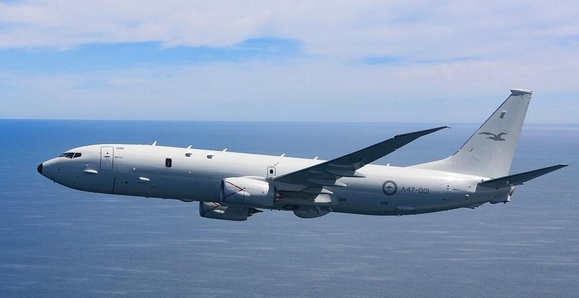
澳大利亞P-8巡邏機,曾未經允許侵闖中國西沙羣島領空
**哈米什·麥克唐納:**不過我們的官方立場是,我們是在確保國際貿易航道的航行自由。這兩者之間還是有區別的。
**周波:**那我是不是也可以借用你的話説,我們繞行澳大利亞也是為了同樣的理由,做同樣的事?
**哈米什·麥克唐納:**你是説你們繞行澳大利亞是為了運送貿易物資?是這個意思嗎?
**周波:**我的意思是,我們的艦艇也在澳大利亞周邊進行“航行自由”行動。
**哈米什·麥克唐納:**那目的是什麼呢?
**周波:**首先,那是公海,我們有權航行。沒有任何國際法規禁止我們那麼做。其實問題應該是問你們:你們為什麼要穿越台灣海峽?你們通過那裏是為了什麼?你們通過那兒其實沒有多少實質性的貿易,對吧?你們三分之一的貿易是和中國大陸進行的,軍艦並不需要穿越台灣海峽來運輸這些貨物。
**哈米什·麥克唐納:**所以你的意思是,我們應該從中得到的解讀就是:“你們別對我們這麼做”?
**周波:**我不認為中國政府曾經以這種方式表達過意見,但是國際法確實允許我們這麼做。但如果你們能捫心自問一下,我覺得那對你們也是好事。
哈米什·麥克唐納:(大笑)那我們就到這裏結束吧?
**傑拉丁·杜格:**哦,等等,我還特別想問你一個問題,就是關於“硬實力”和“軟實力”的。約瑟夫·奈(Joseph Nye)曾經説過,從長遠來看,軟實力往往勝過硬實力。比如説中國人民解放軍現在的裝備非常先進,你們的海軍也讓全世界都羨慕。但我想説,中國的軟實力其實並不強。儘管在“全球南方”你們的形象有所提升,但總體來看,中國的軟實力還是處於劣勢地位。你怎麼看,這是中國的短板嗎?
**周波:**我不這麼認為,這其實取決於你如何定義軟實力。就拿你剛剛提到的解放軍來説,目前為止,中國軍隊在海外的行動全都是人道主義性質的,不管是打擊海盜、維和,還是災難救援。我們的醫療船“和平方舟”已經環遊世界,為人們免費提供藥品和醫療服務,從不收費。這些都是中國展示其善意的努力。
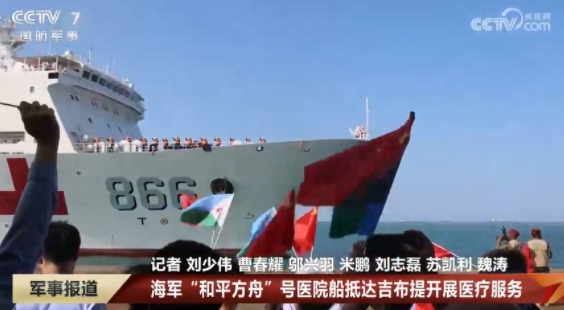
中國醫療船“和平方舟”
作為一名解放軍老兵,我的希望是:即使中國擁有世界上最多的軍艦,解放軍未來依然只做人道主義任務。因為殺人總能找到各種藉口,可是誰能記住那些藉口呢,對吧?但如果你只是去幫助世界各地需要幫助的人們,他們會感激你。而維和、打擊海盜、救災,這些事情的重要性,誰能否認呢?而這正是解放軍一直在做的事。在過去40年裏,你找不出一個例子説明解放軍在海外殺過一個人——這難道不值得稱讚嗎?
**哈米什·麥克唐納:**周先生,我們來自兩個經常彼此誤解、也不常直接交流的國家。所以我個人非常感謝你今天來跟我們交流。我也真心希望以後還能邀請你回來,繼續這場對話。我認為這比以往任何時候都更重要。
**周波:**謝謝你,哈米什,謝謝你,傑拉爾丁。這是一場有趣的、友好的爭論。
**傑拉丁·杜格:**我們可能還需要更多這樣的“友好爭論”。
以下為英文提要和採訪原文:
**Geraldine Doogue :**The man we’re going to meet, Zhou Bo, who we spoke to and we got good feedback on him. He’s a retired Senior Colonel. He has recently brought out a new book -- Should the world fear China? Now that’s an unusual book to emerge from China.
**Hamish Macdonald:**Zhou Bo, welcome to Global Roaming now. Can we start with the current moment? To be honest, the thing I really, really want to know is the way China is viewing this moment. There’s such chaos in the world, but how is that viewed from China?
**Zhou Bo:**Well, this is really a billion-dollar question. Actually, I myself have been struggling with this issue in part because I kind of dismiss the concept has been deep, deeply rooted, that is the so called “liberal international order”. To put a long story short, basically, I believe the international order now as in the past, is the same thing. It is a combination of different countries, different social system, different national identities, different cultures, and, above all, different civilizations. So just give you an example, people basically know more or less how the world look like after 16th century with this so called geographical discovery -- De Gamma discovered india and Columbus discovered America. So people then developed that general idea about how the world looks like. But if you just say the world order is kind of liberal international order, that was basically a kind of historic myopia. Because if that is true, that is very much Francis Fukuyama’s world—the end of history.
**Geraldine Doogue:**So you are saying that this is sort of Western imposition, aren’t you?
**Zhou Bo:**Yes, the time after the dissolution of Soviet Union and before the full rise of China, that looks at best like the liberal international order. But if you believe in that, then you become narcissistic. And if you find that you are not strong enough, then you start to look for enemies. So that is something very bad. But if you believe this world order is a composition, is a hybrid of a different civilizations, then you would tell yourself, how can I coexist with other people.
**Geraldine Doogue :**In a way, President Trump almost might agree with you. He seems to be imagining some sort of shared power and influence which has caused a great deal of shock in, you know, in parts of the West, as he decides he’s going to twin with people who certainly have had a very different view about the way powers are used. So, in a way, what you’re describing, wouldn’t you say slightly accords with his apparent view?
**Zhou Bo:**No, I don’t think so. Because Trump’s idea is to Make America Great Again. And this kind of Make America Great Again is basically to resume American hegemony, or dominance in the world, while China would consider itself a part of the world, no more than a pole.
**Geraldine Doogue:**Doesn’t he want to divide up the world? Isn’t that one of the things we’re learning that he has these spheres of interest?
**Hamish Macdonald:**He’s willing to give Europe to Russia. He’s willing to give maybe the Asia region to China, and allow America to concentrate on its own.
**Zhou Bo:**Your description is probably right. But the point is, first of all, sphere of influence is really an old concept, a very old concept, which should not be fitting for the 21st century. I’m always arguing that China, first of all, doesn’t have any spheres of influence. Even if China wants, China won’t have sphere of influence. Why is that? Most people would describe Southeast Asia as China’s backyard. But look at Southeast Asia, where we have quite a few countries that have territorial disputes with China in the South China Sea, where there are quite a few countries that are American allies. In Northeast Asia, the DPRK won’t necessarily listen to China. So where is your sphere of influence? So the conclusion is, if China doesn’t have sphere of influence, then you don’t need to establish it. You just go to the rest of the world to make yourself more influential. Influence and sphere influence are two different things. Because China’s influence is already global, china doesn’t need to seek sphere influence. If you seek sphere of influence, you have to have allies, which itself is costly and difficult to maintain. Why would you try to do that?
**Geraldine Doogue:**Very interesting. So you’re putting the idea that there’s absolutely nothing imperialistic at all about the way China is approaching international affairs, and that you have this very interesting diagnosis of China’s temperament. At the moment, you say that it is still full of victimhood, which doesn’t help China’s growth. Now, why do you say it’s not helpful to your own country’s growth?
**Zhou Bo:**Yes. A lot of Chinese believe in this kind of victimhood. That is right, because China certainly was invaded after 1840. But if we talk about 100 years of humiliation, that even in theory, mathematically speaking, should finish by 1940 and People’s Republic of China was established in 1949 when Mao Zedong declared that the Chinese people have stood up. Then Chinese people have stood up. Then the century should have finished, right? This kind of victimhood actually wouldn’t help China, because it might lead to nationalism, because you feel that you are wrongly treated by other people. So if you become strong, then you may just make other people nervous. China is certainly a developing country, if its population is divided, if its economy strength is divided by its population. But then there is really a possibility that China could still become the largest economy in the world. So can the largest economy in the world be also a developing country? If yes, so, what is the point of dividing countries into developing country and developed country? If China becomes the strongest nation on this, how can you still have victimhood? Do you still describe yourself as victim?
**Hamish Macdonald:**Okay. But this is part of what America’s complaint about China is, right? That you have leveraged the position of developing nation status to your own advantage. This is part of the whole argument against Western developed nations throwing money into the climate transition, because countries like China are classified as developing and therefore don’t have the same impost in terms of responding. That scene is unfair, because, as you point out, you might become the biggest economy in the world.
**Zhou Bo:**The irony is that, because Chinese are wearing too many hats, all of them are true. So that confuses everybody including Chinese. We are the second largest economy by GDP, but we are the largest by PPP. Then China is certainly the largest trade nation on earth. China is the largest exporter. China is the largest industrial nation, but China, not a long time ago, is also the most populous country on earth.
Hamish Macdonald:So why is China afraid to admit its power and its might?
**Zhou Bo:**I think because there is a truth, a grain of truth in every aspect. China is wearing too many hats. So it depends on really who you are talking to, right? And it also depends on where you are standing if you look at China.
**Hamish Macdonald:**Respectfully, Zhou, I’m feeling a bit of that too many hats in listening to your explanations. Like you talk about China not really wanting or needing allies, but there is this no-limits partnership with Russia. How does that all fit together?
**Zhou Bo:**I’m glad you brought up this question, because -- let me just try to persuade you in the most simple way. If I say, for example, Hamish, I say I want to develop my friendship with you. And then let’s hang on for a moment, Hamish, our friendship has to be limited. What do you think? So this kind of unlimited friendship is basically an expression of good wishes for this kind of friendship to go on.
**Hamish Macdonald:**But China is not saying that to all its friends. I mean, it does say friendships have limits. I mean, it said that to us here in Australia. We’ve gone through times of really building the friendship, and then there’s been moments where China said, “No. You know, there are issues here.”
**Zhou Bo:**Maybe I can try to convince you another way. Although this friendship is described as unlimited in the same document where this very word was mentioned just one or two sentences after this, we have maintained that is not one of military alliance. So this war has demonstrate exactly how China, in spite of this friendship, has bottom lines. China has discouraged any use of nuclear weapons. China has not provided any missiles or military aid to Russia.
**Hamish Macdonald:**Yeah, this is, you know, something that I just don’t understand, right? China does aspire to be a major global power. Why not exercise its influence in this relationship with Russia to bring about an end to a major conflict in Ukraine?
**Zhou Bo:**Well, that is because you are looking at this issue through the prism of a European. When China examines this relationship, first of all, China has to look at this relationship from bilateral basis. So the war…
**Hamish Macdonald:**But I’m also listening to what China is saying about the need for economic growth to rely upon peace, the need for stability on our planet to ensure ongoing prosperity.
**Zhou Bo:**Oh, of course. On stability, the question is, what cause instability? Because Russia would consider NATO’s expansion the very source of instability. And there is some truth in it, because – Putin, what makes him different from his predecessors? He’s a man who said “enough is enough.” Because from the Soviet time, that is from Mikhail Gorbachev to Boris Yeltsin to President Putin, they all think in the same light, that is NATO should not expand. But Putin is a man who said “enough is enough”, and he decided to do something that is different between him and his predecessors.
**Geraldine Doogue:**I don’t know that we’re going to solve this difference of opinions on this podcast, but I would like to move to another, question you make the obvious point in your book. The biggest question facing us all is how war can be avoided between China and others, whoever those others may be. Well, your answer is pretty blunt, and it’s a real challenge about China and Taiwan. Now, could you outline that please, so we can hear how somebody like yourself sees it?
**Zhou Bo:**Yeah. First of all, the chance of China having a war, even with the United States, is not inevitable. There are only two places where we might have the wars or conflicts: the first is South China Sea, the second is Taiwan Strait. I put South China Sea in front of the Taiwan Strait, contrary to what most people think, just because Americans keep on sending aircraft and ships to come to South China Sea, where we sometimes would do interceptions. Because this would create kind of a very dangerous close-distance encounters.
**Hamish Macdonald:**What’s the problem with America sending ships and an aircraft to monitor freedom of navigation in the South China Sea? It’s not Chinese territory.
**Zhou Bo:**Well, that’s exactly the point. Chinese believe these islands and rocks are Chinese territories, while the United States would not, you know, agree to that. That is fine. But then the point is, the United States is not a country that has actually ratified the UN Convention Law of Sea, but it is behaving as if it is guardian of the Law of the Sea. Then my question is, if the law is so good, why don’t you ratify it? If they’re not good, why would you challenge other people in the name of it?
**Geraldine Doogue:**But look, I want to bring you back. I read in your introduction, “how can war be avoided in the Taiwan Straits? My answer is simple: let China believe that peaceful reunification is still possible”. It’s an extraordinary sentence from you. I might add, there was no mention of the Taiwanese people in that. What the Taiwanese people might like? How do we come to some sort of understanding about a move forward where everybody’s rights are respected?
**Zhou Bo:**Well, I talked about that because that is my most simple answer to a billion-dollar question. Because, according to China’s law, one of the conditions for China to use non-peaceful means is that Beijing felt that the prospect for peaceful reunification is exhausted forever. Therefore we have to believe that, “okay, this kind of prospect for peaceful reunification is not exhausted, so we would have patience,” right? So China is growing with strength, and that invites a question: whether China would be more confident to have peaceful reunification, or China would become more impatient to use force?
My view is that we have to let Chinese government to believe that peace is still possible, and that would mean restraint from the United States. That means restraint from the Taiwanese authorities. So with all these, I believe peace is still possible. If the Chinese Government believe peaceful reunification is not possible, then, it’s a totally different story.
**Hamish Macdonald:**There are also many different ways that this could happen, right? So many people point to the Hong Kong example. There’s many scenarios in which Taiwan could be taken back, isn’t it?
**Zhou Bo:**Well, this kind of analogy is not absolutely all right. Let me give you another example. Before COVID, there was about 1.5 million Taiwanese people living in mainland. So you just cannot imagine as if the two sides are all separated. No.
**Hamish Macdonald:**I’m interested in what you think China’s role as a global power is moving forward. There’s a lot of talk in China when you hear the communication of the outside world that refers to the international rules-based order. And we have an America that seems to be giving up on soft power, seems to be turning allies into enemies. What role does China play then, if America is not going to play that traditional role?Does China want to step in and be that player, or is it something else?
**Zhou Bo:**Let me tell you, if there are 1.5 million Taiwanese people living in mainland China. That means 6% Taiwanese people were already living in mainland China. And people always mentioned how China would use sticks, but people forgot, China also has offered a lot, a lot of carrots. For example, the children of Taiwanese could actually go to kindergartens in Fujian province, like our children would do. They would have ID cards, almost same ID card. So those people, 1.5 million people, tell a lot. These people do not care to live in a totally different society with a totally different political system, so long as this society can provide them better opportunities. And these people, are middle-class people and above, right? So I believe with globalization, with the acceleration of AI, the integration between mainland China and Taiwan is also accelerating, like in any parts of the world. So that means maybe one day Taiwanese people would consider it’s not that bad to be part of the strongest nation on earth.
**Zhou Bo:**China has already stepped in. Yeah, because when the rest of the world looks more chaotic, people definitely will look up to China to ask the same questions as you did. But then how would China look like? I think China would look more like a kind of anchor or stabilizer in this volatile world.
**Hamish Macdonald:**But wouldn’t that involve playing the role of dealmaker when it comes to conflict in the Middle East or conflict in Europe? Wouldn’t it actually involve doing something quite different to what China does on the global stage?
**Zhou Bo:**I believe China does have a role, both in the Middle East and in the war in Ukraine. Because right now Russia and the United States are talking but you read newspapers like I do, so actually, President Putin’s offer of ceasefire is just conditional, right? So maybe there could be a time when all the major powers, including China, would have to provide a kind of collective security guarantee.
**Hamish Macdonald:**Can you see China doing that, for example, in Ukraine or in the Middle East?
**Zhou Bo:**Yeah, I think so, because it depends on how the situation develop. If the end game is a kind of armistice, then it needs security guarantee.
**Hamish Macdonald:**What would be the security guarantee that you could imagine? Let’s just take Ukraine as the example.
**Zhou Bo:**For example, Russia has claimed the four oblasts as Russian territories, but Russia can hardly really have full control of the four oblasts, because Ukraine is wholly supported by Europe, at least, If not by America. So that means these four oblasts in the future could very much become like Afghanistan, where Ukrainians would behave like Mujahideens to have endless guerrilla warfare. That means Russia can never have full control of the four regions. So that means there could be a possibility of so-called armistice. Because many people talk about the ceasefire, armistice and another scenario, but armistice is the one that is talked the most.
**Hamish Macdonald:**So starting on who’s China offering the security guarantee, to the Russians or the Ukrainians?
**Zhou Bo:**Well, it has to be a collective security to both sides, because they could not win over others. But both sides are afraid. What about the ceasefire is broken, for different reasons? It’s not only that Ukraine is afraid. Russia is also afraid, at least of looking lonely. So that is why Russia would want, you know, countries from Global South that is China, India and Brazil, to be involved.
**Geraldine Doogue:**And you make the point in your book about how many peacekeepers that China actually plays a big role in peacekeeping operations around the world, which I must say, I wasn’t quite aware of. Would China be happy to send peacekeepers to monitor the Ukraine armistice?
**Zhou Bo:**I think if there is a request from the warring parties, which is the first condition for peacekeeping, then I think China can do that because China is the largest troop contributing country out of P5 and in terms of China’s credibility in peacekeeping, it is never doubted. So China, along with India, with some other Global South countries, would be most, most suitable for this role, plus some non-NATO countries from Europe. Because this anyway, is a war in the heartland of Europe. So European countries can still be involved, but they should not be any NATO countries, because for Russia, these countries will simply be wolves in sheep’’ clothing, I believe.
**Geraldine Doogue:**Maybe we should go back to the title of your book, Should the world fear China? Now, you’re clearly saying, “No, it should not.” Develop that idea, particularly at the moment when everything is so fluid and no one quite knows how it’s going to unfold in the next little while. Tell us why you think China, in fact, could play a constructive role in this new world order.
**Zhou Bo:**Well, let’s look at China’s history in the last 40 years. China’s rise is already a miracle in human history. So this is already proved it. I think the next thing China needs to prove is that even if China is strong, it doesn’t have to behave like a hegemon. That is the next challenge. I think China has already solved the first problem. We have to wait and see whether China can actually behave like the strongest nation on earth, but not a hegemon. That is challenging, but we have time to wait and see. But if China can achieve, you know, peace in the last 40 years and plus, why just can’t China make the world safer? The world is not how the West look at it. If you look at this world, in Global South, I think people’s perception about China is more or less positive. In Africa, certainly, most of the countries would have positive views of China. Then in the Indo-Pacific, this picture is a little bit patchy, but even last year, China’s impression in the Southeastern Asia actually prevails over people’s impression of the United States according to a poll.
**Geraldine Doogue:**With India, can I just pop that in with India? It has been quite a lot more complicated.
**Zhou Bo:**Yes, that is true, because, India’s relationship with China was good, but until we had the deadly brawl in the border in 2020. But even in that incident, I still see something positive, that is neither side decides to shoot at each other. Isn’t it strange that the two modern armies in the world were fighting in a Stone Age manner, so that means the soldiers on both sides know subconsciously that they should not shoot at each other.
**Hamish Macdonald:**We might be somewhat skimming over the feelings in parts of Africa and parts of the Pacific about the debt levels and the obligations that those countries have now to China because of the loans that were granted to them. I wonder, then, where that leaves us here in Australia, does China want to be our friend, or is it something a little more nuanced?
**Zhou Bo:**Let me tell you the first country that I visited was actually Australia in 1990. That was my first trip to Australia, working as an interpreter for Chinese pilot training on simulator of Ansett Australia, which does seem to exist anymore. But I was back in 1999 when I was the first visiting fellow of the Royal Military College in Duntroon, where I stay for three months. So I believe, generally speaking, Chinese People’s feelings toward Australia is quite positive, because you are far away from us. You are a big island in the ocean. Theoretically you should not be enemy, but historically, you always fought other people’s war.
**Hamish Macdonald:**Yes, we are far away. Why are Chinese naval ships circumnavigating Australia? What’s the purpose of all of that? How do you want us to interpret that?
**Zhou Bo:**Well, maybe I should remind you why your ships would sail so close to Chinese shore? And why would your aircraft penetrate into the airspace of Paracel Islands, which, according to Chinese, is China’s airspace? And you did it more than once for all these kinds of things, and the Chinese ships sailing…
**Hamish Macdonald:**I think our position, though, our formal position, is that we’re ensuring that there’s free passage through international trade routes. So there is a bit different.
**Zhou Bo:**Can I just borrow your words to say, we are doing exactly the same thing around Australia, for the same reason?
**Hamish Macdonald:**You want to send trade around the bottoms of Australia. Do you?
**Zhou Bo:**No. I mean, our ships are also doing kind of freedom navigation around Australia.
**Hamish Macdonald:**For what purpose?
**Zhou Bo:**Right. First of all, that is high seas we can sail. There’s no international rule, you know, restricting that. And actually, the question is for you. Why would you sail through Taiwan strait? What is the purpose of you sailing through Taiwan strait? There is not much business for you to go through there, right? One third of your trade is done with China. The warships don’t have to carry all these goods through Taiwan strait.
**Hamish Macdonald:**So the interpretation that you think we should take from this is, “don’t do it to us.”
**Zhou Bo:**Well, I don’t think the Chinese government has ever talked about like that, but the international law would allow us to do that. But if you ask yourself, do some soul-searching, I think it is good for you.
Hamish Macdonald:(laughter) Should we leave it there?
**Geraldine Doogue:**Oh, well, I just really wanted to ask you about hard and soft power. Joseph Nye talks about the fact that long-term soft power often wins over hard power. You know, there’s the PLA equipped in an extraordinary way. You’ve got a navy that is the envy now of the world. But your soft power, I would argue, to you, is really not great. You’re on the back foot despite those changes in the Global South, do you see this as a deficit for China?
**Zhou Bo:**I don’t think so, because it really depends on how you define soft power. Let me just raise the PLA you have mentioned. So far PLA’s operation overseas are all communitarian in nature, be it counterpiracy, peacekeeping or disaster relief. And our hospital ship, Peace Ark, has been sailing around the world to give free medicine and free medical treatment to people without charging anything. And this is the Chinese efforts to show that its intentions are benign. My hope as a PLA veteran is that I hope PLA will always do humanitarian operation in the future, even if China has the largest number of ships. Because you don’t have to kill people with all kinds of excuses whatsoever. Who can remember all these excuses? But if you just do humanitarian aid to people of the rest of the world, people would be grateful to you. And who can disagree the importance of peacekeeping, counterpiracy and disaster relief?And this is exactly what PLA has been doing. You cannot give me a single example that the PLA has killed anyone overseas in the last 40 years. Isn’t that impressive?
**Hamish Macdonald:**Zhou, we come from two countries that often don’t understand each other very well, and often don’t talk directly to each other very much. So personally, I want to say thank you for coming on and discussing with us. And I actually hope that we can have you back and continue this conversation. I think it’s as important as ever.
**Zhou Bo:**Thank you, Hamish and Geraldine. This is an interesting friendly quarrel.
Geraldine Doogue:[Chuckles] Friendly quarrel, we may need more friendly quarrels.

本文系觀察者網獨家稿件,文章內容純屬作者個人觀點,不代表平台觀點,未經授權,不得轉載,否則將追究法律責任。關注觀察者網微信guanchacn,每日閲讀趣味文章。