桑賈爾·瓦列耶夫:“中間走廊”和中吉烏鐵路是競爭性項目?我想做點解釋-桑賈爾·瓦利耶夫
guancha
在全球經濟承壓、地緣格局深刻重塑的背景下,中亞地區站上了新的發展風口。第二屆“中國—中亞峯會”召開前夜,北京對話和觀察者網與烏茲別克斯坦外交政策研究中心主任、地區重要戰略學者桑賈爾·瓦列耶夫博士連線對談,話題圍繞中國+中亞五國“六國”合作機制、中烏雙邊關係及區域一體化前景展開。
瓦列耶夫指出,中亞國家共享歷史文化紐帶,但資源稟賦與經濟結構多樣,在差異中孕育協同潛力。隨着區域聯通不斷加強,中亞正邁向一個更具活力與韌性的統一市場。他強調,本次峯會不僅是高層戰略對話的重要場域,更是中亞各國在多變世界中共謀發展、釋放潛能的關鍵時刻。
以下為採訪全文。
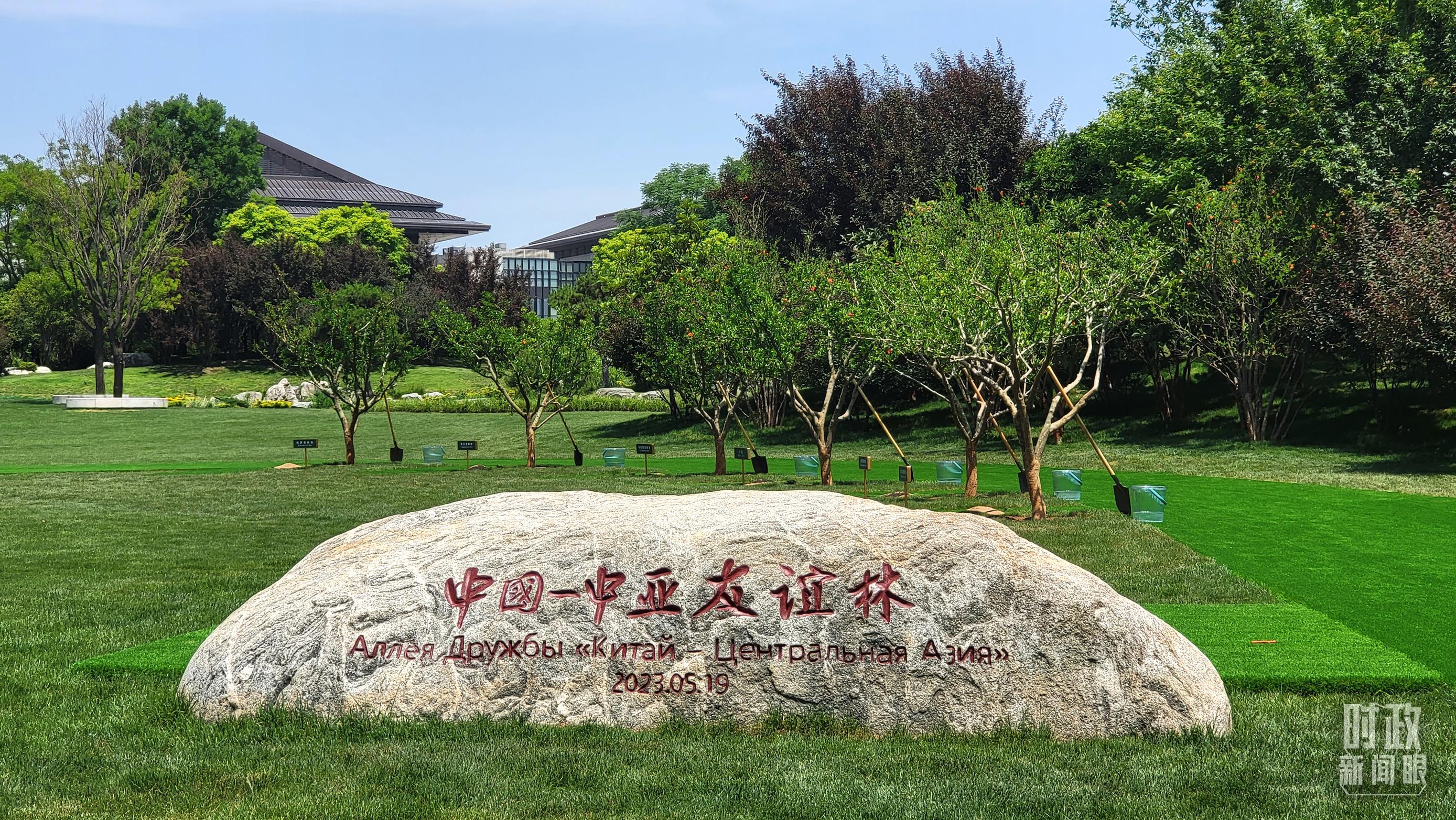
2023年,首屆中國-中亞峯會在西安召開。中國國家領導人和中亞五國元首共同種下六棵石榴樹,象徵着六國像石榴籽一樣緊緊團結在一起。央視新聞
韓樺:烏茲別克斯坦是中亞地區首個與中國建立新時代全天候全面戰略伙伴關係的國家。烏方如何看待這一特殊的夥伴關係?
**瓦利耶夫:**首先,我想強調的是,這件事在烏茲別克斯坦受到了高度重視,並被視為現代外交的一項重大成就。與中國這樣一個充滿活力的全球大國將雙邊關係提升至如此前所未有的高度,為我國開闢了廣泛的機遇。
從象徵意義上講,這種夥伴關係的高規格不僅體現了兩國對彼此的戰略重要性,也彰顯了雙方在建立基於深厚信任和長遠視角的友好關係方面的堅定信心。
若着眼於實際成就,基於具體事實可以説,中國近年來已成為烏茲別克斯坦最重要的合作伙伴之一,並積極支持我國的全面發展與現代化建設。自2017年起,中國已成為烏茲別克斯坦最大貿易伙伴,而截至2023年,中國更成為我國最大投資國。
近期,在全球地緣政治與地緣經濟格局演變的背景下,雙邊深化合作的新機遇不斷湧現。例如,交通和物流領域具有巨大的潛力。一個典型例證是中吉烏鐵路開工建設——由於需要解決各類問題,該項目此前長期處於籌備階段,如今終於落地。
實際上,這樣的例子還有很多。綜合來看,這些成就清晰地體現了新時代全天候全面戰略伙伴關係的內涵。
韓樺:您提到了中吉烏鐵路的建設,目前該項目進展如何?遇到了哪些困難?
**瓦利耶夫:**就在最近,也就是今年4月29日,吉爾吉斯斯坦舉行了該項目關鍵點位的動工儀式,標誌着工程進入實質性建設階段。具體而言,首批啓動的是納倫、科什託巴和費爾干納山隧道羣,總長度達37公里。
該項目的一個顯著特點是,每逢關鍵建設節點都會舉行由三國高層代表出席的官方儀式。實踐證明,這種做法在多個層面成效顯著:首先,確保了建設過程與進度的完全透明;其次,通過更高效的監督機制保持施工進度,確保項目按時間表推進;第三,便於現場協調並解決突發問題或挑戰。
這種模式可以讓我們相信,這條全長532公里的新線路將按時投入使用。
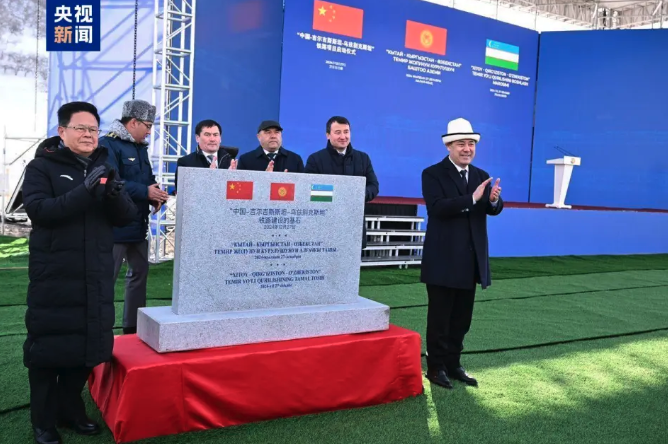
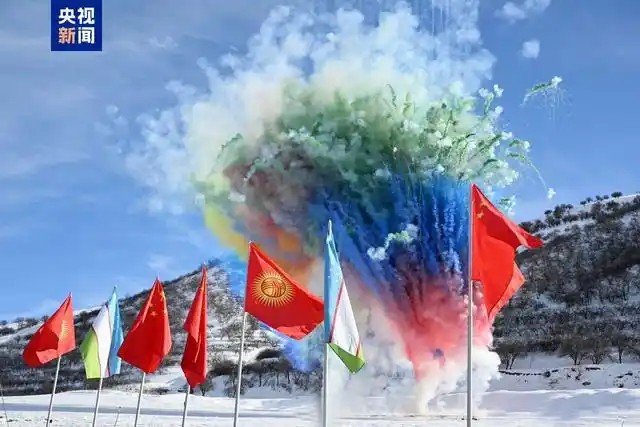
吉爾吉斯斯坦當地時間2024年12月27日12時,中吉烏鐵路項目啓動儀式在吉爾吉斯斯坦賈拉拉巴德舉行。
至於過去面臨的障礙,我想重點談談最主要的挑戰:多年來,該項目一直被認為在經濟上不可行;此外,中國與吉爾吉斯斯坦不同的鐵路軌距標準,也為項目實施帶來了技術難題。
但時代在變遷,客觀環境不斷演化,各國經濟的需求與承載能力也在持續增長。最新評估顯示,該項目藴含巨大潛力且具備經濟可行性。如今,我們正迎來項目落地的最佳時機。令人振奮的是,三國政府都認識到了利用這種戰略增長點的重要性。
韓樺:這對中亞中間走廊的發展以及中國和烏茲別克斯坦與該地區其他國家的間聯繫會帶來什麼影響呢?
**瓦利耶夫:**我想回應一個常見的觀點,即認為 “中間走廊” 與中吉烏鐵路是競爭性項目。
事實上,這兩項倡議服務於完全不同的地理和戰略方向。如您所知,“中間走廊” 旨在通過裏海和南高加索連接中國與歐洲,而中吉烏鐵路則主要聚焦於為中亞、南亞及中東國家的貨物運輸提供便利。
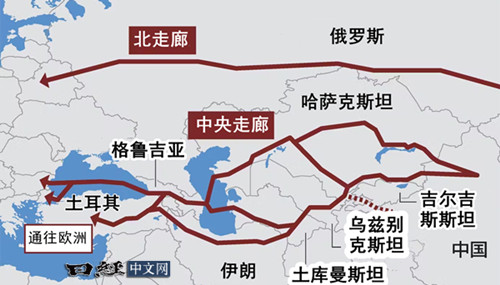
經由中亞及高加索連接中國和歐洲的鐵路網被稱為“中間走廊”(中央走廊)。日經中文網
綜合來看,這兩個項目都是泛歐亞陸路運輸網絡的重要組成部分。這一網絡最終將把中國與歐亞大陸的各個角落連接起來。若以上海合作組織的視角審視,一個充滿潛力的成員國互聯互通藍圖正逐步成型。
這條新鐵路幹線的建成終將惠及所有周邊國家,而我們中亞地區也將重新迴歸歷史定位,成為全球貿易中連接廣袤歐亞大陸的樞紐。
韓樺:您提到的許多前景都與烏茲別克斯坦在阿富汗的鐵路項目有關。貴國目前如何與喀布爾塔利班新政府建立關係?烏茲別克斯坦如何看待中國在阿富汗問題以及其他地區安全問題上的立場和做法?
**瓦利耶夫:**首先我想強調的是,烏茲別克斯坦是目前唯一一個在阿富汗擁有建設和運營鐵路實際經驗的國家。在眾多合作伙伴的支持下,我們成功修建了從烏茲別克斯坦城市鐵爾梅茲到阿富汗重要樞紐馬紮裏沙里夫的鐵路,開創了先例。
今年是這條鐵路成功投入運營的第15個年頭。這一項目的成功讓我們有信心制定更宏偉的計劃,以進一步拓展阿富汗的鐵路聯通。
正因如此,我們的交通部與烏茲別克斯坦國家鐵路公司正與阿富汗合作伙伴及其他相關國家緊密協作,積極推進 “跨阿富汗走廊” 項目。
這一建設工程涉及複雜的山地地形,需要先進的工程技術和大量資金投入。當然,由於阿富汗當前特殊的政治局勢以及臨時政府與許多國家和國際組織(包括金融機構)的關係,還存在許多風險和有待解決的問題。
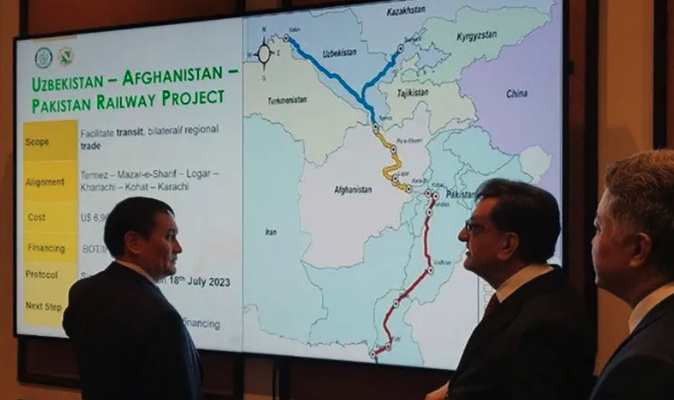
烏茲別克斯坦-阿富汗-巴基斯坦鐵路項目示意圖
烏茲別克斯坦是最早與阿富汗新當局開展對話的國家之一,並持續採取措施維持建設性的烏阿互動。我們的立場基於這一認知:作為阿富汗的近鄰,我們別無選擇,只能與我們周邊的所有國家保持友好睦鄰關係。現在很明顯,若阿富汗的鄰國不在其重建國家機構和經濟的關鍵時期提供支持,整個地區都將面臨嚴重後果。
值得注意的是,塔利班政府在國家治理中也展現出責任感,並有意構建可預測的長期合作關係。因此,我們正見證雙邊關係在政治、安全、環境合作、經濟、人道主義援助及運輸物流等領域取得切實進展。比如,就在上個月,烏茲別克斯坦和阿富汗就阿姆河水資源的共同使用達成協議。這是中亞國家在跨境水資源協同管理方面邁出的重要一步。
尤為關鍵的是,我們的區域倡議與努力得到了中國的充分理解與支持。貴國政府始終堅定致力於建設性對話與互利合作——這一理念同樣體現在與喀布爾的關係中。中國在阿富汗問題上的外交努力,切實反映了其對推動阿富汗持久和平與社會穩定的真摯承諾。
2023年9月,中國成為世界上第一個向喀布爾派遣大使並接受阿富汗臨時政府駐華大使的國家。這一舉措極具象徵意義,為其他國家採取同樣負責任且靈活的外交方式樹立了典範。同樣重要的是,中國在支持阿富汗人民的人道主義倡議以及在阿富汗發展方面提供的廣泛幫助。這種支持的具體體現是阿富汗被納入“一帶一路”倡議下的中巴經濟走廊。
總之,分析烏茲別克斯坦與中國對阿富汗的政策可見諸多相似之處:兩者均基於務實對話與互利合作。在這一事務上,我們在所有國際和地區平台上攜手合作。我堅信,今年即將在中國召開的上海合作組織峯會,將就阿富汗問題作出具有里程碑意義的決策。
韓樺:中國和烏茲別克斯坦之間還有哪些潛在的合作領域?
**瓦利耶夫:**近年來,我們在發展務實合作的結構和內涵方面取得了飛躍性的進步,兩國經濟的互聯互通已經成為一個實實在在的現實。
下一步的重點在於提升合作質量。我們必須突破基礎設施建設、油氣貿易、商品交易等傳統經濟合作領域的侷限。我堅信,未來的經濟增長將源於兩國在新能源、數字經濟、現代農業及科技創新等新興領域拓展的合作。
政策層面的優先佈局同樣關鍵。鑑於中國在綠色發展領域的豐富經驗,建議擴大綠色金融、創新技術等領域的教育交流,這些合作可以支持烏茲別克斯坦在“烏茲別克斯坦—2030”戰略下實現其環境目標。
數字合作應當成為我們未來發展的基石。中國近期在科技與創新領域取得了前所未有的成就,一個突出的例子是備受討論的人工智能模型DeepSeek。據報道,其成本效益較西方同類產品高出數百倍,且已接入多家政府機構和企業的運營系統。
唯有藉助技術與創新,我們才能突破資源依賴,向可持續發展模式轉型。構建互聯互通的數字基礎設施,以促進技術與最佳實踐的交流共享,將為醫療、教育、公共管理及工業等領域開拓全新發展前景。
韓樺:在全球經濟面臨氣候變化、保護主義抬頭及衝突加劇等多重挑戰的當下,烏茲別克斯坦如何應對這一局面?
**瓦利耶夫:**烏茲別克斯坦對當今世界存在的風險及其對本地區的影響保持着清醒而現實的評估。
與中國一樣,我們始終致力於應對全球變暖。2017年,烏茲別克斯坦簽署《巴黎協定》,承諾到2030年將單位GDP的温室氣體排放量減少35%,並將綠色能源在總髮電量中的佔比提升至50%。
為實現這些目標, “烏茲別克斯坦-2030” 國家發展戰略中納入了12項優先目標,旨在應對氣候相關挑戰,包括保護自然資源、擴大替代能源使用,以及在各經濟領域推行節能實踐。
我們已經取得了顯著的進展。例如,作為國家 “綠色空間” 倡議的一部分,我們去年共種植了1.38億株喬木和灌木幼苗,新建257座綠色公園,並在乾涸的鹹海湖牀及周邊地區種植了21.5萬公頃的植被。
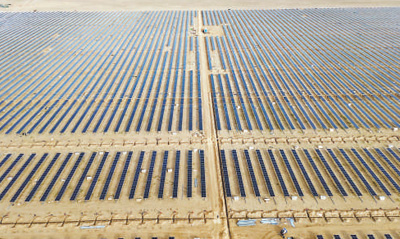
2024年,由中國能建葛洲壩海外投資有限公司投資的烏茲別克斯坦1吉瓦光伏項目首期400兆瓦實現併網發電。(張志國 攝)人民日報
與此同時,烏茲別克斯坦正在推進的改革與現代化進程,恰逢全球範圍內去全球化和保護主義措施不斷加劇的時期。
我國的原則立場基於對多邊主義和全球化利益公平分配的承諾。因此,我們正積極推動加入世界貿易組織的談判進程——成為WTO成員國將成為烏茲別克斯坦融入全球經濟漫長征程中的歷史性里程碑。
相應地,我們主張為全人類的可持續發展創造有利條件。在國際舞台上,烏茲別克斯坦與志同道合的國家一道,支持開放、公平、互利的合作,致力於構建一個以各國各民族共同進步為優先的和諧世界。
韓樺:中亞地區如何看待中國—中亞合作機制?對即將舉行的峯會及整體的多邊合作又有哪些期待?
**瓦利耶夫:**兩年前,首屆具有歷史意義的中國—中亞峯會開啓了合作新紀元。這一里程碑事件的成功,無疑得益於中國國家領導人提出的一系列連貫倡議,這些倡議得到了地區所有國家元首的全力支持。在各國領導人的政治意願和共同努力下,這一合作模式已迅速證明它是一個建立在信任基礎上的對話和富有成果的務實合作的高效平台。
烏茲別克斯坦將 “中國—中亞” 平台視為具有前瞻性夥伴關係的長期框架——它支持將我們所在的地區轉型為穩定、可持續發展與技術進步的區域。如今,“新中亞” 已成為以相互尊重、睦鄰友好、開放包容與建設性合作為特徵的空間。我們已經進入了一個更高級別的階段,即在關鍵發展問題上建立系統性和基於信任的對話。
近年來最重要的成就之一是我們在持續解決即便最複雜的地區挑戰。近期一個令人振奮的例子是,烏茲別克斯坦、塔吉克斯坦和吉爾吉斯斯坦在胡佔德簽署了具有歷史意義的三國邊界交界點協議。
無論是地區內貿易,還是與包括中國在內的其他國家的經濟交流,都在穩步增長。2024年,烏茲別克斯坦與中亞國家和中國的貿易總額達到了200億美元——在過去五年中幾乎翻了一番。
烏茲別克斯坦與中亞和中國夥伴設立的合資企業數量已超過5000家。去年,烏茲別克斯坦接待了850萬來自周邊國家的遊客——哈薩克斯坦和吉爾吉斯斯坦公民可憑國內身份證件入境,中國公民則享受30天免籤待遇。
這一切都生動展現了貿易、產業合作及人文交流已躍升至全新的層級。中國始終支持中亞國家在政治、經濟等領域的倡議。如今,中國已穩居該地區國家主要貿易與投資夥伴之列。
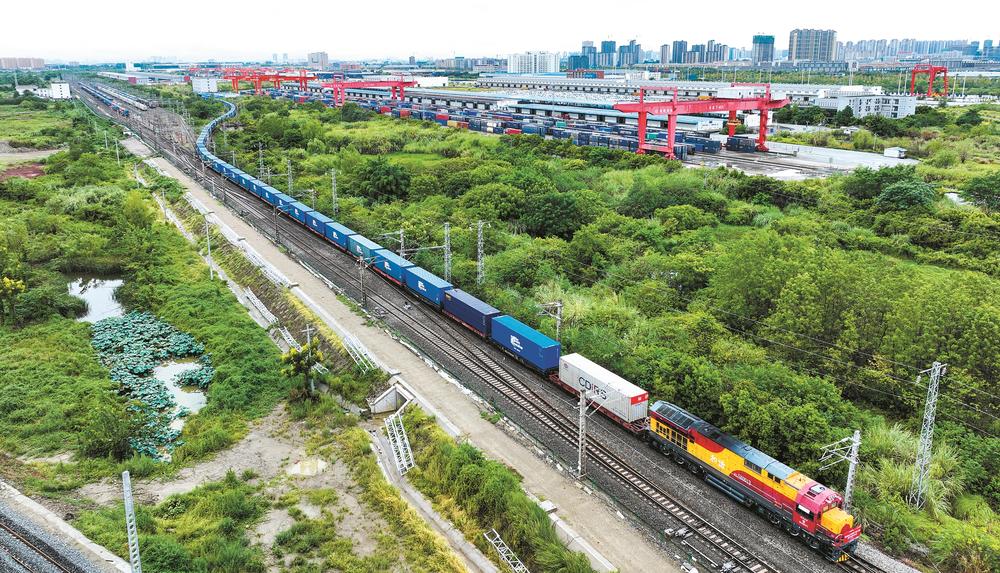
5月11日,一列滿載冰箱配件、加氣站設備和百貨等貨物的國際貨運班列緩緩從成都國際鐵路港駛出。該班列將經霍爾果斯口岸出境,最終抵達烏茲別克斯坦塔什干,全程4853公里,預計10天左右到達。成都日報
正因如此,所有中亞國家都期待即將召開的第二屆峯會能達成突破性協議並落地具體項目——這一合作機制已憑藉其高效務實的特質贏得廣泛認可。在政治層面,面對全球局勢動盪與國際格局演變,彰顯地區團結及共同維護穩定與可持續發展的決心至關重要。經濟領域的關鍵突破點在於啓動深層次、長期性的科技合作基礎建設,尤其是在創新驅動型產業。人文交流方面,各國民眾對通過知識與文化互動深化相互認知的需求與日俱增。
本質上,我們期待的是與中國在安全、發展、文明對話等全球倡議上相契合的實質性項目。從這個意義而言,中亞有潛力成為這些倡議在特定區域成功實踐的 “試驗田”。目前所需的條件已初步具備,各國也熱切期望與中國攜手釋放合作機遇。
韓樺:許多地區外的觀察者往往以籠統的視角看待中亞,未能深入區分各國的差異。您認為他們忽略了哪些重要的細節?
**瓦利耶夫:**這種認知可能源於中亞各民族在歷史與文明文化上的共通性。事實上,多數中亞國家有着突厥語族根源,並因共同的傳統、文化價值觀及宗教而緊密相連。
然而,中亞是一個極具多元性的地區,每個國家都有其獨特之處。例如,地理因素在塑造各國不同的經濟發展路徑中起到了決定性作用:烏茲別克斯坦、哈薩克斯坦和土庫曼斯坦擁有豐富的礦產資源,而吉爾吉斯斯坦和塔吉克斯坦則主要以水資源和水電資源為優勢。
各國的經濟結構也存在着顯著差異:哈薩克斯坦經濟以工業、服務業和大規模單一作物農業為主導;相比之下,塔吉克斯坦和吉爾吉斯斯坦的中小企業、傳統農業及水電產能較為發達。
值得一提的是,烏茲別克斯坦的經濟多元化水平相對突出。除了本地區傳統優勢產業外,我們已建成包括電動汽車在內的整車製造、消費電子和電氣設備的完整生產線。此外,烏茲別克斯坦正迅速崛起為中亞地區內在信息技術、人工智能、航空航天工程和無人技術研發領域的領軍者。
儘管存在這些差異,地區內已形成明確的共識:唯有攜手合作,我們才能在全球經濟版圖中成為具有競爭力的力量,並持續成為吸引外國投資的熱土。
一個團結的中亞擁有近8000萬人口的龐大動態市場,實際國內生產總值約4000億美元,年均增長率約6%。我們地區的戰略地位將不斷提升,對周邊鄰國及主要經濟夥伴(如中國、俄羅斯等與我們保持戰略關係的國家)的重要性也將與日俱增。
我堅信,即將在阿斯塔納舉行的峯會,以及中烏兩國領導人在會議期間的雙邊會談,將進一步釋放中亞的巨大潛力,助力我們共同應對未來數年面臨的挑戰。
英文原文:
On the eve of the second “Central Asia–China” Summit, we interviewed Dr. Sanjar Valiev, Director of the influential Uzbek think tank – the Centre for Foreign Policy Studies. In our discussion, we touched upon the development of bilateral relations, prospects for cooperation in a six-party format.
1.Uzbekistan became the first country in the region to establish an all-weather, comprehensive strategic partnership with China in the new era. How does Uzbekistan perceive this unique partnership?
瓦利耶夫:First and foremost, I would like to emphasize that this fact is highly valued in Uzbekistan and is seen as a significant achievement of modern diplomacy. Elevating bilateral relations with China - a dynamic global power - to such an unprecedented level opens a wide array of opportunities for our country.
Symbolically, the high status of this partnership reflects the strategic importance of our two countries to one another, as well as the full confidence of our friendly nations in the need to build a relationship based on trust and long-term historical perspective.
If we look at tangible accomplishments, based on concrete facts, it would not be an exaggeration to say that China has, in recent years, become one of Uzbekistan’s most important partners, actively supporting us in our comprehensive development and modernization efforts. Your country has been Uzbekistan’s largest trading partner since 2017 and, as of 2023, its largest investor.
Recently, under the influence of global geopolitical and geoeconomic shifts, new opportunities for enhanced cooperation have emerged.
For example, the transport and logistics sector holds immense potential. A case in point is the launch of construction on the China – Kyrgyzstan – Uzbekistan railway, a project that had long been in a state of anticipation due to the need to resolve various issues.
There are, in fact, many such examples. Taken together, these achievements clearly embody the notion of an all-weather, comprehensive strategic partnership in the new era.
2.You mentioned the construction of the China – Kyrgyzstan – Uzbekistan railway. What is the current progress of the project, and what obstacles have been encountered?
瓦利耶夫:Very recently, on April 29 of this year, a ceremony was held in Kyrgyzstan to mark the beginning of the active construction phase at key project sites. Specifically, this involves the construction of the Naryn, Koshtoba, and Ferghana Mountain tunnels, with a combined total length of 37 kilometers.
A hallmark of this project has been the tradition of holding official ceremonies attended by high-level representatives from the participating countries at every major milestone in the construction process. This has proven to be a highly effective practice for several important reasons.
First, it ensures full transparency regarding the construction process and the progress being made.
Second, it helps maintain the pace of construction and adherence to the project timeline through more effective oversight.
Third, it enables on-the-spot coordination and resolution of any emerging issues or challenges.
This approach speaks for itself and gives us confidence that the 532-kilometer-long new route will be commissioned on time.
As for the obstacles encountered in the past, I will highlight the most significant ones. For many years, this project was considered economically unviable. In addition, differing railway gauge standards between China and Kyrgyzstan presented a further technical challenge to the implementation of the route.
However, time brings change. Circumstances evolve, and the demands and capacities of our economies continue to grow. Recent assessments indicate significant potential and economic viability for the project.
Today, we are witnessing the most favorable conditions for its realization. It is encouraging that our governments share a common understanding of the importance of capitalizing on such strategic growth points.
3. What could this mean for the development of the Middle Corridor, as well as for China’s and Uzbekistan’s connections with countries in the region?
瓦利耶夫:First of all, I would like to address a frequently voiced opinion suggesting that the Middle Corridor and the China – Kyrgyzstan – Uzbekistan railway are competing projects.
In reality, these two initiatives serve entirely different geographic and strategic directions. As you know, the Middle Corridor is designed to connect China with Europe via the Caspian Sea and the South Caucasus.
In contrast, the China – Kyrgyzstan – Uzbekistan railway is primarily focused on facilitating cargo transport to the countries of Central and South Asia, as well as to the Middle East.
Taken together, both projects represent vital segments of a diversified Trans-Eurasian land transport network that will eventually connect China with all corners of the continent. If viewed through the lens of an organization like the Shanghai Cooperation Organization, we can speak of the emergence of a promising internal connectivity map among all member states.
Ultimately, the development of this new railway artery will benefit all neighboring countries, and our region - Central Asia - will regain its historical role as a bridging hub in global trade across this vast part of the world.
4. Many of the prospects you’ve mentioned are linked to Uzbekistan’s railway project in Afghanistan. How is your country building relations with the new Taliban-led government in Kabul? What is Uzbekistan’s view on China’s approach to this and other regional security issues?
瓦利耶夫:First of all, I would like to emphasize for your readers that Uzbekistan is currently the only country with actual experience in building and operating a railway in Afghanistan. With the support of multiple partners, we established a precedent by constructing a rail link from the Uzbek city of Termez to the major Afghan hub of Mazar-i-Sharif.
This year marks the 15th anniversary of the successful commissioning of that railway. The success of this initial project gives us the confidence to develop more ambitious plans for expanding railway connectivity in Afghanistan.
That is why, in close coordination with partners in Afghanistan and other interested countries, our Ministry of Transport and the national railway company O‘zbekiston temir yo‘llari are actively advancing the Trans-Afghan Corridor project.
The construction involves challenging mountainous terrain, requiring advanced engineering expertise and significant financial investment. Additionally, there are, of course, numerous risks and open questions stemming from the specific political situation in Afghanistan and the interim government’s relations with many countries and international organizations, including financial institutions.
Uzbekistan was among the first to initiate dialogue with the new Afghan authorities and continues to take steps to maintain constructive Uzbek–Afghan engagement. Our position is based on the understanding that, as immediate neighbors of Afghanistan, we have no alternative but to sustain friendly and good-neighborly relations with all the peoples surrounding us.
It is now clear that unless Afghanistan’s neighbors support it during this critical period in rebuilding state institutions and the economy, the entire region will face serious negative consequences.
It should be noted that the Taliban government has also demonstrated a sense of responsibility in managing the country and is interested in predictable, long-term relationships. As a result, we are witnessing tangible progress in our bilateral relations in areas such as politics, security, environmental cooperation, the economy, humanitarian assistance, and transportation logistics.
For example, just last month Uzbekistan and Afghanistan reached an agreement on the joint use of Amu Darya river water. This is a highly significant step toward coordinated management of transboundary water resources among Central Asian nations.
What’s especially important is that our regional initiatives and efforts have found full understanding and support from China. Your government remains firmly committed to constructive dialogue and mutually beneficial cooperation—an approach it also applies in its relations with Kabul. China’s diplomatic efforts in this area reflect a genuine commitment to building lasting peace and fostering a stable society in Afghanistan.
China’s decision to become the first country in the world to appoint an ambassador to Kabul in September 2023, and to accredit the Taliban’s ambassador in Beijing, was a highly symbolic move. It has paved the way for others to pursue a similarly responsible and flexible diplomatic approach.
Equally important are China’s humanitarian initiatives to support the Afghan people and its broad assistance in the country’s development. A concrete manifestation of this support is Afghanistan’s inclusion in the China – Pakistan Economic Corridor under the Belt and Road Initiative.
In summary, an analysis of both Uzbek and Chinese approaches toward Afghanistan reveals strong similarities: both are based on pragmatic dialogue and mutually beneficial cooperation. In this matter, we act jointly across all international and regional platforms. I am confident that the upcoming SCO Summit, to be held this year in China, will result in landmark decisions regarding Afghanistan.
5. What are other potential areas of cooperation between China and Uzbekistan?
瓦利耶夫:In recent years, we have made a remarkable leap in developing both the structure and substance of practical cooperation. As a result, the interconnectedness of our two economies has become a tangible reality.
The next step is to focus on enhancing the quality of this cooperation. We must go beyond traditional areas of economic collaboration such as infrastructure development, oil and gas trade, and commodity exchange. I am confident that future growth will stem from expanding our cooperation into new sectors—renewable energy, the digital economy, modern agriculture, and scientific and technological innovation.
Additionally, it is essential to prioritize educational policy. Given China’s vast experience in green development, it is advisable to expand educational exchanges in green finance, innovation, and technology. These areas can support Uzbekistan’s efforts to achieve its environmental objectives under the “Uzbekistan – 2030” strategy.
Digital cooperation should form the foundation of our future development. China has recently shown unprecedented results in technology and innovation. One notable example is the much-discussed AI model DeepSeek, which is reportedly several hundred times more cost-efficient than its Western counterparts and has already been integrated into the operations of numerous government agencies and companies.
It is only through the adoption of technology and innovation that we can overcome resource dependency and transition toward a sustainable development model.
Creating a shared digital infrastructure to exchange technologies and best practices will open new prospects in sectors such as healthcare, education, public administration, and industry.
6. As the global economy faces diverse challenges, including climate change, protectionism, and rising conflicts, how is Uzbekistan responding to this moment?
瓦利耶夫:Uzbekistan maintains a sober and realistic assessment of the risks present in today’s world and their implications for our region.
Much like China, we are engaged in a consistent fight against global warming. In 2017, Uzbekistan signed the Paris Agreement and committed to reducing greenhouse gas emissions per unit of GDP by 35% by 2030, as well as increasing the share of green energy to 50% of total energy generation.
To meet these targets, our national development strategy—“Uzbekistan – 2030”—includes 12 priority objectives aimed at addressing climate-related challenges. These include conserving natural resources, expanding the use of alternative energy sources, and implementing energy-efficient practices across economic sectors.
We have already made significant practical strides. For example, as part of the national “Green Space” initiative, 138 million tree and shrub seedlings were planted last year, 257 green parks were established, and 215,000 hectares of land on the dried-up Aral Sea bed and surrounding areas were covered with vegetation.
At the same time, Uzbekistan’s ongoing reforms and modernization have coincided with a period of deglobalization and increasing protectionist measures globally.
Uzbekistan’s principled position is based on a commitment to multilateralism and a fair distribution of the benefits of globalization. For this reason, we are actively working toward completing negotiations for accession to the World Trade Organization. Achieving WTO membership will mark a historic milestone in Uzbekistan’s long journey toward integration with the global economy.
Accordingly, we advocate for the creation of favorable conditions for the sustainable development of all humankind. On the international stage, Uzbekistan—together with like-minded countries—supports open, equitable, and mutually beneficial cooperation aimed at building a harmonized world where the progress of all nations and peoples is prioritized.
7. How is the China–Central Asia cooperation format viewed in the region? What are the expectations for the upcoming summit and multilateral cooperation overall?
瓦利耶夫:Exactly two years ago, the first historic summit of the leaders of China and Central Asia marked the beginning of a new era of cooperation. The success of this landmark event is undoubtedly due to the leadership of President Xi Jinping, who proposed a series of consistent initiatives that were fully supported by all heads of state in the region. Thanks to the political will and joint efforts of our leaders, this format has quickly proven itself to be a highly effective platform for building trust-based dialogue and fruitful practical collaboration.
Uzbekistan views the “China – Central Asia” platform as a long-term framework for forward-looking partnership - one that supports the transformation of our region into a zone of stability, sustainable development, and technological advancement.
Today, the New Central Asia is a space characterized by mutual respect, good-neighborliness, openness, and constructive cooperation. We have entered a more advanced phase of establishing systematic and trust-based dialogue on key developmental issues.
One of the most important achievements in recent years has been the consistent resolution of even the most complex regional challenges. A recent and inspiring example is the signing of the historic agreement in Khujand on the tripoint of the borders between Uzbekistan, Tajikistan, and Kyrgyzstan.
Both intra-regional trade and economic exchanges with China and other partners continue to grow steadily. In 2024, Uzbekistan’s total trade turnover with Central Asian countries and China reached $20 billion—nearly doubling in the last five years.
The number of joint ventures with partners from Central Asia and China has exceeded 5,000. Last year, Uzbekistan welcomed 8.5 million visitors from neighboring countries. Citizens of Kazakhstan and Kyrgyzstan can enter Uzbekistan using domestic ID documents, and Chinese citizens enjoy visa-free access for up to 30 days.
All of this vividly illustrates a qualitatively new level of trade, industrial cooperation, and humanitarian exchange.
China has always supported the initiatives of Central Asia, whether political or economic. Today, China confidently holds its position as one of the leading trade and investment partners for the countries of the region.
Therefore, all Central Asian countries expect the upcoming second summit to deliver breakthrough agreements and tangible projects. This format has already built a strong reputation as an efficient and responsive mechanism for practical cooperation.
On the political front, amid global turbulence and shifting international dynamics, it is essential to demonstrate unity and a collective commitment to maintaining stability and sustainable development in the region.
In economic terms, a key breakthrough would be launching the groundwork for deep, long-term scientific and technological collaboration—especially in innovation-driven industries.
On the humanitarian side, our peoples are increasingly interested in deepening mutual understanding through intellectual and cultural exchanges.
In essence, we are speaking about concrete, impactful projects that align with China’s global initiatives in the fields of security, development, and civilization dialogue. In this sense, Central Asia has the potential to become a laboratory for the successful implementation of these ideas in a specific regional context. The necessary conditions are already in place—and our countries are eager to realize these opportunities in close partnership with China.
8. Many outside the region tend to view Central Asia with a broad brush, failing to distinguish much between the countries. What important nuances do you think they are missing?
瓦利耶夫:This perception may stem from the historical and cultural-civilizational commonality among the peoples of Central Asia. Indeed, most Central Asian nations share Turkic roots, and they are united by common traditions, cultural values, and religion.
However, Central Asia is a highly multifaceted region, and each country is unique in its own way.
For example, geography has played a defining role in shaping distinct economic paths. While Uzbekistan, Kazakhstan, and Turkmenistan are rich in mineral resources, Kyrgyzstan and Tajikistan are endowed primarily with water and hydropower resources.
The structure of each country’s economy also differs significantly. Kazakhstan’s economy is dominated by industry, services, and large-scale monoculture agriculture. In contrast, Tajikistan and Kyrgyzstan have thriving small and medium-sized businesses, traditional agriculture, and significant hydroelectric capacity.
Uzbekistan, meanwhile, stands out for its relatively high level of economic diversification. In addition to the sectors traditionally prominent in the region, we have developed full-scale production of automobiles—including electric vehicles—consumer electronics, and electrical equipment. Moreover, Uzbekistan is rapidly emerging as a regional leader in IT, artificial intelligence, aerospace engineering, and the development of unmanned technologies.
Yet, despite these differences, there is a clear and shared understanding in the region: only by working together can we become a competitive force on the global economic map and a consistently attractive destination for foreign investment.
A united Central Asia represents a large and dynamic market of nearly 80 million people and a real GDP of around $400 billion, with average annual growth of approximately 6%.
The strategic role of our region will only continue to grow, as will its importance to immediate neighbors and key economic partners—such as China, Russia, and others with whom we maintain strategic relations.
I am confident that the upcoming summit in Astana, along with the bilateral talks between the President of the Republic of Uzbekistan, Shavkat Mirziyoyev, and Chinese President Xi Jinping on the sidelines of the event, will further unlock the vast potential of Central Asia and help us jointly tackle the challenges we face in the years ahead.

本文系觀察者網獨家稿件,文章內容純屬作者個人觀點,不代表平台觀點,未經授權,不得轉載,否則將追究法律責任。關注觀察者網微信guanchacn,每日閲讀趣味文章。