周波:西方試圖訛詐中國,因為他們無法舉例説明中國做了什麼
guancha
2025年4月,清華大學戰略與安全研究中心研究員周波推出英文專著《Should the World Fear China?》,針對西方社會對中國崛起的諸多疑問作出回應,在國際社會引起廣泛反響。
近日,美國“The Wire China”刊發了對周波的專訪。在專訪中,周波表示,中國希望被愛戴,而非被畏懼,對中國崛起的疑懼主要源於西方,世界其他地區對中國的總體看法積極。作為一個越來越強大的國家,中國勢必將承擔更多國際責任。周波並就中美關係、俄烏衝突、南海爭端和台灣問題表達了自己的看法。
《The Wire China》(《連線中國》)是一份每週發佈的在線新聞雜誌,專注於中國的商業、經濟和金融事務。該雜誌由原《紐約時報》上海分社記者大衞·巴博薩(David Barboza)創辦。
本文由北京對話與觀察者網翻譯發佈。
【翻譯/王凡非】
《連線中國》:讓我們從您書中標題所提出的問題開始:您認為世界應該懼怕中國嗎?
周波:我的回答當然是否定的。展開説一下:當人們談到對中國的恐懼時,這種情緒主要源自西方國家,這些國家在過去數百年間一直主導全球事務。中國的崛起對它們而言引發了許多疑問。
但若放眼世界其他地區,人們對中國的看法總體上是積極的。在拉丁美洲,中國的經濟影響力非常顯著,中美兩國的影響力大致各佔一半。在亞太地區,情況略顯複雜,但到了去年,也是過去五年中的首次,中國的認可度略微超過美國。這是可以理解的,因為東盟已成為中國最大的貿易伙伴。當然,也有一些國家,如印度,對中國的態度更為複雜,這在很大程度上是由於2020年喜馬拉雅羣山中的致命衝突。
在今年的慕尼黑安全會議上,討論的焦點是世界正走向多極化。這一趨勢不可避免,西方國家需要轉變其思維方式。我從不認同所謂“自由國際秩序”的概念。我認為,無論是現在還是過去,國際秩序都是由各種文化、宗教、社會制度,尤其是文明混合構成的。如果你認為自己只是這一秩序的一部分,而非全部,那麼與他人共存會更容易。但如果你錯誤地認為全球秩序應是所謂的自由國際秩序,當你看到世界朝另一個方向發展時,你會感到失落,進而可能尋找敵人。這正是美國目前的行為。
《連線中國》:但人們看到中國與印度在喜馬拉雅的衝突,或中國在南海或對台海施加的壓力,便擔憂中國是一個擴張主義大國,意欲改變世界秩序,而非僅僅在其中存在。
周波:您提到的這三個地方都與中國的主權相關,中國在主權問題上立場堅定。中印之間存在邊境爭端,這是主權問題。在南海,我們同樣認為這是主權問題。至於台灣問題,超過180個國家認為台灣是中國的一部分。這與中國如何看待世界是兩回事。
當美國派遣飛機或艦船進入南海,無論是進行偵察、監視,還是行使所謂的“航行自由”權利,他們認為這是在挑戰中國行使海洋權利。但中國認為這些島礁是中國領土。因此,這對中方而言是一個主權問題。
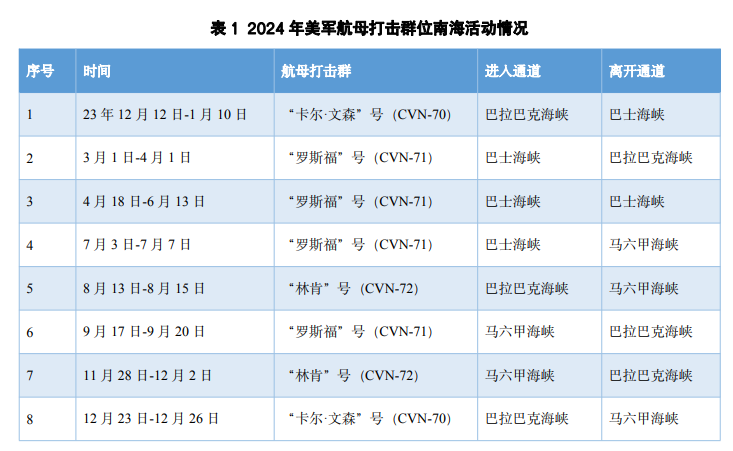
圖片來源:2024年美軍南海軍事活動不完全報告
《連線中國》:所以,中國並非想要擴張,而是僅僅申索認為屬於自己的領土;這就是中國領土雄心的界限嗎?
**周波:**我從不認為中國是一個擴張主義大國。我不相信中國有建立勢力範圍的野心。即使中國有此意圖,也無法成功。
讓我們看看中國的周邊地區,理論上這裏是中國最容易建立勢力範圍的地方。在東北亞,朝鮮不會聽從中國,特別是在核問題上。然後是東南亞,常被描述為中國的後院。南海存在多個國家與中國有領土爭端;而且至少有兩個美國盟友,泰國和菲律賓。那麼,中國如何能將這裏視為其勢力範圍呢?
中國擁有的是巨大的全球影響力,特別是在經濟領域。正是因為中國的影響力已是全球性的,它無需效仿美國建立勢力範圍,因為這不僅成本高昂,而且難以維持。如果中國擁有足夠的全球影響力,同時避免建立勢力範圍,這種方式將非常經濟且具成本效益。你可以讓自己完全不同於歷史上的霸權國家,並受到歡迎。
如果你觀察中國人民解放軍,就會發現其所有海外行動均屬人道主義性質,無論是維和、反海盜還是災害救援。這是深思熟慮的政策選擇,我希望解放軍能繼續如此。這樣,你只需從事人道主義事務:這簡單易行,人們會感激你。你無需擁有基地、盟友或諸如此類的東西。
《連線中國》:西方國家擔心中國是一個意圖推翻現有西方模式、試圖讓其他國家遵循其模式的大國,這種擔憂是否錯誤?
周波:正如中國外交部長王毅在慕尼黑安全會議上指出的,中國已加入超過600項全球條約。換句話説,很難想到還有哪些條約中國尚未加入。
中國沒有理由挑戰國際體系,無論其形式如何,因為這一體系使中國受益。在過去40年中,中國的成功有諸多原因——當然,其中之一是中國人民的勤奮和努力。但中國也從西方經驗中受益匪淺——技術、市場經濟等等。這就是為什麼中國對國際秩序的態度與俄羅斯不同。俄羅斯對這一秩序心懷不滿。
談到中國模式,你認為中國想要輸出什麼?中國的確向世界出口了大量產品,但如果中國想要輸出其意識形態,世界上並沒有多少社會主義國家會接受。我不認為西方相信中國想要輸出共產主義或其體制內的社會主義。你需要給我更多線索,説明中國究竟是在什麼時候、以何種方式,試圖以“修正主義國家”的身份改變國際秩序。
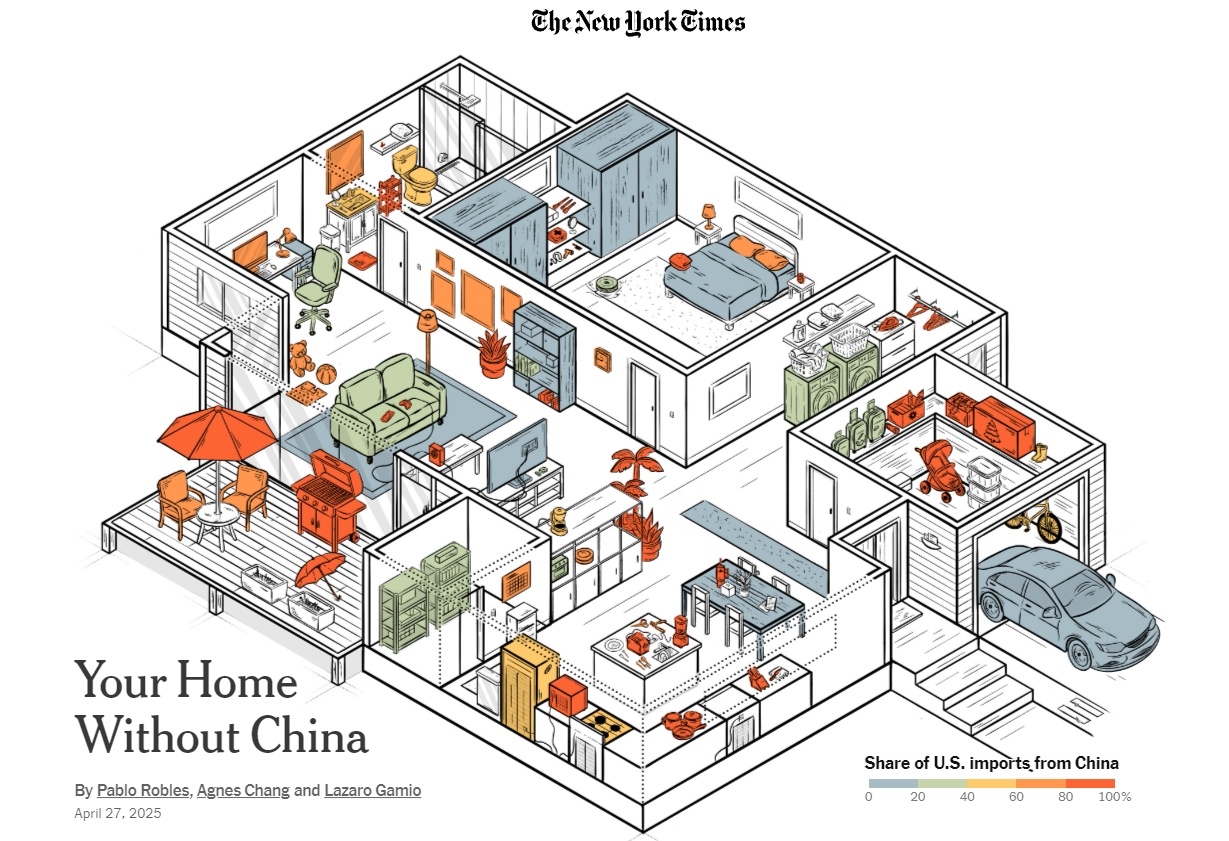
《紐約時報》可視化報道,展現一個普通美國家庭對中國進口產品的依賴比例程度。灰色表示這一品類從中國進口率為0-20%,綠色為20%-40%,黃色為40%-60%,橙色為60%-80%,紅色為80%-100%。
《連線中國》:那麼,你會認為西方誤解了中國的意圖。但你認為中國有哪些做得不對的地方?中國是否可以做更多事情,以讓其他國家對其意圖和權力性質感到放心?
周波:你的問題讓我想起曾參加過的一次為期兩天的中美會議後的感受。雙方專家參加,而會議實際上是雙方在問同一個問題:“你想要什麼?”我開始覺得中美關係就像一種宗教,即最簡單的問題也是最複雜的問題。
根據我與人交往的經驗,我基本認為,無論一個人多麼成熟,其核心邏輯都源於其受教育的方式。你成長過程中形成的一套價值觀會深深植根於你的思維中:不同的人眼中看到的世界並不相同。唯一的解決辦法是人們更多地互動,試圖理解他人的文化和價值觀。
在過去40多年裏,中國未在海外殺死一個外國人。那麼,中國怎能被稱作侵略性或脅迫性國家?有時,我認為西方試圖用這些詞語來訛詐中國,因為他們無法舉出中國做過什麼的具體例子。但反觀美國——它發動了多少戰爭,造成了多少人死亡?
《連線中國》:中國開始更多地參與其國境之外的重大地緣政治事務。例如,中國促成了伊朗與沙特阿拉伯恢復外交關係。這種情況我們會在未來看到更多嗎,特別是在中東地區?
周波:答案是肯定的。無論人們是否喜歡,這都是未來的方向。中國希望做出更多貢獻,但是會以中國的方式。
近期出現了兩個轉折點。一個是中國外交的成功:促成沙特阿拉伯與伊朗的調解。另一個是在亞丁灣打擊海盜,這使中國海軍成為一支藍水海軍。這是兩個轉折點,一個關乎中國外交,另一個關乎中國軍隊。
另一個例子更具説服力。中國海軍擁有一艘醫療船。多年來,這艘船一直在海外航行,為當地人民提供免費藥品和治療。這很不尋常,因為為什麼要為人們提供免費醫療?我認為這表明中國希望被愛戴,而非被畏懼。
另一方面,中國將被推動而更多地參與國際事務,因為當你變得強大時,你就變得有吸引力;就像如果你是一個富人,可能會有很多窮親戚來找你。作為一個更強大的國家,中國將不得不承擔許多之前未曾預見的責任。這是作為一個大國必須付出的代價。
中國近期還有三個轉折點。烏克蘭戰爭開始後,人們立即詢問中國的立場,因為中國非常重要,且與俄羅斯關係密切。第二個轉折點是美國副總統萬斯在慕尼黑安全會議上的演講,其他國家對他的言論感到震驚,因此開始尋找重心。人們想要一個穩定器和錨點。第三個轉折點是特朗普的關税戰,因為他對每個國家都施加壓力,儘管程度不同。人們當然在尋求穩定。中國似乎是唯一有實力和意願抵禦這種壓力的國家。這就是為什麼我認為中國的國際地位正在提升——但與此同時,其責任也在增加。
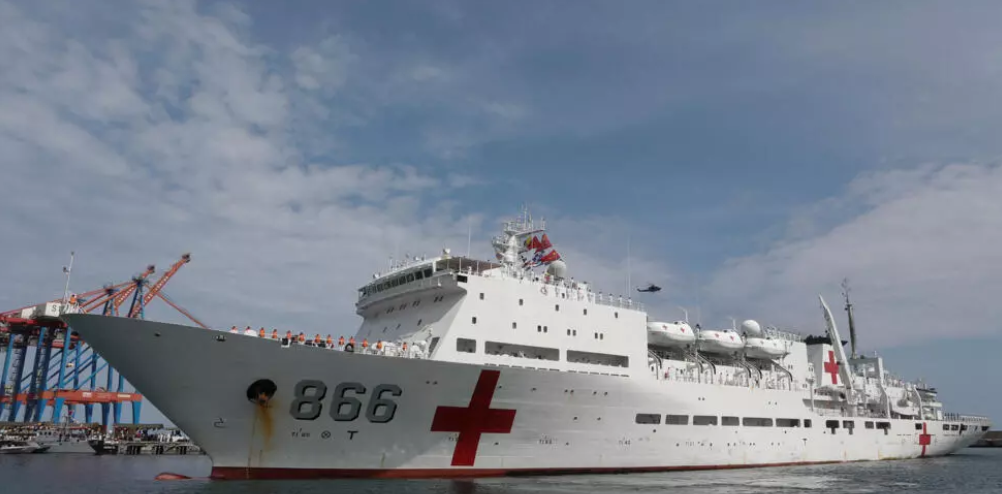
2019年11月,中國海軍 “和平方舟 ”號醫院船準備停靠拉瓜伊塔港路透社
《連線中國》:但一旦開始介入重大地緣政治問題,當事情出錯時就有被指責的風險。中國準備好面對這種情況了嗎?
周波:中國正在學習,這些都是複雜的問題。一旦介入,就無法退出。當中國開始改革開放時,鄧小平説這是摸着石頭過河。但現在我們正從江河進入海洋,且沒有回頭路。
我希望中國即使變得更強大,也能遵守一些原則,即無需尋求勢力範圍,使用武力時應極其謹慎,因為如果你因某種原因殺人,後來發現自己錯了——就像美國在越南、伊拉克和阿富汗那樣——人的生命已經失去,就無法挽回。還要堅持永不首先使用核武器的原則。如果遵循這些原則,即便不能讓世界更美好,也起碼能讓世界更安全。
《連線中國》:你是否認同****美國現在是一個衰落大國的觀點?
周波:簡言之,我的回答是肯定的。二戰後,美國的GDP相當於世界的一半,但現在僅佔四分之一。當然這是相對衰落,但幅度相當可觀。
但誰是最大的“美國衰落”論者?不是中國人,而是特朗普。特朗普非常聰明地利用這一點贏得了他的第一次總統選舉,他把美國描述成哀鴻遍野。然後,他還添油加醋地説要讓美國再次偉大。但他現在不加區分地抨擊所有國家,只是程度不同……除非感到自己正處於無望的衰落,並因此變得絕望,地球上最強大的國家怎能如此?在誕生了華盛頓和林肯的國家,居然像特朗普這樣的人也能當選?這個人曾煽動人們衝擊國會山,説明這個國家已變得多麼分裂。
在某種程度上,他有點像戈爾巴喬夫。人們形容戈爾巴喬夫是從上到下摧毀了大廈,卻沒有用新的建築取而代之。特朗普也在做同樣的事情,增加關税,然後再加關税,卻沒有考慮在美國實施之前如何讓工廠到位。這完全是雜亂無章的,令人更加覺得美國正處於無望的衰落。
《連線中國》:你在書中寫道,中國被問及千里之外的俄烏戰爭,而中國並未捲入其中。你説中國沒有在支持俄羅斯,是否有點勉強?
周波:首先,中國顯然不是俄羅斯的盟友。這種關係就像兩條平行線。無論它們多麼接近,都不會重疊成為聯盟。這場戰爭已經證明這確實不是聯盟,因為我們沒有派兵與俄羅斯並肩作戰,也沒有向他們提供致命武器。如果我們真的提供了軍事物資,不可能不被發現。
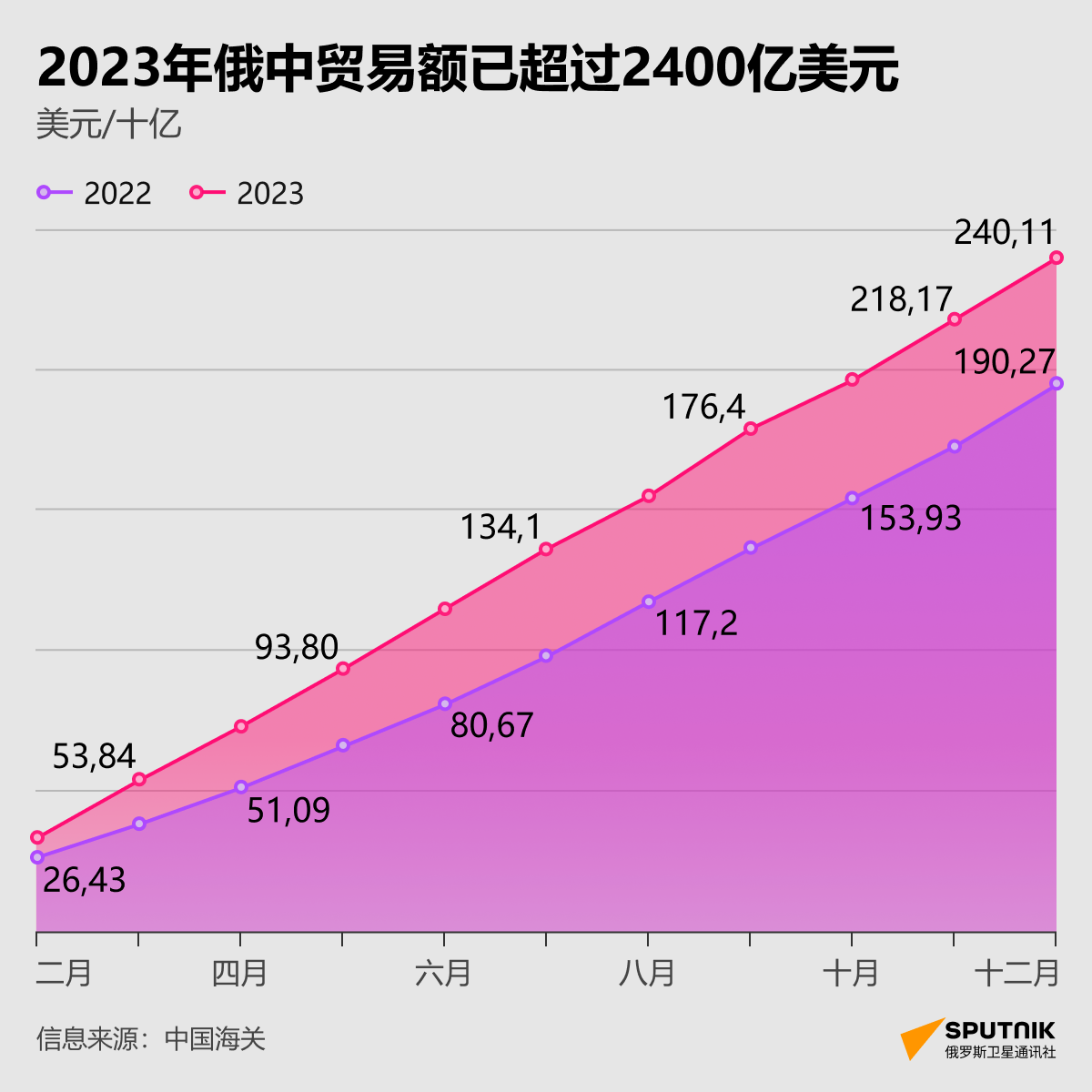
至於中國對俄羅斯的出口,你不應該將其視為任何形式的支持。這是戰前就已經存在的正常貿易。不同的是,由於俄羅斯被歐洲市場拒之門外,中國出口量增加。他們不得不從中國購買更多,而中國的經濟並非十分理想,因此希望增加出口,只要這不違反任何國際條約或規則。一些產品恰好具有軍民兩用性質,這是西方抱怨的主要原因之一。但對於兩用性質的產品,你必須首先假設它是用於民用。這是常識,就像石油和天然氣:如果你把它們裝進軍用卡車,它們就成了軍事產品。但通常沒人會認為天然氣和石油是軍事產品。
《連線中國》:但回到你一開始提到的,中國認為世界現在是多極化的,不同文明需要學會互不干涉內政:還有什麼比入侵另一個國家更干涉的呢?如果中國堅持不干涉原則,為什麼沒有更強硬地告訴俄羅斯不應該入侵烏克蘭?
周波:這是個好問題。實際上,中國以另一種更微妙的方式進行了回應。正如你所説,我們沒有強硬表態,但戰爭爆發後,中國立即呼籲尊重主權。
這背後有其原因:我們是彼此最大的兩個鄰國,關係一直良好。此外,亞洲文化中似乎有一種更含蓄的表達方式。但中國幾乎立即提到了尊重主權,在聯合國決議中,中國多次投了棄權票,沒有支持俄羅斯。
《連線中國》:但如果中國能更公開地努力約束俄羅斯,實際上這對其與歐洲和美國的關係將大有裨益。中國在這裏是否錯失了一個機會?
周波:這個問題值得商榷。取決於你從短期還是長期視角來看待這個問題。設想你譴責俄羅斯,你立馬失去了一個朋友。雖然你可能與歐洲國家建立短期友誼,但美國不會再次與你競爭嗎?這個問題無法解決,所以中國能做得最好的事情是與朋友保持良好關係。
我們非常努力地試圖保持平衡。這對我們來説並不容易,因為總體而言,俄羅斯和烏克蘭都是中國的朋友,而烏克蘭仍然是中國的重要貿易伙伴。我曾與一位烏克蘭學者交談,他説了一些讓我驚訝的話。他説:“我個人理解中國為什麼這樣做。如果我是你,我可能或多或少像你一樣行事。”
《連線中國》:讓我們轉向台灣——正如你在書中寫的,這是未來幾年中美之間最明顯的潛在衝突領域。作為一名解放軍前大校,你能解釋中國目前對台灣的意圖是什麼,以及打算如何實現其目標嗎?
周波:首先,我不認為台灣問題是最大的問題。實際上,我認為南海問題更嚴重。為什麼?因為那裏更容易發生意外,例如某種碰撞引起的,雖然不一定會演變為衝突,但考慮到雙方的公眾輿論,可能已經足夠危險。
在台灣海峽,無論發生什麼,都不會由意外引發。這幾乎是最不可能發生的事情,因為所有人的目光都聚焦在這個問題上。中國大陸、台灣地區或美國的任何舉動都受到密切關注,每一句話都被放大和審視,所以真要有事不會是意外引發的事情。
我們的領導人談到這個問題,仍然表示中國希望和平統一。問題在於如何實現這一目標?
首先,統一是必須的。西方可能希望兩岸關係維持現狀,但這不是中國的目標。中國希望和平統一。
唯一的問題是能否通過和平方式實現這一目標——這是真正的挑戰。中國仍然有可能成為世界上最強大的國家、最大的經濟體。而在這發展的基礎上,難道中國就不能與被大多數國家承認是其一部分的台灣地區實現統一嗎?
這對中國人民來説是難以理解的。目前,我們尚未失去耐心。隨着中國變得更強大,它可能有兩種不同的思考方式,一種是更加自信於和平統一,另一種是失去耐心,決定訴諸武力。只有這兩種選擇。當然,和平統一更可取。
要實現這一目標,我的答案很簡單:讓中國政府相信和平統一仍然是可能的。如果中國政府相信這是可能的,它就會耐心地維持現狀——因為這是寫入中國《反分裂國家法》中的條件之一。該法律列明瞭放棄非和平手段的三個條件。第一,台灣宣佈獨立,這無論如何是不可能的。第二,外國勢力推動台灣從中國分離。我不知道有什麼外國勢力強大到可以做到這一點。
對我來説,真正重要的條件是第三個:即中央政府認為和平統一的所有可能性都已喪失。這就是為什麼我説必須讓中國相信和平統一仍然可能。要實現這一點,台灣當局和美國必須有所節制。他們必須自我剋制。我們對賴清德的反應更為嚴厲,是因為他的言論。他基本上像分裂分子或分離主義者那樣講話,稱大陸為外部勢力——中國政府無法容忍這一點。
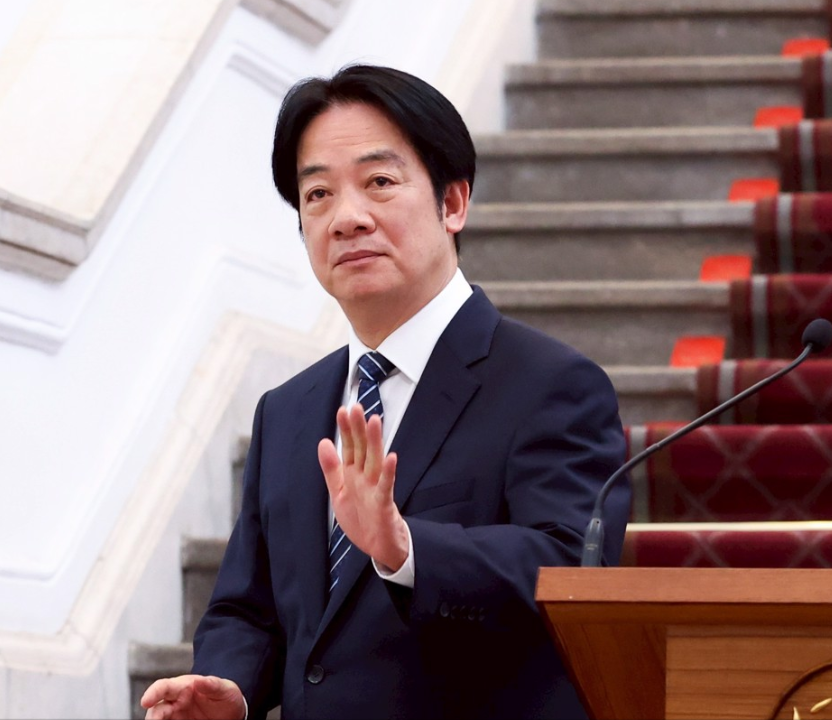
賴清德資料圖來源:台灣“中時新聞網”
《連線中國》:但如果台灣人民不想成為大陸的一部分呢?
周波:我認為台灣的民意在不同情況下可能會發生變化。在台灣的立法機構中,與大陸較為親近的國民黨實際上佔據微弱多數。如果他們的優勢變大,台灣老百姓可能會想是誰造成了這個問題?是大陸進行的軍事演習,還是台灣領導人的挑釁性言論引起的?因為後者對兩岸關係的描述,已經引起了很多不滿。
在新冠疫情之前,大約有150萬台灣人居住在大陸,多數在上海附近。這表明人們總是會追求更好的生存和發展機會。如果他們相信大陸能提供更好的機會,他們實際上並不太在意生活在一個規則不同的社會中。他們像外國人一樣生活,甚至可能比外國人更好,在福建省,大陸給予了他們很多優惠待遇。他們可以購買房產,孩子可以像其他孩子一樣上幼兒園,他們的身份證也與大陸居民的非常相似。人們總是談論中國的“大棒”,但我們也提供了不少“胡蘿蔔”。
《連線中國》:如果中國大陸尋求以武力統一台灣,中國是否相信美國——無論是在特朗普還是未來總統領導下——會試圖“保衞”台灣?
周波:首先,到目前為止,中國政府仍然保持耐心。這一點非常明確。我們並未威脅立即開戰。
我認為所有美國政府都會談論一箇中國政策,並將繼續如此。但如果你持續向台灣提供越來越多先進武器,一箇中國的內涵就會發生變化。這就是為什麼中國政府認為美國正在掏空一箇中國政策。
在美國智庫中,關於對台灣是採取戰略模糊還是戰略清晰存在爭論。當然,結果還是戰略模糊,因為如果明確表示“美國必須保衞台灣”,他們將沒有迴旋餘地。過去,模糊政策是基於實力的。戰略清晰實際上會暴露美國的短板:它將顯示美國不再那麼強大,而且他們將不得不為“保衞台灣”付出代價。
至於美國是否會“保衞台灣”,我們不知道。我認為他們自己也沒有做出決定。
越來越清楚的是,在常規戰爭方面,大陸的實力正在增強,這似乎也是美國人的印象。他們自己也談到,在戰爭推演中,美國輸給了中國——以至於有些人,如埃爾德里奇·科爾比,呼籲在台灣海峽進行核打擊,因為他們在常規戰爭中沒有任何優勢。因此,我建議中國增加其核武器庫。不是要與美國達到平等,而是要讓美國徹底放棄在核戰爭中獲勝的幻想。
與此同時,中國仍應堅持不首先使用核武器的政策,因為這是兩個不同的問題。如果所有其他核大國都採納“不首先使用”政策,世界會更安全。現在,如果你談論各國減少核武器數量,那是不可行的,因為我們的起點不同。
至於盟友,我真心認為,如果台灣海峽發生戰爭,協助美國的國家將屈指可數。潛在盟友首先是日本,但絕大多數日本人反對與中國直接衝突。這是可以理解的。中國是一個擁有核武器的強大國家,日本為什麼要與中國開戰?根據蘭德公司的一份報告,沒人知道日本是否會加入與中國的衝突:只有在關鍵時刻,日本領導人才能做出決定,其他任何對其立場的描述都只是推測。
然後是澳大利亞。首先,在現階段還不確定他們能否真正成功購買八艘核動力潛艇(根據AUKUS協議,澳大利亞將在美國和英國的支持下建造五艘新潛艇,並從美國再購買三艘)。即使他們成功了,也可能要到2035年之後。考慮到屆時中國海軍會變得更加強大,這八艘潛艇在與中國的戰爭中能有多大用處?
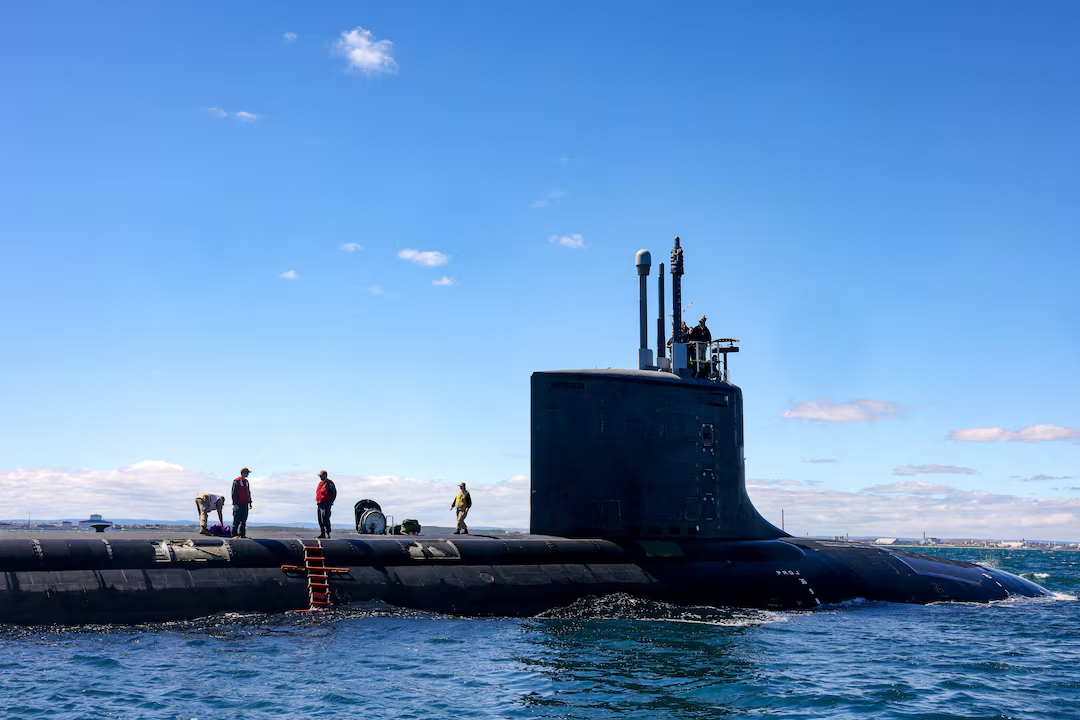
2025年3月16日,弗吉尼亞級快速攻擊核潛艇“明尼蘇達號”(SSN-783)在澳大利亞西澳大利亞州海岸的照片。路透社
接着是菲律賓。其海軍基地可供美國使用,這可能非常有用,因為它們處於前線。這可能是美國最想要的,即前沿軍事存在。但菲律賓人並不愚蠢。他們為美國使用這些基地設定了不同條件,例如不得儲存彈藥武器,不得發起攻擊。
你無法再舉出其他潛在盟友的例子。印度距離遙遠,且總是在大國之間斡旋。如果你看看印度所在的“四方安全對話”,它並未成為一個軍事聯盟。
如果中美之間發生戰爭,這些美國盟友充其量只是半心半意,原因顯而易見,所以我不認為他們會發揮很重要的作用。
《連線中國》:你提到南海發生意外事件目前更可能導致衝突。在這種情況下,中國在主張其權利時採取不那麼激進的方式不是更符合其利益嗎?
周波:簡而言之,南海的任何衝突都只能是中美之間的,因為美國艦船靠得太近,可能會發生意外或碰撞。這更危險,因為我不知道如何解決這個問題。多年前,我曾率領中國代表團到五角大樓討論這個問題,但我們無法達成一致,例如,如何以雙方都能接受的方式適用國際海洋法,因為我們對法律的解釋不同。
我個人認為,中國與其他國家,包括菲律賓在內,在南海不存在發生任何衝突的危險,這背後有諸多原因。2002年簽署的《南海各方行為宣言》明確規定不得使用武力,這是中國與10個東盟國家簽署的,因此存在一種諒解。
英文原文:
The Wire China: Let’s begin with the question that forms the title of your book: Should the world fear China?
Zhou Bo:My answer is definitely NO, but I should explain further. When people talk about fear of China, it comes primarily from Western countries, whose global dominance has been in place for a few hundred years. Seeing China’s rise raises a lot of questions for them.
But if you look at the rest of the world, people’s opinions of China, generally speaking, are positive. In Latin America, China’s economic influence is very strong: Chinese and American influence is probably about half and half. In the Indo Pacific, the picture is a bit patchy, but last year, for the first time in at least five years, China’s approval rating prevailed over that of the United States slightly. That is understandable given that ASEAN has become the largest trading partner of China. But of course you also have countries like India, whose attitude toward China is much more complicated, largely because of the deadly brawl in the Himalayan mountains in 2020.
At this year’s Munich Security Conference, the talk was of the world moving towards multi-polarization. This trend is inevitable, and the West needs to change its mentality. I never bought this idea of a liberal international order. I believe the order now, as in the past, is a hybrid of all kinds of cultures, religions, social systems and, above all, civilizations. If you believe you’re just a part of this order, and not the whole order, then it’s easier for you to co-exist with others. But if you wrongly believe that the global order should be the liberal international order, you would feel sad when you see the world is moving in another direction, and then you would probably look for an enemy. And that’s exactly what the United States is doing.
The Wire China:But people see incidents like the clashes in the Himalayas with India, or the pressure that China places on countries in the South China Sea or on Taiwan, and they fear that China is an expansionist power that wants to change the world order, not just exist within it.
Zhou Bo:The three places you mention are associated with China’s sovereignty, and China is firm on sovereignty issues. There’s a border dispute between India and China: it is about sovereignty. In the South China Sea, we also believe it is about sovereignty. On the Taiwan issue, more than 180 countries believe it is part of China. This has nothing to do with how China looks at the world.
When the United States sends aircraft or ships to the region, either for reconnaissance, surveillance or to exercise so-called Freedom of Navigation, they believe they are challenging China’s exercise of its maritime rights. But China considers the rocks and islands to be Chinese territory. So then it becomes a question of sovereignty for China.
The Wire China: So it’s not that China wants to expand, it’s just that it is claiming what it believes belongs to it; and that is the limit of China’s territorial ambitions?
Zhou Bo:I have never believed that China is an expansionist power. I don’t believe China has any ambition to have spheres of influence. Even if China wanted that, it cannot succeed.
Let’s look at China’s periphery, where theoretically, it would be easiest for China to establish a sphere of influence. In Northeast Asia, the DPRK won’t listen to China, especially on nuclear issues. Then we come to Southeast Asia, often described as China’s backyard. We have quite a few countries that have territorial disputes with China in the South China Sea; and there are at least two American allies, Thailand and the Philippines. So how can China take that as its sphere of influence?
What China does have is huge global influence, especially in the economic field. Precisely because China’s influence is already global, it doesn’t need to follow the United States in establishing spheres of influence, which are very costly to build and very difficult to maintain. If China has enough global influence, but at the same time keeps away from having spheres of influence, this could be very affordable and cost effective. You can make yourself totally different from hegemons throughout history, and be welcomed.
If you look at the PLA, all its operations overseas are humanitarian in nature, be it peacekeeping, counter-piracy or disaster relief. This is a deliberate policy choice, and my hope is that the PLA will carry on like this. In this way you can just do humanitarian things: it’s easy, and people will be grateful to you. You don’t need to have bases, allies and all these things.
The Wire China:What about fears that China is a revisionist power that wants other countries to conform to its model. Is the West wrong to fear that?
Zhou Bo:As Chinese foreign minister Wang Yi pointed out at the Munich Security Conference, China has joined over 600 global treaties. To put it another way, it’s hard to think of any other treaties that China has not joined.
There is a good reason for China not to challenge the international system, whatever it is, because it has benefited China. In the last 40 years, there have been a number of reasons for China’s success — of course, one is the Chinese people’s diligence and industry. But China has also learned tremendously from the Western experience — technology, the market economy, and all these things. That is why the Chinese attitude towards the international order is different from Russia’s. Russia resents this order.
When you come to this issue of the Chinese model, what do you imagine that China wants to export? China exports a lot of products. But if China wants to export its ideology, there aren’t many socialist countries in the world to receive it. I don’t believe the West believes that China wants to export communism or the socialism that is in its own system. You need to give me more of a clue as to when or how China has tried to change the international order as a revisionist power.
The Wire China:You would argue, then, that the West has misinterpreted China’s intentions. What do you think China’s got wrong, though? Is there more that it could be doing to reassure other countries of its intentions and of the nature of its power?
Zhou Bo:Your question reminds me of how I felt after a two-day long meeting between China and the United States. There were experts on both sides, but it was really a conference of both saying, ‘What do you want?’ I started to think this China-U.S. relationship is like a religion, where the most simple question is also the most complicated.
From my experience of interacting with people, I basically believe that no matter how sophisticated they might be, their central logic is formed from the way they are educated. You grow up with a set of values that becomes deeply rooted in your own mentality: and the world is not the same in different people’s eyes. The only solution is for people to interact more and try to understand other people’s cultures and values.
Over the last 40 years plus, China hasn’t killed a single foreigner overseas. So how can China be called aggressive or coercive? Sometimes, I believe the West tries to blackmail China by using such words, because they cannot give a tangible example of anything China has done. But then you look at the United States — how many wars has it launched and how many people have been killed?
The Wire China:China has started to become more involved in big geopolitical issues outside of its borders. An example would be the work that China did to get Iran and Saudi Arabia to restore diplomatic relations. Is this something we’re going to see more of, particularly in the Middle East?
Zhou Bo:The answer is definitely yes. And like it or not, that is the road of the future. China wants to make more of a contribution, but in its own way.
There have been two turning points recently. One is for China’s diplomacy: its success in the mediation between Saudi Arabia and the Iranians. The other is countering pirates in the Gulf of Aden, which has turned the Chinese navy into a Blue Water Navy. These are two turning points, one for China diplomacy, another for the Chinese military.
Another example is still more telling. China has a hospital ship which belongs to its navy. For decades, this ship has been sailing overseas, providing free medicine and treatments to local people. This is unusual, because, why would you provide people with free medical care? I think this tells you that China wants to be loved rather than feared.
The other thing is, China will be pushed by others to become more involved, because if you become strong, you become attractive; just like if you are a rich man, probably a lot of your poor relatives will come to you. China, as a stronger power, will have to take care of a lot of things that it did not previously envision. This is the price you have to pay as a major power.
There have been three other recent turning points for China. After the war in Ukraine started, people immediately asked where China was standing, because it’s so important, and so close to Russia. The second came after U.S. Vice President JD Vance’s speech at the Munich Security Conference: because other countries were totally stunned by what he said, they started to look for a center of gravity. People want a stabilizer and an anchor. And the third turning point is Trump’s tariff war, because he’s punching every country, although to varying degrees. People, of course, are looking for stability. And China seems to be the only country that has the strength and will to resist this kind of pressure. That is why I believe China’s international standing is growing — but at the same time, its responsibilities are also growing.
The Wire China:But once you start getting involved in big geopolitical problems, the danger is that you start to get blamed when things go wrong. Is China ready for that?
Zhou Bo:Well, China is learning, and these are complicated issues. Once you get in, you cannot walk out. When China started on its reform and opening up era, Deng Xiaoping said it was getting across the river by feeling the stones in the riverbed. But now we’re wading into the sea: there is no turning back.
I wish for China to stick to some rules, even if it becomes stronger. You don’t need to seek spheres of influence. And you should exercise maximum caution when using force, because if you kill people for this or that reason, and eventually you find you were wrong — like in Vietnam, Iraq, and Afghanistan — and people’s lives are already lost, you can’t come back. And then stick to the principle of never being the first to use nuclear weapons. These kinds of principles, if followed, can really make the world safer, if not better.
The Wire China:Do you share the view that the U.S. is now a power in decline?
Zhou Bo:My short answer is, definitely. The U.S.’s GDP was equivalent to half that of the world after the Second World War, but it now accounts for only a quarter. Of course this is a relative decline, but it is considerable.
But who is the largest declinist? It’s not the Chinese, it’s Donald Trump. Donald Trump was very smart in making use of this to win his first presidential election, describing ‘American carnage’. Then, of course, he peppered it up by saying we’ll make America great again. But his current practice of bashing all countries indiscriminately, but to a very varying degree …How can the strongest nation on Earth do that, unless it feels that it is in a hopeless decline and has become desperate. How can a man like Trump be elected in a country that has produced George Washington and Abraham Lincoln? This is the man who incited people to take on Capitol Hill. It shows how this country has become divided.
In a way, he’s a bit like Mikhail Gorbachev. People describe Gorbachev as a man who destroyed the building from the top down, without having a new building in place. Trump is doing the same thing, adding tariffs and then another tariff, without thinking about how the factories could be in place in the U.S. before he does so. It’s totally out of order and chaotic, and this adds to people’s impressions of America being in hopeless decline.
The Wire China:You write in your book that China is being asked about the Russia-Ukraine war that’s taking place thousands of miles away, in which it is not involved. Isn’t it a bit difficult to say that China isn’t supporting Russia in this war?
Zhou Bo:Well, first of all, China certainly is not Russia’s ally. This kind of relationship is like two lines in parallel. No matter how close they are, they won’t overlap to become an alliance. This war has already proven that this is indeed not an alliance, as we are not sending soldiers to fight with Russia, and we’re not providing them with lethal weapons. If we really were sending military supplies, it wouldn’t go uncovered.
As for exports, you should not take that as any kind of support. It’s normal trading which was already in place before the war. What is different is that China has exported more because Russia was denied access to the European market. They had to buy more from China, and as China’s economy was not really in good shape it wanted to export more, so long as it did not go against any international treaties or rules. Some of the products happen to be dual use in nature, which is one of the main reasons for Western complaints. But when something is dual use in nature, you have to assume it is for civilian use first. This is common sense, just like oil and gas: if you put them into a military truck, they are military products. But normally nobody would consider gas and oil as military products.
The Wire China:But circling back to something that you said at the start, that China views the world as multipolar now, and different civilizations need to learn not to interfere in each other’s affairs: what is more interfering than invading another country? If China is sticking to principles of non-interference, why wasn’t it more forceful in telling Russia that it shouldn’t invade Ukraine?
Zhou Bo:That’s a good question. Actually, China has mentioned Russia’s invasion in another, more subtle way. It is not forceful, as you said, but immediately after the war broke out, China called for respect for sovereignty.
There is a reason behind that: we are each other’s two largest neighbors, and have enjoyed a good relationship. And there is also an element of Asian culture, which seems to be more subtle in expression. But China did mention, almost immediately, respect for sovereignty and in UN resolutions, many times China has abstained and did not support Russia.
The Wire China:But if China could make more open efforts to rein in Russia, that could actually be a huge benefit in terms of its relations with Europe and with the United States. Is China missing an opportunity here?
Zhou Bo:That is debatable. It depends on how you are looking at this issue, from the short term or the long term perspective. Let’s imagine you condemn Russia: you lose a friend, and while you may have a short term friendship with European countries, won’t the U.S. come back to compete with you again? You won’t solve this problem, so the best thing China can do is to maintain a good relationship with its friend.
We have tried very hard to strike a balance. It’s not easy for us, because both Russia and Ukraine are basically China’s friends, and Ukraine still has China as a large trading partner. I once talked to a Ukrainian scholar, and he said something that surprised me. He said, I personally understand why China is behaving like this. If I were you, I probably would be more or less like you.
The Wire China:Let’s move on to Taiwan — as you write in your book, the most obvious potential area for actual conflict between the U.S. and China in the coming years. As an ex-colonel in the PLA, can you explain what Beijing’s intentions towards Taiwan now are, and how it intends to achieve its goals.
Zhou Bo:First of all, I don’t believe that the Taiwanese issue is the most serious issue. Actually, I believe the South China Sea is more serious. Why? Because it’s easier to see an accident occurring there, caused by some sort of collision which, while it may not spill over into conflict, may be dangerous enough, given public opinion on both sides.
In the Taiwan Strait, whatever happens, it won’t be triggered by an accident. That is almost the last thing that will happen, because everybody has their eyes on this issue. Any move from either Beijing, Taipei or Washington comes under close scrutiny. Every word is amplified and examined — it’s not something that would be triggered by accident.
Beijing, right now, still wants peaceful reunification. When our leaders talk about this issue, that is what they say. The question is, how to achieve this?
First of all, reunification is a must. It’s not a situation, as the West may hope, where the current kind of cross-Strait relationship will always be maintained. No. China wants peaceful reunification, that is for sure.
The only question is whether they can achieve this through peaceful means. That is a real challenge. It is still possible for China to become the strongest nation on earth, the largest economy. And with all this development, are we saying China cannot reunify with another part of China that is recognized by most countries in the world?
This is incomprehensible for Chinese people. Right now, we have not lost our patience. As China becomes stronger, it could think in two different ways. One way is to become more confident about peaceful reunification. The other way is it becomes more impatient, and decides it has to use force. There’s just these two options. Of course, peaceful reunification is more preferable.
To achieve that, my answer is very simple: Just let the Chinese government believe peaceful reunification is still possible. If the Chinese government believes it’s possible, then it will bear this situation with patience — because this is one of the conditions written into China’s anti-secession law. Three conditions for abandoning non-peaceful means are in that law. First, that Taiwan declares independence, which is anyway impossible. Second, that foreign forces are making efforts leading to Taiwan’s separation from China. I personally don’t know of any foreign force which is strong enough to do this.
For me, only the third condition really matters: that is if the central government believes that all possibilities for peaceful reunification have been exhausted. That is why I say we have to let China believe that peaceful reunification is still possible. And for that to happen, then the Taiwanese authorities and the United States have to behave. They have to exercise self restraint. Our response to Lai Ching-te has been more severe because of what he has said. He has basically talked like a separatist or secessionist, talking about mainland China being an external power. The Chinese government cannot bear that.
The Wire China:But what if the Taiwanese people don’t want to be part of mainland China?
Zhou Bo:I think public opinion in Taiwan may change under different situations. In Taiwan’s legislature, the Kuomintang party, which is somewhat closer to mainland China, actually has a marginal majority. And if this kind of situation becomes more serious, the Taiwanese may think, okay, who has caused this problem? Is it the military exercises carried out by mainland China, or is it because of provocative remarks from the Taiwanese leader? A lot of complaints have been made against him because of his description of this relationship with mainland China.
Before Covid, there were about 1.5 million Taiwanese people living in mainland China, most near Shanghai. That shows people will always go for better opportunities to survive and thrive. And if they believe mainland China can offer them better opportunities, they actually don’t care that much about living in a different society where the same rules do not apply to them. They live just like foreigners, and probably better than foreigners, because in Fujian province the Chinese government has given them a lot of preferential treatment. They can buy real property. The children can go to kindergarten like other children, and their ID cards are very much like those of mainlanders. People always talk about China’s sticks, but we have offered some carrots too.
The Wire China:If mainland China did seek to take Taiwan by force, does Beijing believe that the U.S., whether it’s under Trump or a future president, would seek to defend it?
Zhou Bo:First of all, up till now the Chinese government still has patience. That is quite clear. We’re not threatening immediate war.
I think all American governments talk about the One China policy and will continue to do so. But the content of One China changes if you keep on providing Taiwan with more and more advanced weapons. That’s why the Chinese government believes the U.S. is hollowing out One China.
In American think tanks, there’s a debate as to whether they should have strategic ambiguity or strategic clarity over Taiwan. The result, of course, is ambiguity, because if it is made clear that the U.S. has to defend Taiwan, they will have no leeway. In the past, the policy of ambiguity was based upon strength. Strategic clarity would actually show the U.S.’s shortcomings: it would show that the U.S. is no longer that strong, and that they would have to spend to defend Taiwan.
As to whether the U.S. would defend Taiwan or not we don’t know. I think they haven’t made their determination either.
What is becoming clear is that in terms of conventional warfare, the mainland’s strength is growing, and this seems to be people’s impression in the U.S.. They have even talked about it themselves, about how in war games, the U.S. loses to China — to the extent that some people, like Eldridge Colby, have called for nuclear strikes in the Taiwan Strait, because they do not have any superiority in conventional warfare. So I would suggest that China increase its nuclear weapons arsenal. Not to reach parity with the U.S., but to the extent that the United States would give up for good its illusion that it can win in a nuclear war.
At the same time, China should still stick to its policy of no first use of nuclear weapons, because these are two separate issues. If all other nuclear powers adopted this ‘no first use’ policy, that would make the world safer. Right now, if you talk about countries reducing their nuclear weapons stockpiles, that is impossible, because we’re not starting at the same level.
As for allies. I truly believe that very few countries would come to America’s assistance should there be a war in the Taiwan Strait. There aren’t many potential allies: the first is Japan, but the overwhelming majority of Japanese people are against a direct conflict with China. That is understandable. China is such a powerful country with nuclear weapons. Why would Japan want to have a war with China? According to a report by Rand, nobody knows whether Japan would join or not: only at the critical moment would a Japanese leader have to decide. Any other description of their posture is just speculation.
Then we come to Australia. First of all, it is not a sure thing that they will really succeed in buying eight nuclear power summaries or not at this stage [under the AUKUS agreement, Australia is building five new submarines with the support of the U.S. and UK, and buying a further three from the U.S.]. And even if they succeeded, then it would be probably after 2035. How useful would those eight submarines be in a war with China, given how much stronger the Chinese navy might have become by then?
And then we come to the Philippines. Its naval bases could be used by the United States, which could be very useful as they are on the front line. That could be what Americans want most, the forward military presence. But Filipinos are not stupid. They have laid down different conditions for the U.S. to use these bases, such as not storing ammunition weapons, and not launching attacks.
You can’t give me another example of a potential ally. India is far away and is always maneuvering among major powers. If you look at the Quad, of which it’s a member, the Quad is not becoming a military alliance.
Should there be a war between China and the U.S., these American allies are at best half hearted, for obvious reasons, so I don’t believe they would play a very important role.
The Wire China:You talked about the risk of an incident in the South China Sea being more likely to lead to conflict right now. In that case, wouldn’t it be in China’s interests to be less aggressive in the way that it’s asserting its claims in that area?
Zhou Bo:Well, to put it briefly, any conflict in the South China Sea can only be between China and the U.S., because of American ships getting too close, so there could be an accident or a collision. It’s more dangerous because I don’t know how to resolve this issue. I led a Chinese delegation to the Pentagon to talk about this many years ago, but we could not agree, for example, on how International Maritime law could be applicable to both of us in an acceptable way, because we just have a different interpretation of the law.
I personally don’t believe there is a danger of any conflict whatsoever between China and other places, including the Philippines in the South China Sea. There are a number of reasons behind that. The Declaration of code of conduct in the South China Sea, made in 2002, has made it clear that there can be no use of force. This was signed between China and the 10 ASEAN countries. So, there is a kind of understanding there.

本文系觀察者網獨家稿件,文章內容純屬作者個人觀點,不代表平台觀點,未經授權,不得轉載,否則將追究法律責任。關注觀察者網微信guanchacn,每日閲讀趣味文章。