摩根:英國也要承認“巴勒斯坦國”了,作為英國人我有話要説
guancha
【文/ 摩根】
大家好,我叫摩根,來自英國。今天我想談談一則來自英國的重磅新聞。就在本月早些時候,英國首相斯塔默宣佈,英國將正式承認巴勒斯坦國。這是一個巨大的轉變——緊隨法國之後——而這一決定正值以色列對加沙的襲擊引發愈演愈烈的人道主義危機佔據全球頭條之際。
有趣的是:此事發生在特朗普訪問英國不到兩天之後——而且按照特朗普本人的説法,這次訪問中根本沒有談到巴勒斯坦問題。可沒過多久,斯塔默就做出了這個決定。是巧合嗎?或許吧。但有一點值得注意:特朗普最近對加沙問題的態度明顯緩和了——遠不像之前那般強硬。這種轉變,也許正給了斯塔默政治上的空間,讓他終於可以有所作為。
那麼對於英國來説,為什麼是現在作出相關決定呢?原因有很多——不僅是國際層面的壓力,還有來自英國國內的壓力。英國公眾一直在要求政府對以色列採取更強硬的立場,而斯塔默的這一宣佈讓英國與法國和加拿大站在了同一陣營:共同承認巴勒斯坦國。不過——總會有一個“但是”——與其他國家一樣,英國的承認是附帶條件的,這也讓英國的決策變得更加複雜。
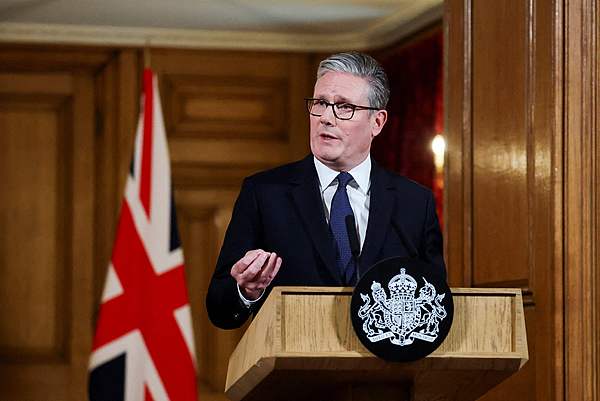
當地時間2025年7月29日,英國倫敦唐寧街10號,英國首相基爾·斯塔默在加沙問題緊急內閣會議後發表講話。
事實上,是否承認巴勒斯坦的問題已經討論了幾十年。在一些國際組織中,巴勒斯坦的國家地位“部分地”被承認,但要實現完全被承認,其實一直是面臨阻力的,主要原因在於美國的影響。然而,隨着加沙人道主義危機的惡化,越來越多的西方國家開始重新考慮立場——將承認巴勒斯坦國當作一種嘗試遏制衝突、迫使以色列停火、並希望拯救加沙人生命的方式。
對斯塔默來説,這一宣佈也算是兑現了競選承諾——儘管批評者迅速指出,他走到這一步花了太久。而且,與加拿大的立場類似,英國的承認是有條件的。一些人認為,這是謹慎的一步,甚至不是心甘情願的,而不是為實現和平邁出的堅決一步。
當然,英國在這一切中的角色並不新鮮。一個多世紀前,1917年的《貝爾福宣言》承諾在當時由英國管轄的巴勒斯坦建立一個猶太人家園,為這場衝突埋下了伏筆。從那以後,英國的外交政策一直在微妙的“平衡線”上行走:既支持以色列的生存權,也在原則上推動“兩國方案”。問題在於,這個“兩國方案”如今看起來越來越不現實。以色列政客公開呼籲吞併加沙和約旦河西岸,讓這個方案几乎無法實現。
這正是英國的“平衡表演術”真正顯現出來的地方。一方面,公眾和國際社會要求承認巴勒斯坦、解決人道主義危機的壓力日益增加;另一方面,英國與華盛頓的長期同盟關係,讓任何被視為破壞美以關係的舉動都可能帶來風險。更重要的是,任何打破這種平衡的舉動,都可能危及斯塔默急切想要達成的脱歐後貿易協議。斯塔默的聲明試圖在這條“細細的線”上前行:以附帶條件的承認來表明立場的變化,但又保持足夠的模糊性,以避免與美國正面衝突。
此外,承認巴勒斯坦國的決定,恰逢英國國內政治的關鍵時刻。改革黨——一個由特朗普親密盟友奈傑爾·法拉奇領導的右翼政黨——目前在一些民調中領先。斯塔默發現自己處於一個極其困難的境地,需要同時平衡三方面壓力:一,美國,尤其是潛在的重要脱歐後貿易協議;二,英國國內日益高漲的公眾壓力;三,改革黨的崛起。可謂是一個極其棘手的局面。
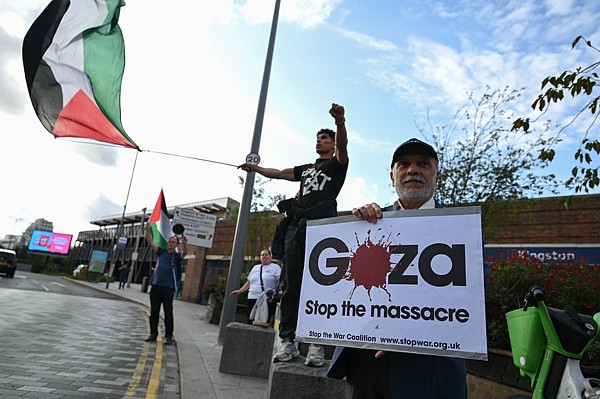
當地時間2025年8月1日,英國倫敦,在倫敦西南部金斯敦區,示威者手持標語,揮舞巴勒斯坦旗幟,參加名為“停止餓死加沙”的抗議活動,譴責以色列的封鎖,並提高人們對加沙人道主義危機的認識。
在外交政策方面,英國長期以來以務實著稱。英國加入加拿大和法國,成為首批承認巴勒斯坦的G7國家之一,這無疑值得稱讚,甚至可以説具有里程碑意義。但這種附帶條件的承認引發了批評。許多人認為,這不像是對以色列的警告,更像是一種安撫,以平衡以色列和美國雙方的需求。
英國要求以色列同意停火——儘管以色列過去一再違反停火協議——再加上模糊地堅持復活早已“死亡”的“兩國方案”,讓一些批評者對政府的相關決策不感冒了。在他們看來,這個計劃只有象徵性而已,不太可能改變現實。
斯塔默的決定無疑是一個重大舉動,但在這些附加條件下,這真的是一個突破嗎?還是隻是為了討好所有人,包括華盛頓、英國公眾,甚至改革黨的選民,而做出的一種姿態?
但有一點是確定的:既然法國和加拿大已經邁出了這一步,英國不會是最後一個。圍繞巴勒斯坦建國的討論只會越來越熱烈,越來越響亮。
Hello everyone, my name’s Morgan — and today I want to talk about some pretty big news coming out of the UK. Earlier this month, Prime Minister Keir Starmer announced that Britain will formally recognize the state of Palestine. It’s a huge shift — following in France’s footsteps — and it comes at a time when Israel’s assault on Gaza has created a worsening humanitarian crisis that’s dominating headlines.
Here’s the interesting part: this announcement came less than two days after Donald Trump’s visit to the UK — a visit where, by Trump’s own admission, the topic of Palestine wasn’t even discussed. Yet shortly afterwards, Starmer makes this move. Coincidence? Maybe. But here’s something worth noting: Trump’s tone on Gaza has mellowed in recent weeks — far less combative than the hard‑line rhetoric he used to use. And that shift? It might have given Starmer the political space to finally act.
So why now? Well, a big part of this comes down to pressure — not just internationally, but here at home too. Public opinion in the UK has been pushing harder and harder for action, and this move puts Britain alongside France and Canada in recognising Palestinian statehood. But — and there’s always a but — like those other countries, the UK’s recognition comes with conditions. And here’s when the UK’s decision becomes more complex.
Now, the whole question of recognising Palestine has been around for decades. There’s been partial recognition in some international forums, but full recognition? That’s always been blocked, largely because of US influence. But with the humanitarian crisis in Gaza escalating, more Western governments are rethinking things — seeing recognition as a way to try and contain the conflict, push Israel toward a ceasefire, and hopefully save lives.
For Starmer, this announcement also ticks off a campaign promise — though critics have been quick to point out that it’s taken him a while to get here. And, like Canada’s position, it’s conditional recognition. Some people see that as a cautious step, maybe even half‑hearted, rather than a full‑on push to bring peace.
And of course, Britain’s role in all this isn’t new. The UK played a huge part in shaping this conflict more than a century ago, with the Balfour Declaration in 1917 promising a Jewish homeland in what was then British‑controlled Palestine. Ever since, UK foreign policy has walked a fine line: supporting Israel’s right to exist, but also pushing — at least in principle — for a two‑state solution. The trouble is, that two‑state vision looks less and less realistic. With Israeli politicians openly calling for the annexation of Gaza and the West Bank, it’s hard to see how that proposal holds up in today’s reality.
And this is where the UK’s balancing act really comes into focus. On one side, there’s growing public and international pressure to recognise Palestine and address the humanitarian crisis. On the other, there’s the UK’s long‑standing alliance with Washington — and any move seen as undermining US‑Israel relations could risk that partnership. More importantly, any move that upsets that balance could jeopardise the post‑Brexit trade deal Starmer desperately wants. Starmer’s announcement tries to tread this line: offering conditional recognition to signal change, but keeping enough ambiguity to avoid a full‑blown clash with the US.
Moreover, this recognition of a Palestinian state comes at a crucial point in British domestic politics. The Reform Party — a right‑wing party led by one of Donald Trump’s close allies, Nigel Farage — is currently leading in some polls. Starmer finds himself in a difficult position, trying to balance three pressures at once: (1) the United States, and most importantly the prospect of a major post‑Brexit trade deal; (2) growing public pressure within the UK; and (3) the rise of the Reform Party. An incredibly tricky position.
The UK has long been seen as pragmatic in its approach to foreign policy. And while it is commendable — even noteworthy — that Britain is joining Canada and France in becoming one of the first G7 nations to recognise Palestine, the conditions attached to this recognition have drawn criticism. Many argue they feel less like a warning to Israel and more like a conciliatory gesture, aimed at balancing the needs of both Israel and the United States.
The requirement that Israel agree to a ceasefire — despite repeatedly violating ceasefires in the past — coupled with a vague insistence on reviving the already‑dead two‑state solution, has left some critics unimpressed. To them, the plan is symbolic, but unlikely to change realities on the ground.
Starmer’s announcement is a big move — but with all those conditions, is it really a breakthrough? Or just a gesture to keep everyone happy — Washington, the public, even Reform voters?
One thing’s for sure — now that France and Canada have taken the leap, Britain won’t be the last. The conversation around Palestinian statehood will only get louder and louder.

本文系觀察者網獨家稿件,文章內容純屬作者個人觀點,不代表平台觀點,未經授權,不得轉載,否則將追究法律責任。關注觀察者網微信guanchacn,每日閲讀趣味文章。