摩根:這座“超級中國大使館”,藏着中英關係的走勢圖
guancha
【文/觀察者網國際大學生夏令營成員 摩根】
大家好,我叫摩根,來自英國曼徹斯特。今天我想和大家聊一聊在倫敦建設一座“超級中國大使館”的計劃。這個計劃在網絡上引發了廣泛關注,不僅因為它的規模和地理位置,還因為它可能反映出中英關係未來發展的走向。該提案將把中國駐英國大使館從倫敦郊區搬遷至更加中心的位置,緊鄰全球第二大金融中心——倫敦金融城。
由於規模龐大,該計劃被稱為“超級大使館”,項目佔地約62萬平方英尺,選址在歷史悠久的皇家造幣廠舊址。設計方案包括一個文化中心,以及可供約200名工作人員居住的宿舍。最初,“超級大使館”的建設計劃被倫敦當地議會擱置。然而,在去年7月工黨贏得大選後,該項目得以重啓,並由英國副首相安吉拉·雷納負責監督。一旦建成,它將成為中國在歐洲規模最大的外交機構。
重啓該項目的決定,是在英國財政大臣雷切爾·裏夫斯訪問中國僅一週後作出的。此次訪問,旨在為重啓中英關係積蓄動力。隨行的還有英國商界的重量級人物,包括滙豐集團主席杜嘉祺、英格蘭銀行行長安德魯·貝利,以及英國金融行為監管局首席執行官。中共中央政治局委員、國務院副總理何立峯在北京會見了他們。
從中國的角度來看,這座新大使館旨在打造一個現代化的外交、領事服務與文化交流基地;對英國而言,這可能是深化對話、吸引投資、展示倫敦對國際交流開放態度的重要機會。
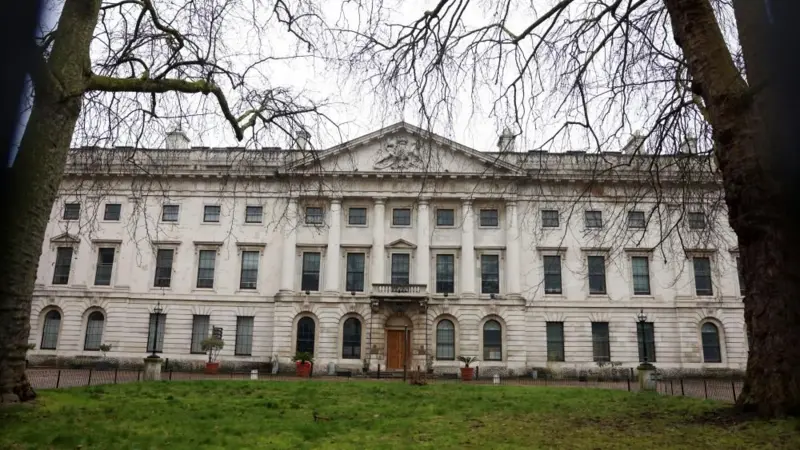
位於倫敦的前皇家鑄幣廠房產,是中方提交的“超級大使館”規劃選址
當然,這一計劃在英國引發了爭議,尤其是來自保守黨的批評人士,理由是選址距離敏感基礎設施過近。隨着英國政府官員將在未來幾周內對該項目作出決定,提交審批的建築規劃圖中出現的“部分塗黑區域”,成為主要爭議焦點之一。
實際上,此類規劃中包含塗黑區域並不罕見。例如,美國大使館的設計中通常會設有“安全核心區”,這一部分在公開圖紙中通常不會顯示。
為緩解擔憂,中國駐英國大使館的官方回應十分明確:“中國駐英國大使館致力於促進兩國人民之間的相互理解與友誼。希望英方能夠根據事情本身的優點以及相關專業意見來考慮並批准這一規劃申請。”
儘管如此,公眾意見分歧依舊使該項目在英國媒體和國際輿論中廣受關注。一些評論人士指出,這其中可能存在“雙重標準”——其他國家在大使館設計上往往有更多自由,而中國則面臨更嚴格的審查。同時,媒體還強調了公眾的不安情緒以及來自美國的反對立場。
值得注意的是,這一切發生在經歷了數年中英關係波動之後。新冠疫情期間及之後,兩國關係明顯降温。在我撰寫碩士論文時,我研究了英國首相鮑里斯·約翰遜將華為排除在英國5G網絡建設之外的決定——在學界和多位前部長看來,這一決定很大程度上是受到了來自華盛頓的強大壓力。
我的結論也相同:脱歐後,英國的外交回旋餘地縮小,而“華為事件”成為倫敦與美國戰略立場高度一致的顯著例子。尤其值得一提的是,當時英國安全部門曾認為華為並不構成國家安全威脅。
此外,美國政治高層中也存在一定的不安,他們認為在脱歐後的“黃金時代”中,英國與中國的關係比以往更加密切。華盛頓擔心,這可能會削弱英美之間的軍事與經濟合作,並對美國在歐洲乃至全球的影響力產生連鎖反應。
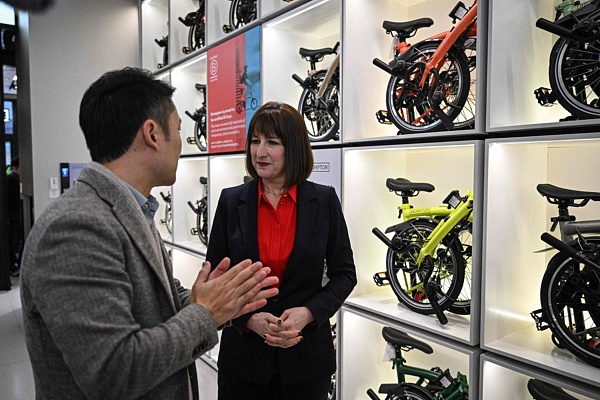
今年1月,英國財政大臣蕾切爾·裏夫斯到訪中國。 視覺中國
在奧巴馬總統任期結束後,第一屆特朗普政府將向英國施壓、促使其減少與中國的接觸作為優先事項。儘管當時的英國首相自稱是“親華派”,特朗普依然採取了其標誌性的“胡蘿蔔加大棒”策略——“胡蘿蔔”是與美國達成貿易協定的可能性,“大棒”則故意含糊其辭(外界普遍認為可能是關税)。以華為為最突出的焦點,這一施壓行動最終促使英國減少了與中國的合作。
確實,脱歐後,英國在經濟和戰略上對美國的依賴更深,這也使其在政策上更容易受到美國偏好的影響。此外,英國也不再擁有作為歐盟單一市場成員國時所帶來的安全保障。
時間快進到今天,形勢似乎正在發生變化。近期,一位英國副市長在訪問重慶期間,購買了一部中國品牌榮耀的手機——這與過去幾乎完全從安全角度看待中國科技的態度,形成了鮮明對比。
這其中的經濟邏輯,其實十分清晰。中國在全球供應鏈中佔據着重要地位,尤其是在電動車電池和可再生能源技術所需的稀土精煉方面,幾乎處於壟斷地位。脱歐後,英國正積極尋求新的投資夥伴,而就在大使館計劃推進的數週後,英國財政大臣在訪問北京期間,成功爭取到600萬英鎊的中國投資。
這種重新接觸已經開始結出成果。在重慶,英國代表團簽署了多項合作協議,其中包括中國能源企業正浩(EcoFlow)在伯明翰設立新總部的計劃。東米德蘭茲副市長納丁·皮特菲爾德總結道,人們“真心渴望恢復這些關係”。這種氛圍讓人想起了曾經一度的“中英關係黃金時代”——當時英國首相戴維·卡梅倫與中國國家領導人在酒吧裏被拍到一起吃炸魚薯條、喝啤酒的照片。這張照片迅速在網絡走紅,不僅因為它是軟外交的經典案例,還因為它完美契合了英國的文化刻板印象。
中國大使館項目仍需最終批准,部分規劃文件內容目前仍屬刪減狀態,預計將在9月作出決定。但在當前政治意願回升的背景下展開相關討論,表明中英雙方都看到了重建互信的價值。
歸根結底,這座大使館不僅僅是磚瓦結構的象徵。它傳遞出的信息是:儘管過去存在摩擦、外部有各種壓力,中英之間依然有空間去專注於合作、互利以及兩國人民之間的友誼。
Hello everyone, my name’s Morgan, and today I would like to talk about plans for a new “super embassy” in London.
This move is attracting a lot of attention online, not just for its size and location, but for what it might say about the future of Sino–China relations.
The proposal would see China’s embassy move from the outskirts of London to a much more central location, right next to the City of London, the world’s second largest financial hub.
Dubbed a “super embassy” largely due to its size, the planned complex would cover approximately 620,000 square feet on the former site of the historic Royal Mint. The design includes a cultural centre and accommodation for around 200 staff.
Initially, plans for the “super embassy” were frozen by the local council. However, following the Labour Party’s election victory last July, the project was revived and placed under the oversight of Deputy Prime Minister Angela Rayner. If completed, it would be China’s largest diplomatic mission in Europe.
The decision to restart the project came just a week after British Chancellor Rachel Reeves visited China to build momentum for a reset in UK–China relations. She was accompanied by a high-profile delegation of UK business leaders, including HSBC Chair Mark Tucker, Bank of England Governor Andrew Bailey, and the Chief Executive of the Financial Conduct Authority. In Beijing, they met with her counterpart, Vice Premier He Lifeng.
From China’s perspective, this new embassy represents a modern base for diplomacy, consular services, and cultural exchange. For the UK, it could be an opportunity to deepen dialogue, attract investment, and showcase London’s openness to international engagement.
Of course, there has been some debate in Britain, especially from the Conservative Party — with critics pointing to the site’s proximity to sensitive infrastructure.
As government ministers prepare to make a decision in the coming weeks, one of the main sticking points has been the inclusion of certain blacked-out sections in the building plans submitted for approval.
The inclusion of redactions are not unusual. For example, it is standard practice for US embassies to include a “secure core” in their designs, with these areas routinely omitted from public plans.
To ease concerns, the official Chinese response has been clear: “The Chinese embassy in the UK is committed to promoting understanding and friendship between the two peoples. We hope the UK side will consider and approve this planning application based on the merits of the matter and relevant professional opinions.”
Even so, mixed public opinion has kept the project widely covered in the British media and discussed internationally. Some commentators have suggested there may be an element of double standards — with other countries given more freedom in their embassy designs while China faces stricter scrutiny. At the same time, media outlets have noted both public unease and reported opposition from the United States.
It’s worth remembering that this comes after several rocky years in UK–China relations. During and after COVID, ties cooled sharply. When I was writing my master’s thesis, I examined Prime Minister Boris Johnson’s decision to remove Huawei from the UK’s 5G networks — a move widely seen, both in academic circles and by former ministers, as the result of strong pressure from Washington.
My conclusion was much the same: post-Brexit, Britain’s room for manoeuvre was smaller, and the Huawei decision became a visible example of how closely London aligned with US preferences. This was all the more striking given that UK security agencies at the time maintained that Huawei posed no national security risk.
Part of Washington’s unease stemmed from the perception that, during the post-Brexit “golden era” of relations, the UK was drawing closer to China than ever before. The US feared this could weaken UK–US military and economic cooperation, with potential domino effects for American influence in Europe and beyond.
Following the Obama presidency, the first Trump administration made it a priority to pressure the UK to scale back its engagement with China. Even though the then–Prime Minister described himself as a “Sinophile”, President Trump employed his trademark “carrot and stick” approach — the carrot being the prospect of a trade deal with the United States, and the stick left deliberately vague (though widely assumed to be tariffs). With Huawei as its most visible flashpoint, this pressure campaign ultimately contributed to the UK scaling back its engagement with China.
Indeed, post-Brexit, the UK has often found itself more reliant on the US economically and strategically, making it more susceptible to American preferences. Moreover, it no longer has the security that came with being part of the EU single market.
Fast forward to today, and there are signs of a shift. On a recent visit to Chongqing, a British deputy mayor was even seen buying a Chinese-made Honor phone — a massive divergence from the days when Chinese technology was viewed almost entirely through a security lens.
The economic logic is clear. China is a major link in global supply chains, particularly in refining rare earth minerals used in electric vehicle batteries and renewable energy technologies. Post-Brexit, the UK is actively seeking new investment partners, and just weeks after the embassy plans moved forward, the finance minister secured £6 million in Chinese investment during a visit to Beijing.
That re-engagement is already producing results. In Chongqing, British delegates signed multiple cooperation agreements, including Chinese energy company EcoFlow’s plan to open a new headquarters in Birmingham. East Midlands Deputy Mayor Nadine Peatfield summed up the mood, saying there was “a real hunger and appetite to rekindle those relationships” — a sentiment that recalls the so-called “golden era” of UK–China relations. A period of sustained warming in relations was perhaps best captured in a now-famous photo of then–Prime Minister David Cameron and President Xi Jinping sharing fish and chips in a pub, alongside a cheeky pint. The image went viral, celebrated both as a classic example of soft diplomacy and as a moment of genuine cultural connection.
The embassy project still requires final approval. Parts of the planning documents remain redacted, and a decision is expected in September. But the fact that discussions are taking place against a backdrop of renewed political will shows that both sides see value in rebuilding trust.
Ultimately, this embassy won’t just be about bricks and mortar. It symbolises that, despite past tensions and external pressures, there remains space for the UK and China to focus on cooperation, mutual benefit, and friendship between peoples.

本文系觀察者網獨家稿件,文章內容純屬作者個人觀點,不代表平台觀點,未經授權,不得轉載,否則將追究法律責任。關注觀察者網微信guanchacn,每日閲讀趣味文章。