柯文思:你可以“不喜歡”中國,但請基於事實
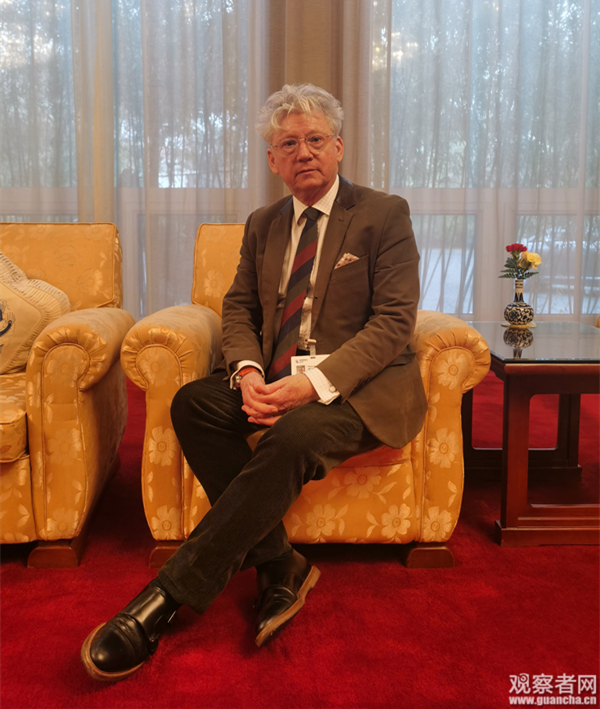
英國導演柯文思 (觀察者網3月20日攝於北京釣魚台國賓館)
【採訪/觀察者網 白紫文】
**觀察者網:**您這次拍攝武漢紀錄片最深刻的印象是什麼?
柯文思: 某種程度上,最令我印象深刻的是進入武漢本身。其他人都未獲準進入。為此,我要感謝我們的中國製作團隊,因為在世界上幾乎每家新聞機構——CNN、倫敦《泰晤士報》《衞報》《紐約時報》《洛杉磯時報》——都不同程度聲稱中國應對這場全球性死亡威脅負責的時候,他們設法説服了一些不得不説服的身居高位之人,表達了我們想記錄重大危機時刻下的這座城市(武漢),告訴人們究竟發生了什麼。
在我們看來,很多(西方)媒體的評價相當不公平且難以置信。而允許一位西方人進入武漢並試着發現真相,也就需要大量的信任。這是我認為最大的、令人印象深刻的成就,但這並非我的成就。
而當我們進入武漢之後,最令人印象深刻的事,則是看到中國人應對疫情與西方人相比形成了180度的絕對反差。每個人可能都會有抱怨,沒有人想被關在自己的公寓里長達76天,你無法責怪他們。但是他們仍然做到了。他們這麼做是因為被告知這樣最符合他們的最大利益,他們相信政府。這讓人印象很深刻,因為在西方,沒有人相信政府。這座1100萬人口的城市雖然可能不情願,但仍對政府抱有相當程度的信任,這在西方是不可能遇到的。他們走進自己的公寓,關上門,待在那裏,直到醫生告訴他們可以安全出來。這很了不起。
**觀察者網:**拍攝這部紀錄片之後,您收穫了中西兩方怎樣的反饋?
**柯文思:**這個問題我只能部分作答,因為電影還沒有上映,但已經差不多完成了。一般我們在影片定剪之前都會做一兩場內部測試,邀請了一些我們非常信任的朋友,看看他們的反饋。這次也是一樣。
我可以問心無愧地説,看過這部片子的人都被影片裏中國人的坦率、真誠震撼和感動到了,有時在一些我們及時記錄下的特殊場景,人們還會落淚,因為我們每天都能拍攝到:ICU中有人死去,18歲、20歲、22歲的護士每天冒着生命危險……這是很大的賭注,而且異常危險,當時沒有人真正瞭解這種病毒的能力,它的毒性有多大,以及如果不迅速控制住,它將會殺死多少人。
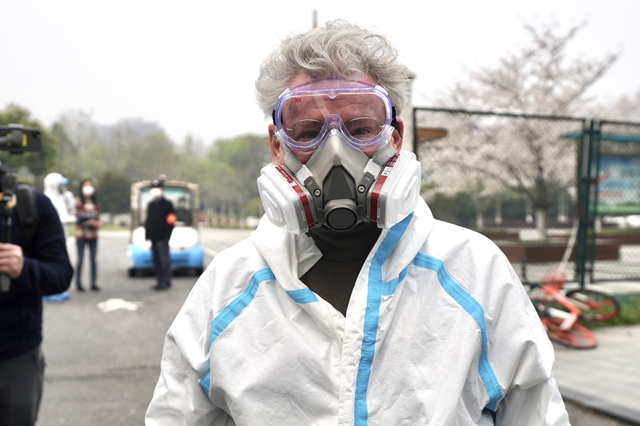
在武漢進行拍攝時的柯文思導演 圖由製片方提供
總的印象是,這部電影會很消耗人的情感,我在很多采訪中引用過威廉·莎士比亞的話:“一張圖勝過千言萬語。”你可以在新聞報道中描述一些事情,但親眼目睹它發生在你面前,親眼目睹悲劇中的痛苦、喜悦、得意或悲傷,是一種不同程度的情感強度。這是一部情感強烈的電影。但事實上,它有一個美好的結局,因為76天之後,武漢恢復了正常,這是世界上唯一一個(封城後)恢復往常的城市。
**觀察者網:**關於武漢抗擊新冠肺炎疫情,我們看到中國和西方講的故事完全不同。通過這部紀錄片,您想要向全世界傳遞一個什麼樣的故事?
**柯文思:**我不覺得這部紀錄片要講的是個故事,它要講的是事實。我們所做的就是邀請許多身在武漢的人講述他們的經歷。有些人對發生的事情感到生氣,有些人感到害怕。我們遇到了一些我絕對會視之為英雄的人,他們冒着生命危險去救治、幫助別人。
但我認為這部電影最關鍵的點在於,(它記錄了)中國如何被一場大規模的自然災害打了個措手不及。所有“病毒是在(武漢)實驗室裏創造出來的”、“災難是人為過失導致”的説法都是胡説八道。這是一場可能在地球上任何地方發生的自然災害。我們都見識了曾經在非洲爆發過的埃博拉。而當疫情來臨時,我們需要和時間賽跑,嘗試科學地去控制它。
中國在2周內繪製出了病毒基因圖譜,之後封鎖了整個城市,這在人類歷史上是前所未有的,然後用兩個月左右時間控制住了疫情。這期間確實走過彎路犯過錯,但這些錯誤也只是在(疫情爆發後)的3-5周內有過。美國犯了一整年的錯,英國也一樣。
這次疫情中的中國可謂一次不可思議的成功。調動國家能力,在武漢投入8萬人解決疫情問題,對組織力的應用以及中國人民的勇敢和責任拯救了這個國家。同樣也拯救了武漢,武漢本可能會經歷一場絕對的災難,而災難之所以沒有發生,是因為中國政府的果斷,他們迅速做出了艱難的決定。
**觀察者網:**作為中國媒體,我們看到了西方媒體是如何報道武漢抗擊疫情的,看起來他們是在刻意歪曲事實。
**柯文思:**當然,正是在歪曲事實。這是絕對可恥的做法。身為西方人,我感到羞愧,因為我也曾經是一名記者。大部分時間,我主要是一名電影人,但我曾在BBC和紐約的ABC新聞接受過記者訓練,我知道作為記者可以耍弄些什麼把戲。我知道記者可以通過編輯、改變呈現方式,讓我説的一些話看上去和我剛剛實際表達的意思完全相反,進而歪曲事實,這些技巧我都知道。
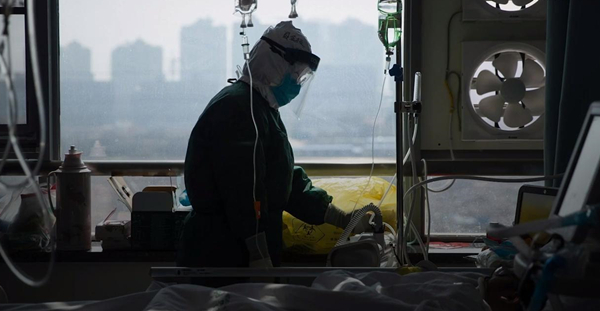
西方媒體社鏡頭下武漢抗疫一線的醫護人員 圖/美聯社
但是這次的事件後果太大,我們必須負責,必須説出真相,必須在該稱讚的地方給予稱讚。你可以因為一些其他“很有爭議的”議題而“不喜歡”中國,比如“竊取知識產權”、“操縱匯率”……隨便哪個點。關鍵在於,你要基於事實進行報道,而且必須要誠實。
武漢的事實則是,中國做出了人類歷史上前所未有的舉動。去年我在中國生活了一年,安全、穩定,我可以去餐館吃飯、看電影、在城裏閒逛,而我現在定居在加拿大的家人仍被鎖在家裏,無法出門。
為什麼我在中國的生活如此安逸?因為北京做出了負責任的決定。對我來説,這是中國的榮耀。中國可以迅速部署資源、採取行動、承擔巨大責任,中國人民會遵守要求,因為他們感到安全、有保障,他們對政府抱有信心。於我而言,這並不尋常。
**觀察者網:**中國現在面臨的情況是,西方話語佔據着上風,而且全世界都在講英語。在您看來,中國人應該如何向外界傳遞真相?
**柯文思:**我認為中國應該更坦誠地面對自己的缺點,面對中國做得不太好的方面,中國仍有很多需要改善的地方。西方需要看到中國政府和中國媒體不是“宣傳機器”,而是“真相機器”。而問題在於,我認為中國政府、可能還包括一些中國機構,對於西方的立場會感到不必要的不安。就像我在演講中説的,中國需要變得更加自信、更能主動出擊,但不是以一種憤怒的姿態,而是堅定地陳述真相:“那不是事實,這才是事實。你們自行斟酌。”
中國有很多值得驕傲的東西。過去40年的復興對任何西方人來説都是難以置信的,不幸的是也嚇壞了西方人。西方不認為中國成為某種現代超級大國是件好事,覺得這很可怕,甚至可能很危險,因為西方已經習慣了長期都是“第一”,而突然之間,沙盒裏多了個新孩子,沙子踢到了我們臉上。我們不喜歡如此,但也必須習慣,因為中國不會消失。
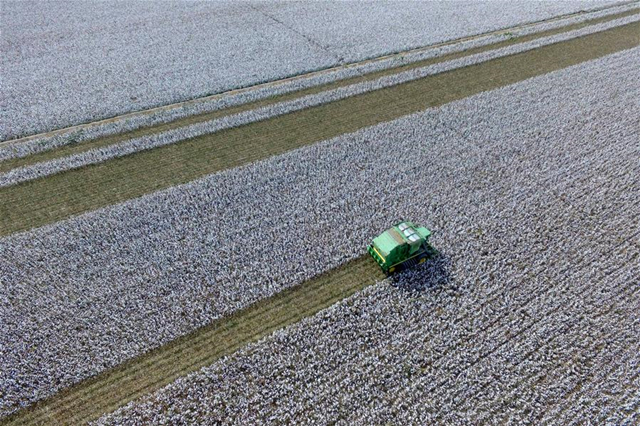
2017年10月8日,採棉機在新疆哈密棉田裏收穫新棉 新華社蔡增樂攝
我認為我們必須接受這一新現實,那就是出現了一個行事風格不令我們喜歡的新興超級大國,但這是他們的做事方式,我們必須尊重它,並在所有我們可以打交道的方面相處下去。比如應對氣候變化、打擊國際恐怖主義,在很多領域中國和西方都可以共存、互相幫助且同時認同我們之間存在差異。你可以與一個不同於你的人結婚,你和她不可能在每件事上都意見一致,但這並不意味着你們必須要離婚,這隻意味着你們倆必須要處理彼此的分歧。
所以我感覺平靜,儘管現在仍然是個醜陋的時期。但那是因為我們正在承繼特朗普政府的毒副作用,一個既不會講真話、也不信守承諾的人。他把中國當作替罪羊,當作西方所有失誤的替罪羊。不幸的是,他得到了很多人的支持,很多人相信他。
**觀察者網:**您的紀錄片《善良的天使》於2019年上映。它講述了兩個大國合作對中美兩國人民的益處。您認為中美關係發生了哪些變化?
**柯文思:**很明顯,特朗普改變了一切。我們開始製作《善良的天使》時恰逢特朗普競選。作為電影人,我們知道自己正在經歷一段艱難的時期,因為特朗普在改變(美國)敍事。他對互補性競爭不感興趣,他感興趣的是非此即彼的零和競爭。在特朗普看來,美國才應該是競爭中的優勝者(top dog)。坦率地説,中國是被妖魔化了。而4年妖魔化中國的殘渣、遺毒,正是我們幾天前看到的在亞特蘭大遇害的8名亞洲人——他們甚至不全是中國人,因為在美國很多人無法區分泰國人、韓國人和中國人,但這並不重要,只要都是亞洲人。對亞洲人的歧視和暴力程度非常嚴重,這種情況必須改變。
因此,只有當人們認識到中國不是威脅而可以成為盟友,認識到中國人民也會和他們一樣愛、恨、流血、死亡、感染病毒,認識到我們都是共同利益的一部分的時候,西方敍事才能真正改變。我認為,這是唯一能夠實現的方法,但需要幾十年時間。但是世界正在改變,我希望未來這兩個偉大的國家之間能存在更多平衡。
**觀察者網:**這幾天我們看到在阿拉斯加會面的中美兩國領導人彼此間的“言語攻擊”非常激烈。拜登政府似乎繼承了唐納德·特朗普(Donald Trump)對中國咄咄逼人的態度。當美國政界人士決心對中國保持進攻性的時候,您認為怎麼做可以改善中美關係?
**柯文思:**首先,我並不認為拜登政府和特朗普政府相似。我確實認為,拜登想在國內傳遞一種“連續性信息”。如果拜登直接説“特朗普告訴你們的一切都是謊言,我要做的事正相反”,這在政治上是不明智的。你必須教育你的選民。如果選民突然相信中國是一個怪物,你不能突然説“不,中國不是怪物,中國是個會滿足你所有願望的仙女”。沒人會相信的。
而我認為在這屆政府背後,有一些民主黨方面的學者對於中國對美國的影響有着更為現實的看法。我認為4年之後,中美關係會變得非常不同,但它需要逐漸轉變。我個人對布林肯有點了解,我不認為他是合適的美國國務卿人選。他很聰明,但沒有他自己以為的那麼聰明。我認為他在阿拉斯加有處理不當之處。坦率地説,美國方面存在一定程度的屈尊與傲慢的心態。但中國接招了,中國沒有亂發脾氣,只是表示:“我們不會任由擺佈。直視我的眼睛,平等地跟我説話。”
**觀察者網:**我們有尊嚴地進行了反擊。
**柯文思:**是的,你説得很對。西方必須開始與中國真正的政治打交道。中國不會消失,它會變得更強大、更富有,擁有龐大的中產階級,1億人擺脱了貧困,這是一項多麼了不起的統計數字。中國人普遍識字。中國註冊的專利比西方更多。這個國家必然將在世界舞台上保持領先和中心地位。
我們必須開始理解中國。怎麼做到呢?我認為這一點上沒有太多的政治姿態可做。但是我們可以叫停所有阻止中國人到美國學習的限制,以及阻止美國人到中國學習的限制,畢竟下一代外交官可能就孕育於其中,他們可能需要在中國中學開始任教,瞭解中國人是什麼樣的人,這樣他們有一天才能成為(稱職的)國務卿。
我們可以停止指責孔子學院是危險的“第五縱隊”“間諜之種”,無論如何這都是無稽之談。我們需要讓更多的美國人來中國,也需要讓更多的中國人去美國,然後緩慢地修復目前已經非常脆弱、實際上已經破裂的兩國關係。
**觀察者網:**最後一個問題,您有什麼特別想對中國、美國民眾説的話?
**柯文思:**我不想只是説一些無聊的陳詞濫調,“讓我們始終和睦,攜手共進”之類的。我想説,為了離間美國人民和中國人民,西方投入了大量的工作、時間和金錢,付出了巨大代價使美國人相信中國人要“吃掉他們的午餐”的議程。這本就是無稽之談。美國人非常需要避免在沒有認真審視事實的情況下,就輕易接受對中國的批評和宣傳。不要輕信別人告訴你的關於中國的任何事情,因為那可能都不是真的。
採訪英文原稿
**Guancha Media:**What is the most impressive thing in your mind when you think of the documentary you made this time?
**Malcolm Clarke:**Um,impressive. In on one level, the most impressive thing was actually getting into Wuhan. They were kicking everyone else out. For that, I owe a great debt to our Chinese production team. Because they they managed to persuade whoever you have to persuade at a very high level that we wanted to do something which would tell the truth about exactly what was happening in the city at a time of great crisis,when pretty much every journalistic organ in the world, CNN, the Times of London, the Guardian, New York times , Los Angeles Times, they were all, to various degrees,holding China responsible for unleashing a global death threat. And that seemed to us to be rather unfair and implausible. There needed to be a huge amount of trust to allow westerners to go in. And try to find out the truth. And so that was the biggest that was very impressive achievement, which was not my achievement.
When we got there, the most impressive thing was to see how in absolute 180 degree contrast it was in terms of the way the Chinese people responded in comparison to westerners. The degree of trust that Chinese people had in their government…I mean everyone probably complained, nobody wants to be locked in their apartment for 76 days. Who can blame them? But They did it. And they did it because they were told it was in their best interest and they believed the government. That was very impressive because in the west, nobody believes the government. So the notion that a city of 11 million people reluctantly but with a degree of kind of trust which was impossible to find in the west, they walked into their apartments and closed the doors and stayed there, until the medics told them it was safe to come out. And that was remarkable.
**Guancha Media:**What feedback have you received after making the document from both the Chinese side and the western side?
**Malcolm Clarke:**You’re asking me a question that I can only partially answer because the film has not been released yet. It’s almost finished. Normally before we have a picture-lock we would always organize one or two internal screenings and invite a few trusted friends for their feedback. Same this time.
Everyone who has seen it and I say this with a clear conscience, everyone who has seen it, it’s shocked by the candor of the Chinese people in the movie, the honesty of the Chinese people in the movie, and really moved, sometimes to tears by the extraordinary situations that we were lucky enough to film, because we were filming people dying in the ICU every day, we were filming 18-year-old, 20-year-old, 22-year-old nurses, risking their lives. Every day. And the stakes was so high. It was so incredibly dangerous. Nobody really understood what this virus was capable of, how toxic it was, how many people it would kill if it was not controlled quickly.
The overall impression is that the film is emotionally exhausting, because one thing that I say, many times in many interviews, that is a quote from William Shakespeare, who wrote “a picture is worth 1,000 words”. You can describe something in the journalistic article in a story, but to actually see it happen in front of you, and to see the pain, the joy, the elation or the sadness of the tragedy in front of you, is on a different level of kind of emotional intensity. And this film is a very emotionally intense film. But actually, it has a happy ending, because after 76 days, Wuhan went back to business as usual, the only place in the world that did.
**Guancha Media:**The next question. We’ve heard different stories from the Chinese side and western side about Wuhan fighting the coronavirus. So what kind of story this documentary wanted to delivery to the whole world?
**Malcolm Clarke:**I don’t really think it’s a story. It’s the truth. All we did was asking many people who were in Wuhan to describe their experience. There were some people who were very angry about what had happened. There were some people who were very frightened. We met people who I would absolutely regard and describe as heroes,who took risks with their own lives to treat other people, and to help other people.
But I think the overwhelming “take-away” of this movie, is that China was caught off guard with a natural disaster of huge proportions. All this nonsense about being a virus created in a laboratory and about human error and man-made a. It’s nonsense. This was a natural disaster which could have occurred anywhere on the planet. Ebola happened in Africa, I we know, we know this. And then and, when it does, it’s a race against time to try and scientifically contain it. China mapped the virus within 2 weeks, an entire city was locked down, unprecedented in human history. It
contained the virus in 2 months. There were mistakes made, but the mistakes were made over a 3.5-week period. There were mistakes made in America over one year period. In the UK, over one year period. China,in this particular instance, was an amazing success story, and the application of both state capacity, throwing 80000 people into Wuhan and saying fix this problem, the application of organization and bravery and responsibility on the part of the Chinese people saved China. It’s actually saved Wuhan. Wuhan could have been experienced an absolute disaster. It didn’t happen because of the decisiveness of the Chinese government who made hard decisions fast.
**Guancha Media:**As Chinese media, we’ve seen how western medias reporting Wuhan as it’s in combat with the virus. It seems that they are intentionally rejecting twisting the fact.
**Malcolm Clarke:**Of course, twisting the facts. I mean, Absolutely disgrace. Well, it makes me ashamed to be western because I I’m a journalist. Somewhat, I’m a filmmaker mostly, but I was trained as a journalist at the BBC and ABC News in New York. And I know the trick you can play as a journalist. I know the way you can bend the facts and bend the truth, and have me say something which is exactly the opposite of what I just said by the way it’s edited and presented, I know all those tricks. But we’re playing with great stakes here. We have to be responsible. And we have to tell the truth and we have to give credit where credit is due. Now you may not like China because of other things that it does,other things that are very controversial,like intellectual property theft for example, currency manipulation, Xinjiang, Hong Kong, name your kind of hot button issue. But the point is that you went on all those things, you have to examine them on the face of the fact and you have to be honest about them.
And on the facts of Wuhan, China did something unprecedented in human history. I’ve lived in China for the last year,safe,sound,eating in restaurants,going to movie,walking around the town, while my family, which now settles in Canada, is locked down still can’t get out of the house.
Why? Because somebody in Beijing acted responsibly. All that’s to me, that’s the glory of China. That it can deploy those resources and that he can act with great speed and with great responsibility, and that its people follow it, because they feel safe and they feel secure. They have confidence in their government. That’s really unusual.
**Guancha Media:**The situation that China faces right now is that, the western narrative is taking the high ground, and the world speaks English. From your point of view, how should Chinese deliver the truth to the world outside, do you think?
**Malcolm Clarke:**I think China has to be a little bit more honest about its shortcomings, about the things that are not great in China and there’s a lot of them. I think we need to see the Chinese government and the Chinese media as being not a propaganda,but a truth machine. And the problem is that, the Chinese government, and maybe the some Chinese institutions, I feel, are unnecessarily insecure about that position visavis the west. I think they need, as I said, in my speech, I’d like to see China being more confident and more confrontational, but not in a not in an angry way, just calling the facts out.“That’s not true. This is true,make up your own mind.”
China has so much to be proud of.And this renaissance in the last 40 years is just like mind boggling to anybody in the west, that unfortunately frightens people in the west. We don’t think this is great that China’s become a kind of a modern superpower. We think it’s scary, and possibly dangerous. So that because we’ve been used to being number one for so long. So suddenly, as I said in my speech, there’s a new kid in the sandbox. He’s kicking sand in our faces and. We don’t like it, but they’re gonna have to get used to it, because China’s not going to go away.
I think we have to accept the new reality of the fact that there is a new superpower which has a very different way of doing things that we don’t like, but it’s their way and we have to respect it and we have to get along and all the places that we can get along, like climate change for example like, combating international terrorism, there are so many places where China and the west can coexist and help each other and agree that we are going to have differences.I mean you can be married to someone and have differences. You don’t agree about everything,it doesn’t mean you get a divorce, it just means that you have to manage your differences.
So I feel still, despite the fact that this is an ugly period. But that’s because we are inheriting the toxicity of the trump administration, a man who was incapable of telling the truth or walking in a straight line. He was using China as the scapegoat, as the whipping boy for anything that went wrong in the west. And unfortunately, he had a lot of support, and a lot of people believed him.
**Guancha Media:**Your documentary Better Angels released on 2019. It tells stories about how beneficial it could be to both Chinese and American people when these two big countries cooperated. From your observation, what has been changed in the China-US relationship?
**Malcolm Clarke:**Obviously,Trump changed everything and we started making Better Angels when trump was campaigning. We knew that we were in as filmmakers a rough ride, because he was changing the narrative. He wasn’t interested in competition in complementary values, he was interested in zero sum competition. And it was them or us. From his perspective, America wanted it to be them who were top dog. China was demonized frankly. And the detritus of that, the fallout of that, 4 years of toxic demonization of China was exactly what we saw in Atlanta several days ago when eight Asians and who weren’t even all Chinese—because many people in the United States can’t tell the difference between a Thai, a Korean and a Chinese—it doesn’t matter. It’s just you’re all Asian. There’s that level of discrimination and violence against Asians and it’s just awful. That has to change.
So that narrative can only really change if people recognize that China is not a threat, that it can be an ally, and that the Chinese people love, hate, bleed, die, get the virus, just like you do, that we’re all part of a kind of common wealth. That’s the only way that’s going to take decades, I think. But the world is changing and in the future, I hope that there will be more of a balance between those two great nations.
**Guancha Media:**We’ve seen the Chinese and US leaders meeting each other in Alaska in these 2 days and their “word attack” to each other is, fierce. It seems that Biden administration has taken the legacy of Donald Trump and adopted aggressive attitude towards China. So when US politicians have determined to be aggressive against China, what do you think can promote this relationship?
**Malcolm Clarke:**First of all, I actually don’t agree that Biden administration and the trump administration are similar. I do think that they want to send a message domestically of continuity. I don’t think it’s prudent politically for Biden to say everything trump told you was a lie, and I’m going to do something different. You have to educate your electorate. And if the electorate suddenly believes that China is a monster, you can’t suddenly say no, China’s not a monster, China’s a fairy who was going to grant all your wishes. Nobody’s going to believe that.
But I think behind the administration, underneath the administration, there are scholars on the Democratic side who have a much more realistic view of what China can be to America. And I think 4 years from now, it will be quite different, but it needs to evolve. And personally, I know Blinken a little bit and I don’t think he’s the right guy. He’s smart, but he’s not as smart as he thinks he is. I think he mishandled Alaska. Frankly, I think there was a certain level of condescension and arrogance on the American side. But China dealt with it, China did not lose its temper. China just said “We aren’t gonna do that, Look me in the eye and talk to me as an equal.”
**Guancha Media:**We fight back with dignity.
**Malcolm Clarke:**Yes,and I think that’s exactly the right note. I think the west has to start dealing with the real politic of China. China is not going away. It’s going more powerful, wealthier. There’s a budgeting middle class,100 million people pulled out of poverty, which is extraordinary statistic. There’s universal literacy. There’s more patents being registered in China than in the west. This country is here to stay front and central on the world stage.
We have to start to understand it. And how we do that? I think at this, there’s not an awful lot of huge political gestures that can be made. But if we can for example stop all these restrictions that stop Chinese people going to America to learn and that stop American people from coming to China to learn, because this next generation of diplomats need to start somewhere. They need to start teaching in Junior high schools in China, and learning who the Chinese people are so that they can one day be the secretary of state.
So I think we can stop accusing Confucius institutes of being dangerous “5th column”, “the seeds of espionage”, which is a nonsense anyway. I think we need to get more Americans into China,we need to get more Chinese into America, and then slowly build on those very fragile foundations, because the relationship right now is effectively broken.
**Guancha Media:**For the last question, do you have any specific words for Chinese people and American people, respectively?
**Malcolm Clarke:**I think I don’t want to just say something which is a kind of a bromide, which is just silly,“Let’s all get on. Hold hands together.” What I would say is that there’s been a tremendous amount of work and time and money spent to divide American people from Chinese people. There has been an agenda which has been pursued at great expense to have Americans believe the Chinese want to eat their lunch. And it’s nonsense. I think certainly Americans need not to accept easy criticisms and easy propagandistic views of China without seriously examining their own truth for themselves. Don’t take anything that anyone tells you about China at face value. Because it’s probably not true.
本文系觀察者網獨家稿件,文章內容純屬作者個人觀點,不代表平台觀點,未經授權,不得轉載,否則將追究法律責任。關注觀察者網微信guanchacn,每日閲讀趣味文章。