希臘比雷埃夫斯市長莫拉里斯:我們的確是中國在歐洲的橋頭堡,這是好事-揚尼斯·莫拉里斯
位於希臘首都雅典西南的比雷埃夫斯港(簡稱比港),被譽為“歐洲南部門户”。這裏是構建“巴爾幹一帶一路”的中歐陸海快線中轉點,是中歐貿易的關鍵海上樞紐,也是“一帶一路”沿線的重要項目。
2008年,中國遠洋海運集團(簡稱中遠集團)成功中標,獲得比雷埃夫斯港2號、3號集裝箱碼頭35年特許經營權,2009年10月全面接手經營。儘管受到新冠疫情及俄烏衝突的影響,中遠海運比港經營業績仍在2021年和2022年連續創下自1930年比雷埃夫斯港務局成立以來的歷史記錄。
2022年,比雷埃夫斯港集裝箱吞吐量保持在500萬標準箱以上,繼續保持地中海第一、歐洲前五大港地位。2022年度,公司實現營業收入同比增長26.2%,達1.946億歐元,淨利潤同比增長43.9%,達5290萬歐元。
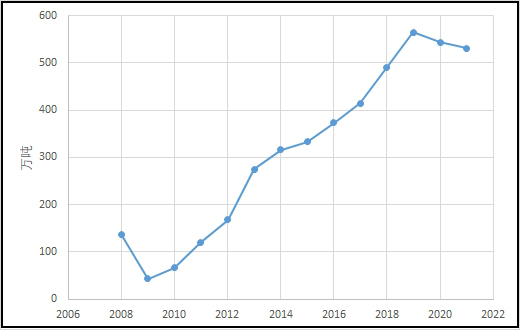
比港歷年吞吐量圖(數據自Lloyd’s List)
比雷埃夫斯市市長揚尼斯·莫拉利斯(Yannis Moralis)親眼見證了比雷埃夫斯港的變化。他於2014年上任市長後,在其任內的2016年,中遠集團控制了比港的多數股份。近日,莫拉里斯接受觀察者網專訪,介紹了與中方合作帶來的變化,反駁西方對“一帶一路”的惡意炒作,並提出自己對未來合作前景的期望。
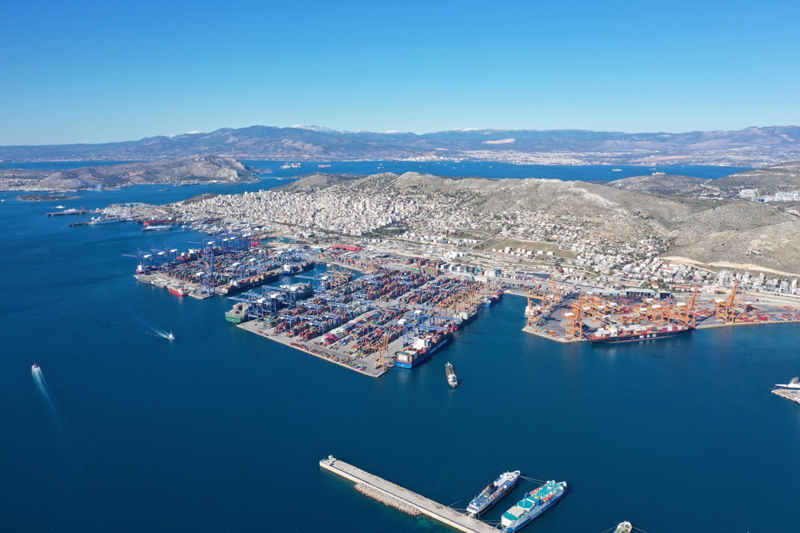
2019年1月拍攝的比雷埃夫斯港。新華社記者 吳魯攝
【採訪/觀察者網 李澤西】
觀察者網:您擔任比雷埃夫斯市長期間,中遠集團全面接管比雷埃夫斯港。在此期間,港口和周邊地區發生了哪些變化?
**莫拉里斯:**在過去的幾年裏,比雷埃夫斯確實發生了很大的變化,而這一重大變化主要歸功於以下三個因素:
一、港口的發展,以及與中遠集團簽訂的特許經營權協議所帶來的經濟活動和業務的擴展;
二、作為市政當局,我們為在本市創造一個有利於投資的環境而做出的協調努力;
三、其他一些大規模的公共投資,主要是在交通領域,例如連接比雷埃夫斯與雅典機場的地鐵線,在提高遊客往來比雷埃夫斯的便利性方面發揮了至關重要的作用。
中國中遠集團的投資是希臘過去幾十年來最大的外國投資項目之一,為當地的發展前景和機遇創造了強大動力,同時也帶來了更多的投資。近幾年來,儘管面臨着金融風險和新冠疫情等衝擊,但比雷埃夫斯市仍在快速蓬勃地發展,而且這些發展也不僅限於港口周邊地區。
有幾家大企業已經開始在比雷埃夫斯投資並開展業務,房地產、特別是辦公樓的建設也在大幅增長。此外,希臘中央政府特別重視比雷埃夫斯的發展,因為比雷埃夫斯港是希臘最大的港口。
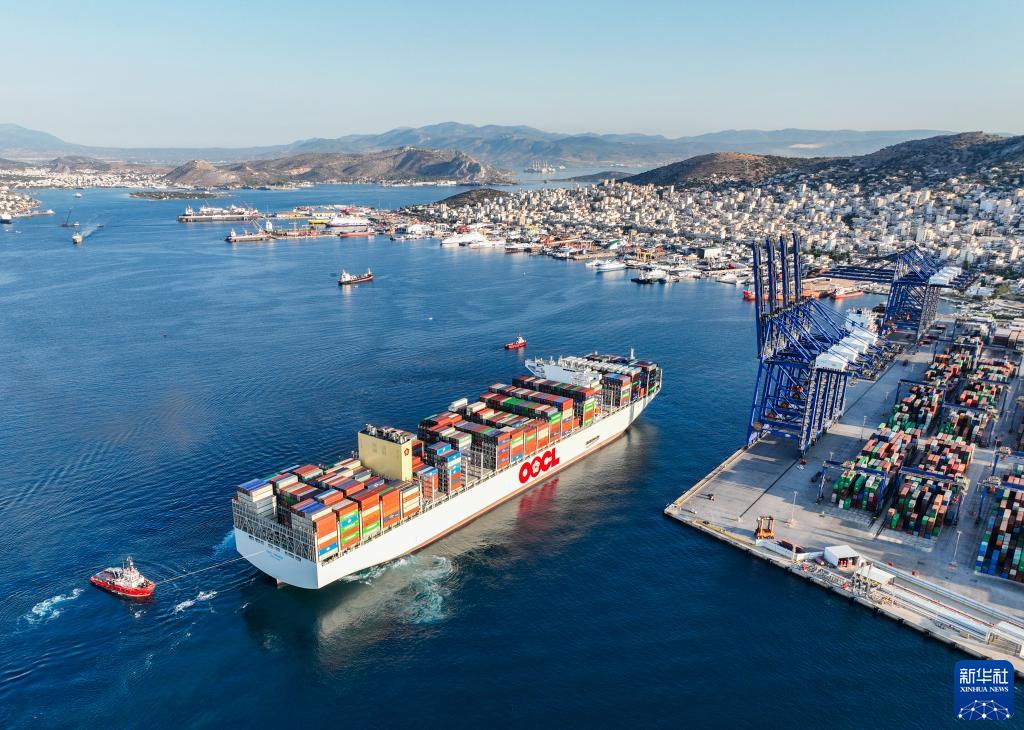
2023年7月10日,“東方比雷埃夫斯”號大型集裝箱船抵達希臘最大港口比雷埃夫斯。 新華社發
觀察者網:您對未來有何期望?
**莫拉里斯:**由於比雷埃夫斯已成為希臘最重要的交通樞紐,我對比雷埃夫斯寄予厚望,希望它能發展成為一個更智能、更開放、更創新的城市,這也是一個大型現代化港口城市應有的狀態。
此外,我還希望比雷埃夫斯市未來不斷發展的過程中,能夠進一步重視環境保護和提高居民生活質量的社會需求。這也是為什麼我們在持續、協同、系統地開展工作,一方面從港口發展中獲益,同時也要應對港口運營給城市帶來的一些負面影響。
觀察者網:在比雷埃夫斯港的運行過程中,遇到了哪些文化、商業慣例、組織結構和法律制度等方面的差異帶來的挑戰?這些問題是如何解決的?
**莫拉里斯:**當一家公司在外國進行投資時,尤其是當投資涉及到在行政、就業和企業文化方面存在顯著差異的國家時,確實會遇到諸多挑戰。然而,遵守法律是先決條件,也是絕對必要的,尤其考慮到希臘最大的比雷埃夫斯港口對中希雙方的重大意義。因此,希臘政府對中遠集團的港口特許經營權協議是根據現行法律規定進行的,合同雙方的權利和義務都是根據這些立法和法律規定產生的。
觀察者網:比雷埃夫斯港現在被認為具有戰略意義,甚至被西方媒體炒作為“中國在歐洲的橋頭堡”這一帶有負面色彩的角色,對此您怎麼看?
**莫拉里斯:**由於地處東西方之間,比雷埃夫斯一直是一個戰略性港口。在古代,特別是公元前5世紀,比雷埃夫斯曾是雅典的軍港。我相信中國人很容易理解這一點,因為中國與希臘一樣擁有悠久的歷史。
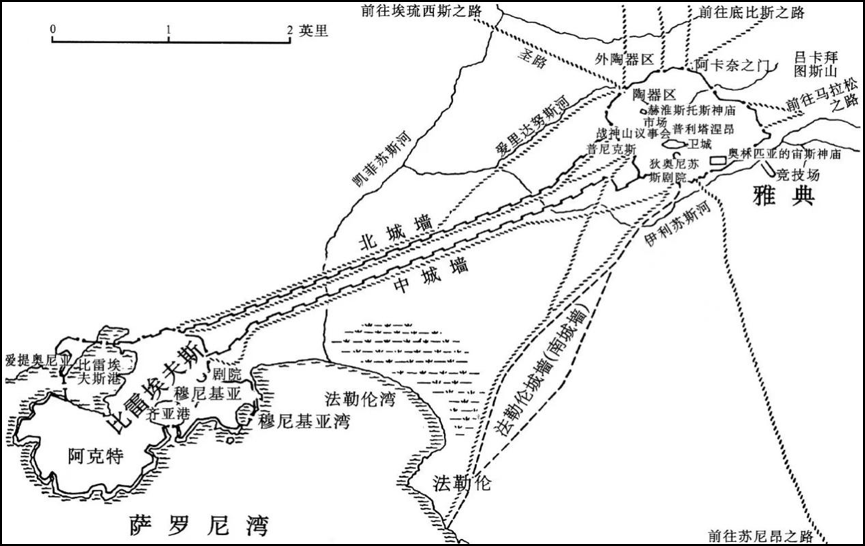
公元前5世紀後期的比雷埃夫斯(圖源:修昔底德《伯羅奔尼撒戰爭史》中文版)
此外,比雷埃夫斯是希臘航運的基地,而希臘擁有世界上最大的船隊(觀察者網注:採訪後,根據最新數據顯示,中國已超越希臘,成為世界第一大船東國)。比雷埃夫斯是希臘航運業和旅遊業的基石,這兩者又是希臘經濟最主要和最強大的支柱。近年來,它已蜕變為一個現代化、高標準的港口,與全球最大的港口競爭,並鞏固了其作為運輸、貿易、旅遊和海事中心的重要地位。
比雷埃夫斯港的確是中國在歐洲的“橋頭堡”,但我並不認為這是負面的。
觀察者網:一些西方評論家將比雷埃夫斯港與斯里蘭卡的漢班託塔港相提並論,炒作稱後者是所謂“債務陷阱外交”的典範。您如何看待這種比較,以及關於“債務陷阱外交”的炒作?
**莫拉里斯:**中遠集團接管比雷埃夫斯港,得到了希臘議會大多數議員的投票支持,並在過去幾年中得到歷屆希臘政府的支持。誠然,該特許經營權協議是在希臘財政狀況岌岌可危的時期達成的,但我並不認為作為歐盟成員國的希臘可以在政治或經濟層面與斯里蘭卡相提並論。
不過,作為比雷埃夫斯市長,我可以闡述與該市有關的問題。比雷埃夫斯市政府的目標是獲得儘可能多的利益。例如,所有港口城市都能獲得港口運營補償費,而比雷埃夫斯市每年可獲得250萬歐元(約合2000萬元人民幣),港口也在創造就業機會以及進一步發展郵輪業,這在很大程度上加強了我們城市的旅遊宣傳。
與此同時,我們還不斷從各個方面努力,確保各方遵守有關環境、投資和其他問題的相關法律。如果説有什麼問題的話,港口業務發展起來後帶來了嚴重的交通擁堵,對我們的城市和居民來説都是一種負擔,我們也正着力在解決。
觀察者網:2018年,希臘成為第一個加入“一帶一路”倡議的歐盟成員國,藉助這一合作,比雷埃夫斯港也獲得了高速發展。今年是“一帶一路”倡議提出十週年。總的來説,您如何看待“一帶一路”倡議?
**莫拉里斯:**希臘和比雷埃夫斯港在中國的“一帶一路”倡議中都扮演着重要和突出的角色。比雷埃夫斯港是中國打造當代絲綢之路框架內的一個標誌性項目。對中國而言,比雷埃夫斯是其出口歐洲的大門,中國顯然不只是希望在比雷埃夫斯擁有強大的影響力。
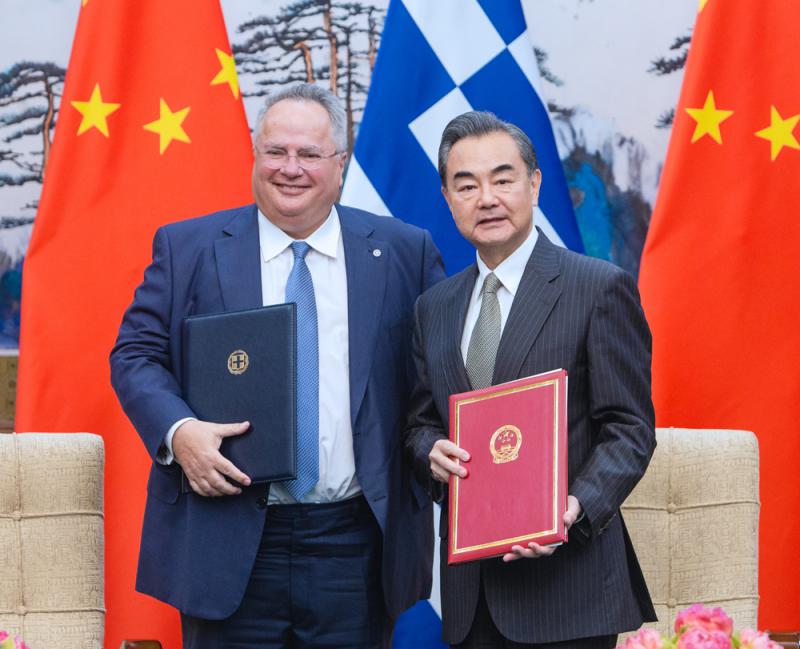
2018年,希臘成為首個簽署“一帶一路”合作諒解備忘錄的西方發達國家。(圖源:中國外交部)
我認為這是一個雄心勃勃的計劃,對兩國都有好處。迄今為止,比雷埃夫斯港的發展已經證明,希臘和中國能夠開展建設性合作,雙方都能從中獲得巨大利益。
觀察者網:對於其他國家來説,即使是一些支持“一帶一路”倡議的人也認為,與發展中國家相比,“一帶一路”倡議對發達國家的吸引力和潛在經濟貢獻規模相對較小。作為比雷埃夫斯市長,您如何看待這些觀點?發達國家如何更好利用“一帶一路”倡議帶來的機遇?
**莫拉里斯:**我認為,加強和發展中國與歐洲以及中國與希臘之間的雙邊關係,對各方都是有益的。希臘應該朝着這個方向採取主動行動,以努力進一步促進我們的出口,例如向中國出口希臘的優質農產品,因為中國市場廣闊,而中國人對此類產品也有着濃厚的興趣。
另一方面,中國科技產品在希臘的受歡迎程度也在持續快速增長,這是個可進一步大力發展的領域。除此之外,比雷埃夫斯港在專業技術、“藍海”增長、文化和體育領域充當了中間人角色,連接中國與希臘,使雙方互惠互利。
觀察者網:“一帶一路”不僅是經濟上的合作,還是文化方面的交融。中希雙方在比雷埃夫斯的文化合作上有哪些亮點?
**莫拉里斯:**正如我之前提到的,希臘和中國都有幸繼承了數千年的豐富文化和歷史遺產。儘管兩國地理位置相距甚遠,但這一共同點為兩國人民的相互尊重發揮着至關重要的作用。通過以市政府和港口管理局名義開展的一系列“向外看”活動,中希兩國正在逐步奠定堅實的基礎,建立更緊密的雙邊關係,同時增進兩國的相互理解,更深入地瞭解彼此的文化、歷史和傳統。
此外,在過去幾年中,比雷埃夫斯與中國的一些城市通過達成“友好城市”關係而建立了密切關係。1985年,比雷埃夫斯就與上海結為友好城市。2018年與青島結為友好城市後,雙方在可持續和“藍海”發展、創業、文化、旅遊及體育等一系列共同關心的問題上,為更具建設性的合作開闢了新的前景和機遇。比雷埃夫斯與這些城市的結對,在很大程度上是通過市長和隨行代表團的互訪推動的。
觀察者網:如何提高公眾對這些文化合作的瞭解?
**莫拉里斯:**通過合作。比雷埃夫斯市政府一直與中國駐希臘雅典的大使館和雅典中國文化中心保持建設性合作。我們還在比雷埃夫斯市劇院舉辦了多場中國文化活動,中國大使館文化處也參與了比雷埃夫斯市的活動。
城市的對外開放性一直是我們的重點任務之一,我們歡迎旨在促進和交流思想,尤其是文化、旅遊、金融、企業方面的外交合作。
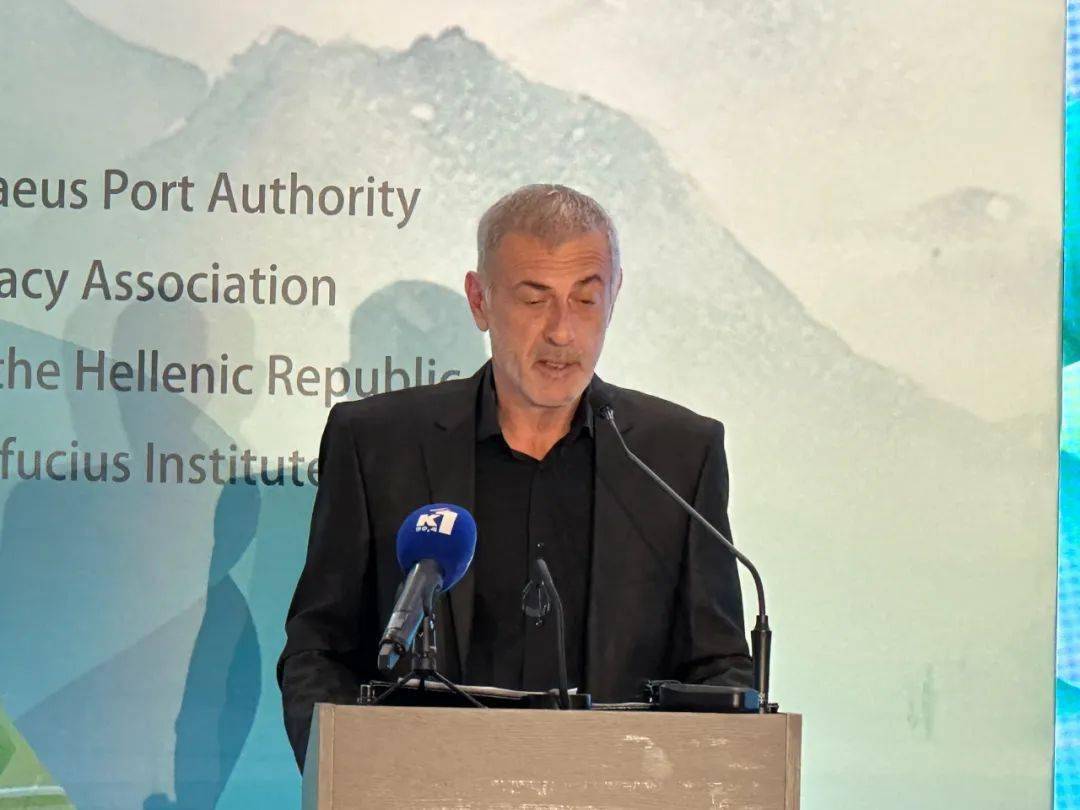
6月21日,莫拉里斯出席中國公共外交協會、中國駐希臘大使館、中遠海運比雷埃夫斯港務局和雅典商務孔子學院聯合舉辦的“仲夏端午中希文化交流節”活動
此外,除了經濟方面的貢獻,中遠集團對比雷埃夫斯社會持續不斷的支持和援助也令我非常高興。我們與港口管理部門在這些問題上也開展了合作,目前雙方的合作關係一直是建設性的,但我相信合作還能更上一層樓,將比雷埃夫斯市民和企業從港口發展中獲得的經濟增長收益最大化。
我們堅信,比雷埃夫斯水下古蹟博物館的建立將成為城市和港口的地標和參照點,我們還與港口管理局就港口內建立一個大型兒童公園達成了協議。此外,中遠集團還與體育俱樂部合作開展捐贈和獻愛心活動,以及代表港口管理局為比雷埃夫斯各地區兒童開展其他類似活動,這都進一步增進了比雷埃夫斯的社會繁榮。
以下為英文原文:
Guancha: Your mayorship largely coincided with COSCO management of Piraeus port. During that time, how has the port and the surrounding areas been transformed?
Moralis: It is true that Piraeus has changed to a large extent over the last years and this significant change is due to three primary factors: a. the port’s development as well as its expansion of activities and operations deriving from the concession agreement to COSCO b. our coordinated efforts, as the municipal authority, towards the direction of creating a conducive and investment - favorable environment within our city c. several other large-scale public investments, mainly in the transport sector, for instance the completion and proper operation of the metro line which connects our city to the Athens airport and has played a vital role in the increase of visitors’ mobility and access to Piraeus.
The investment having been implemented by the Chinese, state – owned COSCO company, which is rated among the largest foreign investments in our country during the past decades, has created strong stimuli for development prospects and opportunities accompanied by further investments. This has been evident over recent years during which, despite the financial and pandemic crisis, our city is constantly developing rapidly and vigorously, not only with regards to areas surrounding the port but in several other regions as well. More specifically, there are several large companies which have proceeded to investments and are operating in our city, a radical growth in the real estate sector and especially in relation to the provision of office space is taking place and in addition, the Central Administration is attaching particular value and importance to Piraeus’ development since it is the city which hosts our country’s largest port.
Guancha: What’s your hope for the future?
Moralis: Since Piraeus has emerged as our country’s most crucial transport hub, I hold high expectations as to that it will develop to a “smarter” as well as more extrovert and innovative city, a status which accords with a large and modern port city. Furthermore, I hope that in the future our city’s constant development will be further aligned with societal needs concerning environmental protection and the improvement of residents’ quality of life. Besides, this is one of the main reasons for our continuous, coordinated and systematic work in order to reap the benefits of the port’s development as well as encounter the negative impact resulting from its operation in our city.
Guancha: What have been some challenges in smoothing out differences in cultures, business practices, organizational structure and legal systems? How have these differences been resolved or smoothed out?
Moralis**:** There are, indeed, several and consecutive challenges when a company proceeds to an investment in a foreign country and especially when the investment involves countries with significantly different cultures at administrative, working, and entrepreneurial level. However, compliance with the legislation is a prerequisite and absolutely essential, especially with regards to the administration of our country’s largest port as well as to a company whose country’s national interest is enormous. For the aforementioned reasons, the port’s concession by the Greek state to COSCO has taken place in accordance with the existing legislation and legal provisions, through which both rights and obligations arise for both contracting parties.
Guancha: What do you think of the fact that Piraeus port is now considered strategic and even referred to negatively as “China’s bridgehead in Europe”?
Moralis: Piraeus has always been a strategic port due to its geopolitical position between East and West. In antiquity and more specifically in the 5th century B.C., it used to function as the war- port of Athens. I am certain that this can be easily perceived by the Chinese since their country has an equally long ancient history as Greece. Moreover, Piraeus is the home of Greek shipping which holds the largest part of the world’s fleet. It is the city – cornerstone of shipping and tourism which constitute the major and strongest pillars of Greek economy. In recent years it has been transformed to a port of modern, high – standards being competitive to the largest ports worldwide and consolidating its position as a transport, trade, tourist and maritime center of crucial significance. It is, indeed, China’s bridgehead in Europe, nevertheless, I do not consider it to be an a priori negative feature.
Guancha: Some Western critics have compared Piraeus Port to Hambantota Port in Sri Lanka, which they claim to be an example of so-called “debt trap diplomacy”. What do you think of this comparison? What do you think of the “debt trap diplomacy” narrative?
Moralis: Piraeus port management’s take over has been voted by the majority of the Greek Parliament and supported by all Greek governments over the past years. It is true that the concession was implemented during a period when our country was in precarious financial situation, nevertheless, I do not believe that Greece which is a member-state of the European Union can or should be compared to Sri Lanka at a political or economic level. However, as the Mayor of Piraeus, I can elaborate on and answer to questions concerning our city’s issues. Municipality of Piraeus aims at reaping as many benefits as possible. For example all port municipalities receive compensatory fees for the port’s operation (with specific regard to the Municipality of Piraeus, the significant sum of 2,5 million euros per year is received), job creation, as well as the further development of the cruise industry which has already reinforced our city’s tourist promotion to a significant extent. At the same time, we constantly put all our efforts and pressure in all directions towards achieving the aim of mass compliance with the legislation on environmental, investment and other issues related to the extensive traffic congestion – a burden to both our city and its residents.
Guancha: This year is the tenth anniversary of the BRI. Broadly speaking, what do you think of the BRI? How do you think Westerners should view the BRI? What do you think are some ways to convince them to take a more positive view?
Moralis: Both Greece and Piraeus’ port play a crucial and prominent role in relation to the “One Belt – One Road” Chinese initiative. In its essence, it constitutes a landmark project within the framework of China’s efforts to create a modern “Silk Road”. For China, Piraeus is the entrance gate of its exports to Europe and obviously, China is trying to establish its powerful presence not only in Piraeus but also across the whole country. I consider it to be an ambitious strategic plan with accompanying benefits for both countries. So far, Piraeus port’s development has proven that Greece and China are able to cooperate constructively and both yield significant benefits.
Guancha: Even some who are sympathetic to BRI believe that it has less to offer to developed countries than developing countries. Given that you’re the Mayor overseeing Piraeus Port, what do you think of such arguments? How can developed countries take advantage of the opportunities offered by BRI?
Moralis: According to my opinion, the reinforcement and development of bilateral relations between China and Europe as well as between China and Greece can be proven to be beneficial for all the aforementioned parts. We, representing Greece, should take initiatives and decisions towards this direction, aiming to the further promotion of our exports - for instance exporting Greek agricultural products of high quality to China, since its market is vast and it is also widely known that there is intense Chinese interest for such products -. On the other hand, Chinese technological products’ popularity is constantly and rapidly increasing in Greece, which is a sector of significant further development. Nevertheless and besides all the aforementioned, China and Greece have already been mutually benefited through the unique opportunity offered by Piraeus’ port - which acts as the intermediary, the missing link – in the fields of expertise, blue growth, culture and sport.
Guancha: What are some of the brightest areas of bilateral cultural cooperation?
Moralis**:** As I have mentioned previously, Greece and China share the privilege of having inherited rich cultures and long – lasting histories over the centuries and this common feature plays a vital role in our peoples’ mutual respect despite the considerable geographic distance between them. Through a broad range of multiple extroversion initiatives on behalf of the Municipality as well as the Port’s Administration, our countries are gradually laying solid foundations with regard to reinforcing and establishing closer bilateral relations alongside with becoming acquainted more thoroughly with each other’s cultures, histories and traditions, within the framework of supporting our countries’ mutual understanding.
In addition, over the last years Piraeus has established close relations with certain Chinese cities through twinning schemes. Our city is twinned with the city of Shanghai since 1985 and also, Piraeus’ and Qingdao’s twinning has initiated new prospects and opportunities for an even more constructive cooperation regarding a series of issues of mutual concern, such as blue and sustainable development, entrepreneurship, culture, tourism and sport. Moreover, the twinning of Piraeus with those cities has been promoted to a large extent through mutual visits of’ Mayors and accompanying delegations.
Guancha: How can we improve public awareness of these efforts?
Moralis: Through cooperation. We as the Municipality of Piraeus’ authorities, have been maintaining constructive cooperation with both the Embassy of the People’s Republic of China and China’s Cultural Centre in Athens. We have also hosted several Chinese cultural events at the Municipal Theatre of Piraeus and the Cultural Department of the Chinese Embassy participates in our Municipality’s events, as well. Our city’s extroversion has been one of our primary priorities and we are open to and welcome synergies through diplomacy aiming at the promotion and exchange of ideas, activities to be implemented and experiences at cultural, tourist, financial or entrepreneurial level. Furthermore, besides financial growth, I am particularly pleased with COSCO’s constant and increasing support and assistance to Piraeus’ society. We cooperate with the port’s Administration on such issues, as well and even though our partnership has been constructive so far, I believe that it can improve further towards the direction of Piraeus’ citizens and enterprises benefiting at the utmost possible by the financial growth resulting from our port’s development. We firmly believe that the foundation of Piraeus’ Underwater Antiquities Museum will arise to a landmark and point of reference for both our city and the port and we have also proceeded to an agreement with the Port’s Administration concerning the creation of a large children’s park within the port’s premises. Piraeus’ social prosperity is also being reinforced through donations and offerings in cooperation with sports clubs as well as several other similar initiatives, on behalf of the Port’s Administration, towards the children of every region across Piraeus.
本文系觀察者網獨家稿件,文章內容純屬作者個人觀點,不代表平台觀點,未經授權,不得轉載,否則將追究法律責任。關注觀察者網微信guanchacn,每日閲讀趣味文章。
